Viewing chapter Alphabet (10 quotes)
By the meaningless sign linked to the meaningless sound we have built the shape and meaning of Western man.
The Gutenberg Galaxy (1962), p 65
Year: 1962
The alphabet, when pushed to a high degree of abstract visual intensity, became typography. The printed word with its specialist intensity burst the bonds of medieval corporate guilds and monasteries, creating extreme individualist patterns of enterprise and monopoly.
Understanding Media, 1964, MIT/Routledge edition, p 23
Year: 1964
Chapters:
Individual | Print
The alphabet is an aggressive and militant absorber and transformer of culture, as Harold Innis was the first to show.
The Gutenberg Galaxy, 1962, p 5
Year: 1962
Chapter:
Print
The very word idea is indicative of the revolution in thinking that took place with literacy. This word, which is not to be found in Homeric Greek, derived from the word eidos, indicating “visual image.” The alphabet had the mysterious and unique power of separating the visual faculty from the other senses and giving dominant play to the visual.
“The Alphabet, Mother of Invention” with Robert K. Logan, in Et Cetera, 1977, p 377
Year: 1977
Chinese script is not visual but iconic and tactile. It does not disturb the tribal bounds.
The Gutenberg Galaxy, 1962, p 72
Year: 1962
From the magical resonating world of simultaneous relations that is the oral and acoustic space there is only one route to the freedom and independence of detribalized man. That route is via the phonetic alphabet, which lands men at once in varying degrees of dualistic schizophrenia.
The Gutenberg Galaxy, 1962, p 22
Year: 1962
It [the alphabet] divorced the visual function from the interplay with the other senses and thus led to the rejection from consciousness of vital areas of our sensory experience and to the resultant atrophy of the unconscious. The balance of the sensorium — or Gestalt interplay of all the senses — and the psychic and social harmony it engendered was disrupted, and the visual function was overdeveloped. This was true of no other writing system.
Playboy Interview, 1969, in The Essential McLuhan, 1995, p 241
Year: 1969
Chapter:
Balance
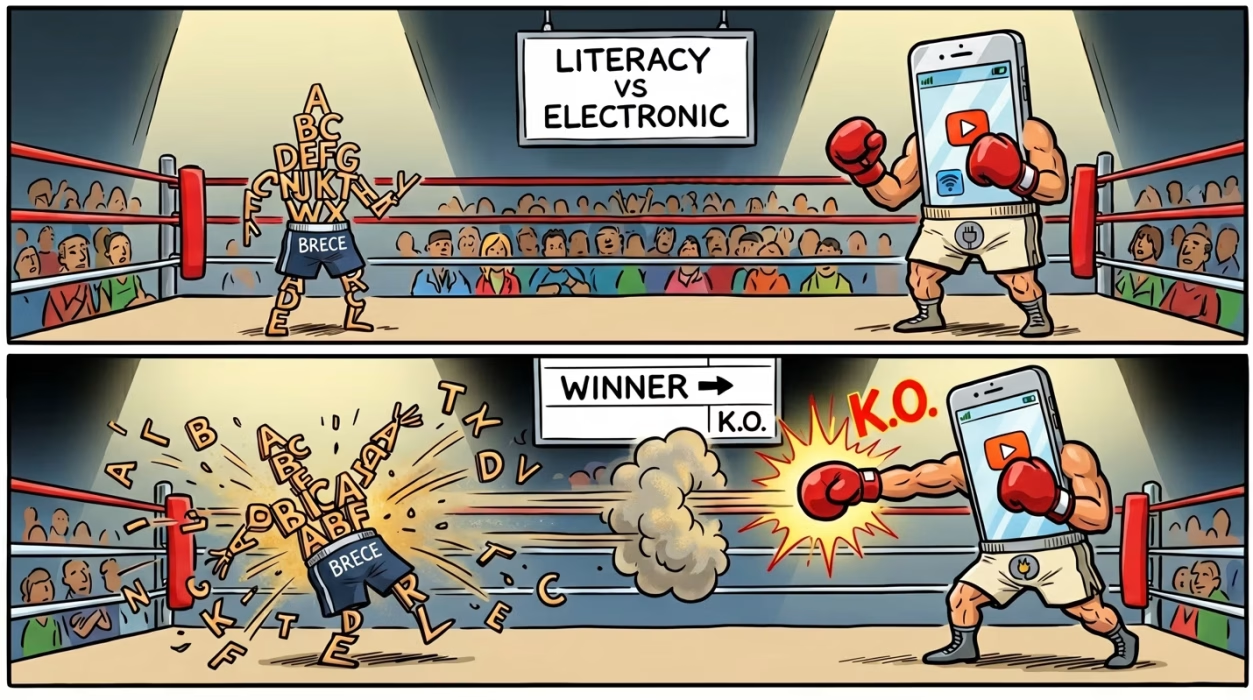
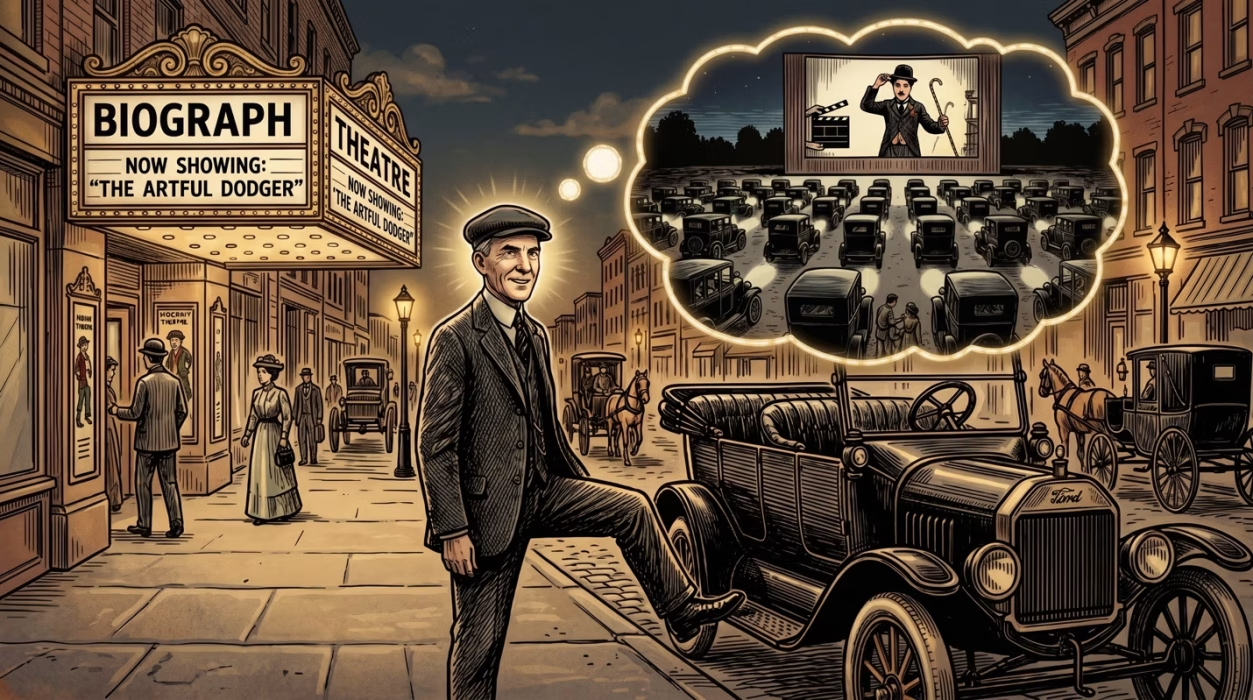




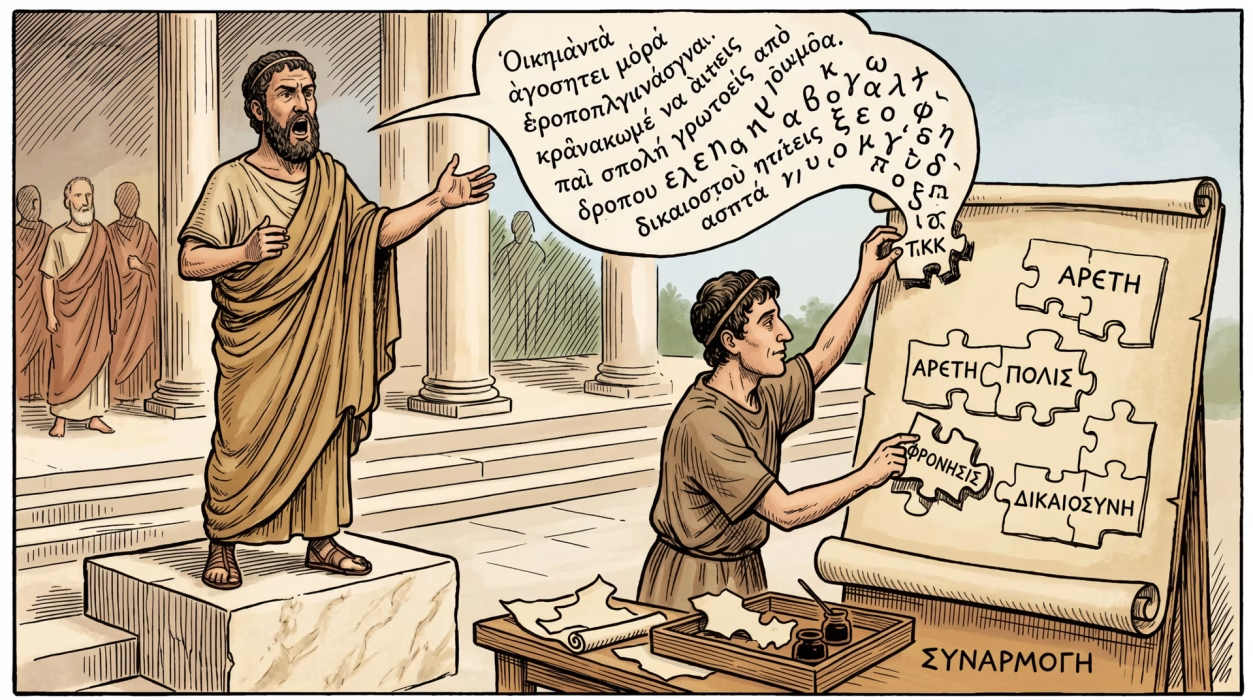

The entire use of yes-no bit programming is from the alphabetic modes of Western civilization. But many people look to the computer to bypass present forms of human action and limitation. Yet, even the written and printed word, it might be argued, has helped us to surpass ordinary human scale.
“The Future of the Book” (1972), in Understanding Me, p 176
Year: 1972
Chapters:
Computer | Human Scale
But the phonetic alphabet was radically different from the older and richer hieroglyphic or ideogrammic cultures. The writings of Egyptian, Babylonian, Mayan and Chinese cultures were an extension of the senses in that they gave pictorial expression to reality, and they demanded many signs to cover the wide range of data in their societies—unlike phonetic writing, which uses semantically meaningless letters to correspond to semantically meaningless sounds and is able, with only a handful of letters, to encompass all meanings and all languages. This achievement demanded the separation of both sights and sounds from their semantic and dramatic meanings in order to render visible the actual sound of speech, thus placing a barrier between men and objects and creating a dualism between sight and sound.
Playboy Interview (1969), in Essential McLuhan (UK edition, 1997), p 230
Year: 1969
…the alphabet and kindred gimmicks have long served man as a subliminal source of philosophical and religious assumptions. Certainly Martin Heidegger would seem to be on better ground in using the totality of language itself as philosophical datum.
The Gutenberg Galaxy, (1962), p 248
Year: 1962