Viewing chapter Analogy (17 quotes)
…all art and all language are techniques for looking at one situation through another one.
Marshall McLuhan
“Culture without Literacy”, in Explorations #1, December (1953), p 121 reprinted in Essential McLuhan, (1995), p 307, additional reprint in Media Research Technology, Art and Communication (1997), p 131, and McLuhan Unbound #6, (2017)
Year: 1953
…symbols are not just referential signs. They don’t just say something. They do something. And saying is also symbolic action. We are moving very rapidly today to a grasp of scriptural, poetic and social communication which promises to take up all the wealth of patristic insight and to go far beyond it. But we have no choice. We have either to surpass any previous age or to collapse into a new Babel.
“Symbolist Communication,” a review of A Reading of George Herbert by Rosemond Tuve in Thought, Autumn (1952), p 457
Year: 1952
Chapter:
Present [The]
Metaphor means a carrying across. All speech is metaphoric because any oral sound is a gesture towards externalizing an inner gesture of the mind.
“Radio and TV vs the ABCED-Minded”, in Explorations 5, June (1955), p 16 ,reprinted in Marshall McLuhan Essays Media Research: Technology Art Communication, (1997), p 84
Year: 1955
Money is metaphor in the sense that it stores skill and labour and also translates one skill into another.
“Prologue”, in The Gutenberg Galaxy: The Making of Typographic Man, (1962), p 5
Year: 1962
[Gerard Manley] Hopkins is not a nature mystic at all, nor a religious mystic, either, but an analogist. By stress and instress, by intensity and precision of perception, by analogical analysis and meditation he achieves all his effects. His is literally a sacramental view of the world since what of God is there he does not perceive nor experience but takes on faith. It may sound at first strange to hear that Hopkins is not a mystical but an analogist. That he does not lay claim to a perception of natural facts hidden from ordinary men is evident in every line of description he ever wrote.
“The Analogical Mirrors” (1944), in The Interior Landscape (1969), p 65
Year: 1944
Just as Korzybski offers us a correlation of knowledge by an extension of the modes of grammar (and in this respect belongs to an ancient tradition headed by Cratylus and carried on by Pliny, Philo-judaeus, Origen, St. Bonaventura, and the later alchemists) so Mr. Richards, whose Meaning of Meaning is a treatise of speculative grammar of curiously scholastic stamp, offers us a method for interpreting and manipulating our lives by an extension of the devices of rhetoric.
“Poetic vs. Rhetorical Exegesis: The Case for Leavis Against Richards and Empson”, in The Sewanee Review, Vol. 52, No. 2 (1944), p 267
Year: 1944
It is the overlayering of perspectives, the simultaneous use of two kinds of space which creates the shock of dislocation here. For if all art is a contrived trap for the attention, all art and all language are techniques for looking at one situation through another one.
“Culture without Literacy”, in Explorations #1, December (1953), p 121 reprinted in Essential McLuhan, (1995), p 307, additional reprint in Media Research Technology, Art and Communication (1997), p 131, and McLuhan Unbound #6, (2017)
Year: 1953
All language or expression is metaphorical because metaphor is the seeing of one situation through another one. Right on the beam. I'll take a rain check on that.
“Culture without Literacy”, in Explorations #1, December (1953), p 127 reprinted in Essential McLuhan, (1995), p 312, additional reprint in Media Research Technology, Art and Communication (1997), p 138, and McLuhan Unbound #6, (2017)
Year: 1953
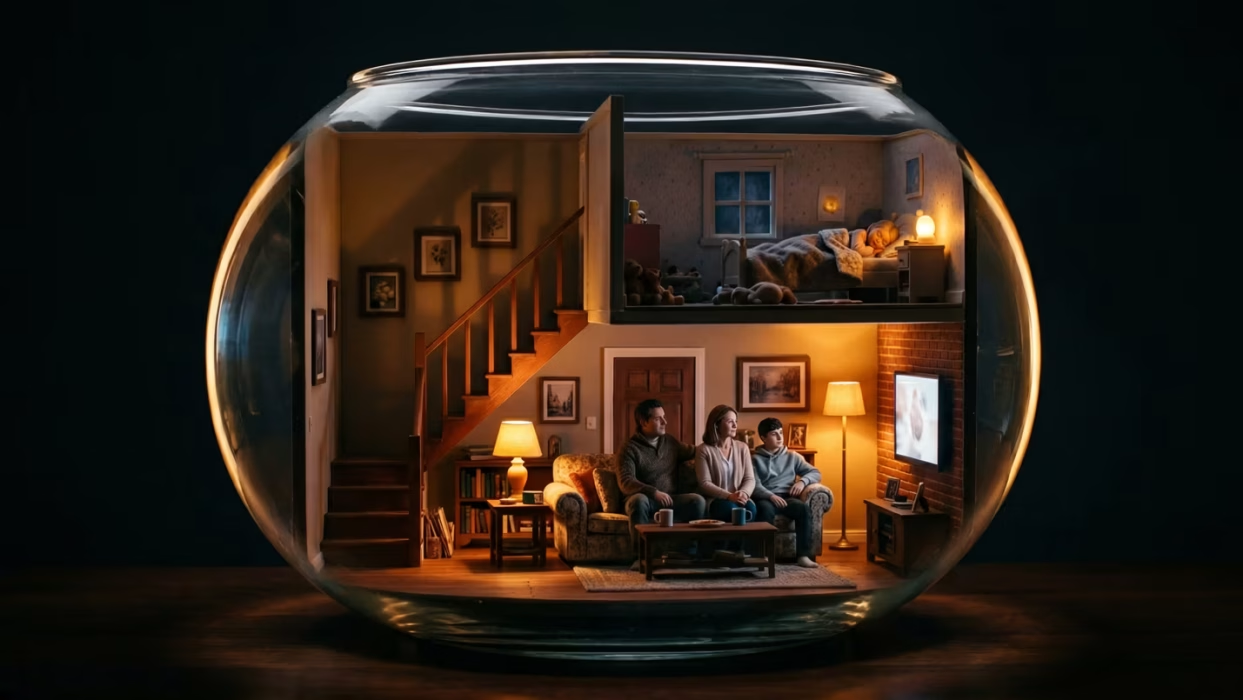
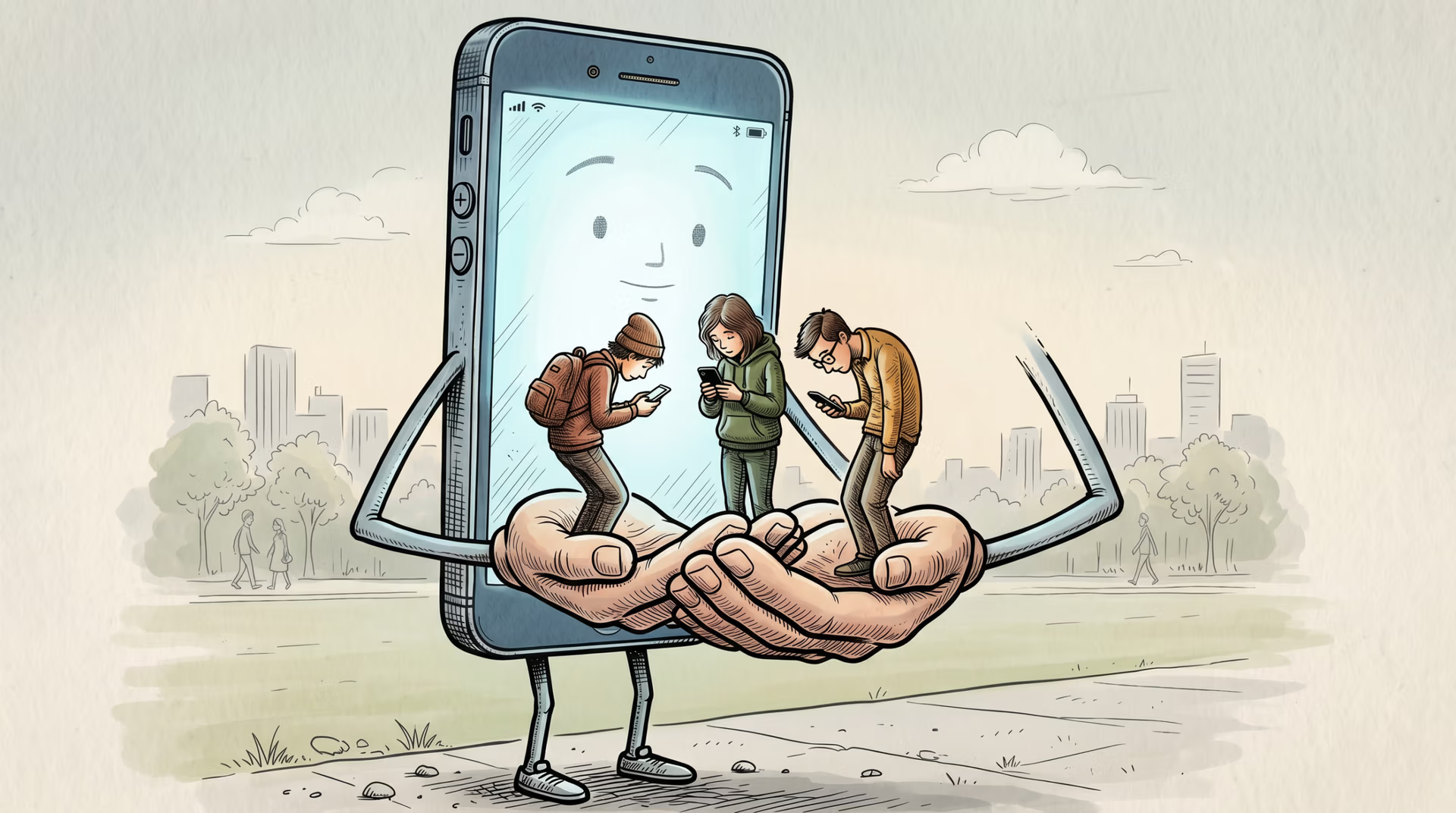
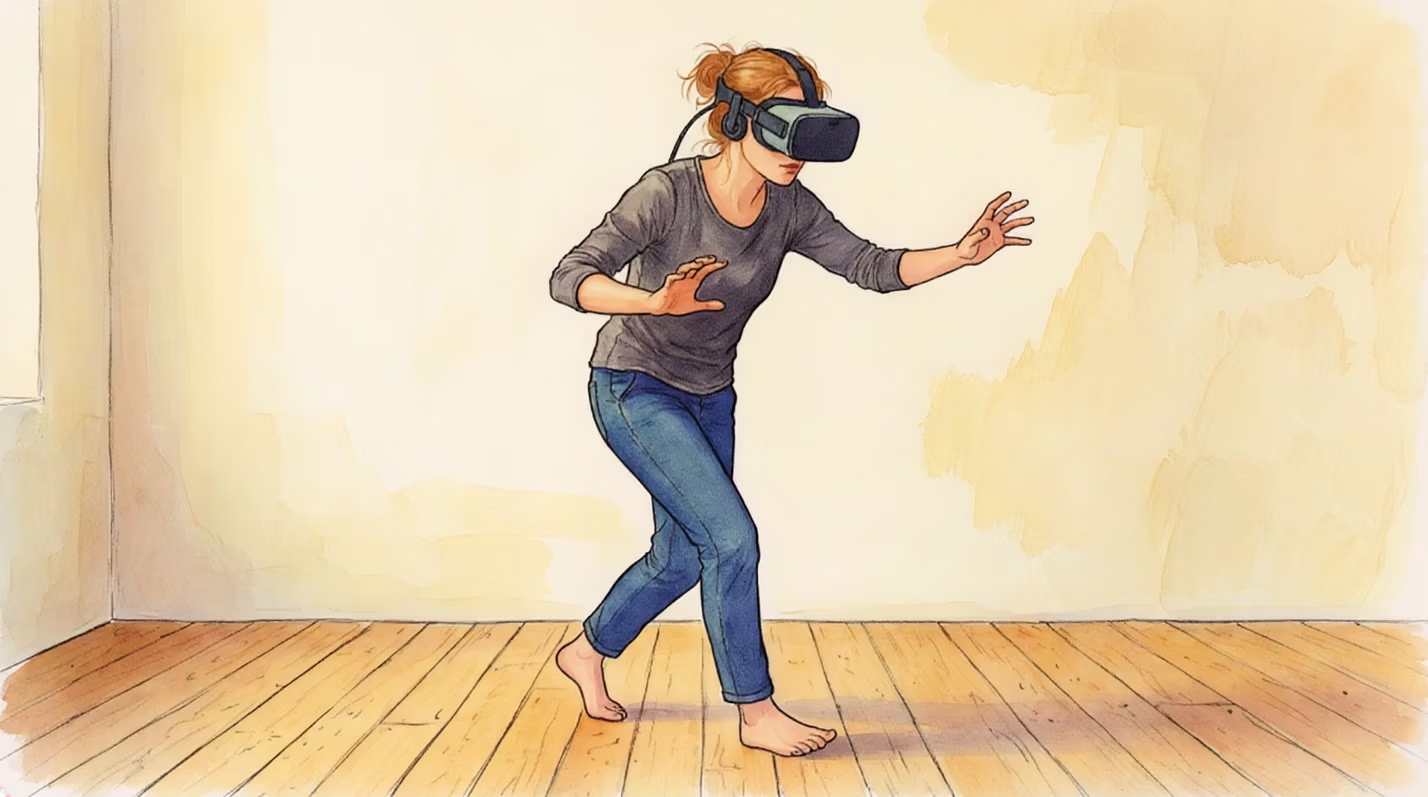
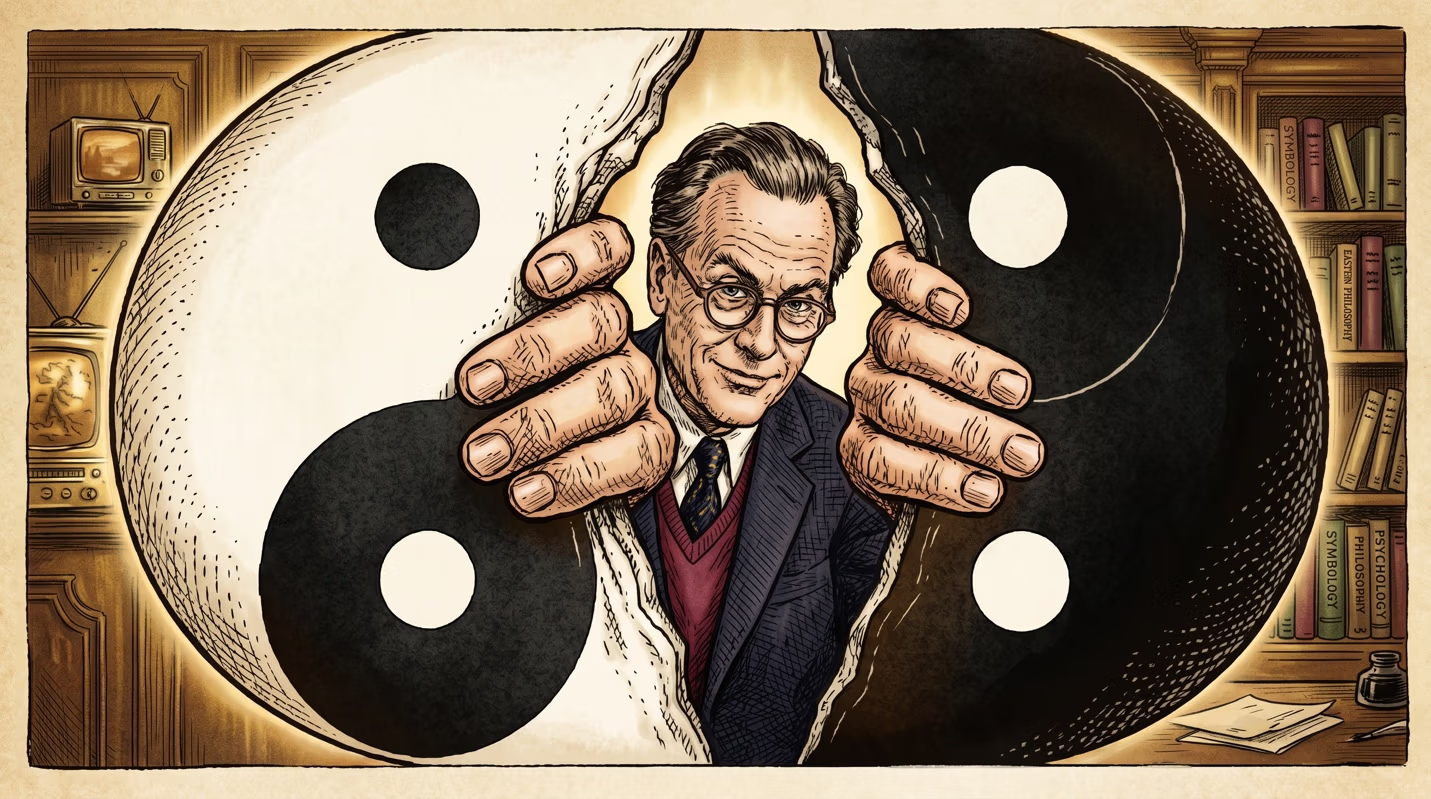
Because the dream of ordinary perception seen as the poetic process is the prime analogue, the magic casement opening on the secrets of created being.
“Catholic Humanism and Modern Letters” The McAuley Lectures: Christian Humanism in Letters, Saint Joseph College, West Hartford Connecticut,(1954),p 53, reprinted in The Medium and the Light (1999), p 153
Year: 1954
Writing is metaphor for sound. It translates, or metamorphizes the audible into the visual.
“Radio and TV vs the ABCED-Minded”, in Explorations 5, June (1955), p 16, reprinted in Marshall McLuhan Essays Media Research: Technology Art Communication, (1997), p 84
Year: 1955
Chapter:
Writing
Language is metaphor in the sense that it not only stores but translates experience from one mode into another.
“Prologue”, in The Gutenberg Galaxy : The Making of Typographic Man , (1962), p 5
Year: 1962
Objects are unobservable. Only relationships among objects are observable.
“The Hot and Cool Interview with Gerald Stearn“, in McLuhan: Hot & Cool: A Primer For The Understanding Of & A Critical Symposium With A Rebuttal By McLuhan ,(1967), p 292, reprinted in Marshall McLuhan Essays Media Research : Technology Art Communication, (1997), p 78 [This is the 2nd to last answer of the Interview]
Year: 1967
Chapter:
Complementarities
Perhaps the most precious possession of man is his abiding awareness of the analogy of proper proportionality, the key to all metaphysical insight and perhaps the very condition of consciousness itself. This analogical awareness is constituted of a perpetual play of ratios among ratios: A is to B what C is to D, which is to say that the ratio between A and B is proportioned to the ratio between C and D, there being a ratio between these ratios as well.
Through the Vanishing Point with Harley Parker (1968), p 240
Year: 1968
I don’t think concepts have any relevance in religion. Analogy is not a concept. It is resonance. It is inclusive.
Letter to James Taylor, Associate Editor of the United Church Observer, Toronto, January 15, (1969), in Letters of Marshall McLuhan, (1987) , p 362
Year: 1969
Chapter:
McLuhan on McLuhan
Analogy is not concept. It is community. It is resonance. It is inclusive. It is the cognitive process itself. That is the analogy of the divine Logos. I think of Jasper, Bergson, and Buber as very inferior conceptualist types, quite out of touch with the immediate analogical awareness that begins in the senses and is derailed by concepts or ideas.
Letter to John W. Mole, O.M.I, April 18, 1969, in The Medium and the Light, (1999), p 69
Year: 1969
“Proper analogy” is a ratio among ratios in which there are no rational connections whatever. It is like the art of consciousness itself, which is a making, not a matching.
“Innovation Is Obsolete”, in Evergreen Review, Vol. 15, No. 90, June (1971), p 48
Year: 1971
Metaphor is not something spoken but, as you yourself once put it (if I remember correctly), a metaphor is one situation seen through another.
Letter to Nathan Cervo, May 10, (1976), (Not in letters)
Year: 1976
All metaphors have four components in analogical ratio. “Cats are the crabgrass of life” presents “cats are to (my) life as crabgrass is to an otherwise beautiful lawn”.
Laws of Media: The New Science with Eric McLuhan, (1988), p 93
Year: 1988