Viewing chapter Balance (10 quotes)
This strange gap between the specialist, visual world and the integral, auditory world needs to be better understood today above all, for it contains the key to an understanding of what automation and cybernetics imply.
“Cybernation and Culture” (1966), pp 97-98
Year: 1966
Chapters:
Advice | Between Two Ages | Computer | Mastering Technology | Problem Solving | Specialism
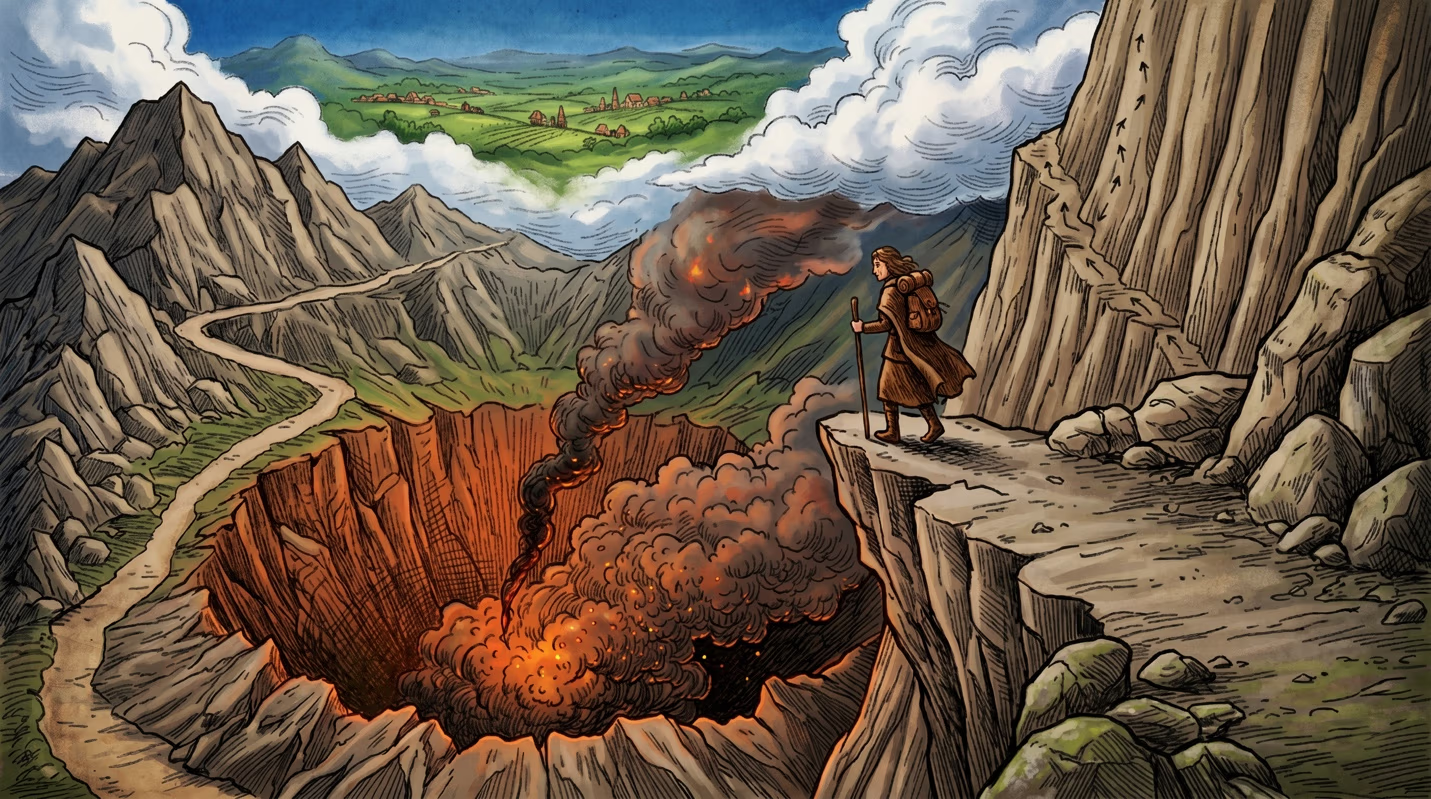
Our entire mode of thought is based on equilibrium: "Things will return tonormal," we think. But equilibrium is a principle inherited from Newton. No balance is possible at the speed of light, in economics, physics, in the Church, or wherever…
“Keys to the Electronic Revolution: First Conversation with Pierre Babin” (1977), The Medium and the Light, (1999), p 46
Year: 1977
Chapters:
Anticipating Change | Change
For it is only in such intimacy and completeness of interpersonal awareness that balance seems possible.
Counterblast (1969), p 82
Year: 1969
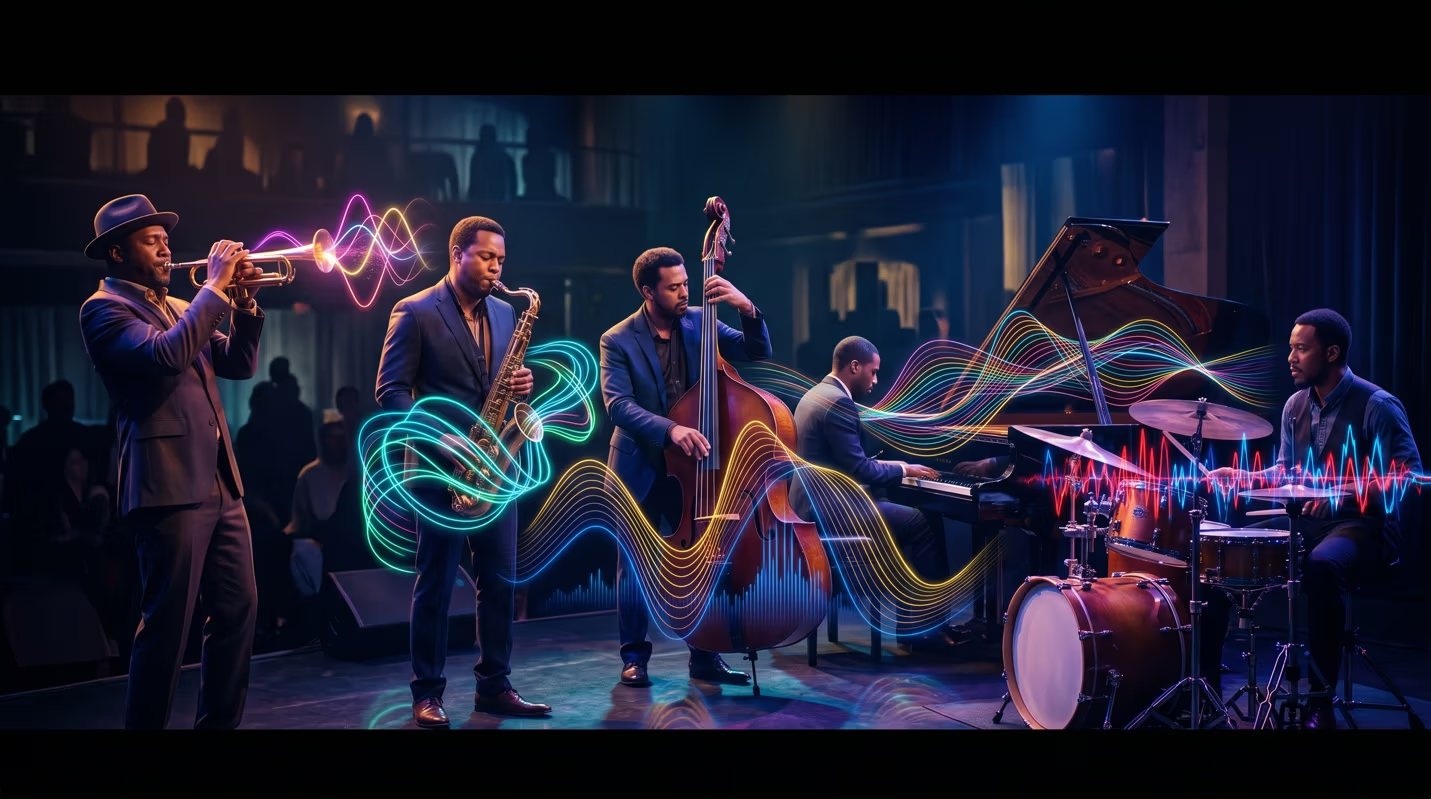
Today we can maintain visual values only if we choose to moderate the intensity of the acoustic resonance, even as we might choose to turn down the sounds of a Rock concert in order to engage in dialogue. Knowing, as we do, the constituents of both civilized and tribal cultures, of both the private, rational individual, and the corporate, mystical, tribal man, it becomes our privilege and responsibility alike to mix and harmonize these factors even as the Greeks chose to alter the Dionysian fury with Appollonian detachment.
“My Last 3 Books,” undated, unpublished essay circa 1973-1976, typescript, p 8
Year: 1973
Chapter:
Harmony
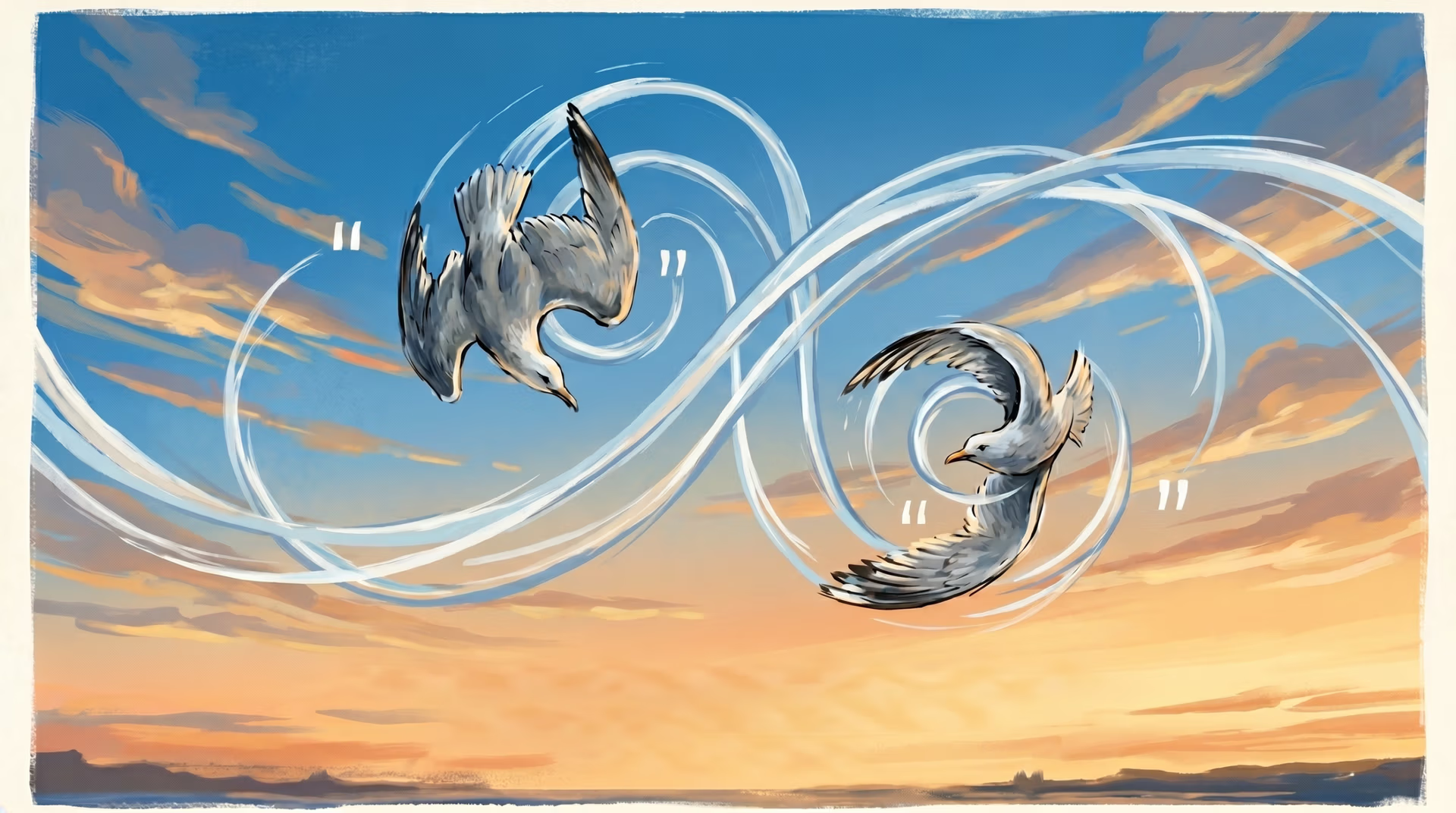
Printing upset the balance of oral and written speech; photography upset the balance of ear and eye.
“Five Sovereign Fingers Taxed the Breath”, in Shenandoah The Washington And Lee University Review, Vol.VII, No. 1, Autumn (1955), p 51, reprinted in Explorations4, (1955), p 32, Explorations in communication: an anthology (1960), p 208
Year: 1955
Chapter:
Print
The recognition that survival now depends upon an ecological balance of all factors simultaneously, in a deep sense makes Western man “obsolete.”
Contribution to On Growth, 1974, p 77
Year: 1974
But the TV image is the first technology by which man has outered his haptic, or tactile, powers. Its effects, therefore, on the balance or ratio among our senses. Since at all times consciousness involves a ratio among the senses, any alteration of intensity in any of our senses causes an immediate "closure" or completion of pattern. Such new "closure" or completion is, in fact, a new posture of mind charged with new preferences and desires, as well as with new patterns of perception.
“The TV Image: One of Our Conquerors,” February 22, 1962, in Letters of Marshall McLuhan (1987) p 286
Year: 1962
Chapter:
Television

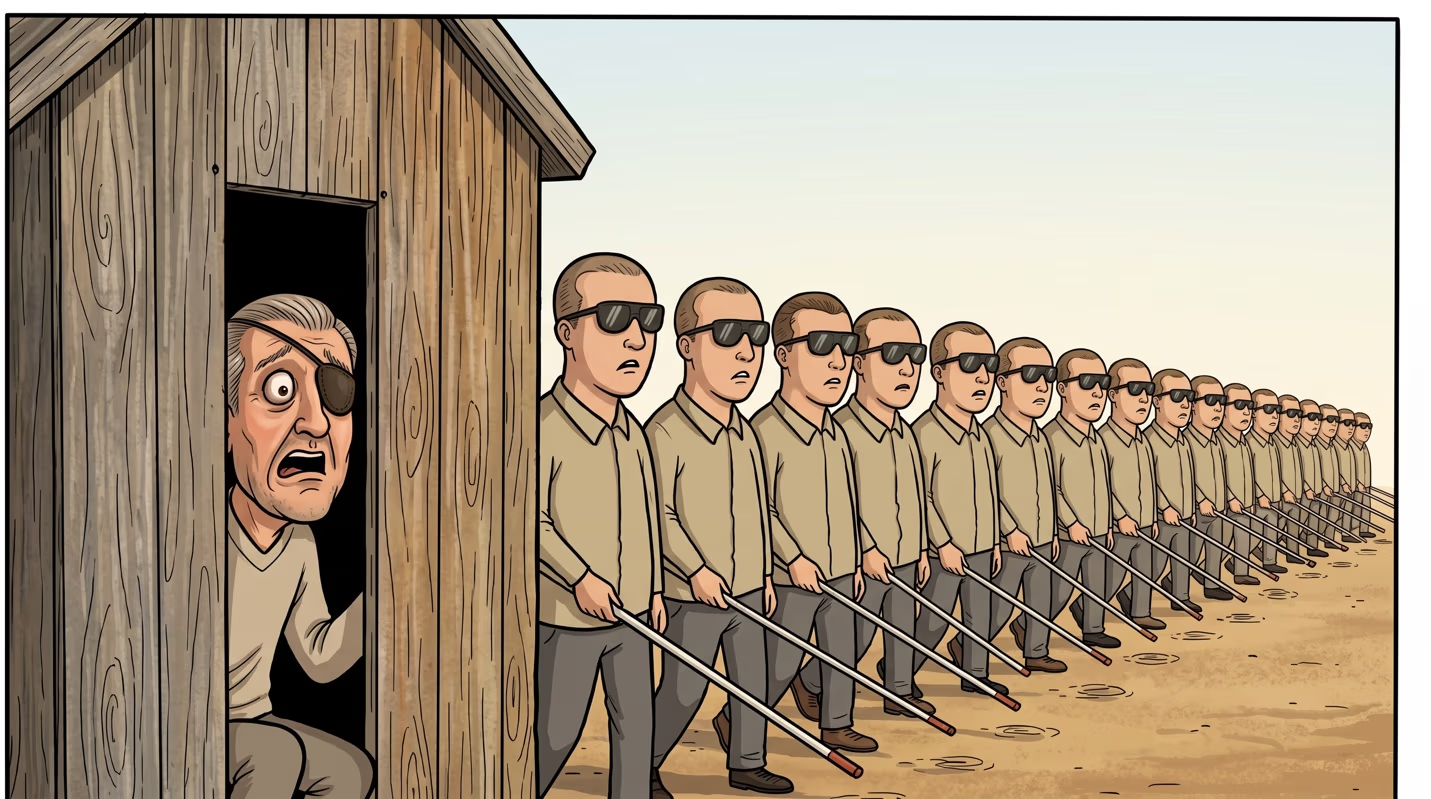
It [the alphabet] divorced the visual function from the interplay with the other senses and thus led to the rejection from consciousness of vital areas of our sensory experience and to the resultant atrophy of the unconscious. The balance of the sensorium — or Gestalt interplay of all the senses — and the psychic and social harmony it engendered was disrupted, and the visual function was overdeveloped. This was true of no other writing system”
Playboy Interview, 1969, in The Essential McLuhan, 1995, p 241 [confirm]
Year: 1969
Chapter:
Alphabet
It is always the psychic and social grounds, brought into play by each medium or technology, that readjust the balance of the hemispheres and of human sensibilities into equilibrium with those grounds.
Laws of Media: The New Science with Eric McLuhan, (1988), p 82
Year: 1988
Chapter:
Figure/Ground
I think that if we are to have a constitutional order and balance among these new oligarchs [new media], we shall have to study their configurations, their psychodynamics, and their long-term messages. To treat them as humble servants (audiovisual aids) of our established conventions would be as fatal as to use an X-ray unit as a space heater.
“Electronic Revolution”, 1959 speech, in Understanding Me (2003), p 4
Year: 1959
Chapter:
Media Study