Viewing chapter Body Language (14 quotes)
Harvey Shands, psychologist, answers “no” to the question, “Is the mind in the brain?”
It’s in the whole body at once.
The widely distributed first-draft Laws of the Media, with Eric McLuhan (1975), p 267
Year: 1975
Chapter:
Body
For in the beginning was the gesture… And the comic strip is the world of gesture, as the author of Mandrake the Magician knows very well.
“The Comics and Culture” (1953), in On the Nature of Media (2016), p 32
Year: 1953
Chapters:
Cartoons, Comics | Graphic Communication
The analogical relation between exterior posture and gesture and the interior movements and dispositions of the mind is the irreducible basis of drama. In the Wake this appears everywhere.
“James Joyce: Trivial and Quadrivial” Thought: Fordham University Quarterly, Vol. 28, No 1, (1953), in The Interior Landscape (1969), p 33
Year: 1953
Chapter:
Joyce, James
In the computer age, speech yields to macrocosmic gesticulation or the direct interface of total cultures. The silent movies began this move.
Counterblast (1969), p 13
Year: 1969
Chapter:
After Language
Our time has discovered that there is a language of Forms and Gestures – a language which has its own grammar and syntax…. Darwin’s concern was with the non-verbal attitudes and postures, noting that: “…with mankind hardly any expression is more general than a widely open mouth under the sense of astonishment.”
Preface to You and Others: An Introduction to Interpersonal Communication (1975), opening paragraph
Year: 1975
I am fascinated by your suggestion…of the possibility of a non-verbal language of macroscopic gesticulation, an interface of entire cultures.
Letter to I.A. Richards, July 12, 1968, in Letters of Marshall McLuhan (1987), p 355
Year: 1968
Chapters:
After Language | Cartoons, Comics
All cultural situations are composed of an area of attention (figure) and a very much larger area of inattention (ground). The two are in a continual state of abrasive interplay, with an outline or boundary or interval between them that serves to define both simultaneously. For example, at a lecture attention will shift from the speaker's words to his gestures, to the hum of the lighting or street sounds, or to the feel of the chair or a memory or association or smell, each new figure alternately displacing the others into ground.
The Global Village with Bruce Powers, 1989, p 5
Year: 1989
Chapters:
Advice | Figure/Ground
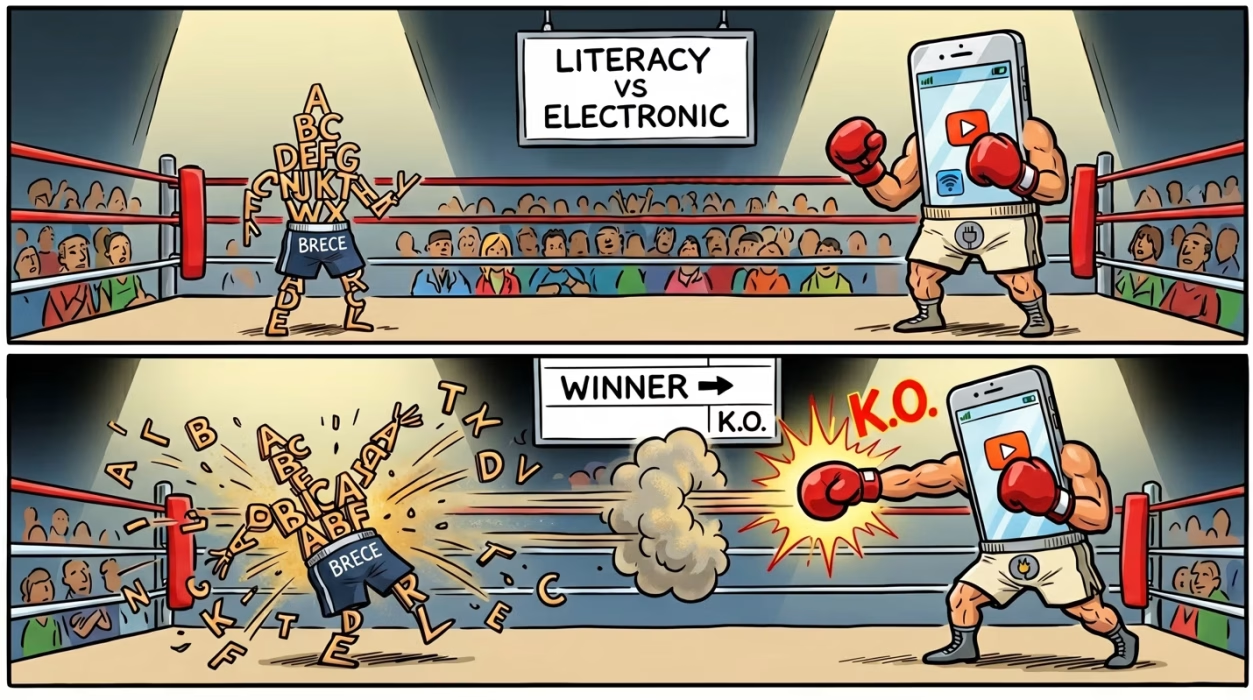
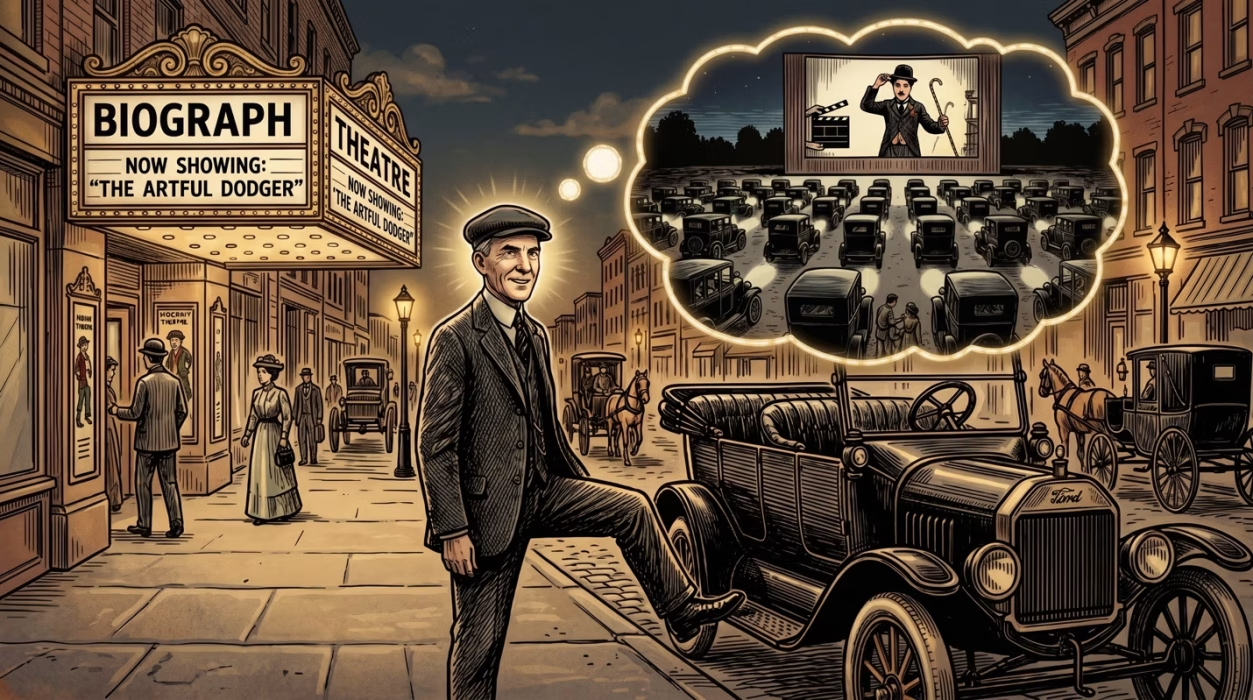
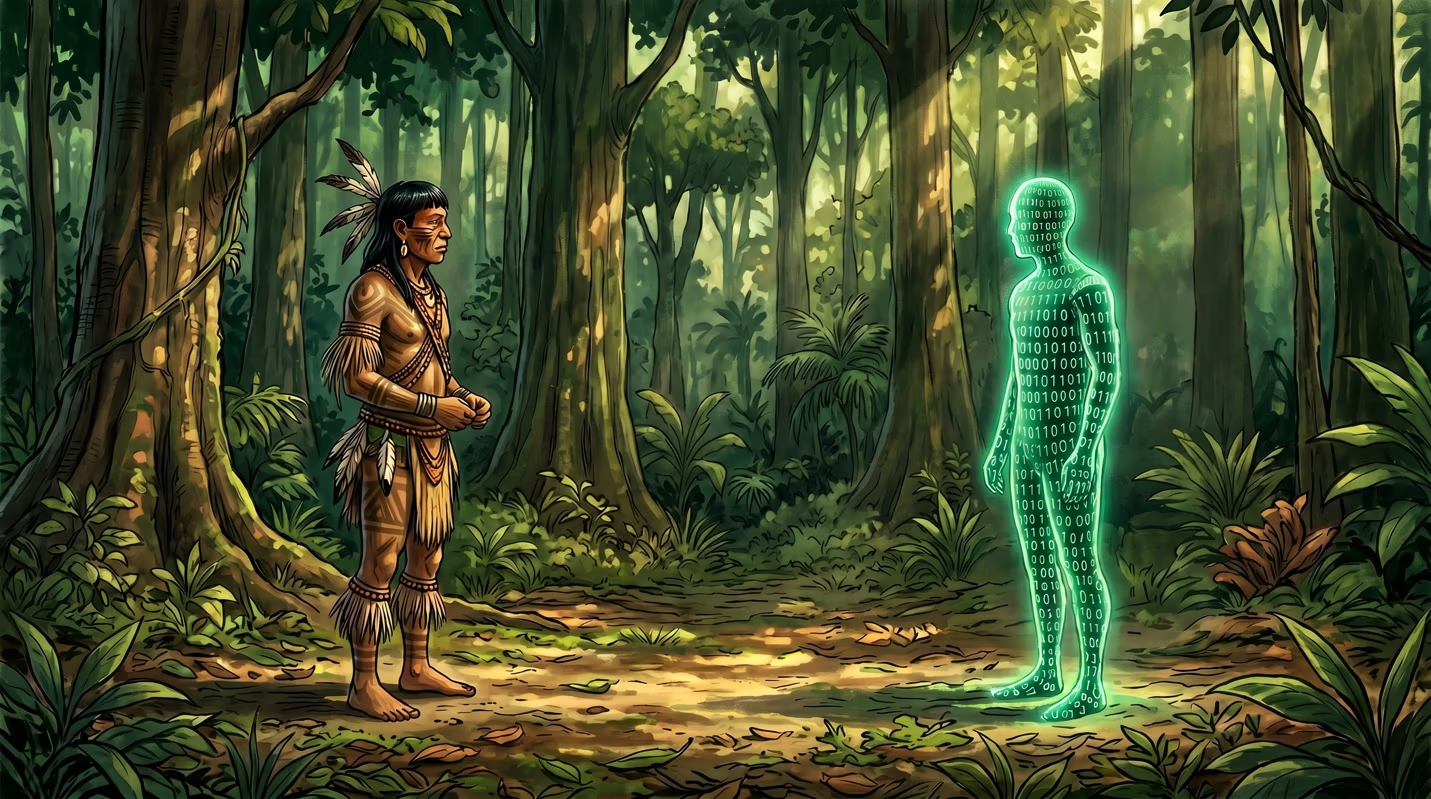
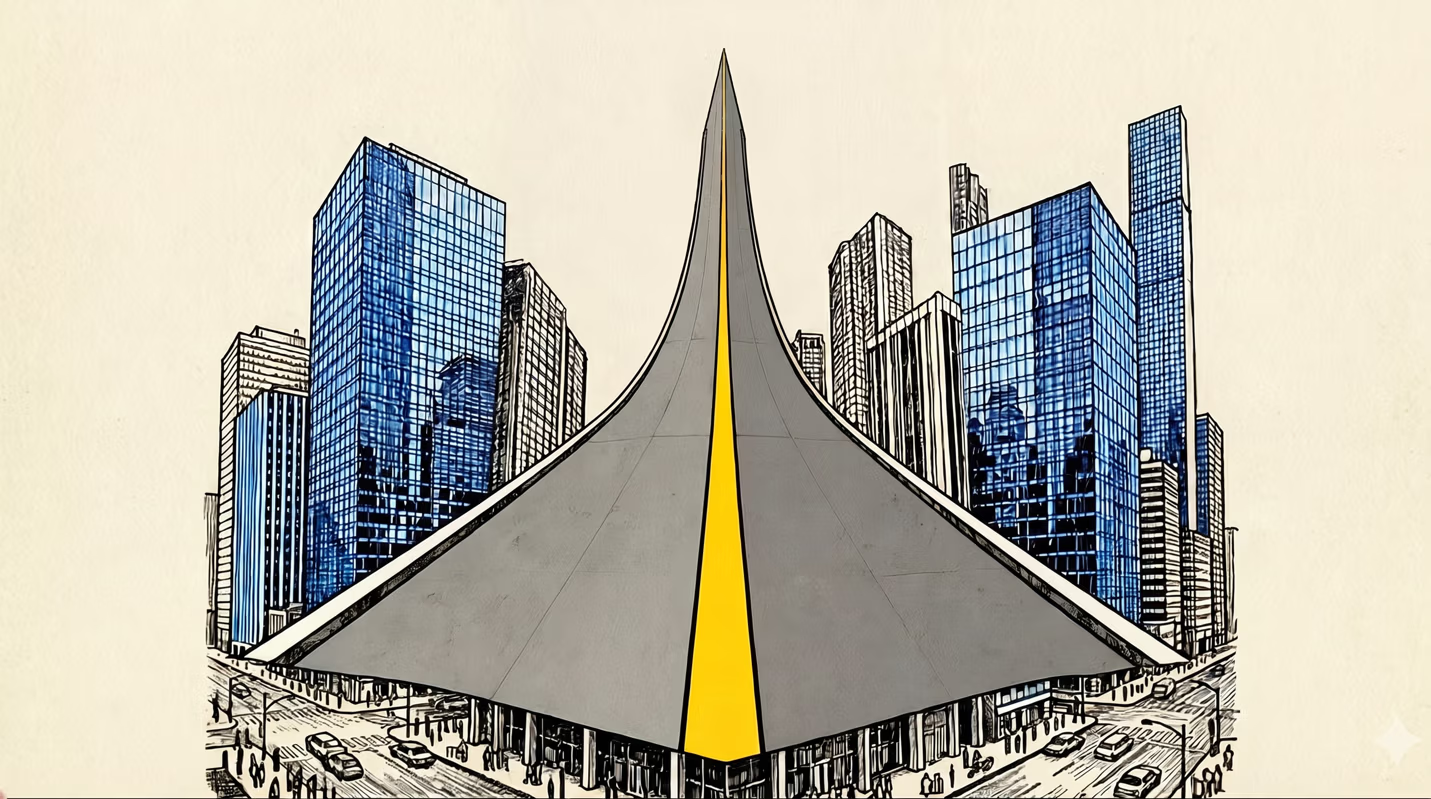
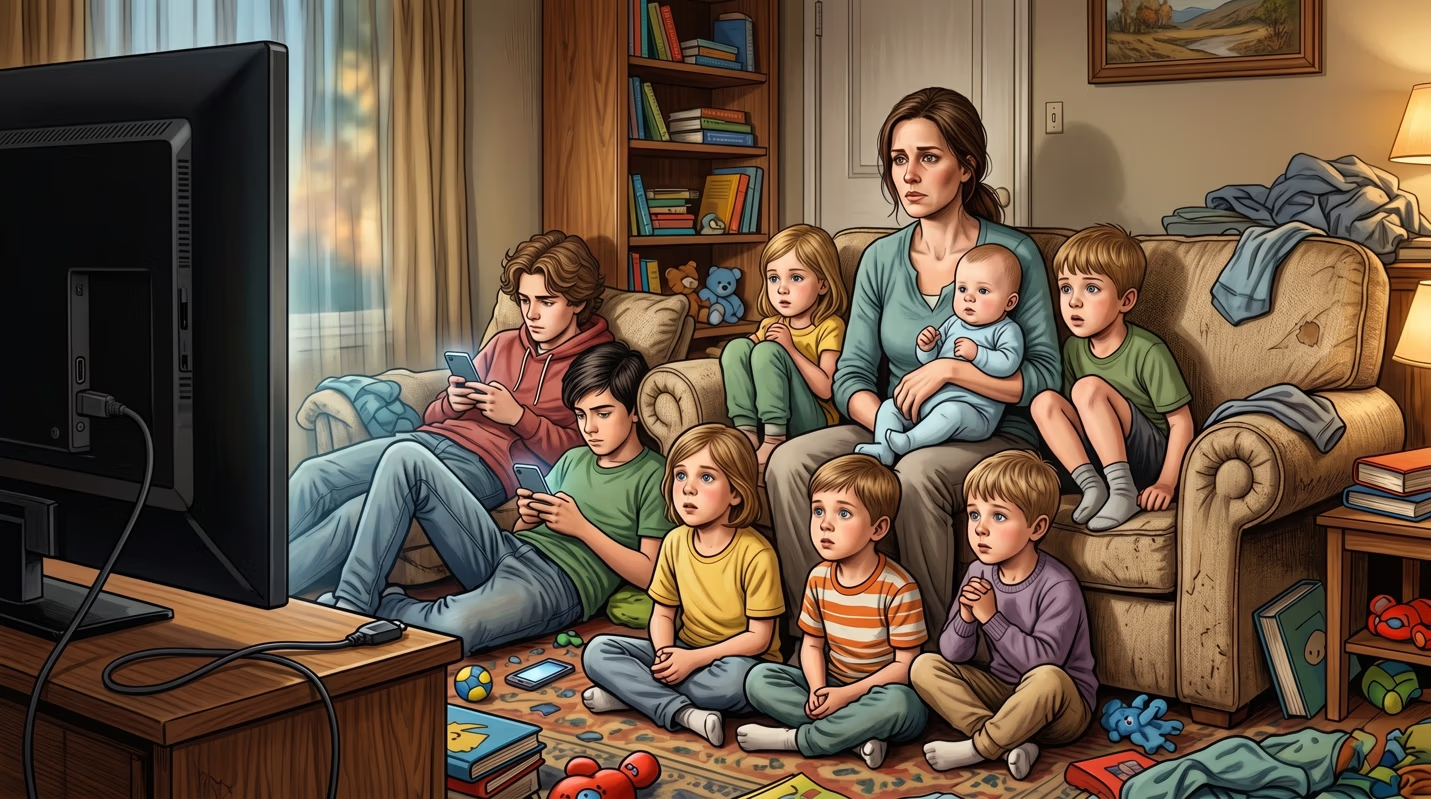
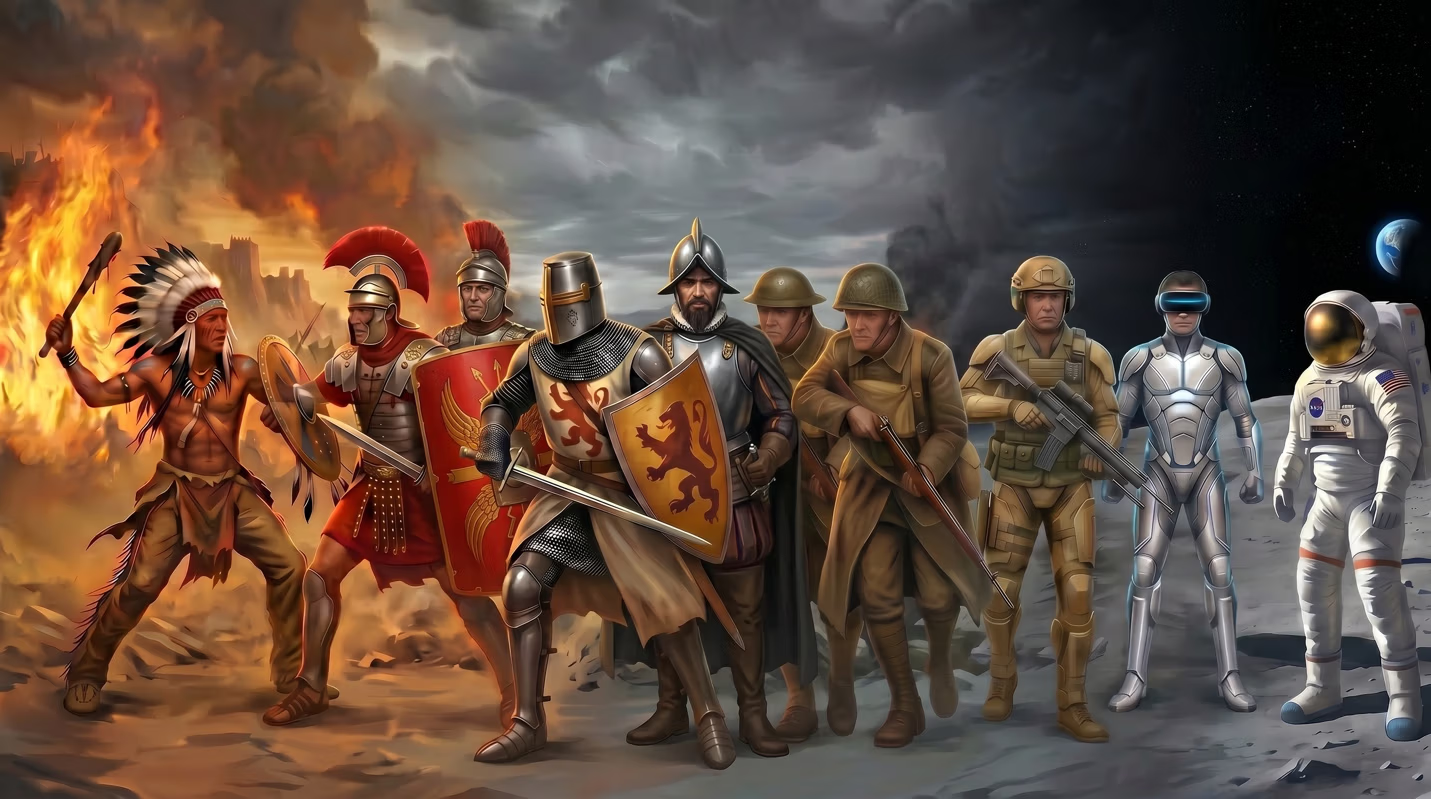
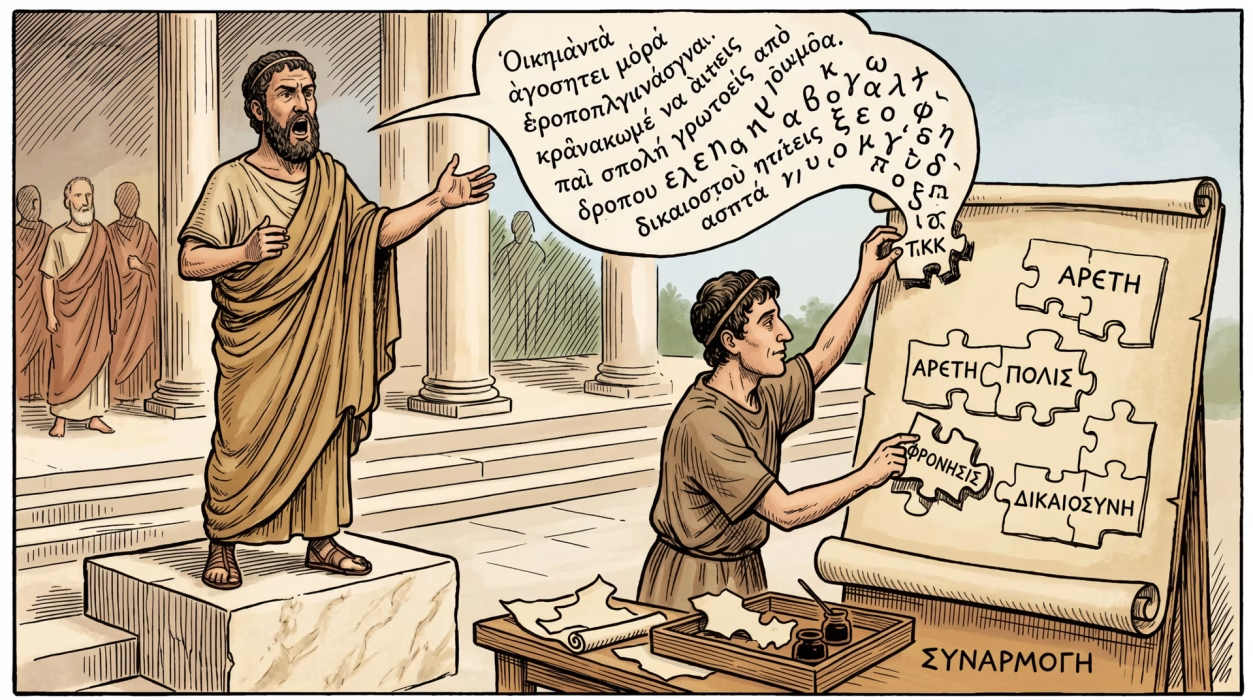

The age of the photograph has become the age of gesture and mime and dance , as no other age has ever been.
Understanding Media (1964), MIT/Routledge edition, p 174
Year: 1964
Chaplin chose only a small group of items: the costume of the middle-class nobody, the hidden gestures of the music-hall entertainer, the romantic outlook of Cyrano, the unlovable lover, and the foot positions of classical ballet.”
From Cliché to Archetype, with Wilfred Watson, 1970, p 203
Year: 1970
Chapter:
Movies
The analogical relation between exterior posture and gesture and the interior movements and dispositions of the mind is the irreducible basis of drama. In the Wake this appears everywhere.”
“James Joyce Trivial and Quadrivial”, 1953, in The Interior Landscape (1969), p 33
Year: 1953
Chapter:
Joyce, James
The printed page in rendering the language of the face and gesture illegible has also caused the abstract media of printed words to become the main bridge for the inter-awareness of spiritual and mental states.
“Culture without Literacy”, in Explorations #1, December (1953), p 122-123 reprinted in Essential McLuhan, (1995), p 308, additional reprint in Media Research Technology, Art and Communication (1997), p 132, and McLuhan Unbound #6, (2017)
Year: 1953
Chapters:
Book | Predictions
Our time has discovered that there is a language of Forms and Gestures – a language which has its own grammar and syntax…. Darwin’s concern was with the non-verbal attitudes and postures, noting that: “…with mankind hardly any expression is more general than a widely open mouth under the sense of astonishment.”
Preface to You and Others: An Introduction to Interpersonal Communication, 1975, first paragraph
Year: 1975
Statement without syntax or verbalization was really statement by gesture, by mime, and by g_e_s_t_a_l_t_._ _This new dimension opened for human inspection by poets like Baudelaire and Rimbaud l_e_ _p_a_y_s_a_g_e_ _i_n_t_ér_i_e_u_r_,_ _or the countries of the mind.
Understanding Media (1964), MIT/Routledge edition, p 201
Year: 1964
Chapters:
After Language | Photography
The Chinese never had an alphabet, but their ideograms are pictorial translations of human gestures and relationships. As our press has become more pictorial our whole culture has become more sympathetic to Chinese art and expression. So that the very features of our culture which have intruded disruptively into the East have also brought us a basis for approaching their kind of communication.
“New Media and Political Change”, in International Journal, Vol.7, No. 3, Summer (1952) p 192
Year: 1952