Viewing chapter Causality (28 quotes)
“The chicken was the egg’s idea for getting more eggs.”
Samuel Butler
“2 of Diamonds”, in the Dewline deck (1969)
Year: 1969
New means create new goals and erase old ones. During speed-up means and goals merge in process.
Take Today with Barrington Nevitt (1972), p 194
Year: 1972
Chapters:
Mastering Technology | McLuhanisms & Zingers
I am not here engaged in trying to prove a materialist determinism of historical change, since the very idea of determinism, of lineal cause and effect, supposes a continuity and connectedness that never existed in any historical situation.
“The Hidden Information Environment”, Address to American Assembly of Collegiate Schools of Business, Toronto, April 15, (1977), Typescript printed in AACSB Bulletin, Vol 13, No 4, (1977) p 25
Year: 1977
Chapter:
McLuhan on McLuhan
Causae ad invicem sunt causae (“Causes that create the causes”)
Epigraph below the title, “Bulls Eye Cows Eye,” unpublished typescript on the user-as-content, dated February 3, 1971
Year: 1971
At the present time, one of the effects that is heaped up a mile high for which no cause has yet appeared, but a cause will shortly appear, is anti-gravity. We have an enormous amount of anti-gravitational effect and activity - helicopters, airplanes, and astronauts - but we don’t have the cause; we just have the effects. Within our lifetimes or your lifetimes, the cause of anti-gravity, a simple gimmick, will present itself, and all things will levitate instantly. The problem will be how to hold things down on the ground. But this is obvious, as obvious as your being there or my being here. The effects are here. The causes will be here shortly.
"Living at the speed of light", in Understanding Me (2003), p 240
Year: 2003
Chapter:
Predictions
Moreover, in a simultaneous world which structures information at the speed of light, effects are simultaneous with their causes, or in a sense "precede" their causes. Even in the most mundane matters, we say that "the time was ripe" when something drastic happens, that is, the effects arrive before the causes.”
Letter to James W. Carey, March 25, 1974, in Letters, p 491
Year: 1974
Chapter:
Simultaneity
When processes moved up to electric speeds, it became obvious that “everything causes everything” – that for every cause there are many effects, just as every effect has many causes.
“The Almighty User”, in Chicago Sunday Sun-Times, Midwest Magazine, May 23, 1972, p 28
Year: 1972


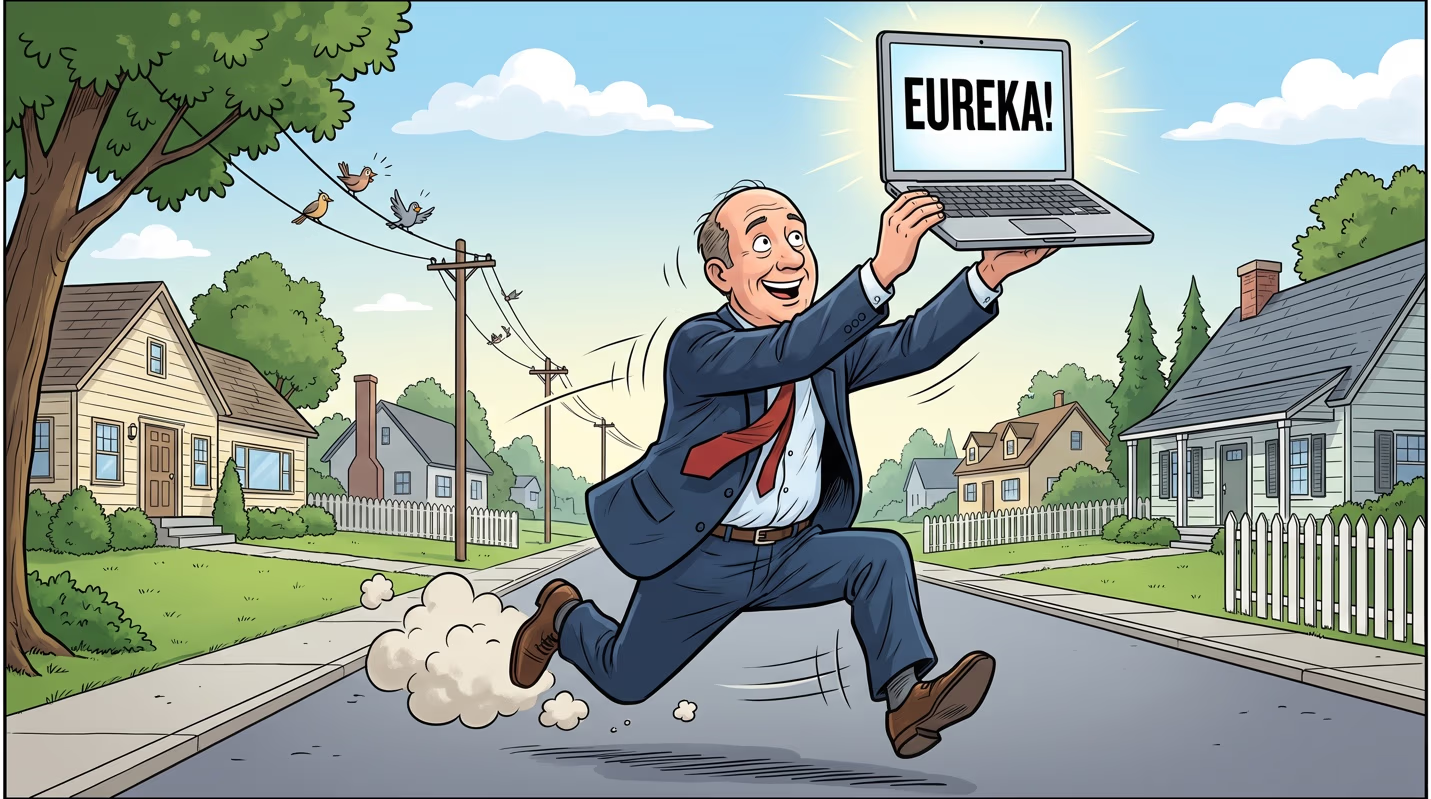
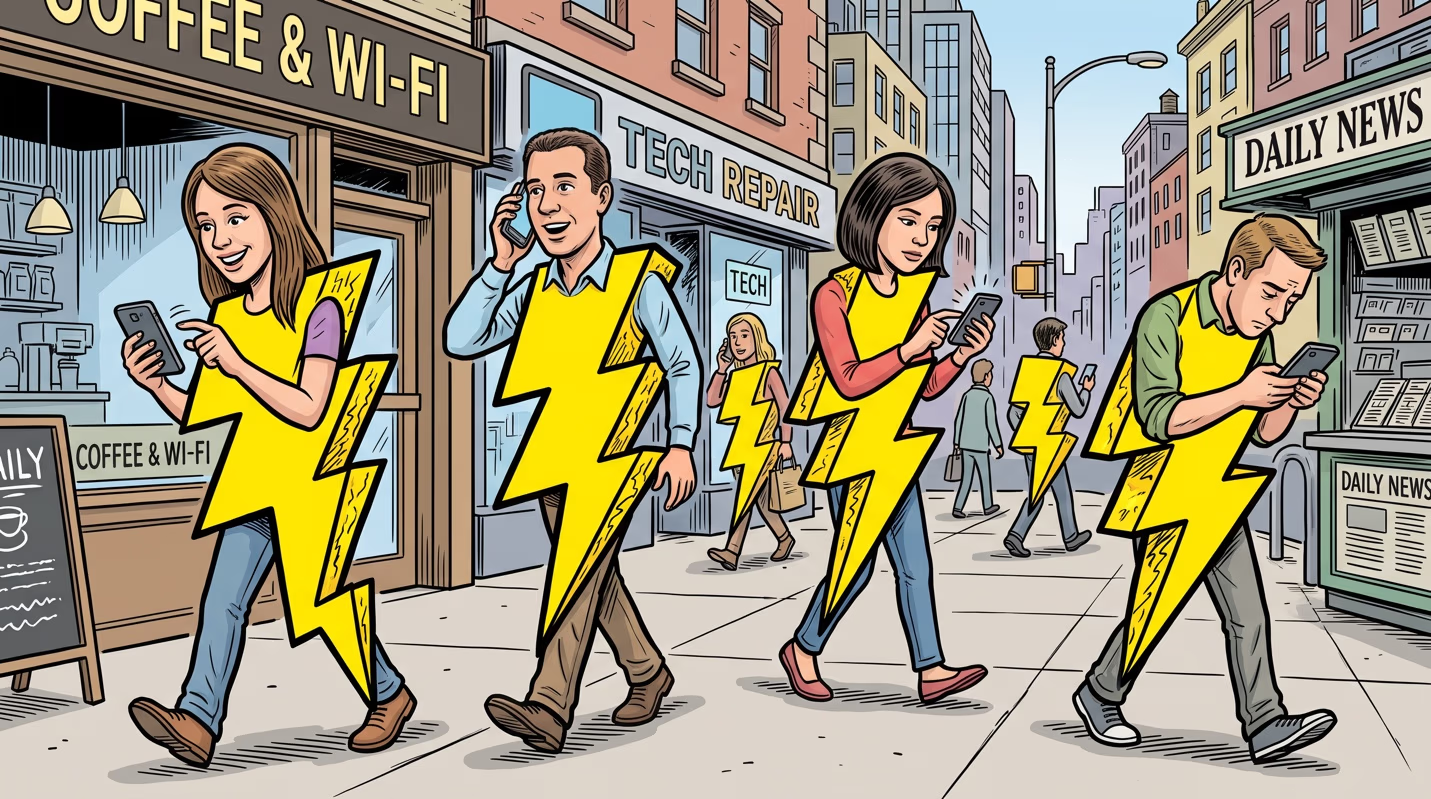


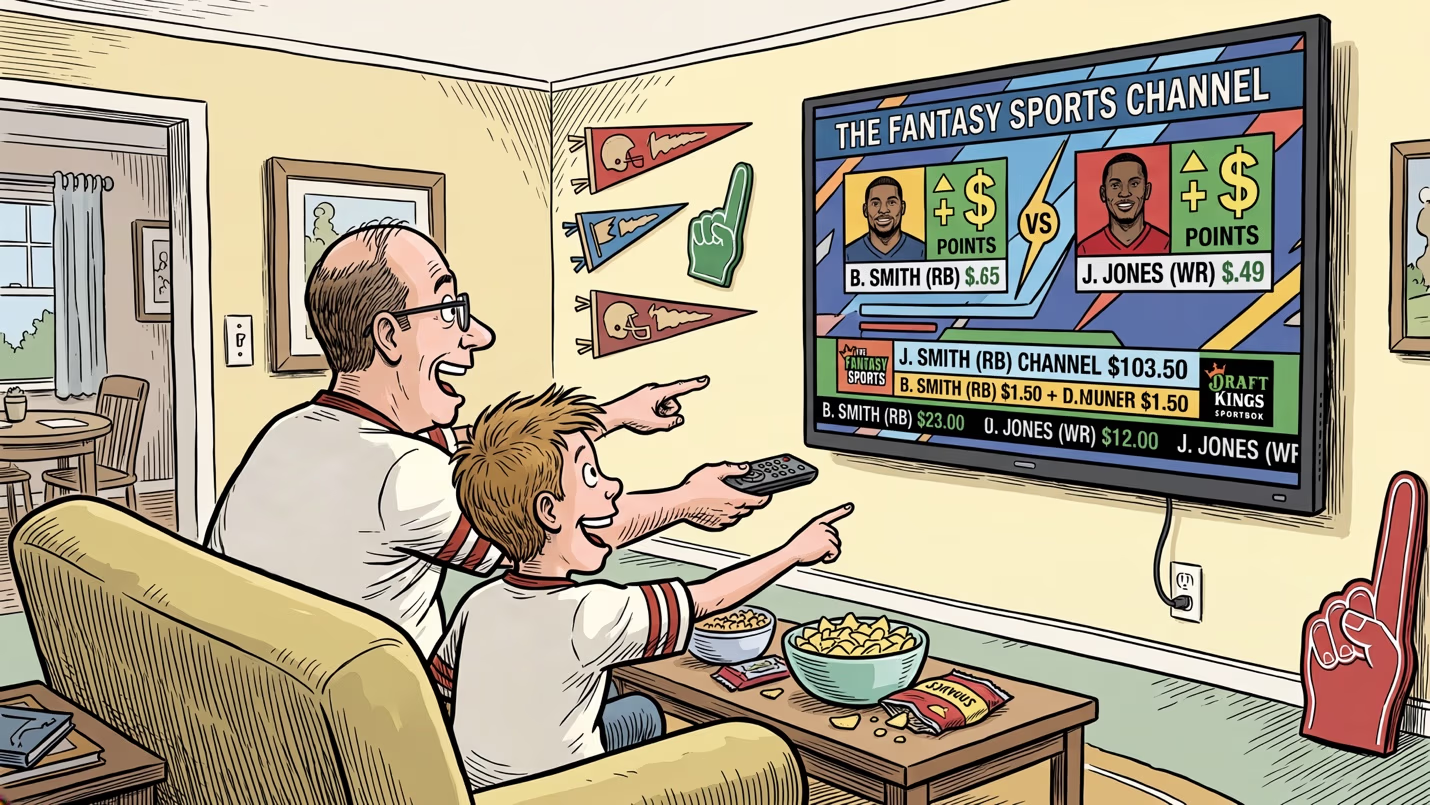
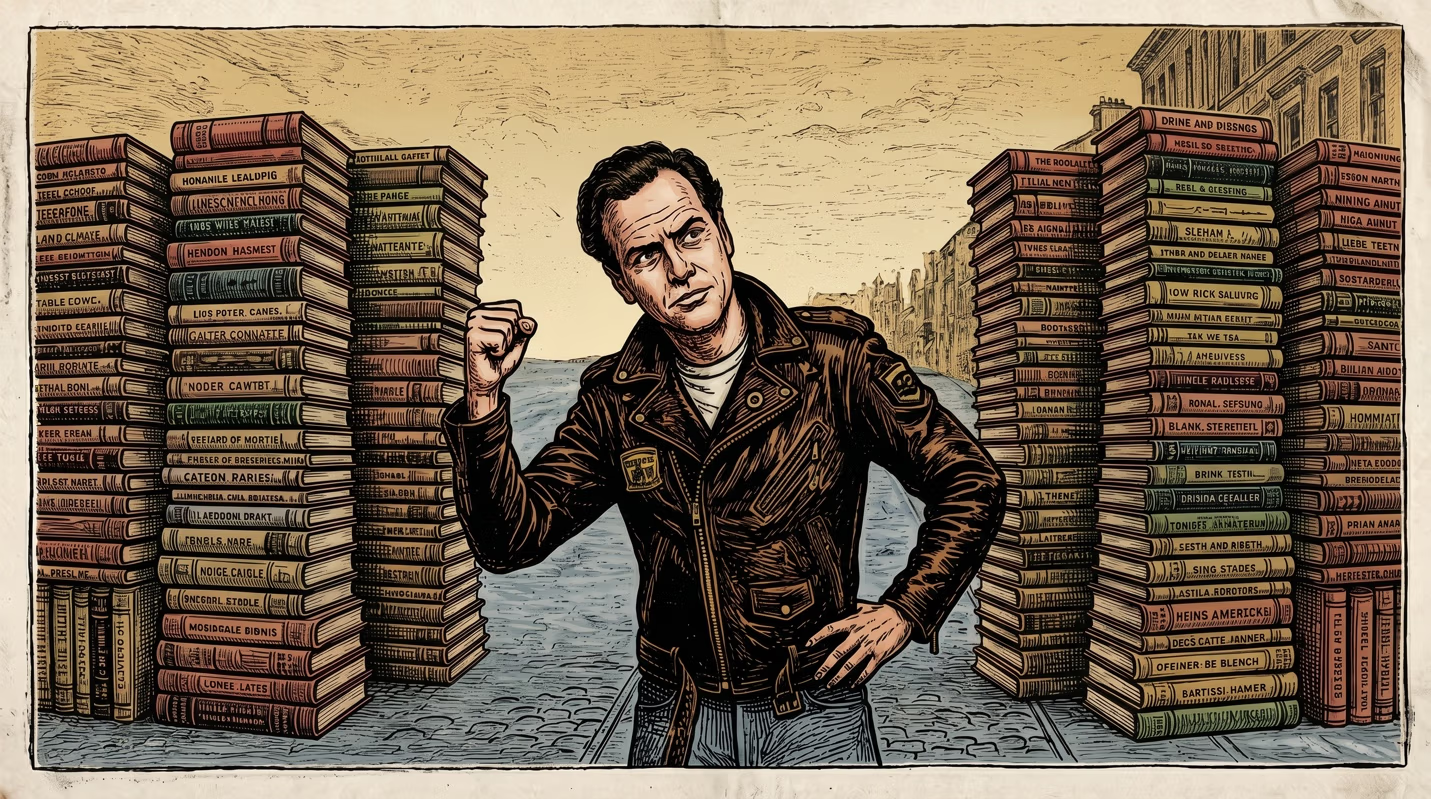
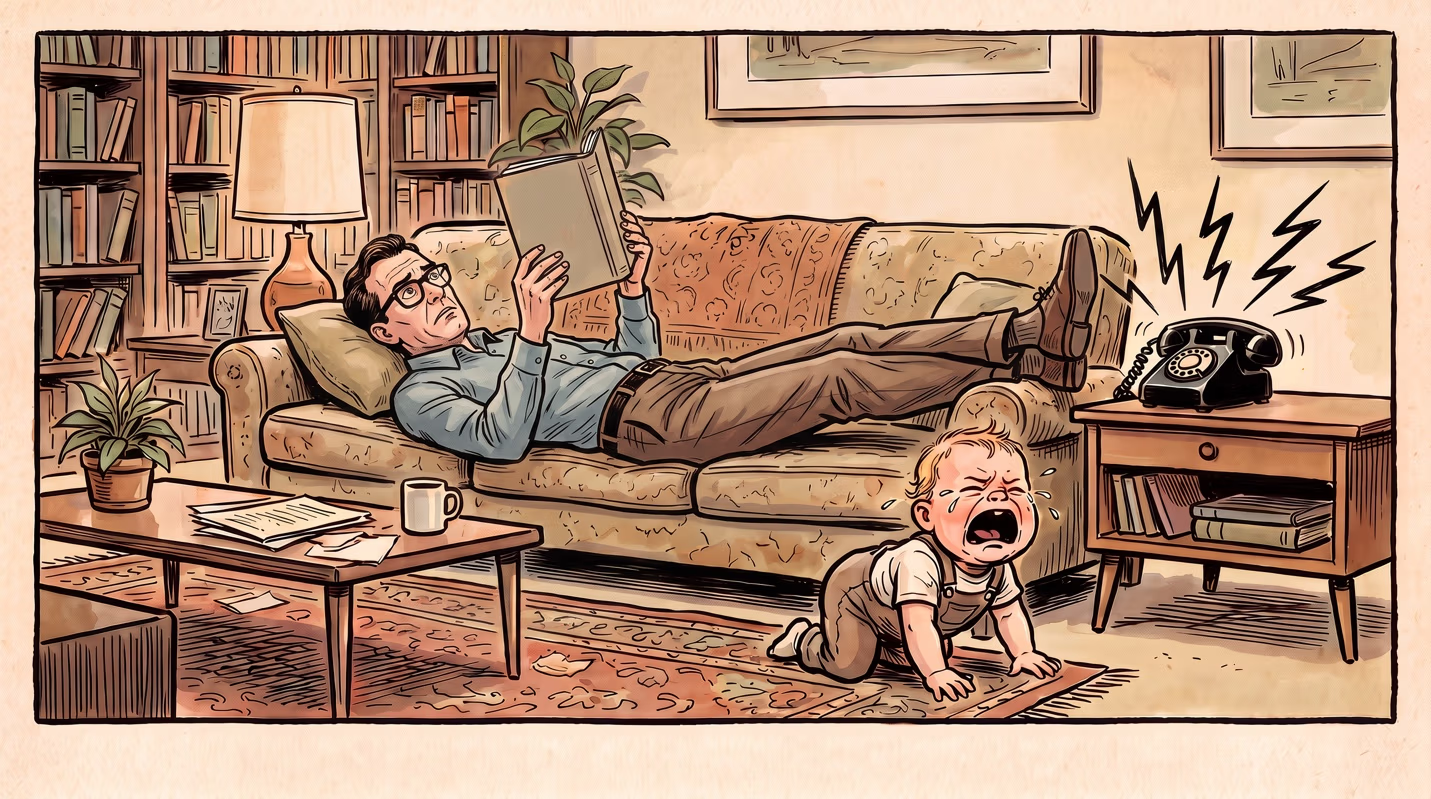
…let me report two major breakthroughs which I have written about in a short essay on Causality for Melvin Kransberg. The essay has created a peculiar problem for Kransberg, by the way. Perhaps you can help here, too. He sent it out to several of his editors and friends for comments by way of creating a symposium…. The theme of our essay on Causality [written with Barrington Nevitt] is quite simply that effects precede causes. Except to the visually lineal man of hardware industrial background, this proposition is self evident, but it happens to be true of any form of hardware as well as more cultural things. The effects of the telephone became environmentally felt long before the instrument of the telephone was invented and this is equally true of the steam engine and the motor car and the airplane.
Letter to Ruth Nanda Anshen, January 26, 1972 (LAC)
Year: 1972
There is a celebrated limerick on the subject of life in the electric age. It was made, I’ve heard, by biologist Buller of the University of Manitoba. It goes:
There was a young lady name Bright Who moved with the quickness of light She went out one day In a relative way And returned the previous night.
Professor Buller did not invent electricity, nor did he create the problems that attend the angelic Miss Bright, who still moves at electric speed, namely the speed of light. McLuhan and Nevitt did not invent the telegraph or radio or telephone or television, all of which enable the population of the world to behave exactly in the instantly relative manner of the irrepressible Miss Bright.
“The Electric Age”, letter by McLuhan to the Editor of Globe and Mail, 1972, published on an unnumbered page
Year: 1972
Lewis Carroll makes inventories of effects as causes that relate modes of dynamic perception. They are neither definitions of concepts nor expressions of opinion, since all patterns of perception merge and metamorphose in the very act of exploration and discovery. They avoid value judgments, and serve as guides to insight and to comprehension through re-cognition of the dynamic structures that occur in all processes. In replaying such patterns we are not taking any side but many sides, also the inside.
“Symposium: Causality, the Argument in an Electric World” (1973), in McLuhan Unbound (2003), p 30
Year: 1973
Chapter:
Probe
There is a strange property about innovation and change that can be stated by saying that the effects tend to precede the causes. Another way of putting it is to say that the ground tends to come before the future. In a recent issue of Scientific American (March, 1973), the piece on “Bicycle Technology” explains how “the bicycle quite literally paved the way for the automobile.”
“Reading and the Future of Private Identity” (1973), typescript, p 7
Year: 1973
More and more I feel compelled to consider causation as following from effects. That is, the effects of the telegraph created an environment of information that made the telephone a perfectly natural development. In a certain sense, therefore, the effects of the telephone provided the invention of the actual hardware instrument. This, of course, is non-lineal, non-sequential causality. In fact, it suggests that causes and effects are simultaneous, if anything.
Letter to anthropologist Ashley Montagu, October 22, 1971, in Letters of Marshall McLuhan (1987), p 446
Year: 1971
The effect always comes before the cause, i.e., the ground arrives before the figure. That is why we say “The time is right” when large events take place.
Letter to Gerry Agel, March 27, 1978 [not in Letters]
Year: 1978
Today, as causes and effects merge instantaneously, the new common ground is neither container nor category, but the vastness of space via media.
“Symposium” (1973), p 111
Year: 1973
The imagery of dreams changes when the dreamer has had some physical changes himself (e.g., broken bones, etc.).
Page of one-liners sent to Gerald Feigen, circa 1970
Year: 1970
ESP is old hat when effects precede causes.
Take Today: the executive as dropout with Barrington Nevitt (1972), p 193
Year: 1972
…many of the effects of the telephone had been anticipated by the general speedup of information that centered in the telegraph. The effects of “wireless” were anticipated by earlier technologies of wire and cable. Road traffic had been steadily accelerating before the advent of the railroad. A general environmental speedup preceded the development of the airways. The new effects through new uses of any innovation are realized only after it becomes obsolescent through fresh innovation.
“Symposium” (1973), p 10
Year: 1973
In Four Quartets T.S. Eliot studies effects as causes: "in my end is my beginning." And Wyndham Lewis noted that "The artist is engaged in writing a detailed history of the future because, 'older than the fish' he alone can live in the inclusive present."
Letter to The Listener, October 8, 1971, in Letters of Marshall McLuhan (1987), p 442
Year: 1971
[That the effects come first] This is true in all social situations. It’s true of the motorcar. The effects of the motorcar came long before the motorcar. The speeded-up transportation came with the bicycle, pneumatic tires, and smooth roads. Until these existed, there was no question about having a motorcar. The effect of the motorcar came before the cause, which is the car itself.
David Sohn interview (1978), p 18
Year: 1978
Effects are Perceived, Whereas Causes Are Conceived.
“The Argument: Causality in the Electric World”, in Technology and Culture, Vol.14, No. 1, January (1973), p 11, reprinted in McLuhan Unbound # 3, (2005), p 19
Year: 1973
The meaning of “causality” is determined, not by definition as an isolated figure, but by what it does in re-cognizing process patterns in the ground of existence.
“The Argument: Causality in the Electric World”, in Technology and Culture, Vol.14, No. 1, January (1973), p 6, reprinted in McLuhan Unbound # 3, (2005), p 12
Year: 1973
Just as there was nobody in the ancient classical world to notice the effects of the phonetic alphabet and papyrus on the human psyche and social organization, so there was nobody at the council of Trent who noted that it was the form of printing that imposed a totally new formal causality on human consciousness.
Letter to Robert J. Leuver, July 30, 1969, Letters of Marshall McLuhan (1987), p 385
Year: 1969
Cause and effect also become simultaneous to human awareness, conferring once more a mythic dimension on consciousness.
“The Electronic Age – The Age of Implosion” 1960, in Media Research (1997), p 21
Year: 1960
Without the white man, there would only be people. And, whereas black is not a color, white is all the colors at once. This is a mysterious physical fact to which the present author does not pretend to provide any adequate comments. The implications seem to be vast.
“Media and the Making of the Midwest” (1969), p 16.
Year: 1969
Chapter:
Paradox
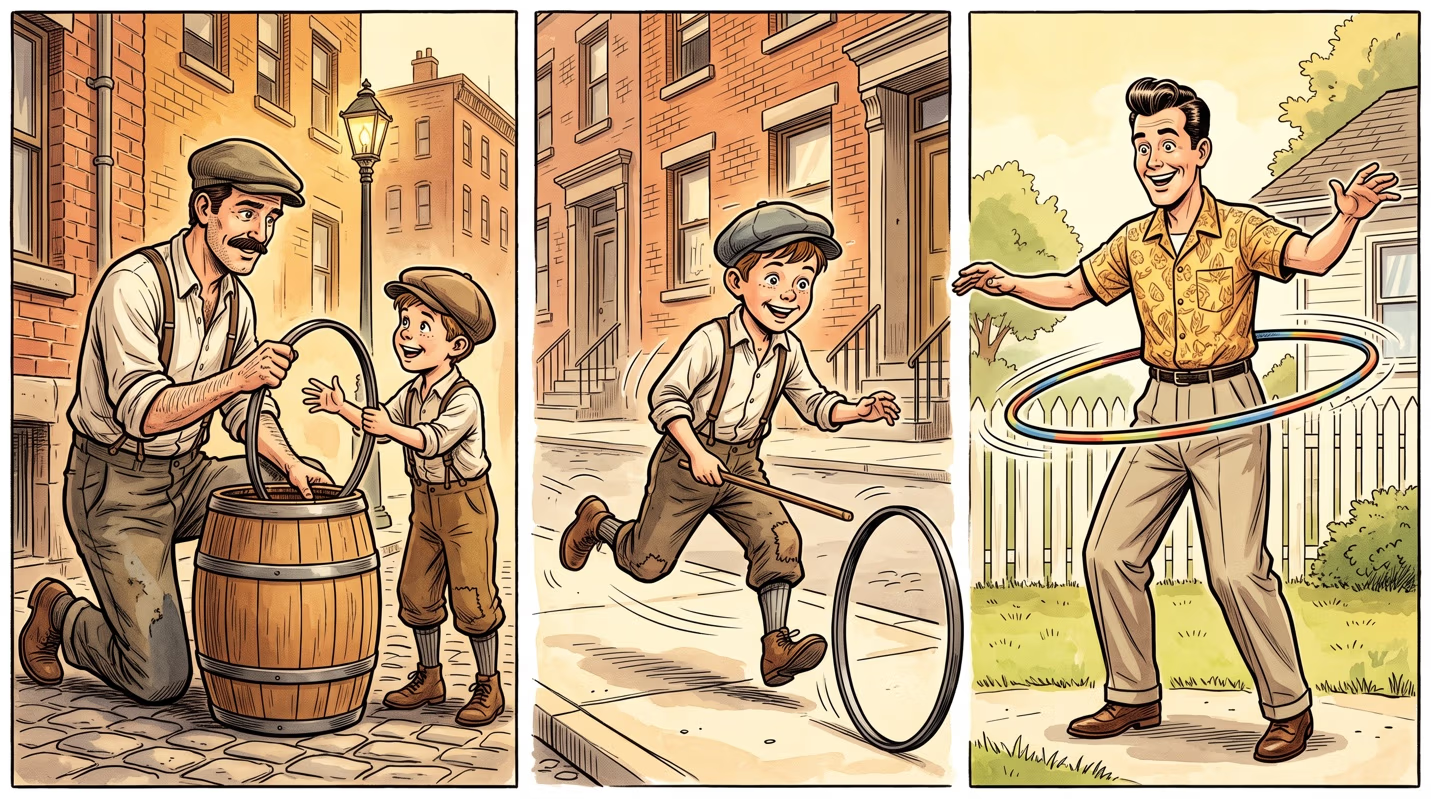
Now every medium starts off by exaggerating something that we all have before finally flipping into the opposite of itself. The motorcar flipped into an airplane, but first came the bicycle. The Wright brothers were bicycle men. The gyroscopic principle of the bicycle made possible the airplane. The hula hoop arrived just before the mini-skirt; the hula hoop was a tribal dance which preceded the tribal costume. The effects come first; the cause is later. The laws of the media I simply mention in passing; I could spend a long time on them because they are at least a hope that we can reduce this confusion to some sort of order.
“Living in an Acoustic World”, in Public Lecture at the University of South Florida, 1970, “McLuhan Speaks” transcript, p 11-12
Year: 1970
In The Savage Mind Levi-Strauss discusses the pervasive feeling of non-visual cultures that every kind of change affects everything else, adding that this kind of awareness is pure paranoia.
“Violence of the Media” (1976), p 10
Year: 1976
As the consequences of change accelerate, on the other hand, it is easier to discern causes. Another paradox of our time is the avid pursuit of a theory of change. Interest in formal causality seems to have declined after the sixteenth century, as did interest in analogy. But the artist picked up this interest where the philosophers left off and has always insisted on the formal (not just the efficient) causality of artefacts whether of individual or collective origin. (The Marxist claim to a theory of change may well be its major attraction in the West.)
“Around the World, Around the Clock (review of The Image Industries by William Lynch, S.J.-ed.)”, in Renascence Magazine, volume 12, No.4, Summer, 1960, p 205
Year: 1960
That's how I prophesy. I look around at the effects and say: well, the causes will soon be here.
“Advertising is: making someone ill, then selling the cure”, by John Slinger, in Globe and Mail, August 5, 1973, p 5
Year: 1973
Chapter:
Predictions