Viewing chapter Complementarities (16 quotes)
Learning creates ignorance. / White creates black. / The public creates privacy. Affluence creates poverty.
Marshall McLuhan
DEWline deck of cards, 1969
Year: 1969
As soon as the public exists, the author exists. Until the author exists the public does not exist. They make each other. So, when Montaigne discovered the public, he discovered self-expression as the same moment.
“Television in a New Light” (1967), p 97
Year: 1967
Chapter:
Audience, Public, Mass
Nothing has its meaning alone. Every figure must have its ground or environment. A single word, divorced from its linguistic ground, would be useless. A note in isolation is not music. Consciousness is corporate action involving all the senses (Latin sensus communis or "common sense" is the translation of all the senses into each other). The "meaning of meaning" is relationship. When young activists harp on "relevance," they are asking for interface or the abrasion of dialogue; they are ECO-sounding to discover where it's at.
Take Today with Barrington Nevitt (1972), p 3
Year: 1972
Objects are unobservable. Only relationships among objects are observable.
“The Hot and Cool Interview with Gerald Stearn“, in McLuhan: Hot & Cool: A Primer For The Understanding Of & A Critical Symposium With A Rebuttal By McLuhan ,(1967), p 292, reprinted in Marshall McLuhan Essays Media Research : Technology Art Communication, (1997), p 78 [This is the 2nd to last answer of the Interview]
Year: 1967
Chapter:
Analogy
The man of great wealth in the new information world is a puppet employee of his own wealth. He has to work much harder for fewer satisfactions than the ordinary business man.
“Representation Without Taxation: Double Take or Double Talk?” (1971) Heavily annotated, unpublished typescript, p 19
Year: 1971
Chapters:
Extension Theory | Tools We Shape, Reshape Us
Innis understood that acoustic and visual space were antithetic and complementary, like the written and oral traditions. That is why he has such relevance for the student of libraries. His work is founded on recognition of the fact that there must be some rapport between the written and the oral traditions – between the visual and the auditory – for any society to persist in a state of health.
“Libraries, Past, Present, Future” (1970), p 9
Year: 1970
Chapter:
Innis, Harold Adams
The emperor and clown are complementary. The clown is the emperor’s private self seeking contact with the people and situations that he embodies corporately in his role. The clown is free to spoof the emperor, to test his moods for the benefit and entertainment of the court. The clown is a type of audience researcher or consultant, just as our audience researchers and consultants have become the clowns of our culture. Today we see the emergence of a new type of executive who can switch roles from clown to emperor to probe the environment through his awareness.
Take Today with Barrington Nevitt (1972), p 202
Year: 1972
Chapters:
Management | Roles
(All “elementary particles” are packaged ignorance.) Aristotle’s “pairs” where one process is always the privation of another, were also familiar to the Chinese sage Wang Gu (A.D. 90-165): “Poverty arises from wealth, weakness derives from power / Order engenders disorder, and security insecurity.” That is, affluence breeds poverty… just as matter creates space (not void). Such complementarity of figure-ground appears as a causal relation in all “prepackaged” processes. Complementarity is the process whereby effects become causes.”
“Symposium” (1973), p 111
Year: 1973
Chapter:
Science



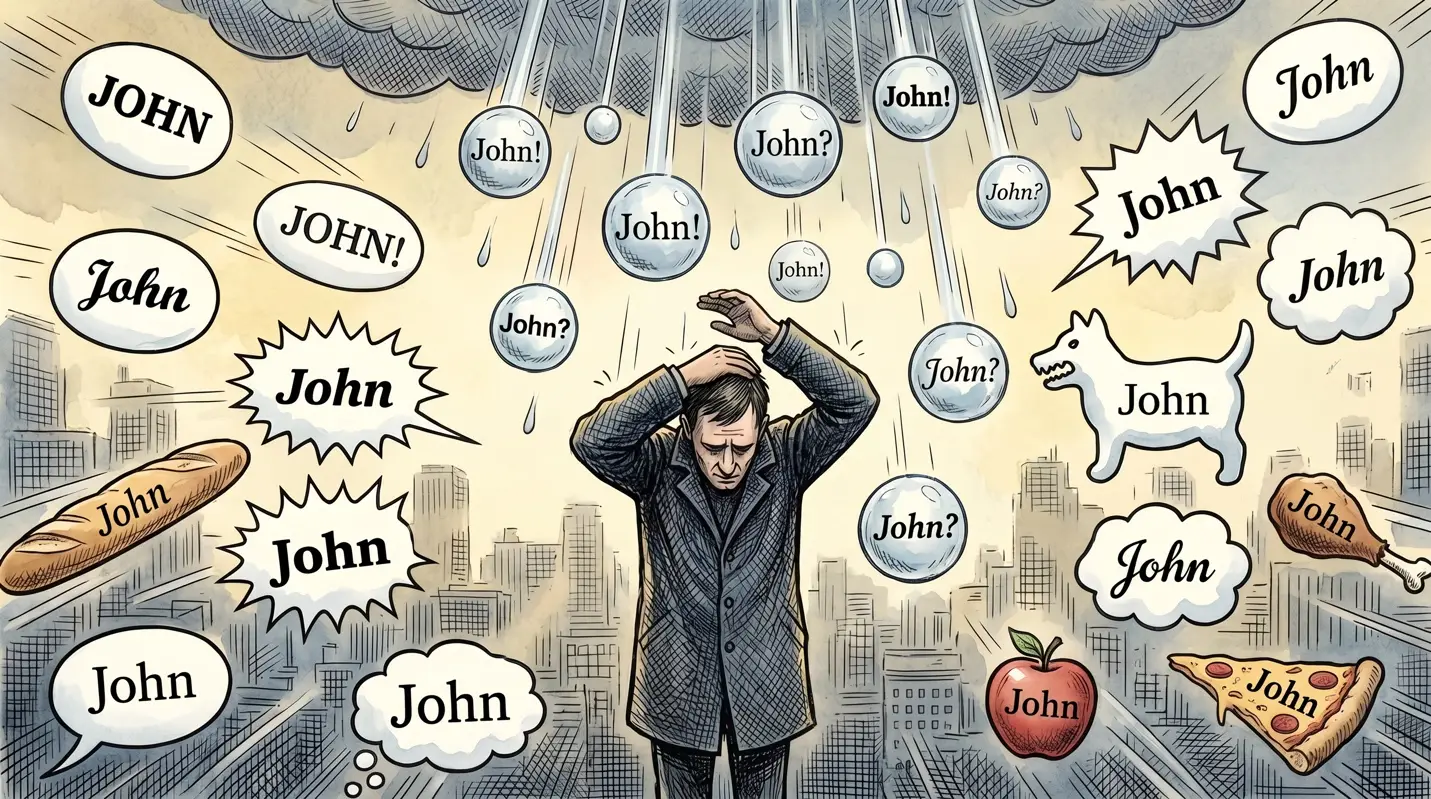

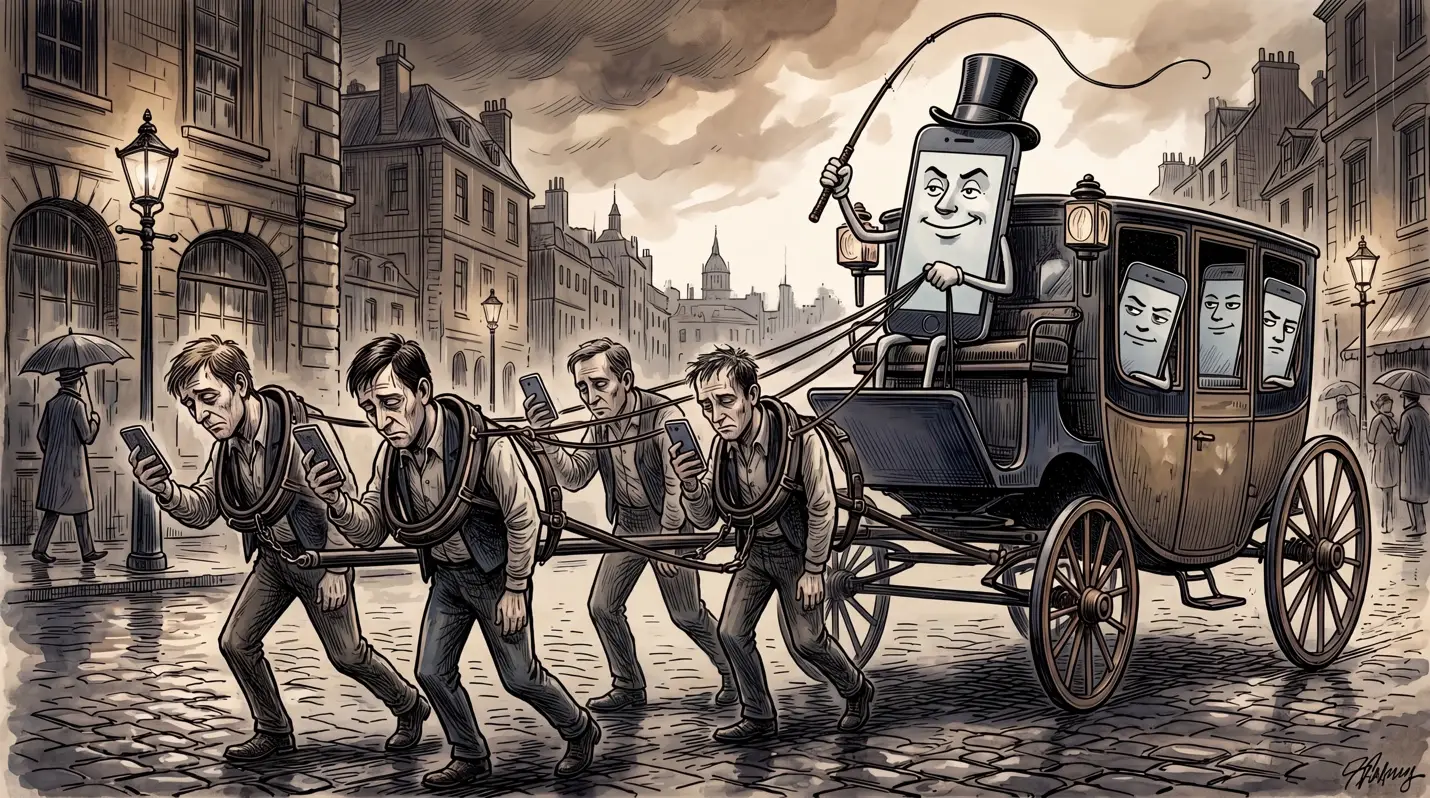

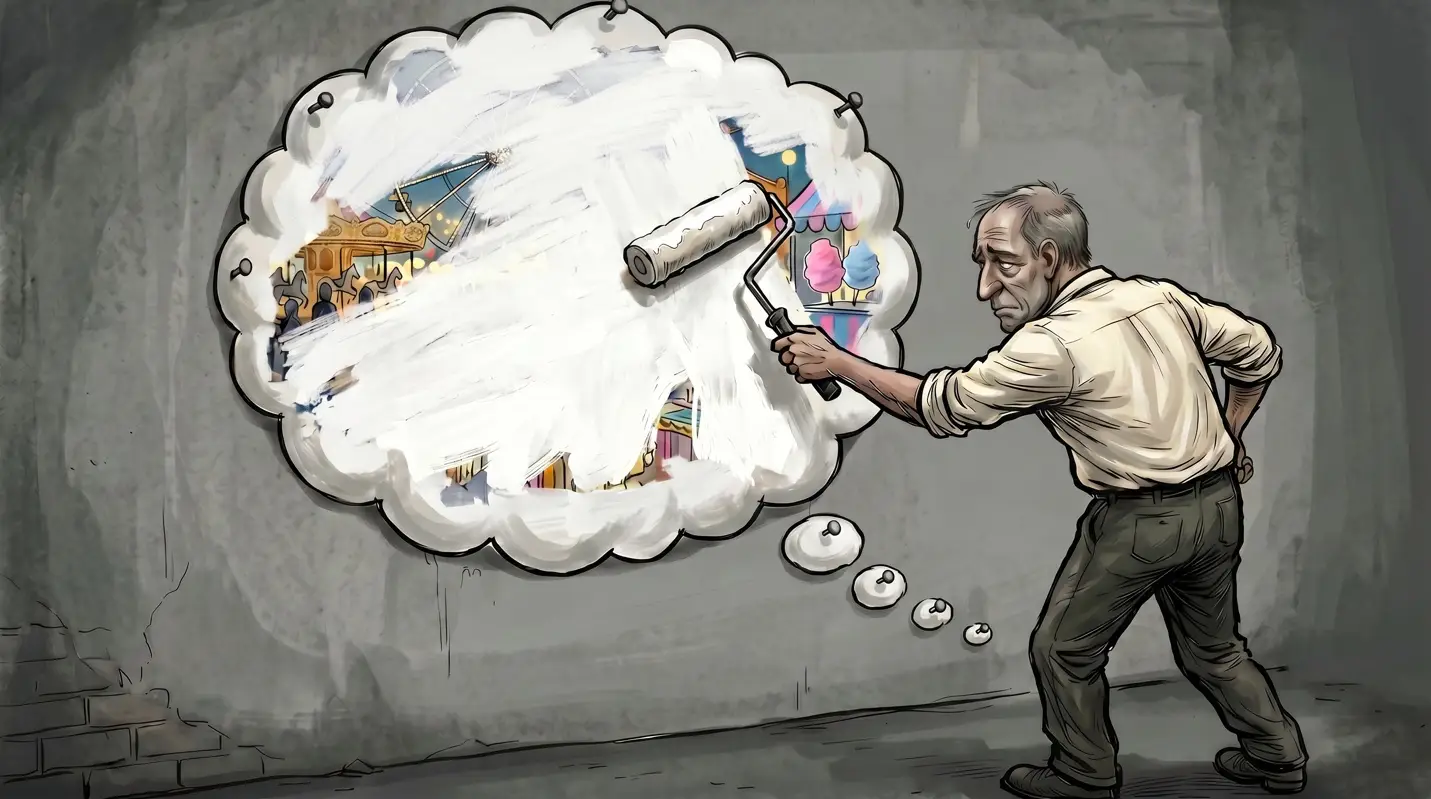

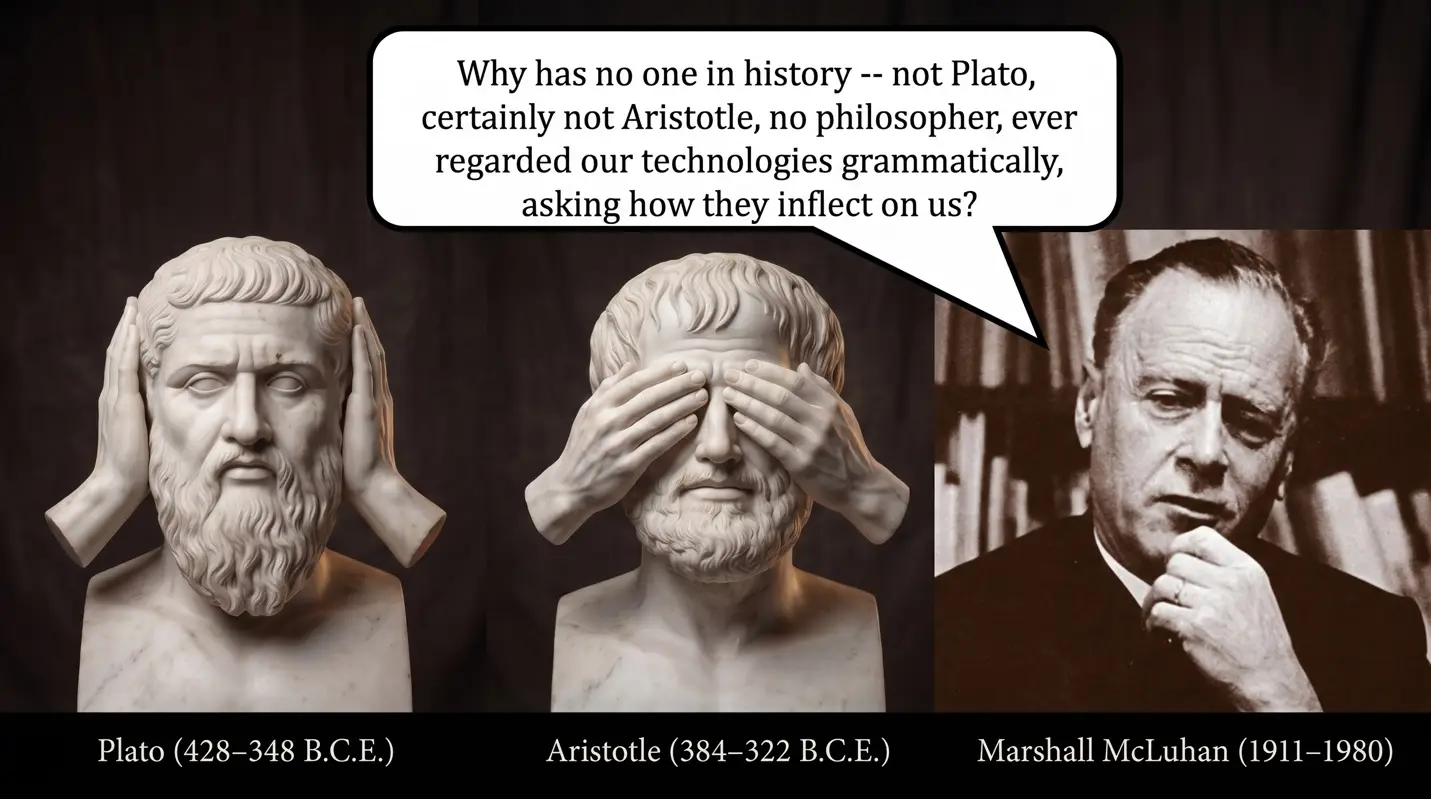
The reader puts on the audience as his corporate or tribal mask. The audience creates the author as the author shapes the awareness of the audience.
Introduction to Harold Innis’s The Bias of Communication (1962)
Year: 1962
It may be worth mentioning the structural features of analogy since with the computer there has risen the possibility of extending consciousness itself as a technological environment
“Innovation Is Obsolete”, in Evergreen Review, Vol. 15, No. 90, June (1971), p 48
Year: 1971
It was Max Weber who introduced the new method [law of the situation] into history and the social sciences. In tackling any area of a subject he simply asked: "What is the main prop or factor in this entire situation without which there would be something else altogether?" It was a method taken over by Harold Innis for the study of Canadian politics and economics.
The New Journey for the Magi, 1965, p 3
Year: 1965
Chapter:
Innis, Harold Adams
[I]t is the character of the instantaneous that makes mere categories and classifications obsolete and demands that we do a structural analysis of the problems in any field.
BCN Report, 1974
Year: 1974
[I]n terms of the play of the law of the situation, a manufacturer of window blinds could say, “I’m in the business of light control.”
BCN Report, 1974
Year: 1974
[The] more equality there is in the race for inequality, the more intense the race and the less the inequality which results from the consequent rewards. That means less and less distinction for more and more men of distinction.
The Mechanical Bride, p 37
Chapter:
Competition
The work ethic is being overlaid very quickly by these new forms of organization so that twentieth-century man not only experiences his subliminal life being pushed up into consciousness, but the daily process of living takes on an increasingly mythic or corporate participation in processes that had previously been kept down in the unconscious.
“The End of the Work Ethic”, 1973, in Media Research, 1997, p 108
Year: 1973
Chapters:
Competition | Management
The principle of complementarity is indispensable to understanding the unconscious effects of technologies on human sensibility since the response is never the same as the input. This is the theme of The Gutenberg Galaxy where it is explained that the visually oriented person stresses matching rather than making in all experience. It is this matching that is often mistaken for truth in general.
Letter to Robert J. Leuver, July 30, 1969, in Letters (1987), pp 387-388
Year: 1969
The fact that murder and creation seem to be co-relative is a mystery that I make no effort to penetrate.
Letter to Jacques Maritain, May 28, 1969 [LAC]
Year: 1969