Viewing chapter Divided by Media (16 quotes)
We have no reason to be grateful to those who juggle the thresholds [of our changing adaptations] in the name of haphazard innovation.
“The Relation of Environment to Anti-Environment,” The University of Windsor Review, Vol. 11, No. 1, (1966), p 10, reprinted in Through the Vanishing Point with Harley Parker (1968),p 253 , and McLuhan Unbound #4, (2017), p 19
Year: 1966
The global-village conditions being forged by the electric technology stimulate more discontinuity and diversity and division than the old mechanical, standardized society; in fact, the global village makes maximum disagreement and creative dialog inevitable.
“Playboy Interview: Marshall McLuhan: A Candid Conversation with the High Priest of Popcult and Metaphysician of Media”. By Eric Norden. Playboy Magazine, March (1969), p 70, reprinted in The Essential McLuhan (1995), p 259
Year: 1969
Chapters:
Dialogue | Discontinuity
Today, civil defence would seem to consist in protection against media fallout. In the past, war has consisted in the movement of commodities back and forth across frontiers.
What I Learned on the Project (1959-60), in NAEB Report on Understanding New Media, June (1960), p 2
Year: 1959
Chapter:
Education
Is it not terribly wasteful of values and opportunities, as well as destructive of harmony that unwittingly men should so embroil themselves in civil feuds arising from media change?
“New Media and the new Education” (1960), p 190
Year: 1960
The transforming power of media is easy to explain, but the ignoring of this power is not at all easy to explain.
Understanding Media (1964), MIT/Routledge edition, p 304
Year: 1964
But with regard to the bomb and retaliation as deterrent, it is obvious that numbness is the result of any prolonged terror, a fact that was discovered when the fall-out shelter program was broached. The price of eternal vigilance is indifference.
Understanding Media (1964), MIT/Routledge edition, p 30
Year: 1964
It was James Joyce in Finnegans Wake who demonstrated that the way to overcome the fear of the present, and of innovation in general, is to make an inventory of all the effects of the new thing as it encounters all the older forms of the society. Failure to make this inventory results in the use of the present as a nostalgic mirror for the past.
“The future of morality: the inner versus the outer quest”, in “The new morality: continuity and discontinuity”, ed. William Dunphy (New York: Herder and Herder, 1967), p 176
Year: 1967
Chapters:
Education | Media Study
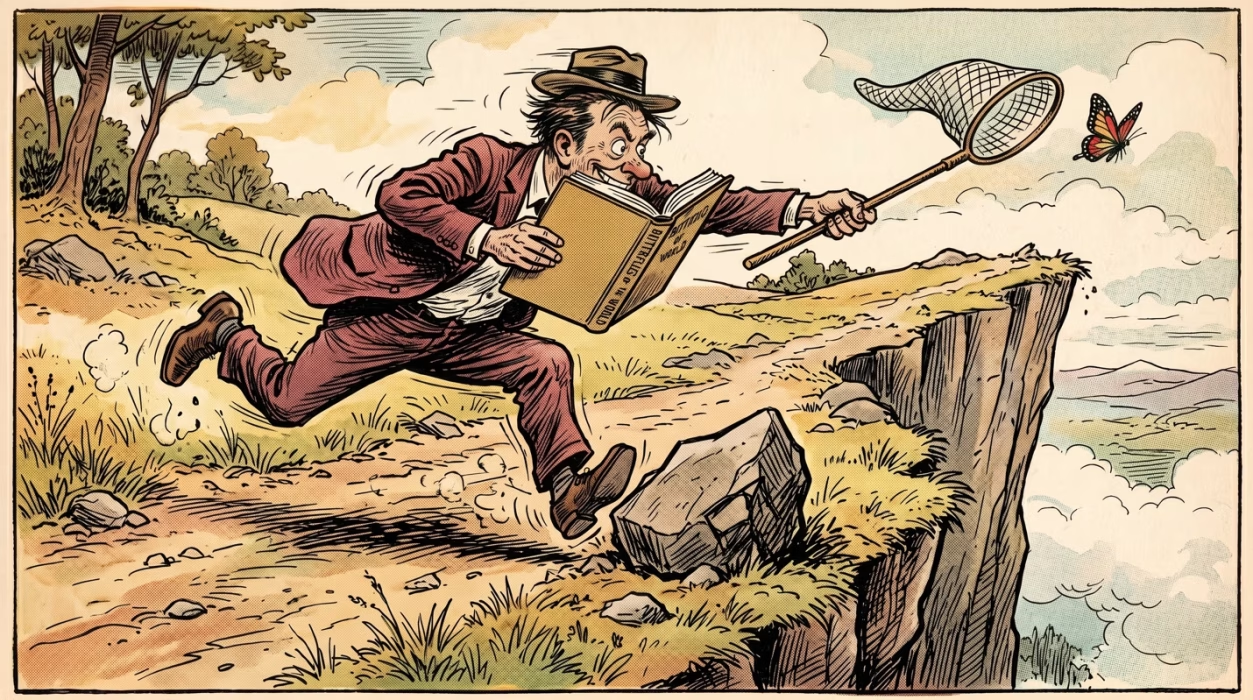
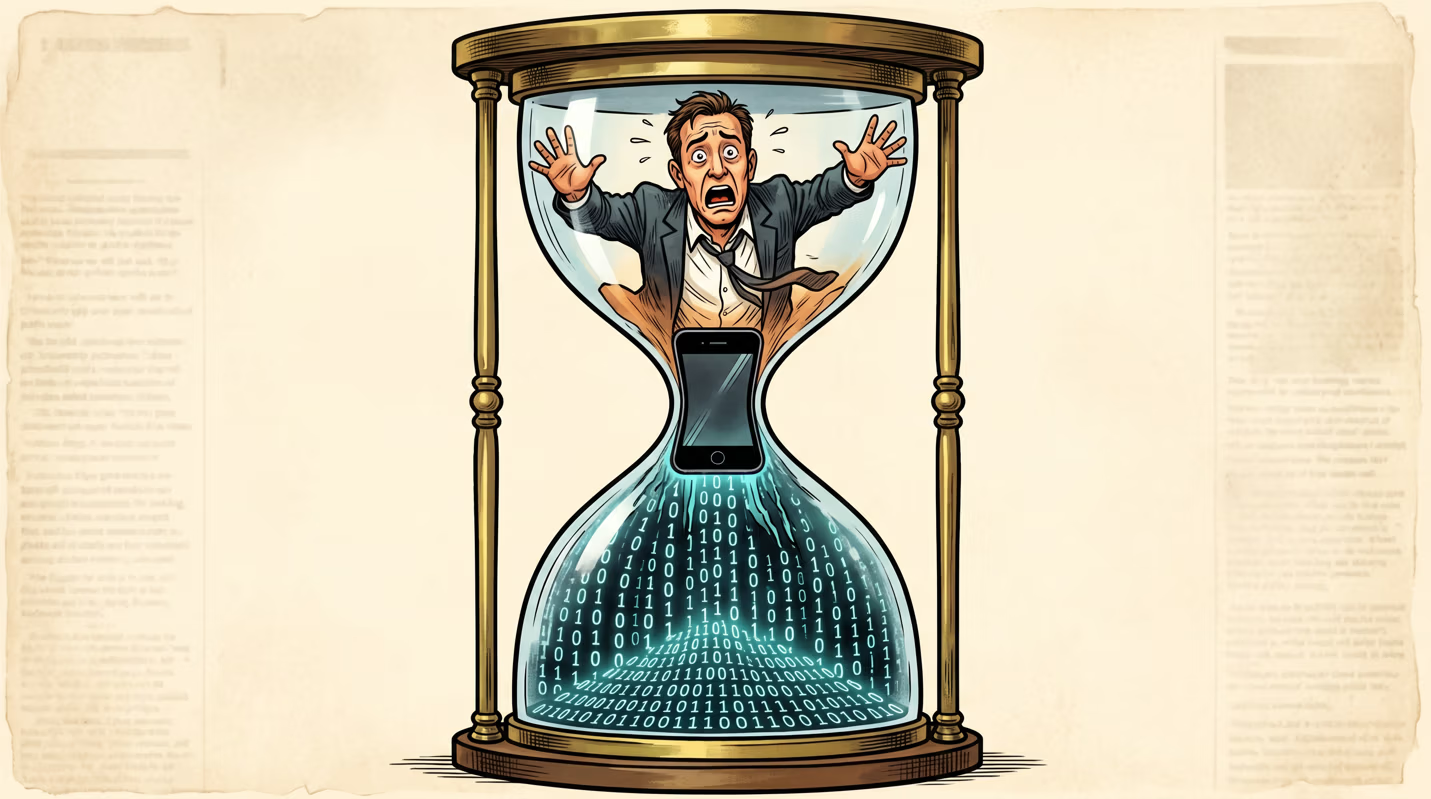
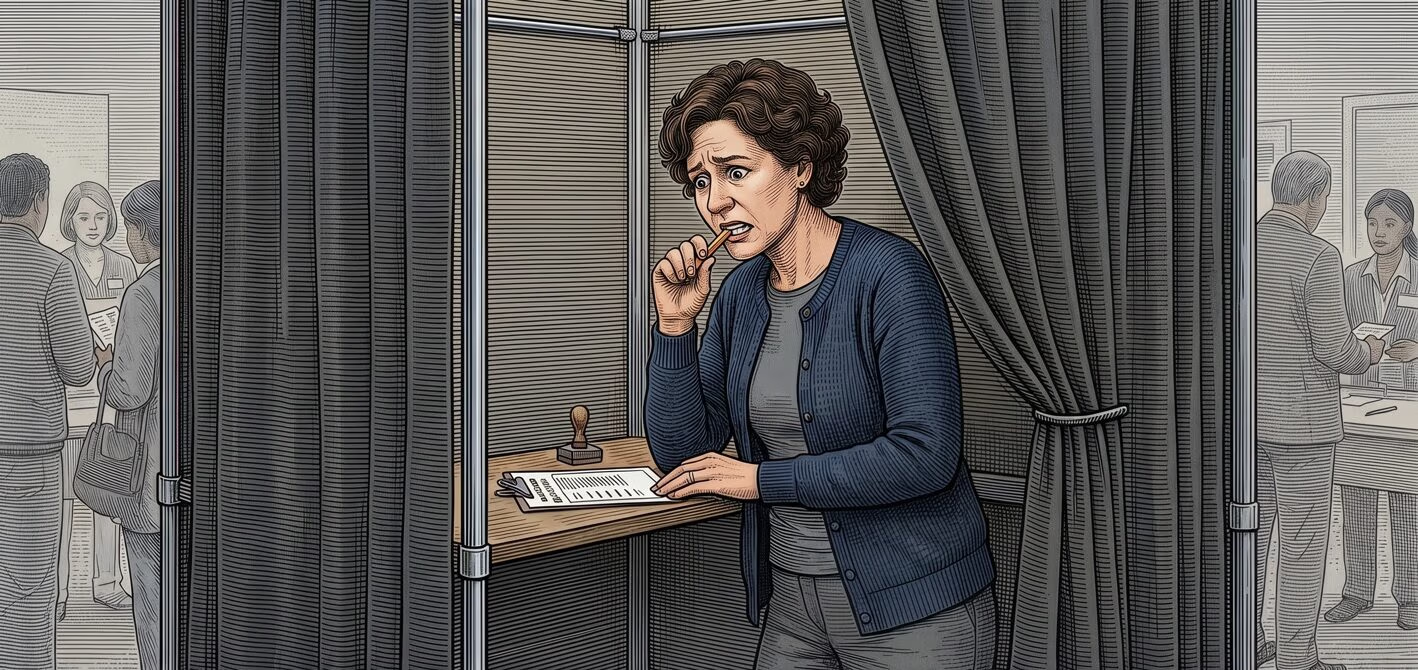
Not many of us are as alert as the kindergartner who said to Garry Moore, "How did you get off TV?"
Understanding Media, 1964, MIT/Routledge edition, p 317
Year: 1964
Chapter:
Education
Education is ideally civil defense against media fall-out.
Understanding Media, 1964, MIT/Routledge edition, p 195
Year: 1964
Chapter:
Education
Just as we now try to control atom-bomb fallout, so we will one day try to control media fallout.
Understanding Media, 1964, MIT/Routledge edition, p 195
Year: 1964
Chapter:
Education
The tribal-global village is far more divisive – full of fighting – than any nationalism ever was. Village is fission, not fusion, in depth. People leave small towns to avoid involvement. The big city lined them with its uniformity and impersonal milieu. They sought propriety and in the city, money is made by uniformity and repeatability.
The hot and Cool Interview, 1967, in Essays Media Research (1997), p 58
Year: 1967
Chapter:
Global Village
The new information environment is, in the highest degree, the scene of the hunter. It is the scene of perpetual warfare and it now surrounds every man. Both the need for military and commercial information has led in the last decade to innovations of electric service that have crossed all private and national boundaries alike.
“Mr. Nixon and the Dropout Strategy” (1973), typescript, p 1
Year: 1973
Language as the technology of human extension, whose powers of division and separation we know so well, may have been the “Tower of Babel” by which men sought to scale the highest heavens.
Understanding Media, 1964, MIT/Routledge edition, p 80
Year: 1964
The more you create village conditions, the more discontinuity and division and diversity. The global village absolutely insures maximal disagreement on all points.
McLuhan Hot and Cool (1967), p 272
Year: 1967
Chapter:
Discontinuity
No matter how much technology reduces the intellectual and social isolation of people, their metaphysical isolation is little affected.
“Technology and Political Change.” International Journal, vol. 7, no. 3, 1952, p 189
Year: 1952
Chapter:
He’s Hopeful
Perhaps the terrifying thing about the new media for most of us is their inevitable evocation of irrational response. The irrational has become the major dimension of experience in our world.
“Culture without Literacy”, in Explorations #1, December (1953), p 126 reprinted in Essential McLuhan, (1995), p 311, additional reprint in Media Research Technology, Art and Communication (1997), p 136, and McLuhan Unbound #6, (2017)
Year: 1953
Chapters:
Anxieties Caused By Change | From Tribal to Literate | Hardware / Software | Time | Today’s Transition | Warnings