Viewing chapter Dropout (13 quotes)
“Had to quit school to find out who I was.” (TV Guide, May 11/68)
Culture Is Our Business (1970), p 64
Year: 1970
Today the executive is a drop-out at forty, because the higher he climbs the tree, the less participation he has in the actual processes of the company. …The President of the United States, for example, is necessarily a script reader… He is an image.
“McLuhan Futuregram #1: Culture Is Our Big / New / Hot Business,” Dew-Line Newsletter, Vol 1 No. 4, October, 1968, p 3
Year: 1968
BRUCE POWERS: Well, in what way could [home computers] create a new kind of personal protection?
MARSHALL MCLUHAN: It could create more personal leisure. Having more leisure will encourage people to “drop out” to enhance their sense of identity. If their jobs are becoming routine and not helping the necessities of self-definition, then being able to get that occupation done within less time than was previously required, will enable people to set aside large blocks of leisure time with which to explore a hobby, a sport, a secret avocation. In other words, more time to “drop out” and "tune in" on themselves.
The Global Village with Bruce Powers (1989), p 143
Year: 1989
If your son runs away from home, he’s probably following in your footsteps. (Life ad)
Culture Is Our Business, (1970), p 98
Year: 1970
Loafing could reveal your true self because you are “dropping out” to be alone. Chaplin, like Huck, epitomized the transformation of loafing. Spiffy, elegant in bowler, cane, and morning coat, he became a footloose knight of the road.
The Global Village with Bruce Powers, 1989, pages 147-148
Year: 1989
Chapter:
Pattern Recognition
In Watts there was a report of kids saying quite freely, "We are dropouts because we do not want to go to school and disrupt our education." … What goes on inside the school is an interruption of education, of the education available in the current environment.
“Education in the Electronic Age”, Interchange, Vol 1, No 4, 1970, p 1
Year: 1970
It is the absence of any experience of participation in the learning processes that creates the drop-out.
”Electronic Man and the End of the Neolithic Age” (1965), p 2
Year: 1965
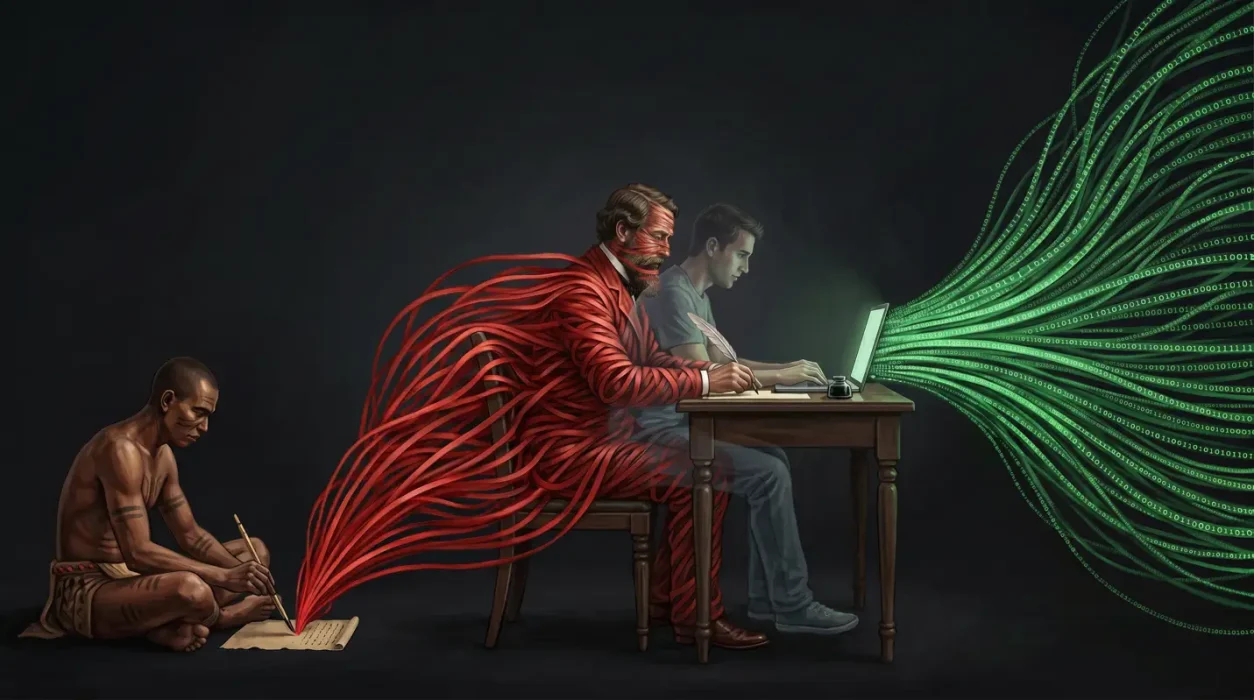

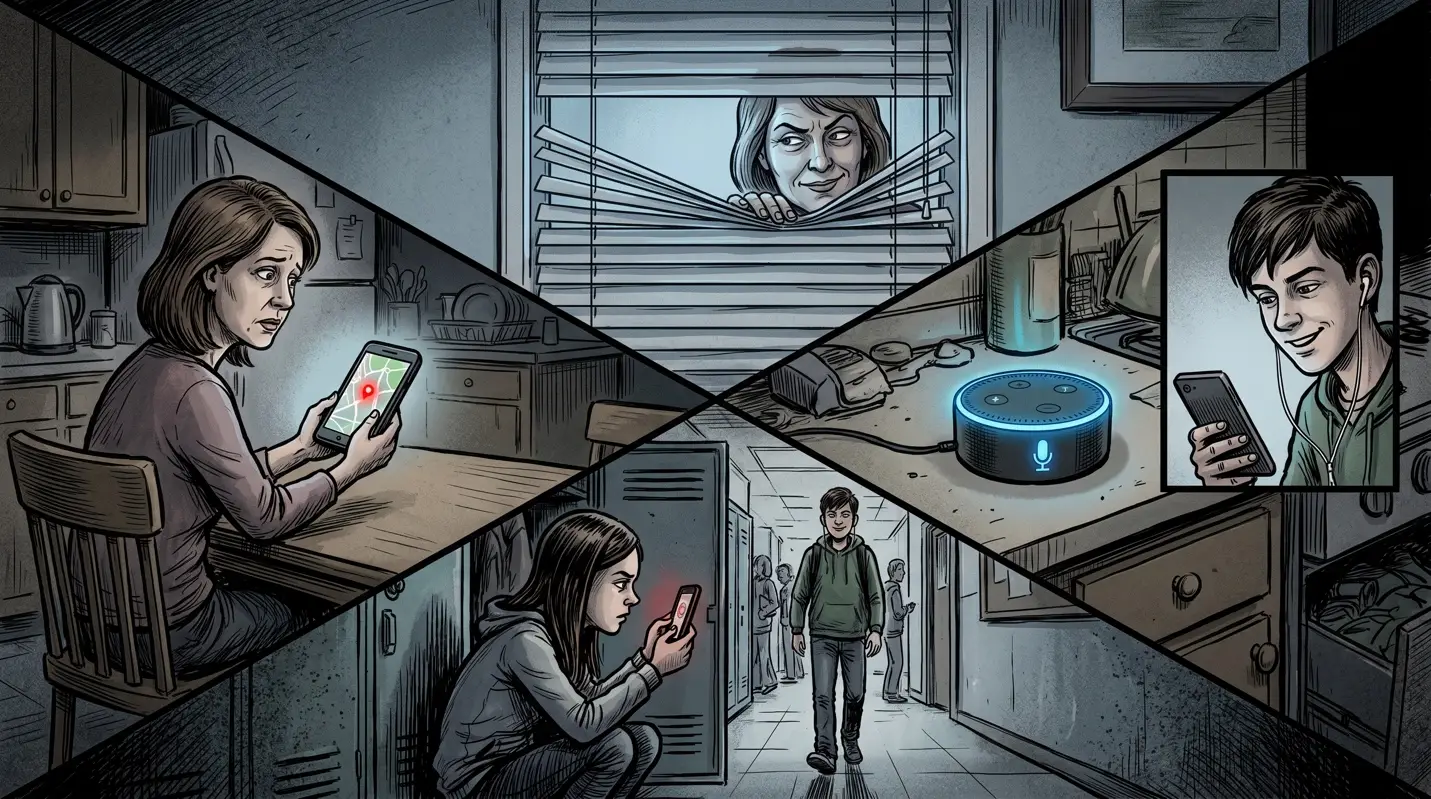
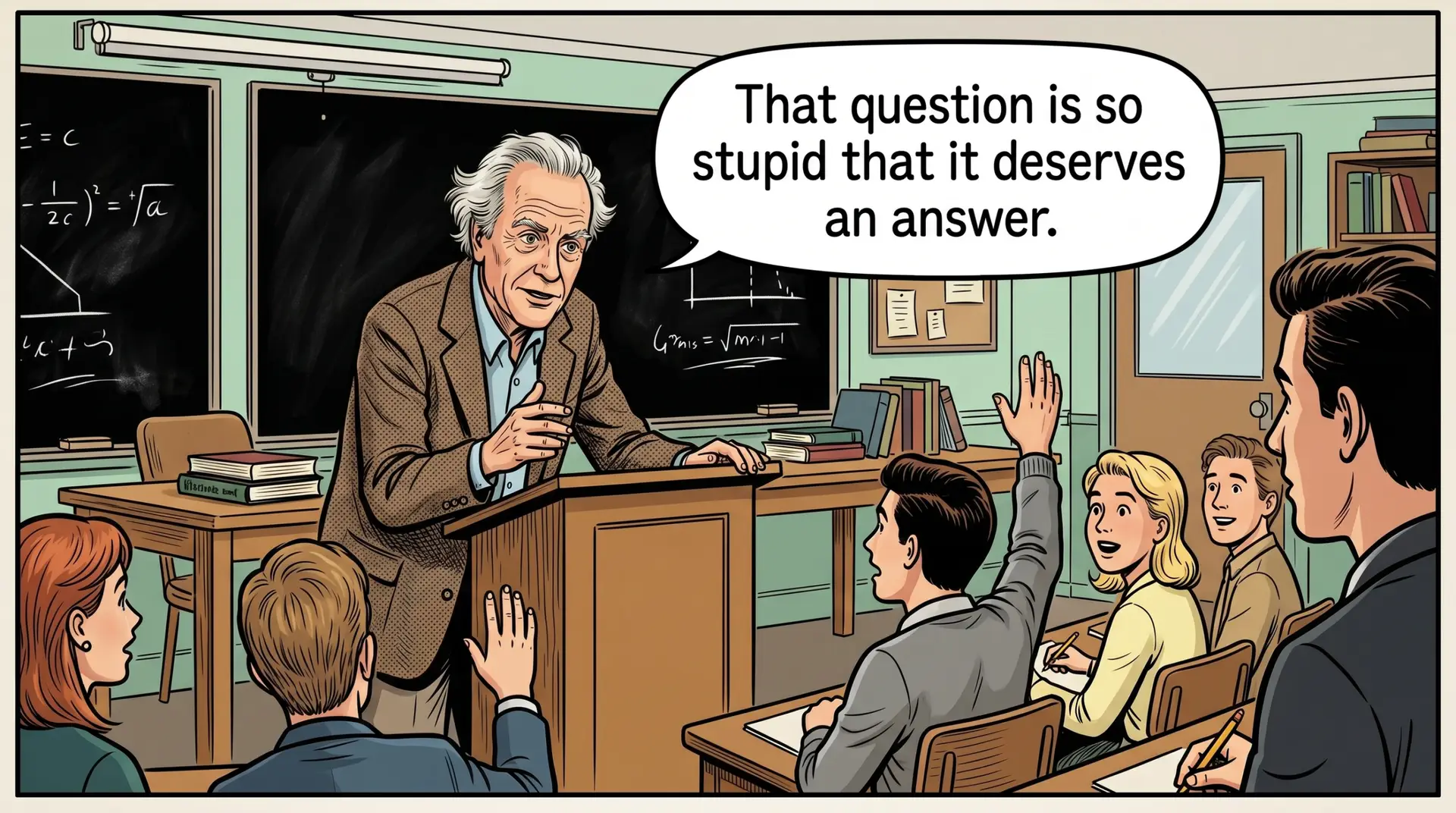

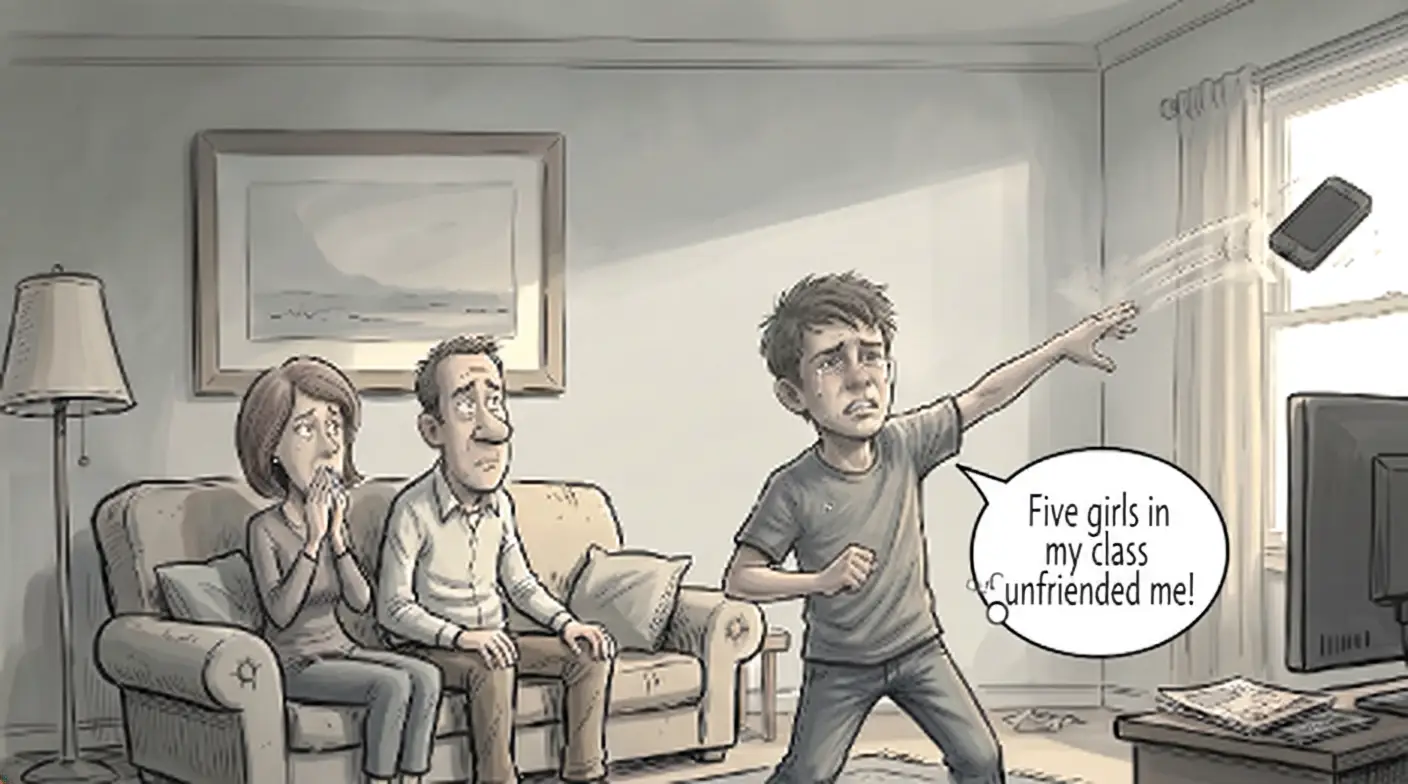
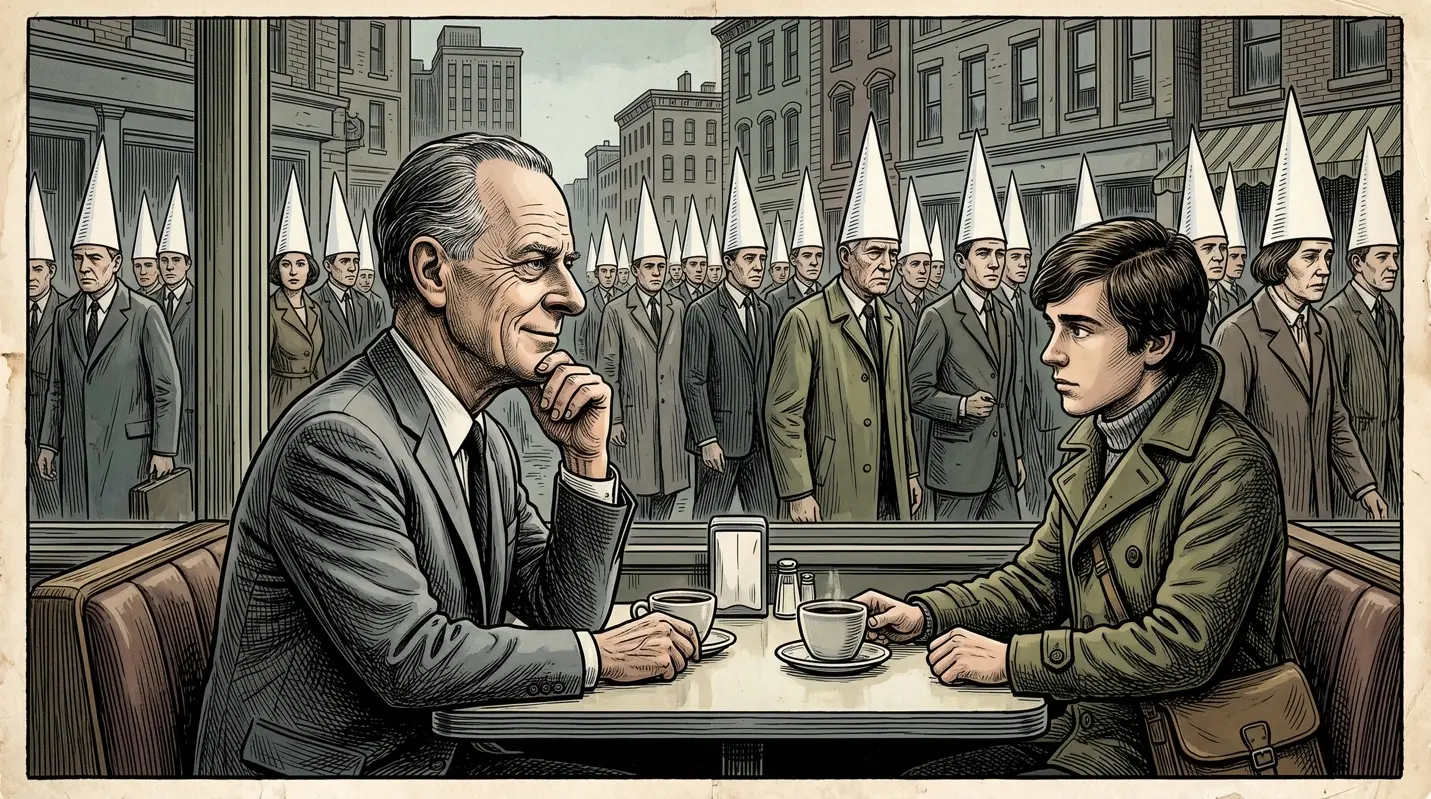


The “generation gap” is literally the space in which generation or change occurs. Paradoxically, the “drop-out” is a person who is trying to get back in touch.
“Education and the New Media”, March 25, (1970), Televised in France, Le Monde Diplomatique, April 29, (1970), p 6
Year: 1970
“Camp” is a kind of dropoutism resulting from the new electric environment. All the earlier forms go into quotes, as it were, when they have this new world to encompass them. Even camping out is made possible by varieties of new artificial environments created by new gadgets.
From Cliché to Archetype with Wilfred Watson (1970), p 188
Year: 1970
We now experience simultaneously the dropout and the teach-in. The two forms are correlative. They belong together. The teach-in represents an attempt to shift education from instruction to discovery, from brainwashing students to brainwashing instructors. It is a big, dramatic reversal. Vietnam, as the content of the teach-in, is a very small and perhaps misleading Red Herring. It really has little to do with the teach-in, as such, anymore than with the dropout.
The Medium Is the Massage (1967), p 101
Year: 1967
Chapter:
Discovery
The dropout is a person trying to get in touch. To come back to the matter of interval, the hangup means connection; that’s out of touch. When you are connected, tied in, you are hung up. When you drop out then you get the interface again, the resonance, the dialogue.
“The Hardware-Software Mergers: How Successful Have They Been?”, Speech given at the conference, Reappraisal of the Educational Technology Industry, University of Chicago, November 16-18, 1969. Transcript, p 5
Year: 1969
A young friend visiting from Harvard the other day said, “You know, my generation is not goal-oriented. We want simply to know what’s going on.” And he didn’t know quite how to get at it—but the desire to know just what is going on rather than just to pursue goals creates many of the difficulties for our children. The drop-out situation is the rejection of goals, because our children go to schools where they have the old strip culture, the old fragmented subject matters and so on without any interconnection, without any sense of total field, without any of the challenge of the hunter.
“What the New Communications Will Mean to Public Relations”, in Public Relations Journal, January, 1967, p 23
Year: 1967
J.P.M. VAN SANTEN: You think the executive is being dropped out?
MARSHALL MCLUHAN: Yes, I think he is being pushed out by the speed. Anybody can pick up the telephone and talk to anybody. Everyone’s business has a huge information environment around it. The market used to be the environment. The world of prices of dealing, stocks, everything. The market is the figure, but no longer the environment. Outside the marketplace there is a new kind of information, the satellite world. The real spin on the business world today is information, it is not money.
“J.P.M. van Santen Interview”, Toronto, October 25, 1972, transcript, p 3
Year: 1972