Viewing chapter Figure/Ground (26 quotes)
…the figure/ground interplay of man and his artifacts, as each remakes the other…
Take Today with Barrington Nevitt (1972), p 13
Year: 1972
Nothing has its meaning alone. Every figure must have its ground or environment. A single word, divorced from its linguistic ground, would be useless. A note in isolation is not music. Consciousness s corporate action involving all the senses (Latin sensus communis or “common sense” is the translation of all the senses into each other).
Take Today with Barrington Nevitt (1972), p 3
Year: 1972
For various reasons, which we can discuss at length sometime, it is impossible to have a music that is not based on the rhythms of a particular tongue of speech. Speech is the “hidden” ground for the music as figure in any culture whatever. There are specific and complex reasons why the oral tradition of American Southern speech constitute the only possible ground for jazz and rock. Some of these reasons include the fact that English is almost the only language in the world that has actual feet and not mere syllables. Equally basic is the relation of English to the metropolitan patterns of industrial sound. New technological sounds and patterns are processed through the speech in order to become “music.” To people who do not understand this complex of speech technology factors, it must seem very mysterious that Chinese and Norwegian alike are compelled to sing Rock in English rather than their own tongues.
Letter to John Cage, September 13, 1972, in Letters of Marshall McLuhan (1987), p 456
Year: 1972
In all patterns, when the ground changes, the figure too is altered by the new interface.
“The Future of the Book” (1972), in Understanding Me (2003), p 180
Year: 1972
It is man who has become both figure and ground via the electrotechnical extension of his awareness.
Take Today: The Executive as Dropout, 1972, p 11
Year: 1972
Chapter:
Electric, Electronic
Affluence creates poverty, literally. Without wealth you cannot have poverty. You can have hardship, you can have stress, but you cannot have poverty. It is a figure-ground relationship. Canada is like a poor man sharing an apartment with a rich man. We are rich enough, but compare with the U.S. we are poor, you see.
J.P.M. van Santen Interview, Toronto, October 25, 1972, Transcript p 6
Year: 1972
Pornography and obscenity...work by specialism and fragmentation. They deal with a figure without a ground -- situations in which the human factor is suppressed in favor of sensations and kicks.
Letter to Clare Westcott, November 26 1975, in Letters of Marshall McLuhan, p 514
Year: 1975

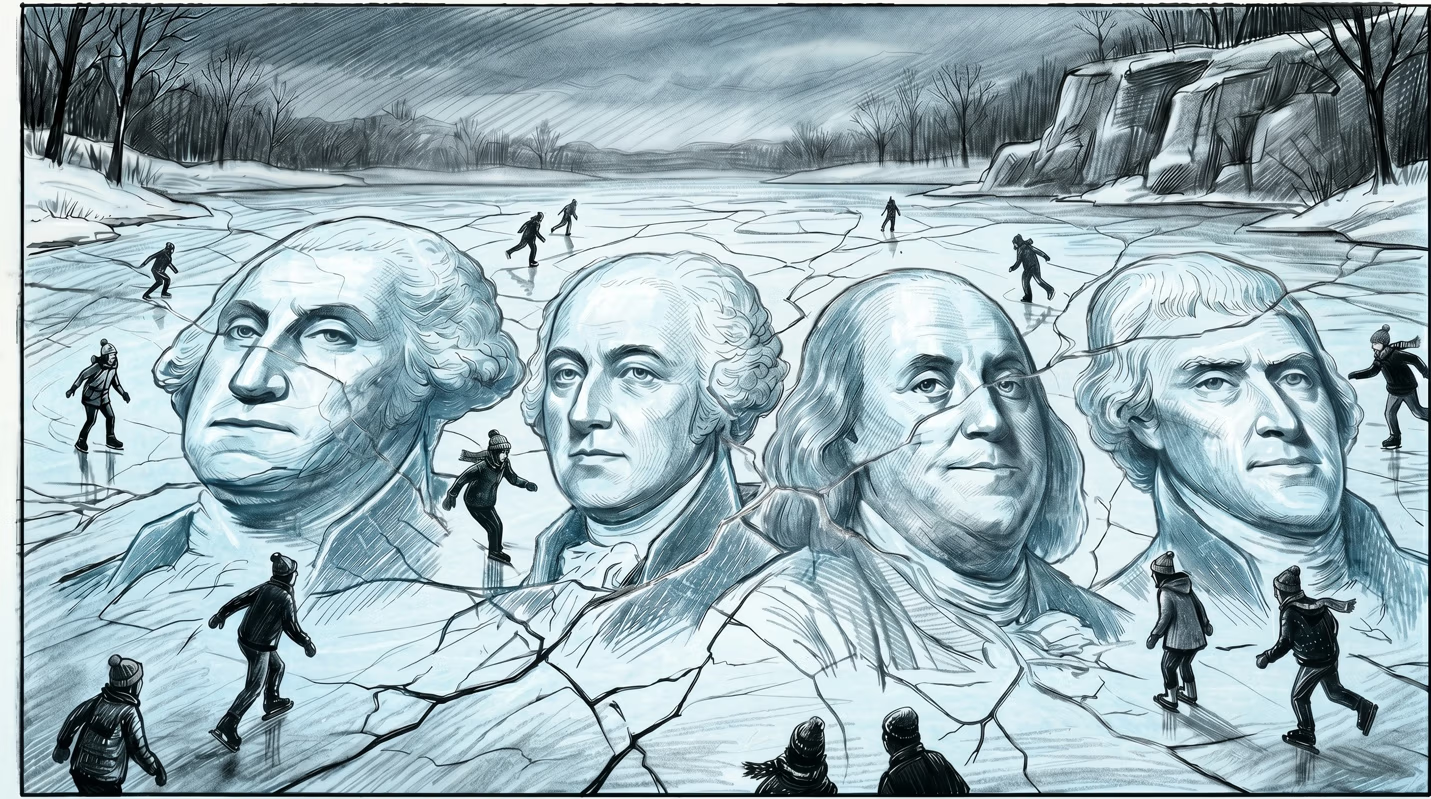
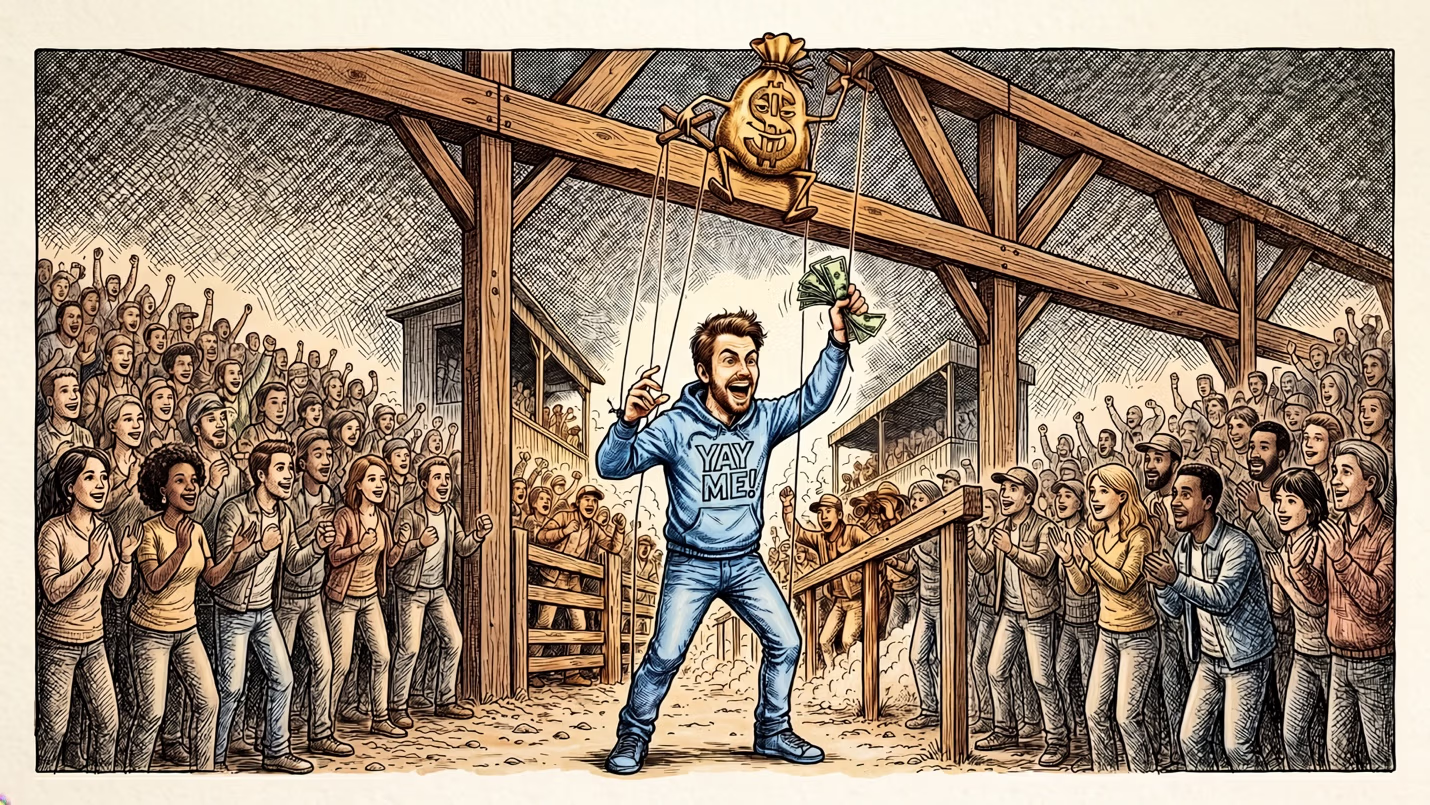
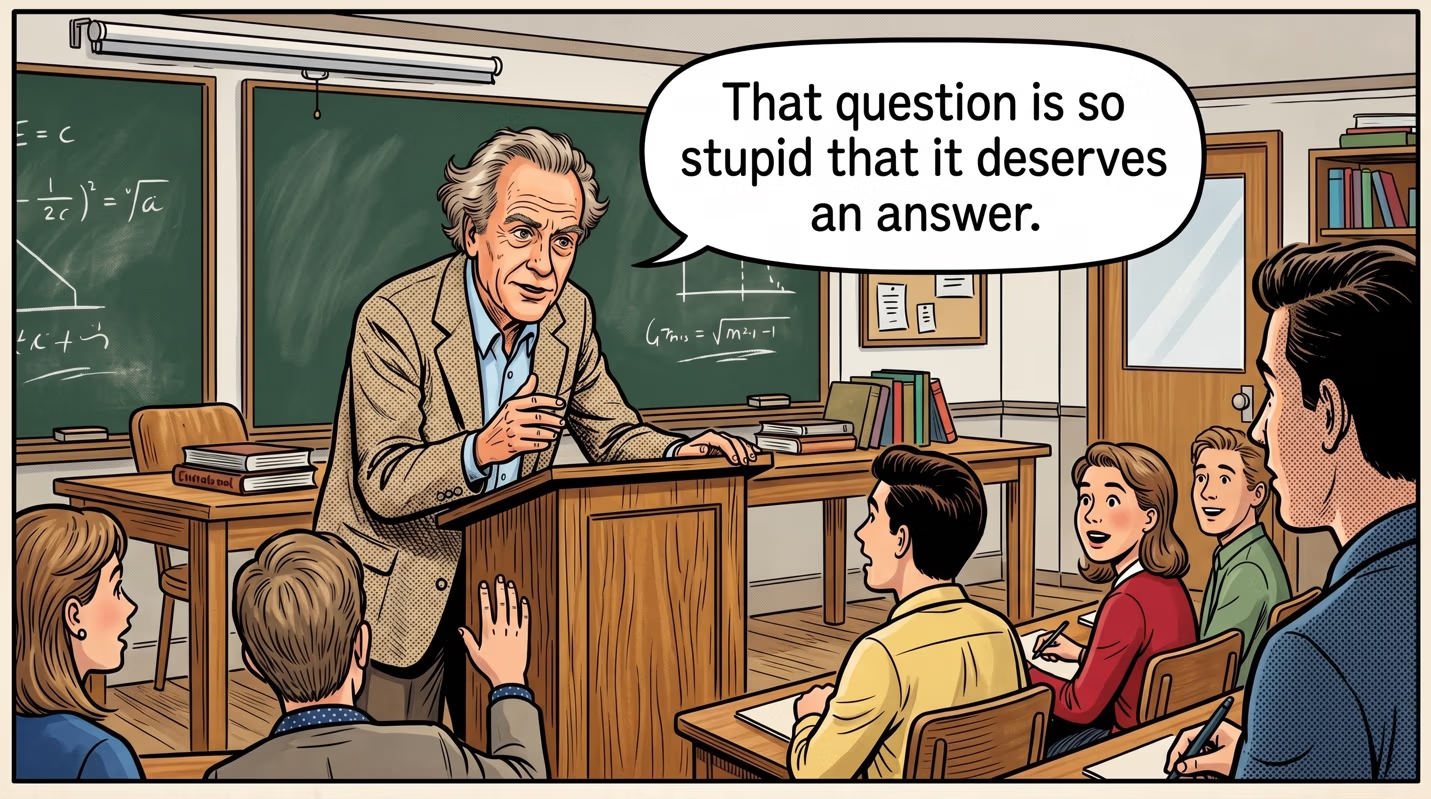
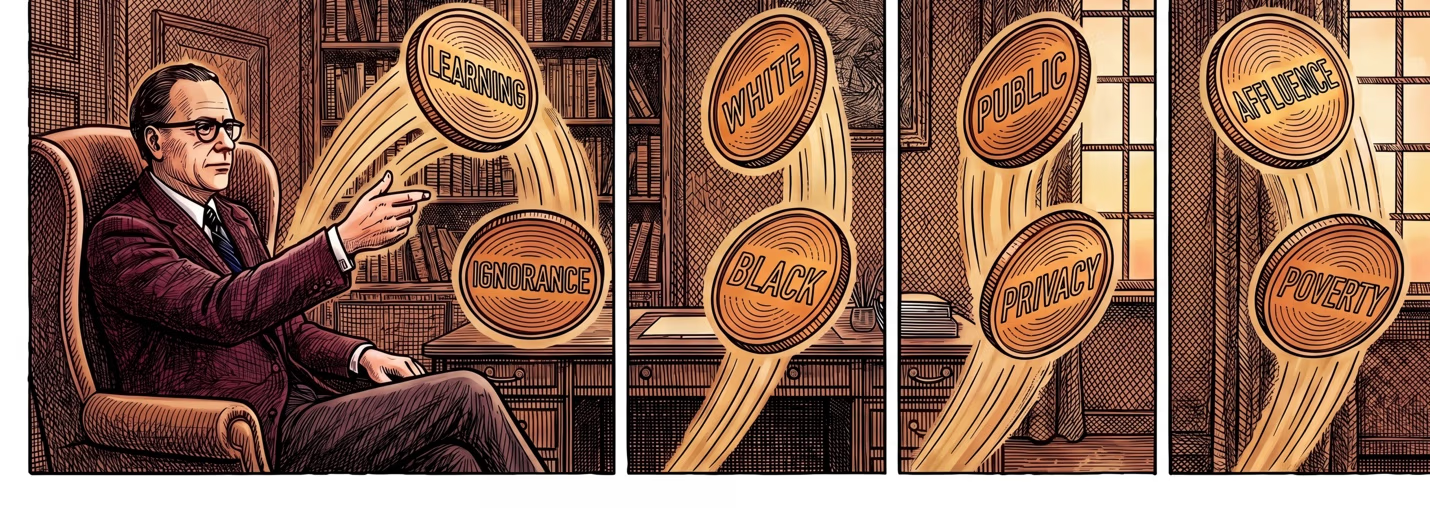
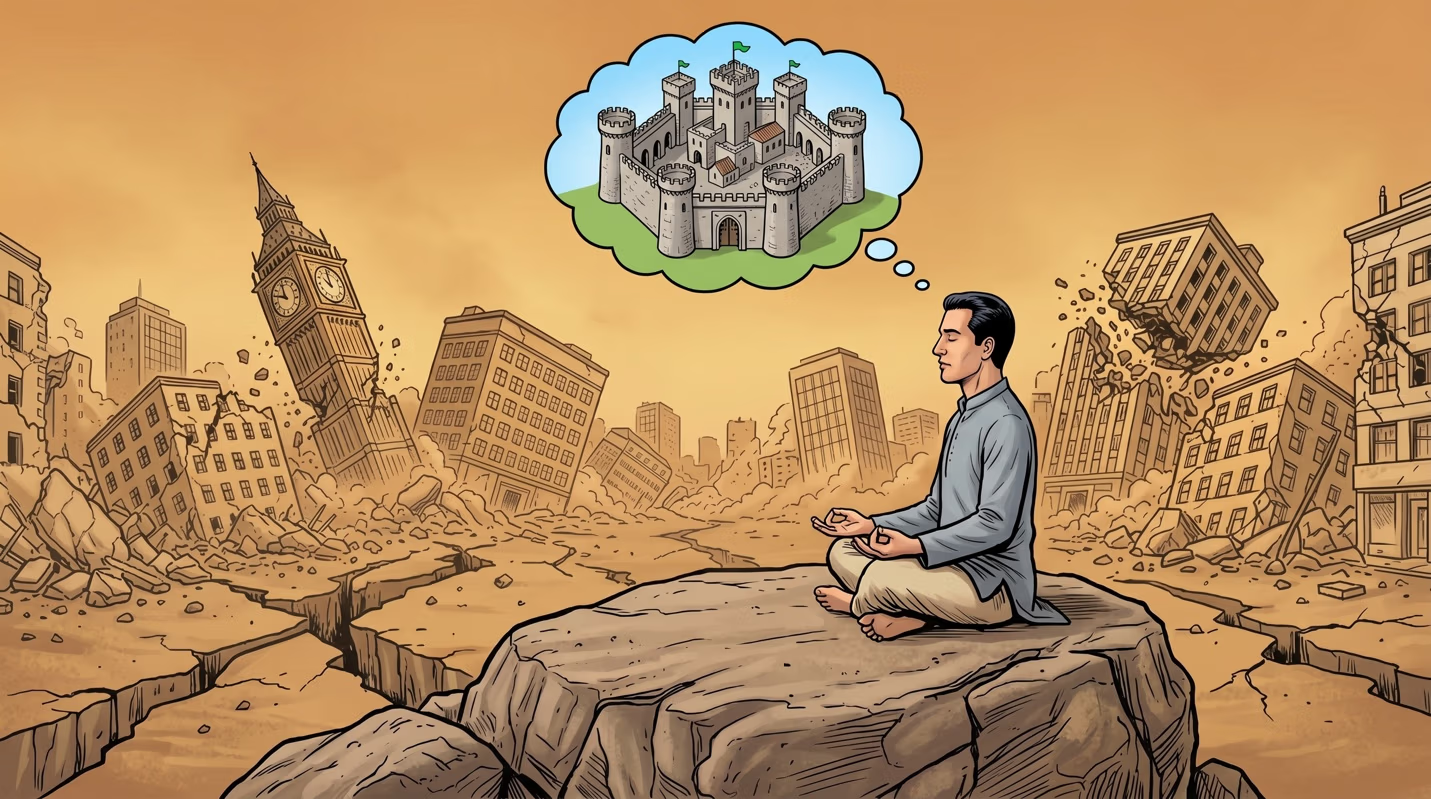
In Gestalt, reality presents itself to the mind as a figure detaching itself from a ground. We notice the figure first and most often it dominates our whole field of consciousness.
Religion and Youth (Conversation with Pierre Babin, 1977) in The Medium and the Light (1999), p 100
Year: 1977
Human perception encourages us to pay attention to the figure (a painting) and to ignore the ground (its frame, the wall, etc.).
“Religion and Youth” (Pierre Babin interview), 1977, in The Medium and the Light, 1999, p 94
Year: 1977
In Chinese, “honesty” is the figure of a man standing—physically standing—beside his word. That means “honesty.” A man stands by his word. Two sticks. Figure, ground.
“ON NATURE AND MEDIA: A DIALOGUE OF EFFECTS”, July 17th (1978), Interview transcript from Topics in Communication (with Louis Forsdale), 17:43
Year: 1978
While Poe and the Symbolists were exploring the irrational in literature, Freud had begun to explore the resonant figure/ground double-plot of the conscious and unconscious.
Laws of Media: The New Science with Eric McLuhan, (1988), p 52
Year: 1988
It is always the psychic and social grounds, brought into play by each medium or technology, that readjust the balance of the hemispheres and of human sensibilities into equilibrium with those grounds.
Laws of Media: The New Science with Eric McLuhan, (1988), p 82
Year: 1988
Chapter:
Balance
Older cliches are retrieved both as inherent principles that inform the new ground and new awareness, and as archetypal nostalgia figures with transformed meaning in relation to the new ground.
Laws of Media: The New Science with Eric McLuhan, (1988), p 105
Year: 1988
Language always preserves a play or figure/ground relation between experience, and perception and its replay in expression.
Laws of Media: The New Science with Eric McLuhan, (1988), p 121
Year: 1988
Today it is easy for us to perceive what programmed them as a hidden ground, because that ground has itself become a figure starkly portrayed against the new ground of the electric information environment Instant information, as an environment, has the effect of pushing all other subliminal effects up into consciousness.
Laws of Media: The New Science with Eric McLuhan, (1988), p 110
Year: 1988
The archetype is retrieved awareness or consciousness. It is consequently a retrieved cliché - an old cliché retrieved by a new cliché. Since a cliché is a unit extension of man, an archetype is a quoted extension, medium, technology, or environment, an old ground seen as figure through a new ground.
Laws of Media: The New Science with Eric McLuhan, (1988), pp 103-104
Year: 1988
Chapter:
LOM 3 – Retrieve
Interdeterminacy was a figure-ground problem arising from incongruity between the visual bias of classical science and the new acoustic sensibilities.
Laws of Media: The New Science with Eric McLuhan, (1988), p 44
Year: 1988
All cultural situations are composed of an area of attention (figure) and a very much larger area of inattention (ground). The two are in a continual state of abrasive interplay, with an outline or boundary or interval between them that serves to define both simultaneously. For example, at a lecture attention will shift from the speaker's words to his gestures, to the hum of the lighting or street sounds, or to the feel of the chair or a memory or association or smell, each new figure alternately displacing the others into ground.
The Global Village with Bruce Powers, 1989, p 5
Year: 1989
Chapters:
Advice | Body Language
The study of ground on its own terms is virtually impossible, by definition it is at any moment environmental and subliminal.
The Global Village with Bruce Powers, 1989, p 5
Year: 1989
All cultural situations are composed of an area of attention (figure) and a very much larger area of inattention (ground). The two are in a continual state of abrasive interplay, with an outline or boundary or interval between them that serves to define both simultaneously. As in the paintings of Van Gogh or cloisonné art, figures rise out of and recede back into ground, which is configurational and comprises all other (available) figures at once.
The Global Village with Bruce Powers, 1989, p 5
Year: 1989
All cultural situations are composed of an area of attention (figure) and a very much larger area of inattention (ground). The two are in a continual state of abrasive interplay, with an outline or boundary or interval between them that serves to define both simultaneously. For example, at a lecture attention will shift from the speaker's words to his gestures, to the hum of the lighting or street sounds, or to the feel of the chair or a memory or association or smell, each new figure alternately displacing the others into ground.
The Global Village with Bruce Powers, 1989, p 5
Year: 1989
Chapters:
Advice | Body Language
A figure is an area of special psychic attention.
The Global Village, with Bruce Powers, 1989, p 21
Year: 1989
Cash money and the compass, leading technologies of the fifteenth century, illustrate early figure-ground transformations of visual space archetypes to the acoustic, from the tangible to the intangible, from hardware dominance to software dominance—analogous to the present role of the computer. Current shift from visual space to acoustic space technologies in society is accelerating.
The Global Village with Bruce Powers, 1989, p 35
Year: 1989
Chapters:
Money | Today’s Transition
Unless you see both Ground and Figure simultaneously, you don’t have the whole picture.
Quoted by Sister Bede Sullivan in Who Was Marshall McLuhan? (1994), p 170
Year: 1994
Anthropology, on the other hand, began by using the ground or the total culture itself as a figure for attention, thus seeming to break with the 2000-year tradition of considering figure-minus-ground.
The Global Village, with Bruce Powers, 1989, p 21
Year: 1989
All words at every level of prose and poetry and all devices of language and speech derive their meaning from figure / ground relation.
Quoted in McLuhan: A Guide for the Perplexed by W. Terrence Gordon (2010), p. 167
Year: 2010