Viewing chapter Graphic Communication (18 quotes)
The Graphic Revolution, by which a private image can be showered on the world overnight, scrambles and confuses all pre-electric categories of fame and greatness. But it also increases the demand for big names and big images. Let us keep in mind that the new reality is in the image and not behind it.
Marshall McLuhan
“The Electronic Age – The Age of Implosion” (1962), p 196
Year: 1962
Chapter:
Graphic Communication
The language of visual form is, therefore, one which lies to hand as an unused Esperanto at everybody’s command.
“The Media Fit the Battle of Jericho” in Explorations 6 (1956), in Essential McLuhan (1995), p 300
Year: 1956
The Chinese never had an alphabet, but their ideograms are pictorial translations of human gestures and relationships. As our press has become more pictorial our whole culture has become more sympathetic to Chinese art and expression. So that the very features of our culture which have intruded disruptively into the East have also brought us a basis for approaching their kind of communication.
“New Media and Political Change”, in International Journal, Vol.7, No. 3, Summer (1952) p 192
Year: 1952
As our original book technology has been succeeded by movie and television we have lost book literacy without acquiring visual literacy. So now the principle of natural selection unexpectedly favors the Chinese and Japanese, for example; their pictorial mode of writing, once a great disadvantage in relation to the abstract culture of print, now favors them in a world of visual communication.
“A Historical Guide to the Media” (1955), p 104
Year: 1955
Chapters:
Iconic | Media Literacy
Why not study the comic strips as moral landscapes expressing local impulse and motive?
The Mechanical Bride, (1951), p 64
Year: 1951
Chapter:
Cartoons, Comics
The comic book for example has been seen as a degenerate literary form instead of as a nascent pictorial and dramatic form which has sprung from the new stress on visual-auditory communication in the magazines, the radio and television. The young today cannot follow narrative but they are alert to drama. They cannot bear description but they love landscape and action.
Letter to Harold Adams Innis, March 14, 1951, in Letters of Marshall McLuhan (1987), p 222
Year: 1951
Chapter:
Cartoons, Comics
…comic strips and comic books are the shock troops of a culture which has been shredded and stretched and spun by accelerated technological change.
“The Comics and Culture” (1953) in On the Nature of Media (2016)
Year: 1953
Chapter:
Cartoons, Comics
For in the beginning was the gesture… And the comic strip is the world of gesture, as the author of Mandrake the Magician knows very well.
“The Comics and Culture” (1953), in On the Nature of Media (2016), p 32
Year: 1953
Chapters:
Body Language | Cartoons, Comics
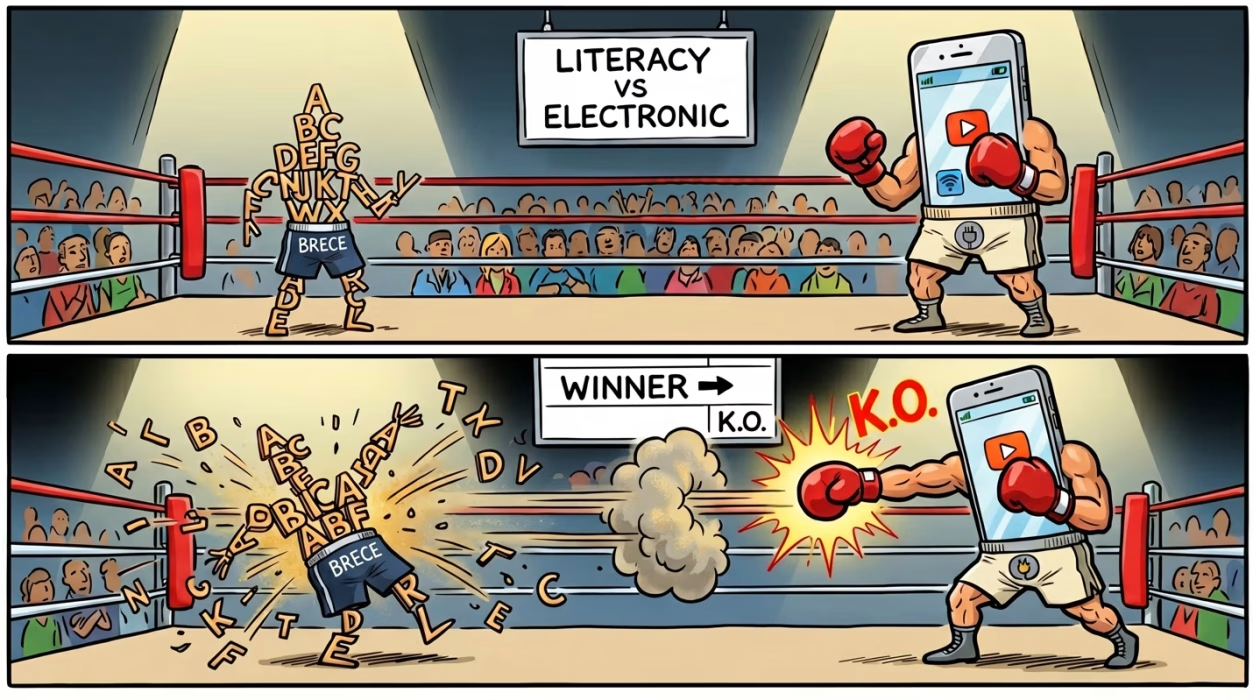
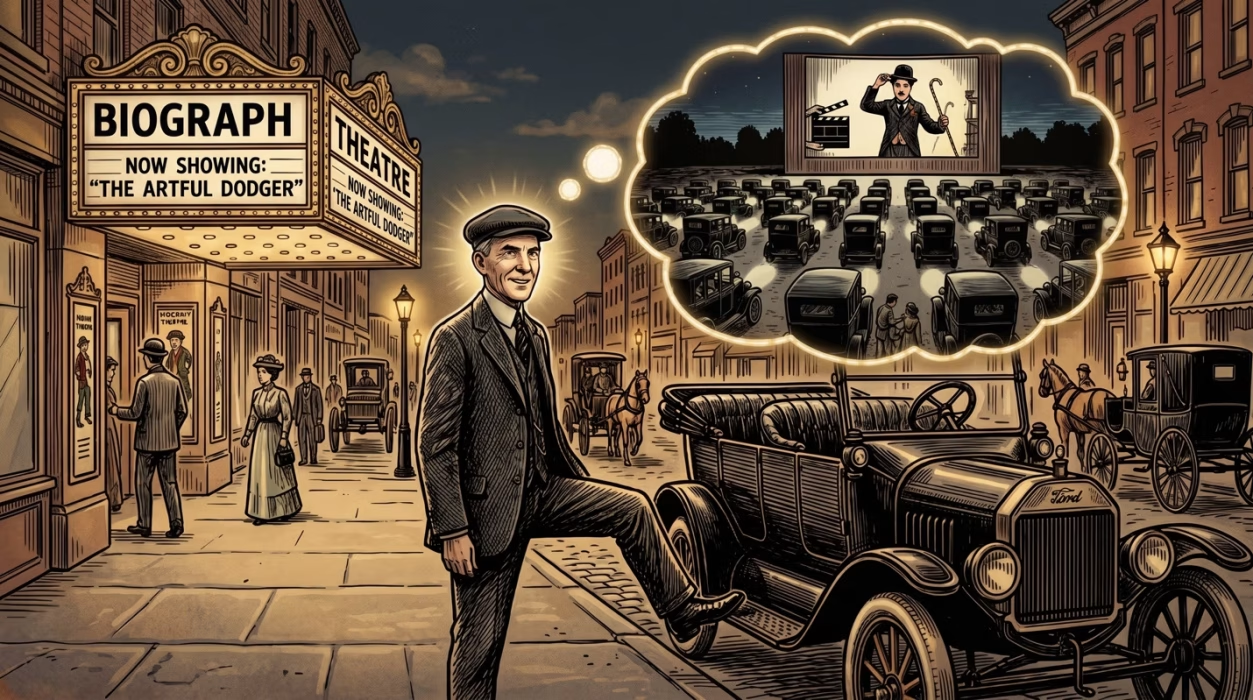

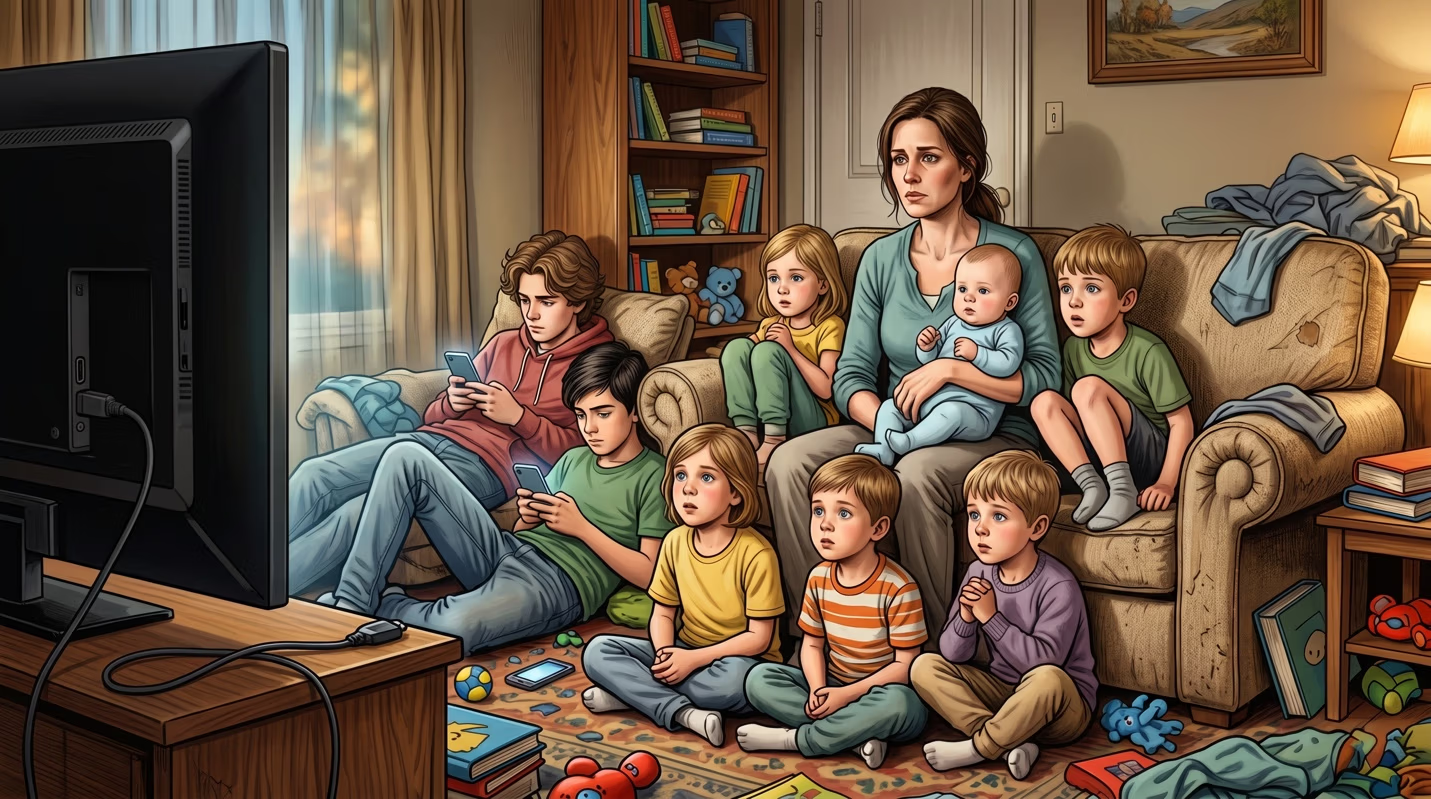
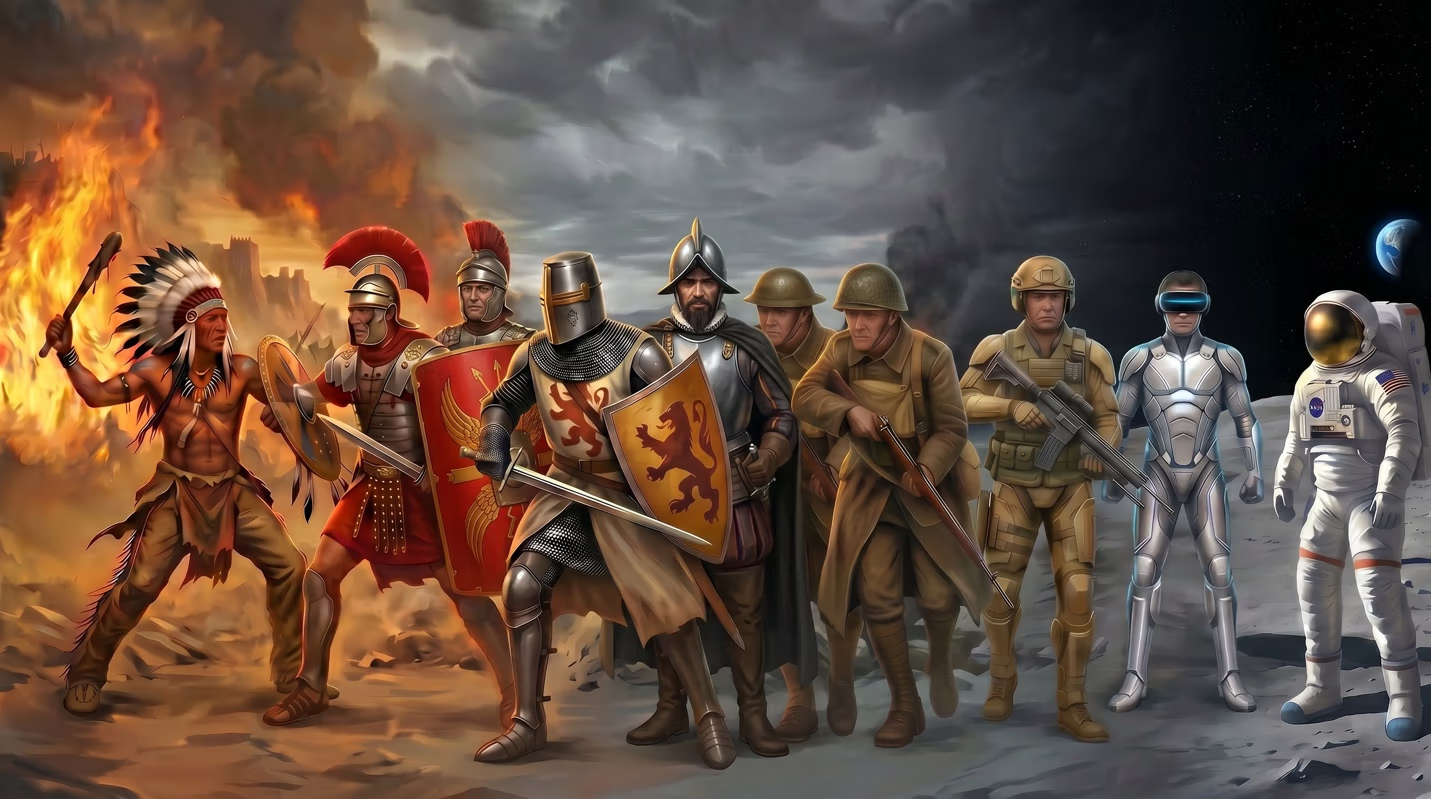
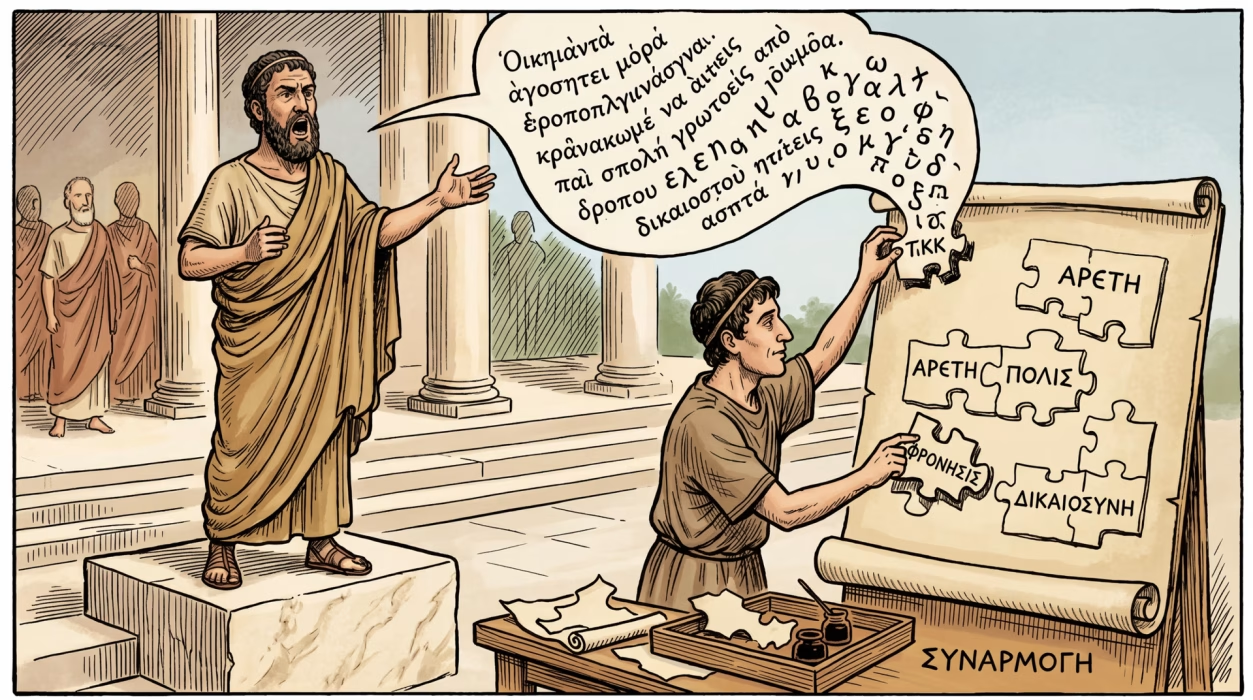

…such gestures create new kinds of metaphor by bringing together unlike and unlikely situations which suddenly illuminate one another, creating a kind of mental sneeze.
“The Comics and Culture”, in Saturday Night, Feb 23 1953, p 19
Year: 1953
Chapter:
Cartoons, Comics
[Comics] may eventually be seen as that army of mercenaries which upheld the scheme of things for pay when all the responsible, disinterested and cultivated folk had fled.
“The Comics and Culture”, in Saturday Night, February 23, 1953, p 19
Year: 1953
Chapter:
Cartoons, Comics
The computer has no need for verbal programming. Gestures, both macroscopic and microscopic, can readily substitute for language.
“The Man Who Came to Listen” with Barrington Nevitt, In Peter Drucker’s Contributions to Business Enterprise, Eds., T. H. Bonaparte and J. E. Flaherty (New York: New York University Press, 1970), p 54
Year: 1970
Language, as we know, profoundly influences culture; ’’non-verbal” and non-linear language and expressive behavior has an influence incalculably more dynamic.
Letter to the Editor, Time magazine, July 9, 1964 (LAC)
Year: 1964
One's vernacular is best seen and felt through another tongue. And for us, at least, society is only appreciated by comparing and contrasting it with others. Pictorial and other experience today is filled with metaphors from all the cultures of the globe. Whereas the written vernaculars have always locked men up within their own cultural monad, the language of technological man, while drawing on all the cultures of the world, will necessarily prefer those media which are least national. The language of visual form is, therefore, one which lies to hand as an unused Esperanto at everybody's command. The language of vision has already been adopted in the pictograms of scientific formula and logistics. These ideograms transcend national barriers as easily as Chaplin or Disney and would seem to have no rivals as the cultural base for cosmic man.
“Culture without Literacy”, in Explorations #1, December (1953), p 127 reprinted in Essential McLuhan, (1995), p 312, additional reprint in Media Research Technology, Art and Communication (1997), p 138, and McLuhan Unbound #6, (2017)
Year: 1953
Well before Gutenberg's development of printing from movable types, a great deal of printing on paper by woodcut had been done. Perhaps the most popular form of this kind of block printing of text and image had been in the form of the Biblia Pauperum, or Bibles of the Poor. Printers in this woodcut sense preceded typographic printers, though by just how long a period it is not easy to establish, because these cheap and popular prints, despised by the learned, were not preserved any more than are the comic books of today. The great law of bibliography comes into play in this matter of the printing that precedes Gutenberg: "The more there were, the fewer there are." It applies to many items besides printed matter—to the postage stamp and to the early forms of radio receiving sets.
Understanding Media, (1964), MIT/Routledge edition, p 159
Year: 1964
It is relevant to consider that the old prints and woodcuts, comic strip and comic book, provide very little data about any particular moment in time, or aspect in space, of an object. The viewer, or reader, is compelled to participate in completing and interpreting the few hints provided by the bounding lines.
Understanding Media (1964), MIT/Routledge edition, p 160
Year: 1964
Since the advent of TV, the comic book has gone into a decline. It is, perhaps, obvious enough that if a cool medium involves the viewer a great deal, a hot medium will not. It may contradict popular ideas to say that typography as a hot medium involves the reader much less than did manuscript, or to point out that the comic book and TV as cool media involve the user, as maker and participant, a great deal.
Understanding Media, (1964), MIT/Routledge edition, p 161
Year: 1964
John Donne and George Herbert were engaged in transferring to the new printed page of the seventeenth century many of the effects which had previously been popular in the pictorial world of the later Middle Ages. For them print had made the visual arts recessive and quaint. In this century, while the vogue for metaphysical poetry had come and gone, the sudden predominance of he graphic arts has made print recessive. So a parallel but reverse combination of visual media corresponded for a few years between the seventeenth and twentieth centuries.
“A Historical Approach to the Media” (1955), p 105
Year: 1955
Philip Marchand:
[In a proposal McLuhan made to the editors of Time and Life magazine] “….that they bring the articles in Life magazine up to the full dynamic integration of image and text as the advertisements, with the “same iconic inclusiveness and integrity of the image.”
Marshall McLuhan The Medium and the Messenger (1989), p 156
Year: 1989
Chapter:
Iconic
W.T. Gordon:
“What appealed to McLuhan about Dada was the way it breached the aesthetic categories of the verbal and the visual, combining them in such a way as to produce a critique of representational norms. Given McLuhan’s claim that media tended to produce artificial environments and the artists produced count-environments as a way of critiquing them, the artist took a high profile role in his theory of media.
Introduction to “Culture and Technology” (1966), in the anthology On the Nature of Media (2016) , p 84
Year: 1966