Viewing chapter Harmony (14 quotes)
We can musically harmonize our lives to a fantastic degree today. And we are heading that way.
“The Medium Brings His Message to the Governor”, in Los Angeles Times, March 12, (1978), p
Year: 1978
Chapter:
Anticipating Change
It becomes more clear each day that structure and design in all levels of human organization are becoming orchestral. Our new electric ago no longer presents any specialized cultural gradient. Ours is the age of the zero-gardient in which all times and cultures are in a continuous dialogue. To be a participant in this dialogue is most satisfying.
“Autobiography”, an undated 3-page typescript from 1970 or the early 1970s, p 2
Year: 1970
But discontinuity, whether in cultures or physics, unavoidably invokes the ancient notion of harmony. And it is out of the extreme discontinuity of modern existence, with its mingling of many cultures and periods, that there is being born today the vision of a rich and complex harmony.
The Mechanical Bride (1951), p 97
Year: 1951
Chapter:
Discontinuity
In modern poetry the concern with cause and effect in a society of rapid change brought the little epic form back into prominence in Pound, Eliot, and Joyce, among others”
From Cliché to Archetype with Wilfred Watson (1970), p 87
Year: 1970
Chapter:
Poetry
Is it not terribly wasteful of values and opportunities, as well as destructive of harmony that unwittingly men should so embroil themselves in civil feuds arising from media change?
“New Media and the new Education” (1960), p 190
Year: 1960
The study of communication theory and practice… seems inevitably to hold the key to the unification of the proliferating specialisms of modern knowledge. In this study, the physicists can profitably confer with the student of poetry or philosophy. And the advertising executive can converse intelligibly with the anthropologist or linguist. In moving towards the harmonizing of the arts and sciences, the later Innis appears as one of the indisputable pioneers whose work will for long remain not only a standard reference but a source of ever renewed insight.
“The Later Innis" Queen's Quarterly, Vol. 60, No 3, Autumn (1953), p 393-394, reprinted in On the Nature of Media (2016), p 47
Year: 1953
Chapters:
Communication | Living Unity
The job of the artist is not to sign but to read signatures. Existence must speak for itself. It is already richly and radiantly signed. The artist has merely to reveal, not to forge the signature of existence, as a pure ensemble existence. But he can only put these in order by discovering the orchestral analogies in things themselves. The result will be “the hymn, harmony and joy ordered in the sharpest and most vivid circumstances of their interrelations. Man charged with divine vision has no other mode of expression save the parallelism of pages as a means of expressing the links, the whims, the limpidity on which he gazes.” [Quote by Stephane Mallarmé]
"Joyce, Mallarmé and the Press", in The Sewanee Review, Vol.62, No.1, Jan-March (1954), p 49, reprinted in The Interior Landscape The Literary Criticism of Marshall McLuhan, (1969), p 15
Year: 1954
Chapter:
Living Unity
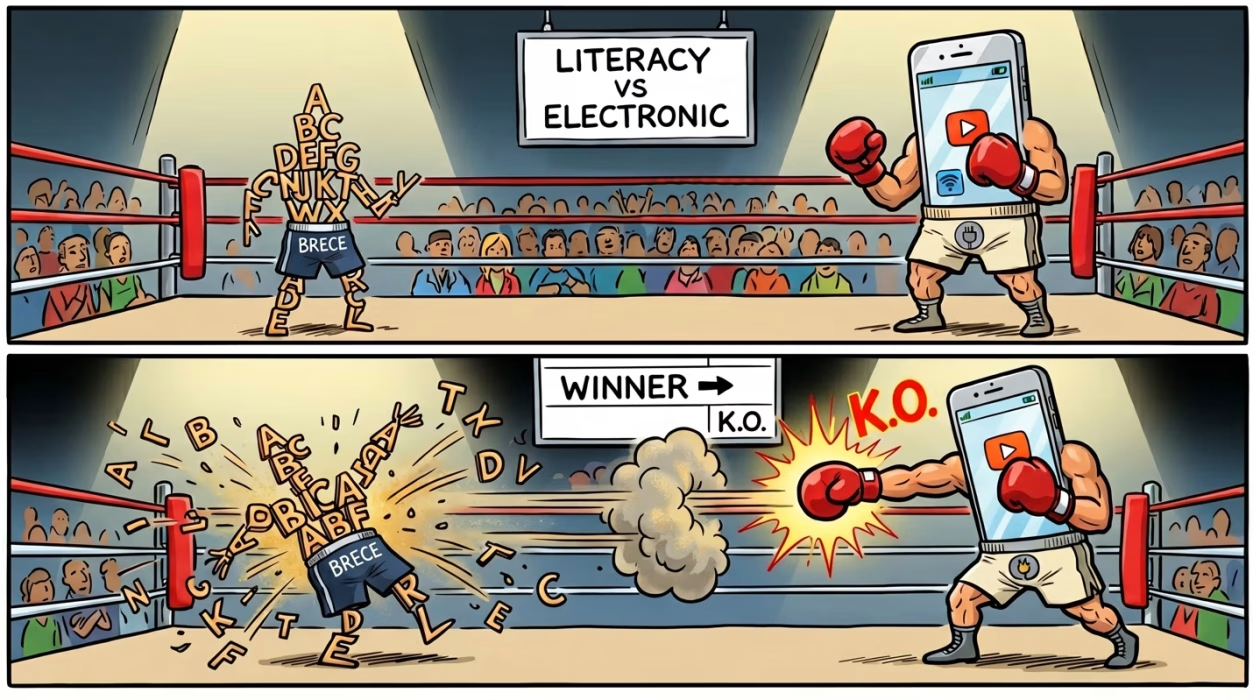

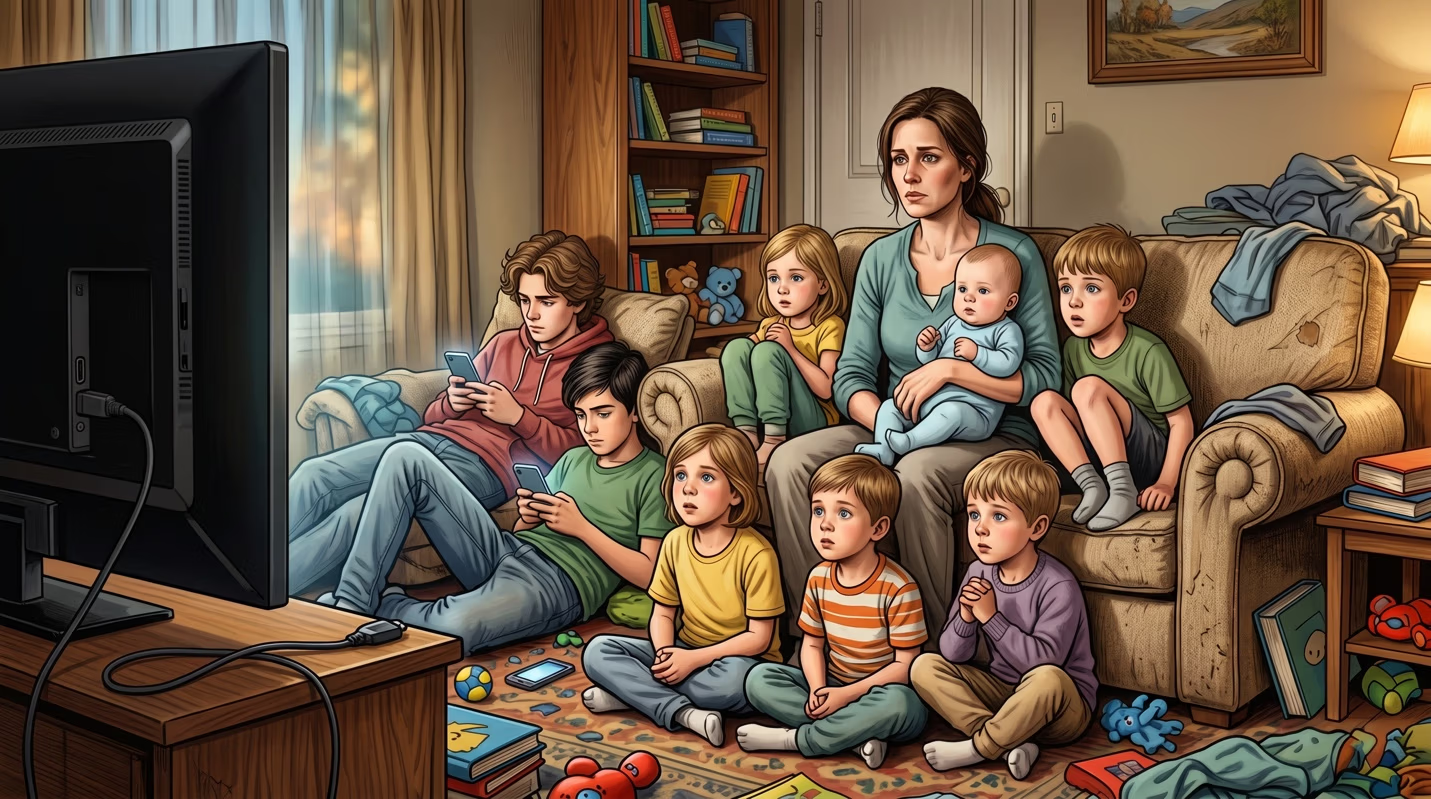

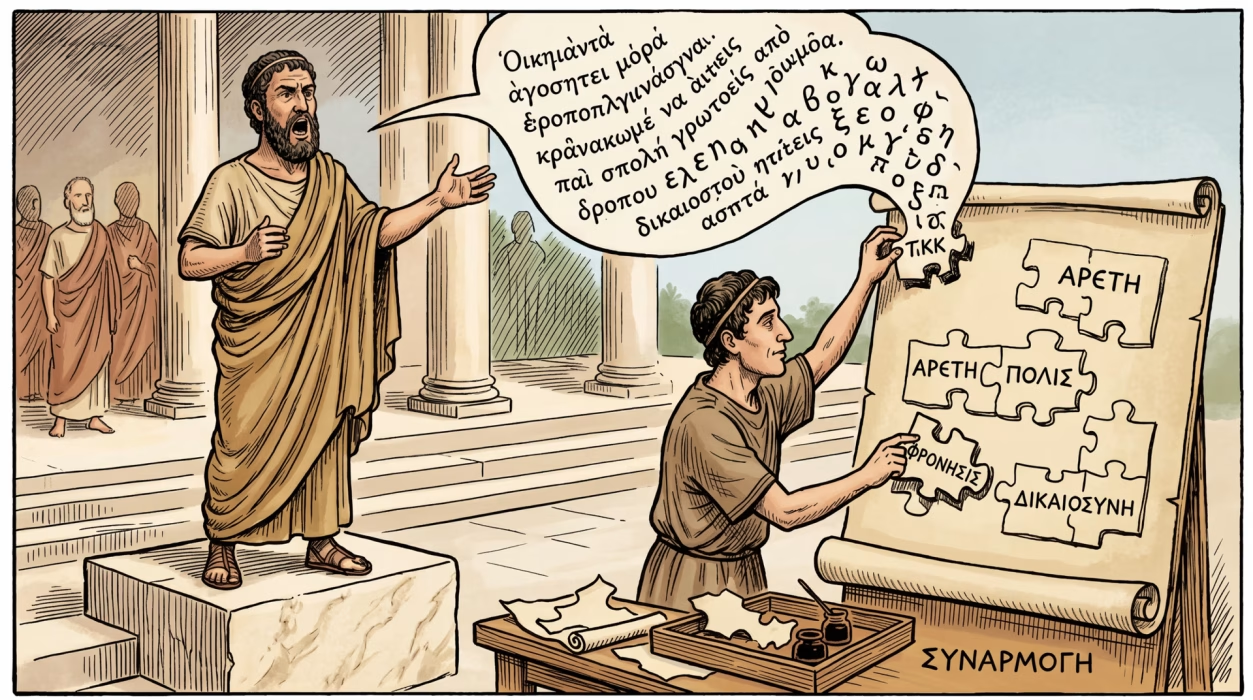

We must understand that a totally new society is coming into being, one that rejects all our old values, conditioned responses, attitudes and institutions. If you have difficulty envisioning something as trivial as the imminent end of elections, you’ll be totally unprepared to cope with the prospect of the forthcoming demise of spoken language and its replacement by a global consciousness.
Playboy Interview (1969), in Essential McLuhan (1995), p 252
Year: 1969
Chapter:
Democracy
That situation...always adds up to the need to discover means for translating the experience of one medium or one culture into another, of translating Confucius into Western terms and Kant into Eastern terms. Of seeing our old literary culture in the new plastic terms in order to enable it to become a constitutive part of the new culture created by the orchestral voices and gestures of new media. Of seeing that modern physics and painting and poetry speak a common language and of acquiring that language at once in order that our world may possess consciously the coherence that it really has in latency, and which for lack of our recognition has created not new orchestral harmonies but mere noise.
“Culture without Literacy”, in Explorations #1, December (1953), p 126 reprinted in Essential McLuhan, (1995), p 311, additional reprint in Media Research Technology, Art and Communication (1997), p 136, and McLuhan Unbound #6, (2017)
Year: 1953
Chapter:
Living Unity
We now have to confront the need for an ecology of media themselves. It’s not just raw materials but the manmade materials too that now have to be harmonized and resolved in their interaction. Tony Schwartz, in his book “The Responsive Chord”, explains this very tricky problem about television as a new environmental medium, by saying that the TV image uses the eye as an ear.
LIVING IN AN ACOUSTIC WORLD, SPEECH AT UNIVERSITY OF SOUTH FLORIDA. 1974, transcript, 5 0.01 and forward
Year: 1974
Chapters:
Ecology | Media Study
Today we can maintain visual values only if we choose to moderate the intensity of the acoustic resonance, even as we might choose to turn down the sounds of a Rock concert in order to engage in dialogue. Knowing, as we do, the constituents of both civilized and tribal cultures, of both the private, rational individual, and the corporate, mystical, tribal man, it becomes our privilege and responsibility alike to mix and harmonize these factors even as the Greeks chose to alter the Dionysian fury with Appollonian detachment.
“My Last 3 Books,” undated, unpublished essay circa 1973-1976, typescript, p 8
Year: 1973
Chapter:
Balance
[Describing his unfinished project, the “20th Century Baedeker"] ...a guide to unrecognized harmonies among the arts and sciences...”
Letter to Dorothy Shakespear Pound [wife of Ezra Pound] Late September 1948, in Letters of Marshall McLuhan (1987), p 205
Year: 1948
Chapter:
Living Unity
Here is a major instance of how a by-product of industrial imagination, a genuine agency of contemporary folklore, led to radical artistic developments. To the alerted eye, the front page of a newspaper is a superficial chaos which can lead the mind to attend to cosmic harmonies of a very high order. Yet when these harmonies are more sharply stylized by a Picasso or a Joyce, they seem to give offence to the very people who should appreciate them most.
The Mechanical Bride (1951), p 4
Year: 1951
Chapters:
Living Unity | News
The future of language presents the possibility of a world without words, a wordless, intuitive world, like a technological expression of the action of consciousness. E.S.P.
“The Invisible Environment: The Future of an Erosion”, Perspecta, Vol.11, (1967), p 167, reprinted in On the Nature of Media, (2016), p 124
Year: 1967