Viewing chapter History (45 quotes)
…when communication devices have achieved the speed of light, there occurs a social and historical simultaneity as well as a local and temporal one. And since the various societies of our world comprise many ages, as well as many places, the immediate effect of modern communication in overlaying all of these is to create dislocation and distress.
“Technology and Political Change,” International Journal, Vol 7, No. 3, Summer, (1952), p 194
Year: 1952
“History is now,” as Eliot sees it in Four Quartets. This “cubist” sense of the past as a dimension of the present is natural in four-level scriptural exegesis and ancient grammar. It is necessary to enjoyment of Ulysses or the Wake with its theme that “pastimes are past times” that the popular press, popular games, and ordinary speech are charged with the full historic weight of the collective human past.
“James Joyce: Trivial and Quadrivial” Thought: Fordham University Quarterly Vol. 28, No 1, (1953), in The Interior Landscape (1969), p 45
Year: 1953
Chapter:
Cubism
Leopold Bloom’s idea for getting back to the Garden of Eden [was] by knotting all the umbilical cords from then till now.
Culture Is Our Business, (1970), p 174
Year: 1970
What I wish to show is that today we experience, in reverse, what pre-literate man faced with the advent of writing.
“An Historical Approach to the Media of Communication” (1955), speech given at Columbia University, July 26, 1955, typescript, p 2
Year: 1955
May not the upshot of our technology be the awakening from the historically conditioned nightmare of the past into a timeless present? Historic man may turn out to have been literate man. An episode.
“Culture without Literacy”, in Explorations #1, December (1953), p 127 reprinted in Essential McLuhan, (1995), p 312; additional reprints in Media Research Technology, Art and Communication (1997), p 138, and McLuhan Unbound #6, (2017)
Year: 1953
By extending the technique of reporting the coexistence of events in China and Peru from global space to the dimension of time, Joyce achieved the actualized realism of a continuous present for events past, present, and future.
"Joyce, Mallarmé and the Press", in The Sewanee Review, Vol.62, No.1, Jan-March (1954), p 45-46, reprinted in The Interior Landscape The Literary Criticism of Marshall McLuhan, (1969), p 12.
Year: 1954
Chapter:
Ignorance
Electrically, [man’s] total history is now potentially present in a kind of simultaneous transparency which Joyce calls “heliotropic nighttime.”
War and Peace in the Global Village (1968), pp 177-178
Year: 1968
Chapter:
Present [The]
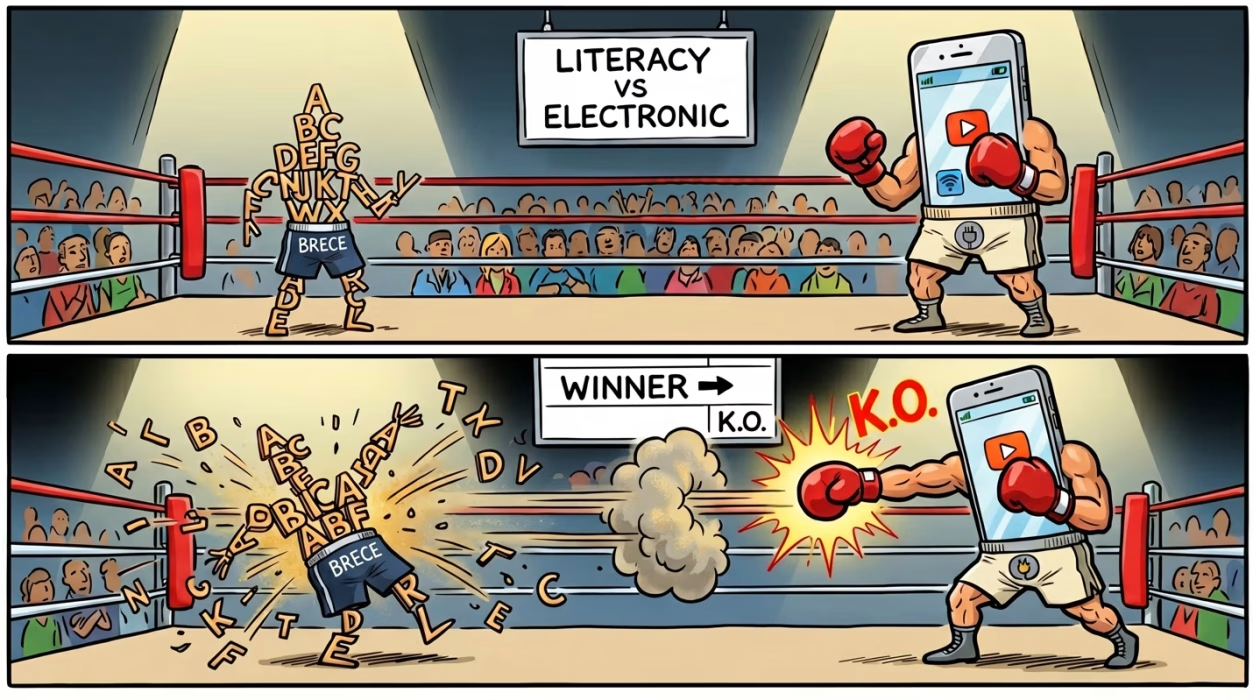
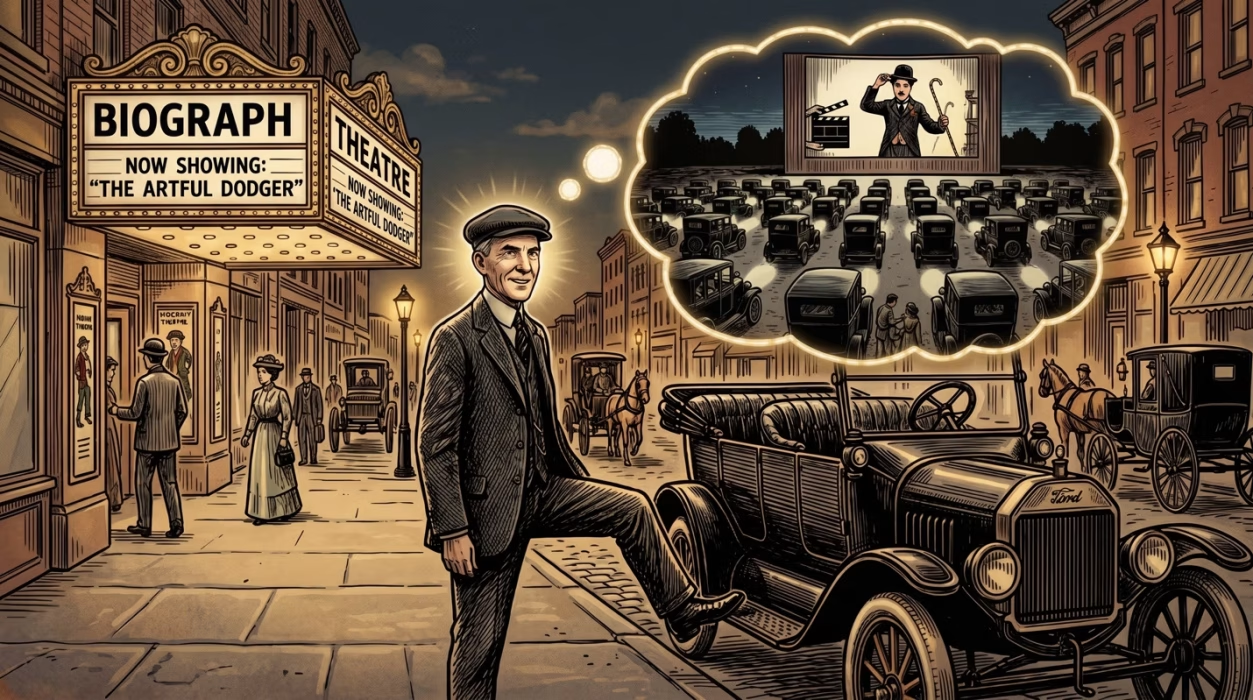
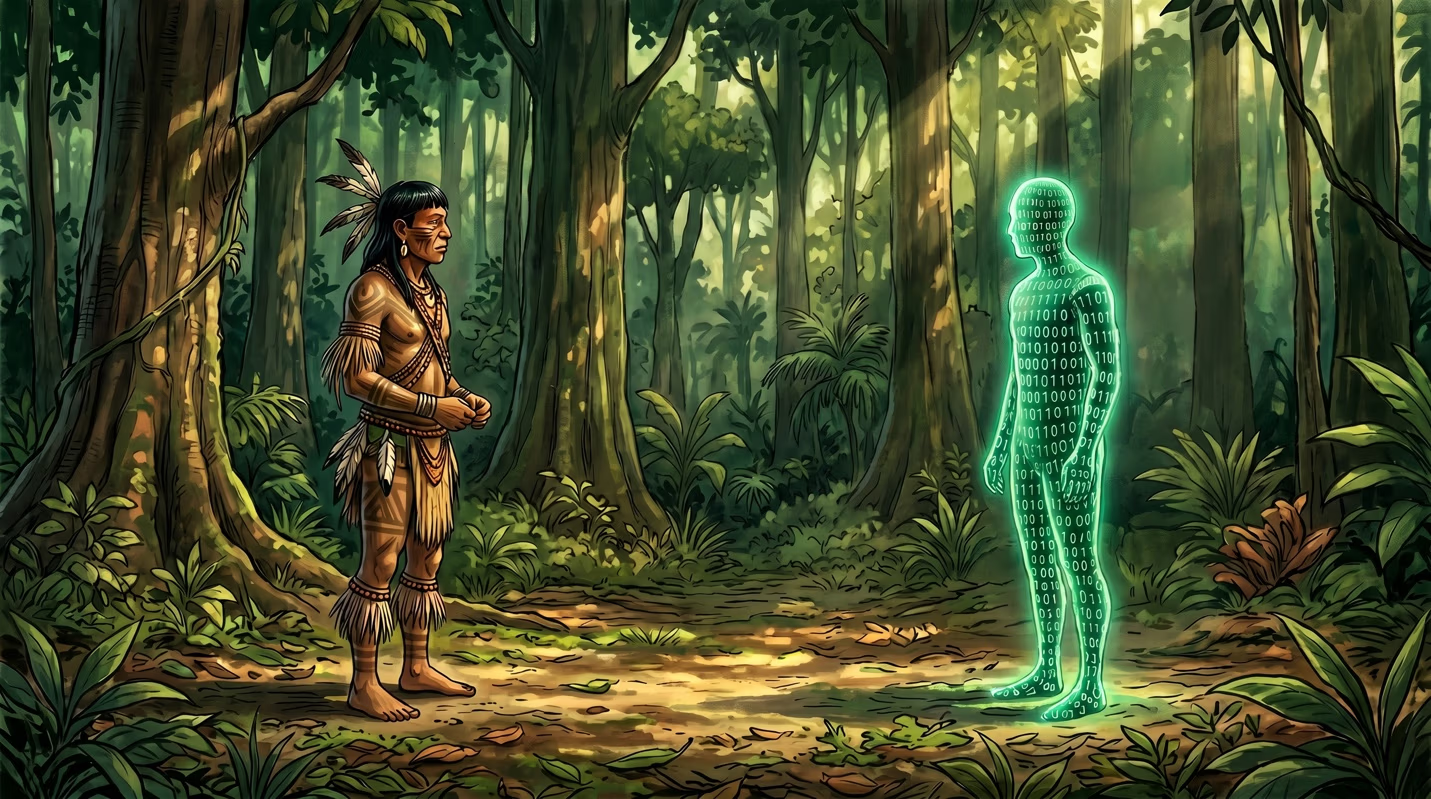
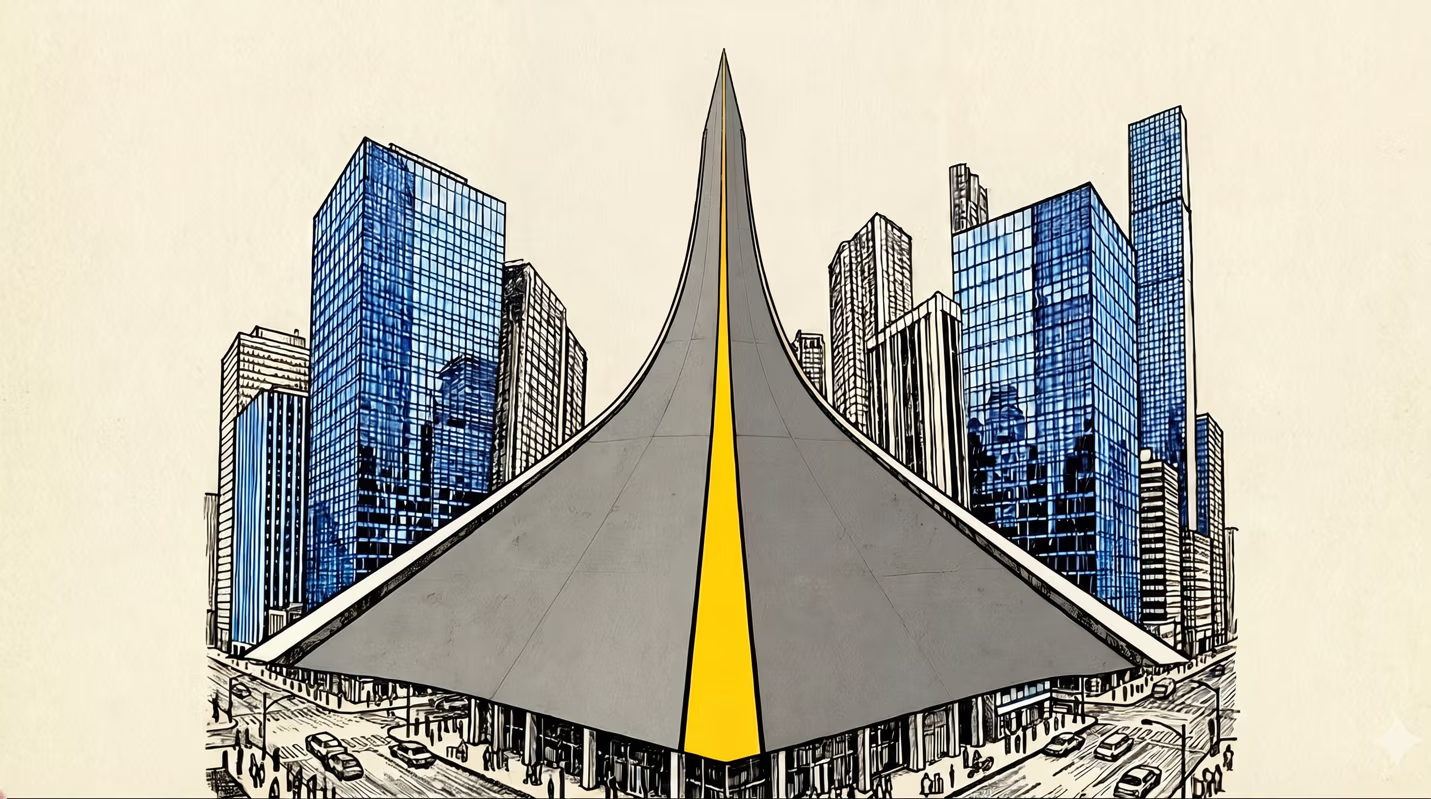
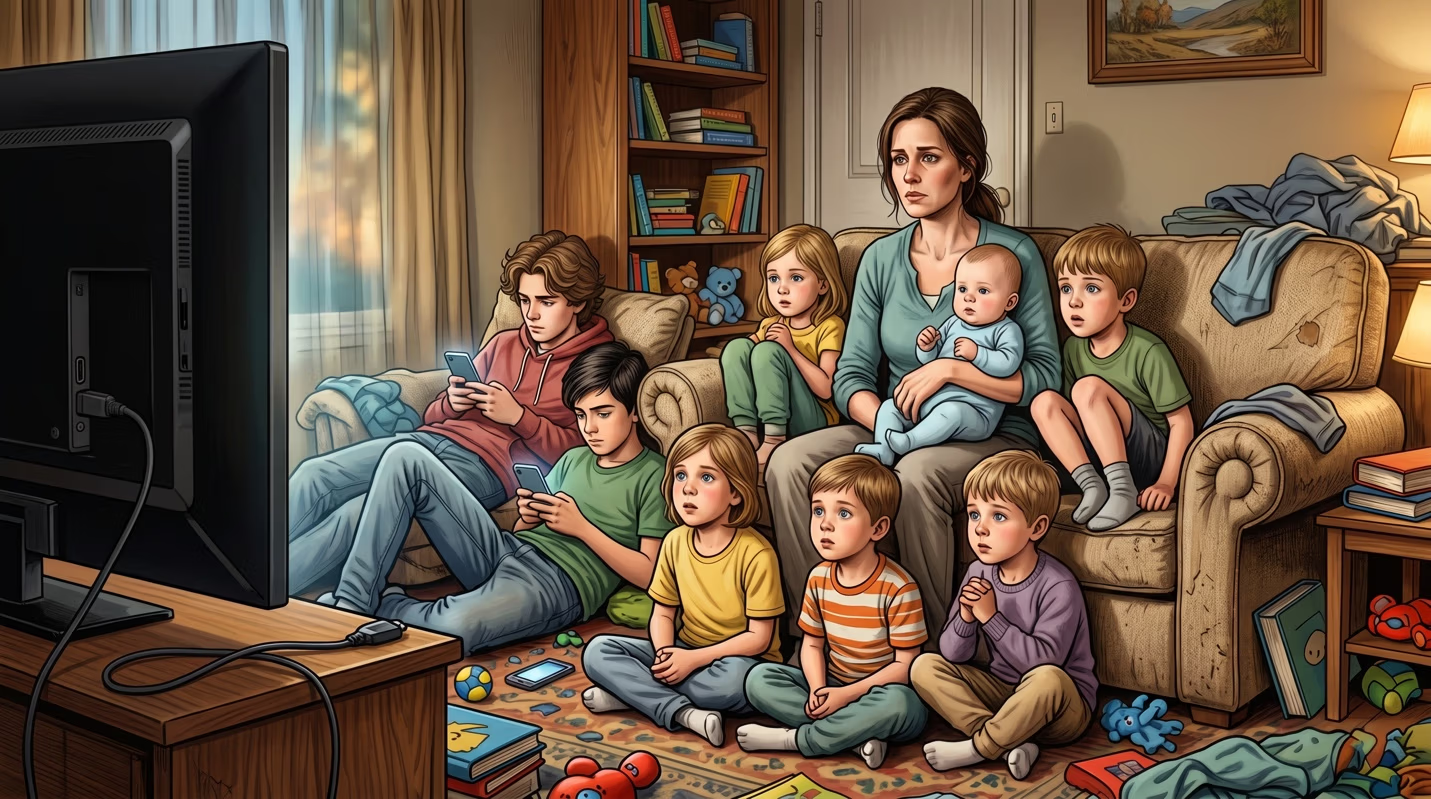
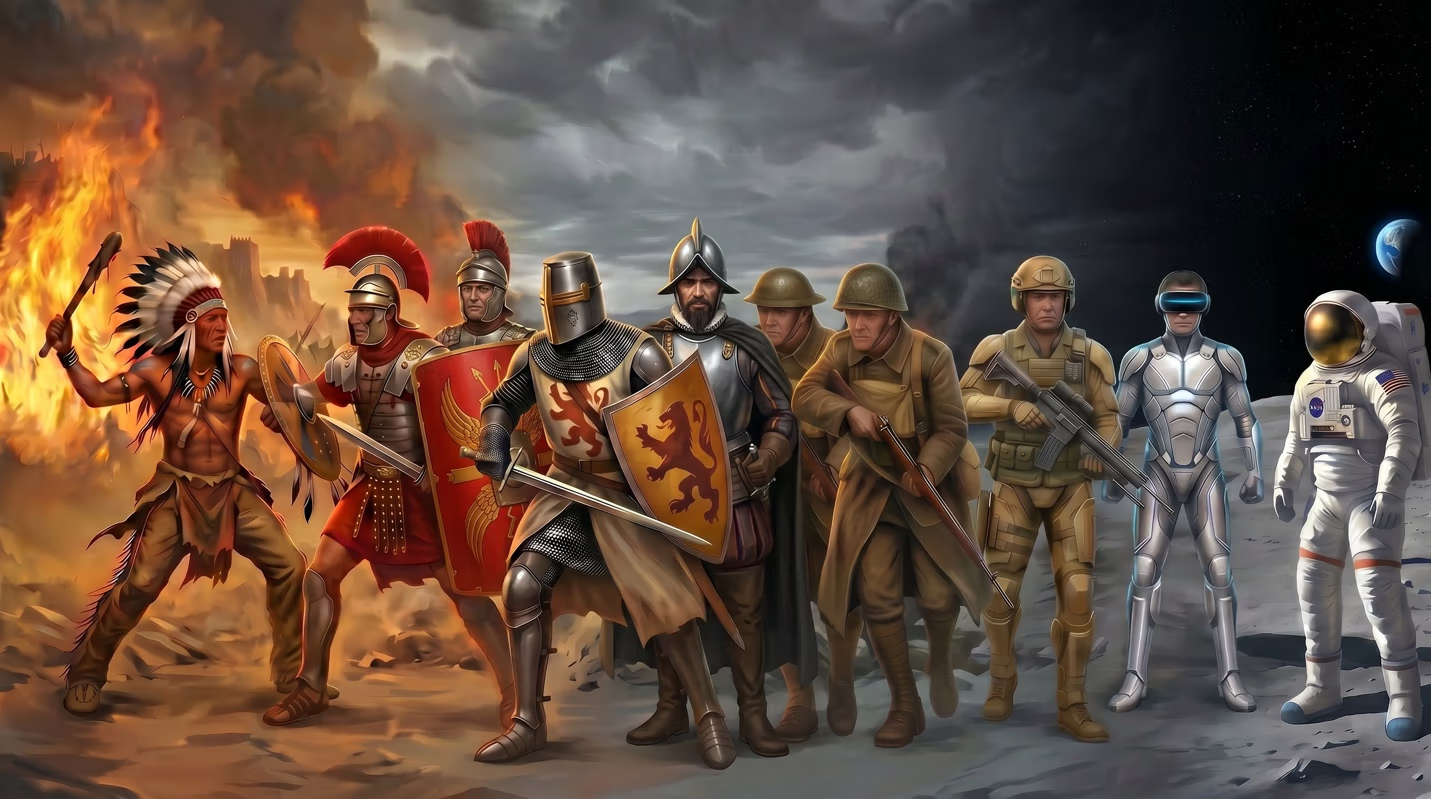
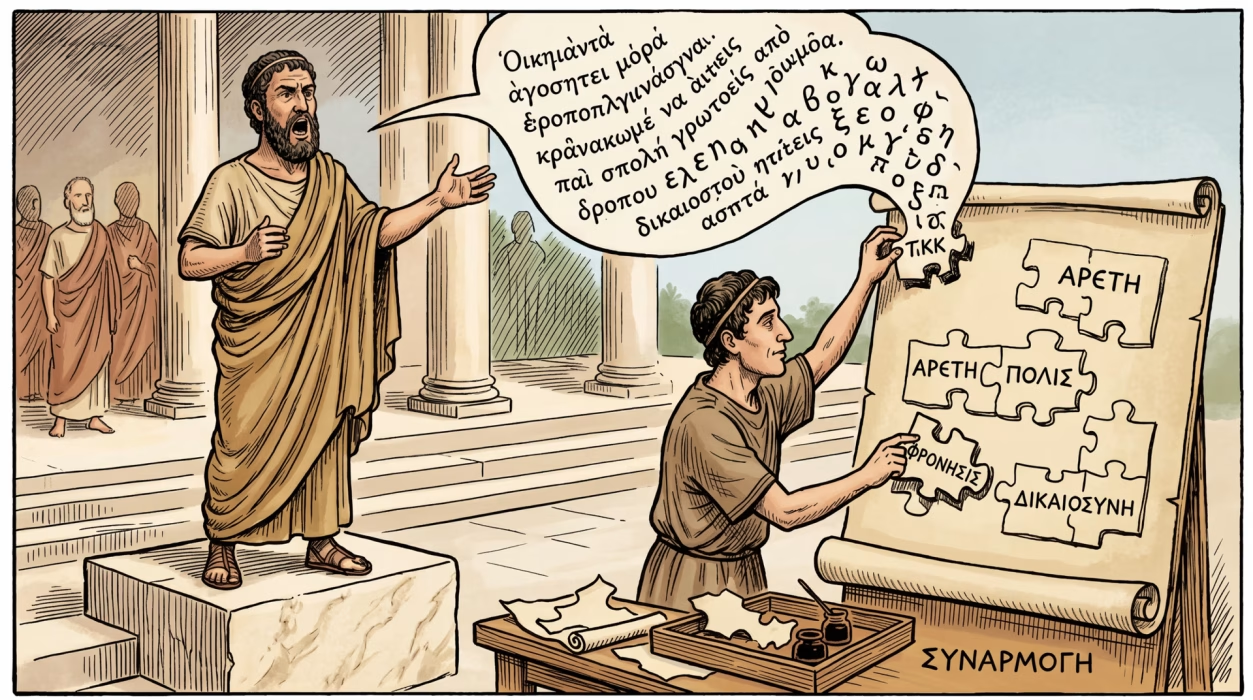

We moved out of that [post-historic era] a long time ago. History after all is a fiction, an invention of literacy. As we moved into the electric circuit period, we moved out of that form of organizing knowledge. History is a rear view method of ordering life and knowledge, and it consists in adopting a position from which to examine the past. Once you move into a very fast-moving world in which you play a whole field, you can’t have history.
MIT--SSSR (1966), p 6
Year: 1966
Chapter:
Electric, Electronic
Under electric conditions there is no past, there is only an all-at-onceness, like Expo: everything is all at once, all the cultures of the world at the same moment. So history ceases to exist: that is, history as a kind of perspective, over-the-shoulder, retrospect. This is meaningless. Today, any child can go to any part of the world, by one means or another, and inspect the archaeological remains or the cultures of any part of the world. There is no question of history retaining any of its former authority…
Interview, Catholic Trustee, December, 1967, p 24
Year: 1967
The replaying of past events in “realistic” ways began with the power of print to retrieve ancient authors and historians. Our power to reconstruct the past has grown steadily with media enlargement, till Hollywood made such enlargements a major feature of this century.
“The Almighty User,” Chicago Sunday Sun-Times, ___, 1972, p 28
Year: 1972
It can only be repeated that human history is a record of "taking it on the chin”.
Understanding Media (1964), MIT/Routledge edition, p 66
Year: 1964
Thus the world itself becomes a sort of museum of objects that have been encountered before in some other medium.
Understanding Media (1964), MIT/Routledge edition, p 198
Year: 1964
From the time of the telegraph onward, however, Western man began to live an implosion. He began suddenly with Nietzschean insouciance to play the movie of his 2,500-year explosion backward. But he still enjoys the results of the extreme fragmentation of the original components of his tribal life. It is this fragmentation that enables him to ignore cause-and-effect in all interplay of technology and culture.
Understanding Media, MIT/Routledge edition, (1964), p 270
Year: 1964
We begin to live a kind of Dante-esque vision that merges all pasts and presents.
Take Today with Barrington Nevitt (1972), p 191
Year: 1972
Instead of merely establishing a perspective for past cultures, our tendency today is to reconstruct entire past cultures from within. A whole galaxy of procedures is available to this end. And the result is very different from the perspectives and views of the past that became possible at the Renaissance.
“The Humanities in the Electronic Age” (1961), p 8
Year: 1961
If our present means of exploring and presenting the human past are such as to make simultaneously present all kinds of human pasts, then we have moved into the period of post-history.
“Educational Effects of Communication Media” (1956), p 402
Year: 1956
Chapter:
Literacy
History becomes “mythic” through time compression, and juxtaposition of events as past, present and future merge in electric nowness.
“Symposium: Technology and Causality” (1973), p 2
Year: 1973
Chapters:
Living Unity | Dropout
In an instantaneous world there is no past, because all the pasts are present, and there is no time since everything is always now.
Contribution to Spectrum of Catholic Attitudes (1969), p 139
Year: 1969
Living at the speed of light, all pasts and all futures are simultaneously now; there is no past time for pastimes to replay or ritualize, no “outside” (or “inside”) our own time or world. Games, sports and entertainment alike will all become a form of fantasy life of “now” and “me.”
“Living at the Speed of Light” (1979), typescript, p 20
Year: 1979
Chapters:
Inner/Outer | Today’s Transition
There’s no historical time until you have writing, and the idea of chronology is entirely lineal. If you don’t have a chronology, you have the year of the pig or the year or the fox or something like that…
J. Kirsch interview, September 13, 1976, transcript p 13
Year: 1976
Chapter:
Writing
History need never be oriented to the past. But today when we are again trying to make the new media do the old jobs we also have an orientation to the past which ensures the destruction of all achieved values, like recording [over] recorded tape.
Letter to David Reisman, February 18, 1960, in Letters of Marshall McLuhan (1987), p 261
Year: 1960
Chapters:
Law of Implementation | Rear View Mirror
Tradition, in a word, is the sense of the total past as now. Its awakening is a natural result of radio impact and of electric information, in general.
Understanding Media (1964), MIT/Routledge edition, p 301
Year: 1964
I think that we live in post-history in the sense that all pasts that ever were are now present to our consciousness and that all the futures that will be are here now. In that sense we are post-history and timeless. Instant awareness of all the varieties of human expression reconstitutes the mythic type of the consciousness, of once-upon-a-time-ness, which means all-time, out of time
“Electric Consciousness and the Church” (I970), in The Medium and the Light (1997), p 88
Year: 1997
Chapter:
Future
The past went thataway.
“The Medium Is the Message,” TV interview with Edward Binns (1960). Transcript: 49:51
Year: 1960
Chapter:
McLuhanisms & Zingers
Jet travel and satellite broadcasting will foster the grasp of languages, ancient and modern, in a simultaneous cultural transparency.
“The Humanities in the Electronic Age,” Humanities Association Bulletin (Canada), Volume 34, No.1, p.11, Fall, 1961, p ___ [locate]
Year: 1961
There is no story line in modern art or news – just a date line. There is no past or future, just an inclusive present.
Counterblast (1969), p 112
Year: 1969
Chapter:
Goodbye Linearity
We begin to live a kind of Dantesque vision that merges that merges all pasts and presents.
Take Today with Barrington Nevitt (1972), p 191; also “The Papal Interval” (1969) typescript, p 4
Year: 1972
Now that we have all been translated into electric information, the imagination is no longer needed in order to people our world with beings and objects from everywhere at once.
“Performances in Drama, the Arts, Society,” New Literary History, Vol. 2, No. 3, (Spring, 1971)
Year: 1971
Now, in our electronic environment – information environment -- everything that ever happened is out there now, and is retrievable now. All the events, all the happenings are out in our electronic world simultaneously: this gives them an archetypal, unconscious character.
Q and A with McLuhan, Take One, Nov-Dec., 1966, p I0
Year: 1966
“History as she is harped” has a totally different character from written history or literature. There is no chronology in Homer, no perspective, and no retrospect. It’s all now.
“Yestertomorrow of the Book” (1972), p 20
Year: 1972
In our time the nature of technological change has been so rapid as to constitute a kind of recapitulation in a few years of all previous cultural evolution. That fact, fully apprehended by James Joyce, provided the matrix of Finnegans Wake.
“A Historical Approach to the Media” (1955), p 107
Year: 1955
Since every innovation creates a new environment that scraps the preceding one, consists of the fragments of smashed cultures but provide an environment which packages them for the consumer use of 19th century mind. [confirm wording]
Letter to Marshall Fishwick, November 10, 1969, [not in Letters]
Year: 1969
Chapters:
Environment | Extension Theory
Well, I think that we live in post-history in the sense that all pasts that ever were are now present to our consciousness and that all the futures that will be are here now. In that sense we are post-history and timeless. Instant awareness of all the varieties of human expression reconstitutes the mythic type of the consciousness, of once-upon-a-time-ness, which means all-time, out of time. Now, in our electronic environment – information environment – everything that ever happened is out there now, and is retrievable now. All the events, all the happenings are out in our electronic world simultaneously; this gives them an archetypal, unconscious character.
Questions and Answers with Marshall McLuhan." Take One Magazine. 1966. Page 10
Year: 1966
Modern technology which began by a visual recovery of the past in print has now come to the point of acoustic and visual recovery which installs us once more in the heart of primeval consciousness and experience.”
Counterblast (1969), p 115 [confirm]
Year: 1969
Just as history begins with writing, so it ends with TV. Just as there was no history when there was no linear time sense, so there is post-history now when everything that ever was in the world becomes simultaneously present to our consciousness
Counterblast, 1969, p 122
Year: 1969
The unconscious, just because it is an all at once world of everything that ever was, now becomes environmental. We can now have outside ourselves everything that men ever were, or knew, or experienced—simultaneously.
Technology And World Trade. Proceedings of a Symposium. November 16-17, 1966
Year: 1966
In an instantaneous world there is no past, because all the pasts are present, and there is no time since everything is always now.
Spectrum of Catholic Attitudes, 1969, p 138
Year: 1969
From the time of the telegraph onward, however, Western man began... to play the movie of his 2,500-year explosion backwards.
Understanding Media (1964), MIT/Routledge edition, p 237
Year: 1964
Living at the speed of light, all pasts and all futures are simultaneously now.
“Living at the Speed of Light”, 1979, p 20 of typescript
Year: 1979
Chapters:
Future | McLuhanisms & Zingers
Remember, at the speed of light you can go through centuries in a few minutes.
“What TV Is Doing to Use -- and Why”, Washington Post, 1977, p [locate the rest]
Year: 1977
Experience translated into a new medium literally bestows a delightful playback of earlier awareness
Understanding Media (1964), MIT/Routledge edition, p 211
Year: 1964
As new media continue to poliferate, the nature of" news" will naturally change too, along with the perpetually renewed revolution in information speeds and patterns.
At the Moment of Sputnik-- 1974, in MM: The Man and His Message (1989), pp 10-11
Year: 1974
Chapter:
Change
Paradoxically, while the East is going West in pursuit of hardware technology, it is McLuhan: Well, I think that we live in post-history in the sense that all pasts that ever were are now present to our consciousness and that all the futures that will be are here now. In that sense we are posthistory and timeless. Instant awareness of all the varieties of human expression reconstitutes the mythic type of consciousness, of once- upon-a-time-ness, which means all-time, out of time.
“Electric consciousness and the church”, in The medium and the light, p 88
Sour gripes.
Spoken to Bill Kuhns in 1970, McLuhan’s offhand way of characterizing his critics.
Year: 1970
Chapter:
McLuhanisms & Zingers
Chronology – we value chronology. In the present age you can have access to all the ages that ever were, at any instant you want. You don’t have to wait for chronology anymore, and that goes for the future as well as the past.
The Museum as Large-Room Pinball Machine, Marshall McLuhan, Harley Parker, and Museum Professionals, 1967, full transcript of a seminar at the City Museum of New York, October 9-10, 1967, edited by William Buxton, U. of Alberta Press, 2026, p 169171
Year: 1967
Chapters:
Linear and Nonlinear | Present [The]