Viewing chapter Hot & Cool (30 quotes)
The “hard” sell and the “hot” line become mere comedy in the TV age, and the death of all the salesmen at one stroke of the TV axe has turned the hot American culture into a cool one that is quite unacquainted with itself.
Understanding Media (1964), MIT/Routledge edition, p 27
Year: 1964
Chapters:
Between Two Ages | Senses
In the very sense of a cool medium, Calvin Coolidge was so lacking in any articulation of data in his public image that there was only one word for him. He was real cool.
Understanding Media (1962), MIT/Routledge edition, p 29
Year: 1962
The detective story and the practical joke – plotted cruelly – are cool.
Quoted in the New York Times Book Review, May 1, 1966
Year: 1966
“But in terms of the reversal of procedures and values in the electric age, the past mechanical time was hot and we of the TV age are cool.
Understanding Media, 1964, MIT/Routledge edition, p 22
Year: 1964
Chapter:
Chiasmus, Flips, Reversals
Explanations that ignore the perceptual complementarity of eye and ear lead to conceptual conflict—the divorce of "rhyme and reason. "I have often seen it said," repeats the specialist. “Speak that I may see thee," said the seer.
“The Argument: Causality in the Electric World”, in Technology and Culture, Vol.14, No. 1, January (1973), p 13, reprinted in McLuhan Unbound # 3, (2005), p 21
Year: 1973
Chapter:
Paradox
Color TV is the coolest possible mythic medium. In the hands of the old movie gang, it is used for hot effects of more intense realism.
Culture Is Our Business, (1970), p 86
Year: 1970
There is a basic principle that distinguishes a hot medium like radio from a cool one like the telephone, or a hot medium like the movie from a cool one like TV. A hot medium is one that extends one single sense in “high definition.” High definition is the state of being well filled with data. A photograph is, visually, “high definition.” A cartoon is “low definition,” simply because very little visual information is provided. Telephone is a cool medium, or one of low definition, because the ear is given a meager amount of information. And speech is a cool medium of low definition, because so little is given and so much has to be filled in by the listener. On the other hand, hot media do not leave so much to be filled in or completed by the audience. Hot media are, therefore, low in participation, and cool media are high in participation or completion by the audience. Naturally, therefore, a hot medium like radio has very different effects on the user from a cool medium like the telephone.
An example of the disruptive impact of a hot technology succeeding a cool one is given by Robert Theobald in The Rich and the Poor. When Australian natives were given steel axes by the missionaries, their culture, based on the stone axe, collapsed. The stone axe had not only been scarce but had always been a basic status symbol of male importance. The missionaries provided quantities of sharp steel axes and gave them to women and children. The men had even to borrow these from the women, causing a collapse of male dignity. A tribal and feudal hierarchy of traditional kind collapses quickly when it meets any hot medium of the mechanical, uniform, and repetitive kind. The medium of money or wheel or writing, or any other form of specialist speedup of exchange and information, will serve to fragment a tribal structure.
Understanding Media (1964), MIT/Routledge edition, p 24
Year: 1964
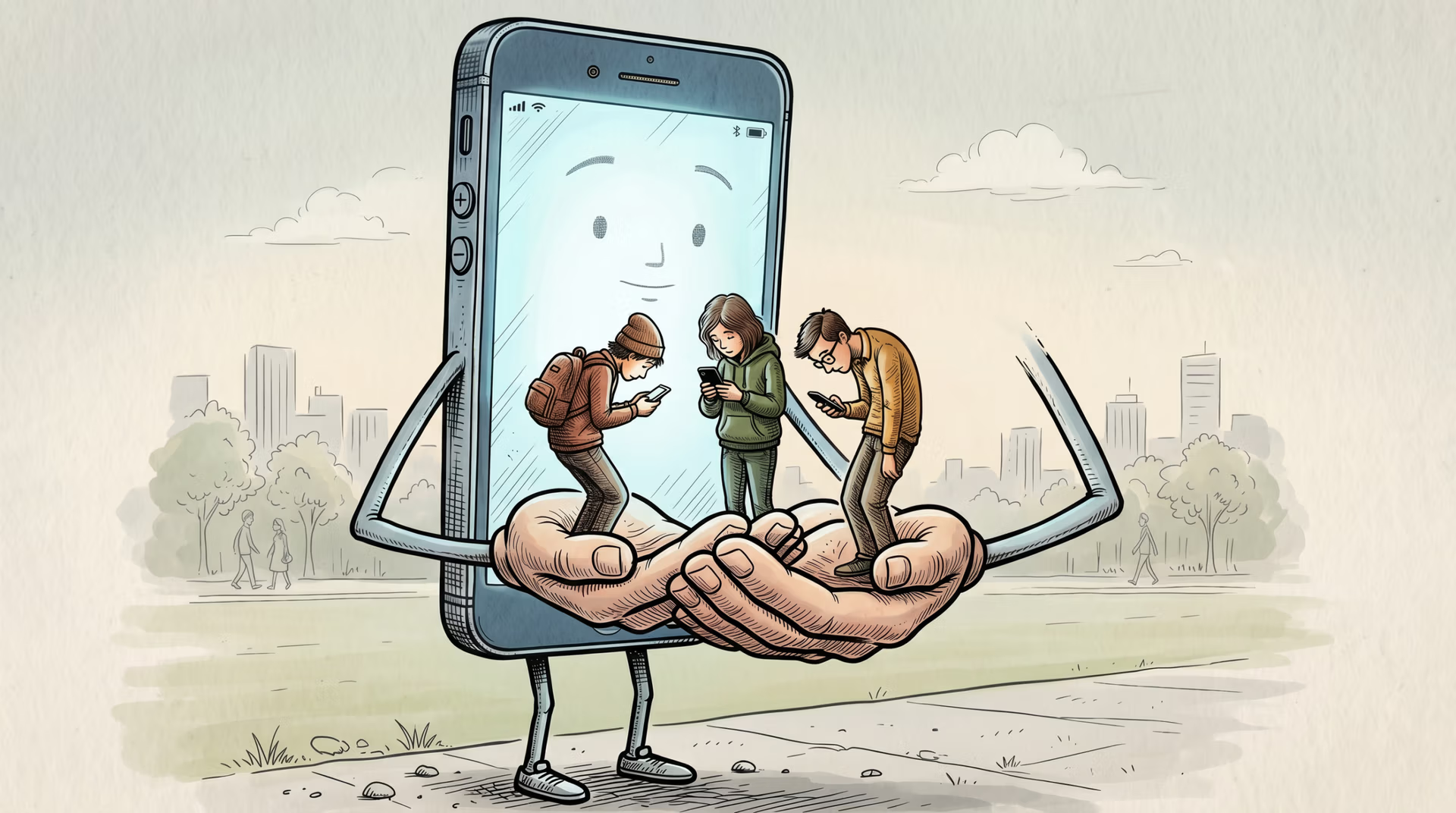
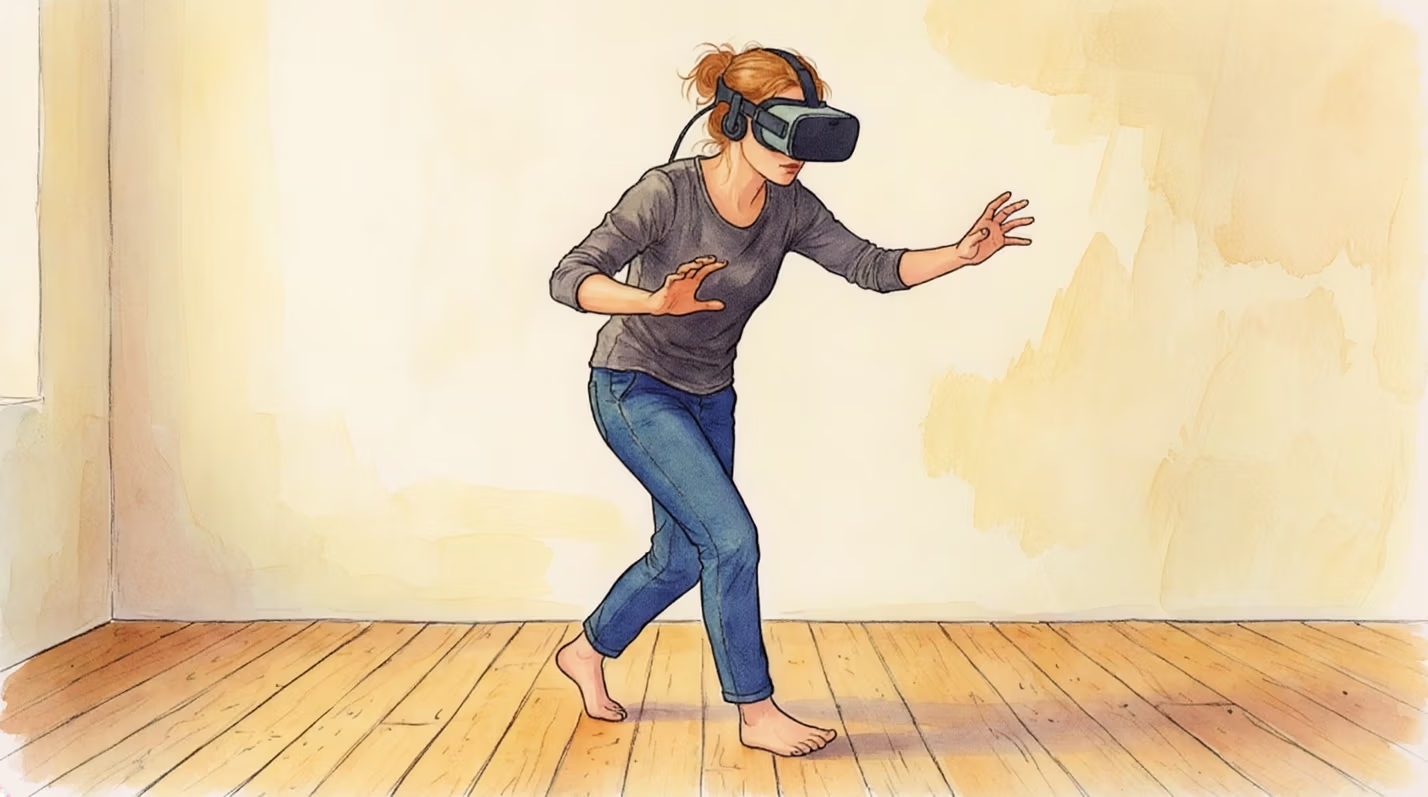
Basically, a hot medium excludes and a cool medium includes; hot media are low in participation, or completion, by the audience and cool media are high in participation. A hot medium is one that extends a single sense with high definition. High definition means a complete filling in of data by the medium without intense audience participation. A photograph, for example, is high definition or hot; whereas a cartoon is low definition or cool, because the rough outline drawing provides very little visual data and requires the viewer to fill in or complete the image himself. The telephone, which gives the ear relatively little data, is thus cool, as is speech; both demand considerable filling in by the listener. On the other hand, radio is a hot medium because it sharply and intensely provides great amounts of high-definition auditory information that leaves little or nothing to be filled in by the audience. A lecture, by the same token, is hot, but a seminar is cool; a book is hot, but a conversation or bull session is cool.
“Playboy Interview: Marshall McLuhan: A Candid Conversation with the High Priest of Popcult and Metaphysician of Media”. By Eric Norden. Playboy Magazine, March (1969), p 61, reprinted in Essential McLuhan (1995), p 246
Year: 1969
In a cool medium, the audience is an active constituent of the viewing or listening experience. A girl wearing open-mesh silk stockings or glasses is inherently cool and sensual because the eye acts as a surrogate hand in filling in the low-definition image thus engendered. Which is why boys make passes at girls who wear glasses. In any case, the overwhelming majority of our technologies and entertainments since the introduction of print technology have been hot, fragmented and exclusive, but in the age of television we see a return to cool values and the inclusive in-depth involvement and participation they engender. This is, of course, just one more reason why the medium is the message, rather than the content; it is the participatory nature of the TV experience itself that is important, rather than the content of the particular TV image that is being invisibly and indelibly inscribed on our skins.
“Playboy Interview: Marshall McLuhan: A Candid Conversation with the High Priest of Popcult and Metaphysician of Media”. By Eric Norden. Playboy Magazine, March (1969), p 61, reprinted in Essential McLuhan (1995), p 246
Year: 1969
Given only the sound of a play, we have to fill in all of the senses, not just the sight of the action. So much do-it-yourself, or completion and "closure" of action, develops a kind of independent isolation in the young that makes them remote and inaccessible. The mystic screen of sound with which they are invested by their radios provides the privacy for their homework, and immunity from parental behest.
Understanding Media (1964), MIT/Routledge edition, p 303
Year: 1964
Chapter:
Radio
In the 1920s, the telephone spawned a good deal of dialogue humor that sold as gramophone records. But radio and the talking pictures were not kind to the monologue, even when it was made by W. C. Fields or Will Rogers. These hot media pushed aside the cooler forms that TV has now brought back on a large scale. The new race of night-club entertainers (Newhart, Nichols and May) have a curious early-telephone flavor that is very welcome, indeed. We can thank TV , with its call for such high participation, that mime and dialogue are back. Our Mort Sahls and Shelley Bermans and Jack Paars are almost a variety of " living newspaper," such as was provided for the Chinese revolutionary masses b y dramatic teams in the 1930s and 1940s.
Understanding Media (1964), MIT/Routledge edition, p 270
Year: 1964
In the 1920s, the telephone spawned a good deal of dialogue humor that sold as gramophone records. But radio and the talking pictures were not kind to the monologue, even when it was made by W. C. Fields or Will Rogers. These hot media pushed aside the cooler forms that TV has now brought back on a large scale. The new race of night-club entertainers (Newhart, Nichols and May) have a curious early-telephone flavor that is very welcome, indeed.
Understanding Media (1964), MIT/Routledge edition, p 270
Year: 1964
It has to do with the slang phrase "the hot and the cool, which puzzles many people. The way it's used in slang reverses the meaning of cool . "Cool" in the slang form has come to mean involved, deeply participative, deeply engaged. Everything that we had formerly meant by heated argument is now called "cool" in slang. The idea that cool has reversed its meaning has some bearing on the fact that our culture has shifted a good deal of its stress into a demand that we be more committed, more involved in the situations in which we ordinarily work.
“The Future of Man in the Electric Age” (Frank Kermode interview, 1965), in Understanding Me (2003), p 66
Year: 1965
Someone recently made a movie of Nixon called “MILHOUSE,” and the movie is an attempt to destroy him, but he comes out of the movie triumphantly, as a hero. On the movie medium, Nixon is great. His hot, hard image is perfect on film; it is lousy on TV.
“Jean Pare interview”, in Forces magazine a Hydro Quebec publication, No.22, (1973), p 12
Year: 1973
The new art form of our time is the media themselves, not painting, not movies, not drama, but the media themselves have become the new art forms.... I write cartoons…I have wanted to write a play, for a long time, on the media . And the media themselves are the avant-garde of our society. Avant-garde no longer exists in painting and music and poetry, it's the media themselves.
“Jean Pare interview”, in Forces magazine a Hydro Quebec publication, No.22, (1973), p 14
Year: 1973
Chapter:
Media
…even a big-time movie, I’ll say a picture like “Grand Hotel” with Greta Garbo and John Barrymore, which I saw, you go to now to laugh at; you don’t go to admire. This is cool. Those pictures when they were made, were hot. Now they are cool right off. To being them back on TV is to cool them even more. They look even more foolish.
“Jean Pare interview”, in Forces magazine a Hydro Quebec publication, No.22, (1973), p 15
Year: 1973
Chapter:
Movies
Television fosters and favors a world of corporate participation in ritualistic programming. That's what I mean when I say it's a cool medium. It's not a hot medium.
“What TV Does Best” (1976), in Understanding Me, 2003, p 253
Year: 1976
Chapter:
Television
[Andy Warhol] uses the technique of redundancy and repetition to transform the pictorial into the iconic, i.e., any high definition image can be made environmental and involving by repetition.
Letter to Wilfred Watson, March 31, 1964, Letters of Marshall McLuhan (1987) p 297
Year: 1964
Chapter:
Iconic
If the medium is of high definition, participation is low. If the medium is of low intensity, participation is high. Perhaps this is why lovers mumble so.
Understanding Media (1964), MIT/Routledge edition, p 319
Year: 1964
Sex… is still a three-letter word, despite the efforts of its four-letter relatives to hot it up.
“The Future of Sex” with George Leonard, Look magazine, July, 1967, reprinted in On the Nature of Media (2016), pp 141-142
Year: 1967
Chapter:
Sex and Love
Hot media are, therefore, low in participation, and cool media are high in participation or completion by the audience. Naturally, therefore, a hot medium like radio has very different effects on the user from a cool medium like the telephone.
Understanding Media (1964), MIT/Routledge edition, p 23
Year: 1964
A cartoon is "low definition," simply because very little visual information is provided. Telephone is a cool medium. or one of low definition, because the ear is given a meager amount of information. And speech is a cool medium of low definition, because so little is given and so much has to be filled in by the listener.
Understanding Media (1964), MIT/Routledge edition, pages 22-23
Year: 1964
The role of women had also become fragmented with the advent of industrial specialism and the explosion of home functions into laundries, bakeries, and hospitals on the periphery of the community. Intensity or high definition engenders specialism and fragmentation in living as in entertainment, which explains why any intense experience must be "forgotten," "censored," and reduced to a very cool state before it can be "learned" or assimilated.
Understanding Media (1964), MIT/Routledge edition, pp 23-24
Year: 1964
The "hard" sell and the "hot" line become mere comedy in the TV age, and the death of all the salesmen at one stroke of the TV axe has turned the hot American culture into a cool one that is quite unacquainted with itself. America, in fact, would seem to be living through the reverse process that Margaret Mead described in Time magazine (September 4, 1954): "There are too many complaints about society having to move too fast to keep up with the machine. There is great advantage in moving fast if you move completely, if social, educational, and recreational changes keep pace. You must change the whole pattern at once and the whole group together—and the people themselves must decide to move.
Understanding Media (1964), MIT/Routledge edition, pp 27-28
Year: 1964
…Jack Paar ran a cool show for the cool TV medium, and became a rival for the patrons of the night spots and their allies in the gossip columns. Jack Paar's war with the gossip columnists was a weird example of clash between a hot and cold medium such as had occurred with the "scandal of the rigged TV quiz shows.
Understanding Media (1964), MIT/Routledge edition, pp 29-30
Year: 1964
The effect of hot media treatment cannot include much empathy or participation at any time
Understanding Media (1964), MIT/Routledge edition, p 30
Year: 1964
And as for the cool war and the hot bomb scare, the cultural strategy that is desperately needed is humor and play. It is play that cools off the hot situations of actual life by miming them.
Understanding Media (1964), MIT/Routledge edition, p 31
Year: 1964
Chapter:
Playfulness
"Men seldom make passes at girls who wear glasses." Glasses intensify the outward-going vision, and fill in the feminine image exceedingly,
Understanding Media (1964), MIT/Routledge edition, p 31
Year: 1964
Again, in a visual and highly literate culture, when we meet a person for the first time his visual appearance dims out the sound of the name, so that in self-defense we add- "How do you spell your name?" Whereas, in an ear culture, the sound of a man’s name the overwhelming fact, as Joyce knew when he said in Finnegans Wake, "Who gave you that numb?" For the name of a man is a numbing blow from which he never recovers.
Understanding Media (1964), MIT/Routledge edition, p 32
Year: 1964
Has anyone ever studied why children prefer cartoons to pictures? The cartoon has very low quality and very little information, whereas the picture is loaded with information. Children don’t like that.
The Museum as Large-Room Pinball Machine, Marshall McLuhan, Harley Parker, and Museum Professionals, 1967, full transcript of a seminar at the City Museum of New York, October, 1967, edited by William Buxton, U. of Alberta Press, 2026, p 170
Year: 1967
Chapter:
Cartoons, Comics