Viewing chapter Iconic (25 quotes)
The corporate icon is the most involving of effects because it is made up of public attitudes.
“Guaranteed Income in the Electric Age”, 1966
Year: 1966
With TV… came the icon, the inclusive image, the inclusive political posture or stance. . Instead of a political viewpoint or platform, the inclusive political posture or stance. Instead of the product, the process. In periods of new and rapid growth there is a blurring of outlines. In the TV image we have the supremacy of the blurred outline, itself the maximal incentive to growth and new "closure" or completion, especially for a consumer culture long related to the sharp visual values that had become separated from the other senses
Understanding Media, 1964, MIT/Routledge edition, p 321
Year: 1964
The magic of the cave image lies in its being, not in its being seen.
Through the Vanishing Point with Harley Parker (1968), p 35 (&139??)
Year: 1968
As our original book technology has been succeeded by movie and television we have lost book literacy without acquiring visual literacy. So now the principle of natural selection unexpectedly favors the Chinese and Japanese, for example; their pictorial mode of writing, once a great disadvantage in relation to the abstract culture of print now favors them in a world of visual communication.
“A Historical Guide to the Media” (1955), p 104
Year: 1955
Chapters:
Graphic Communication | Media Literacy
…the TV camera is very much more selective and abstract than the motion picture camera. In fact, what makes the pictorial as opposed to the iconic is the inclusion of a vast amount of detail. The filling-in of space with great quantities of detail is what the Renaissance painters learned to do in the third dimension. They discovered that you could take space and fill it with objects. The iconic man doesn’t fill space with objects. He makes space. The icon form tends not to be three-dimensional space so much as a made, shaped, molded, modulated resonating space.
“The Future of Man in the Electric Age” (Frank Kermode interview, 1965), in Understanding Me (2003), p 68
Year: 1965
Iconic space is discontinuous, and nonuniform, and unconnected. It is a space in which the objects create their own environment.
“New Media and the Arts” (1964), p 240
Year: 1964
Chapter:
Space
In fact, the war of the icons, or the eroding of the collective countenance of one’s rivals, has long been underway.
Understanding Media, 1964, MIT/Routledge Edition, p 339
Year: 1964

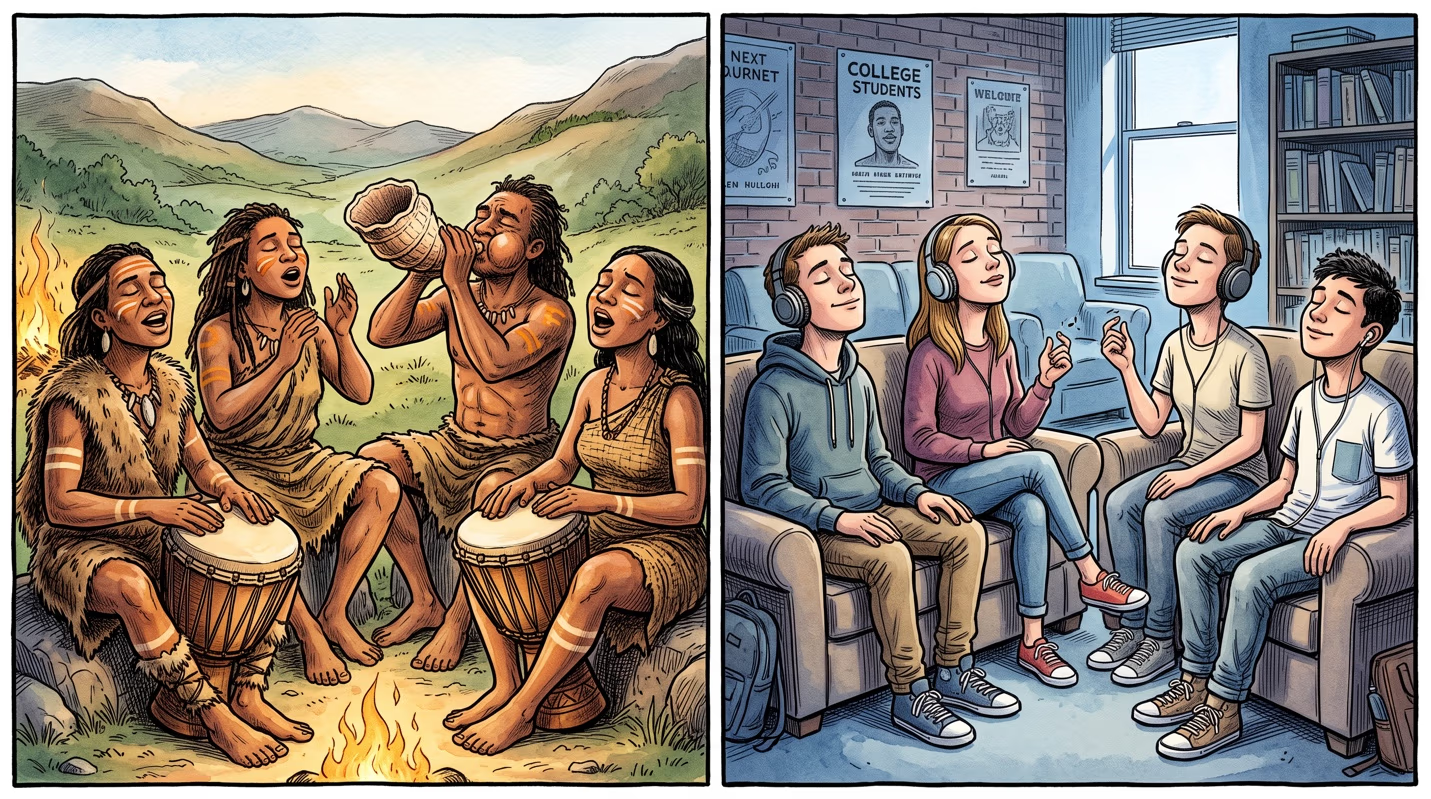
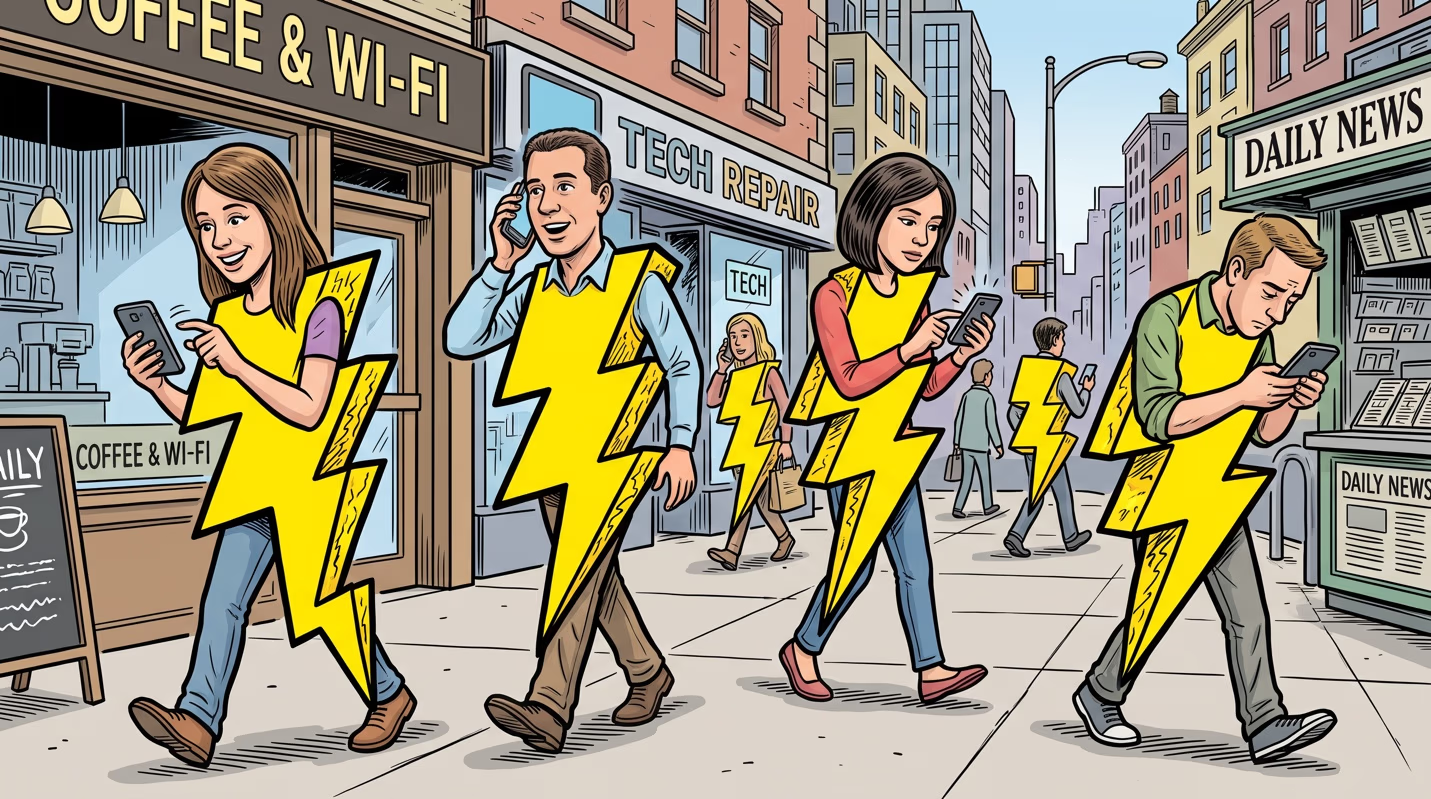
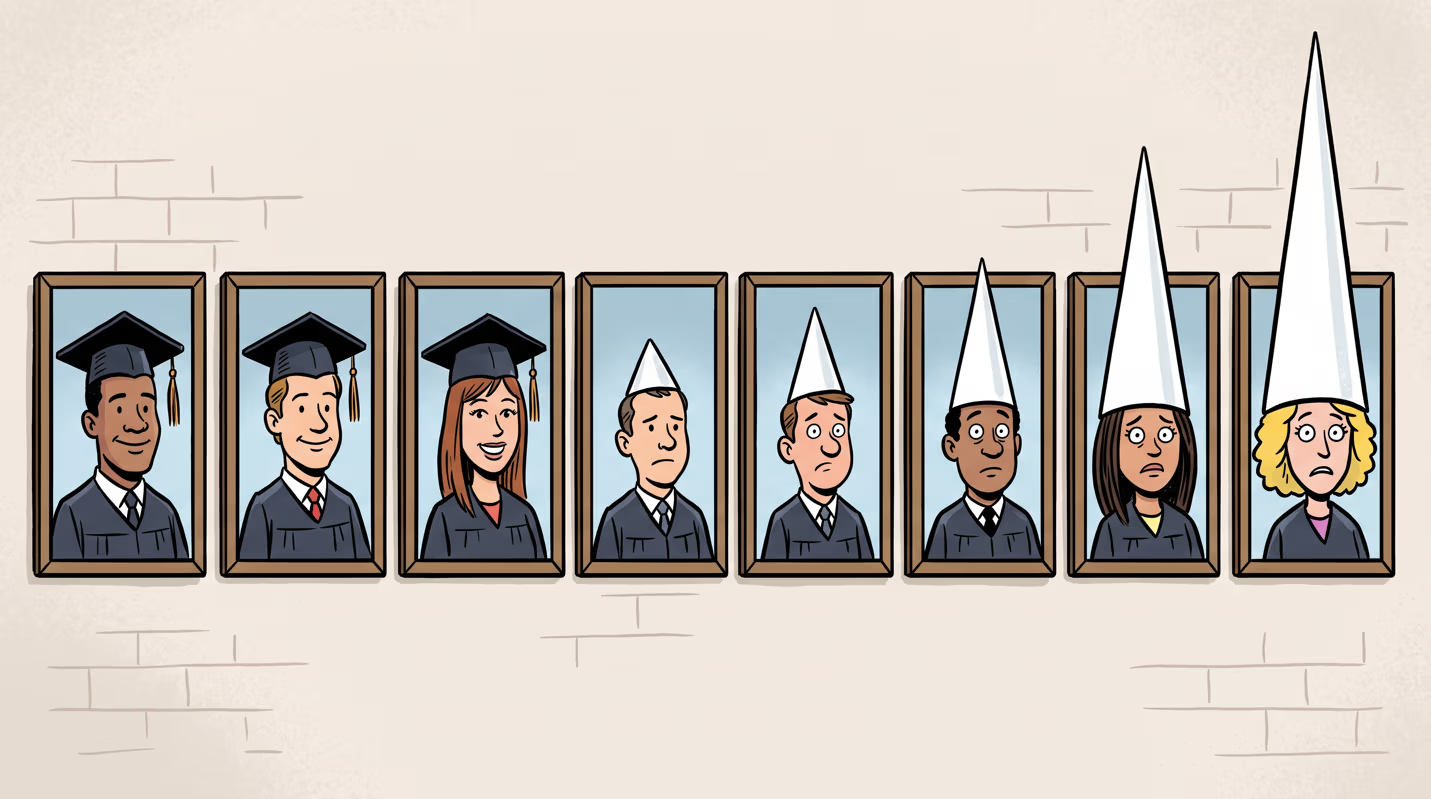

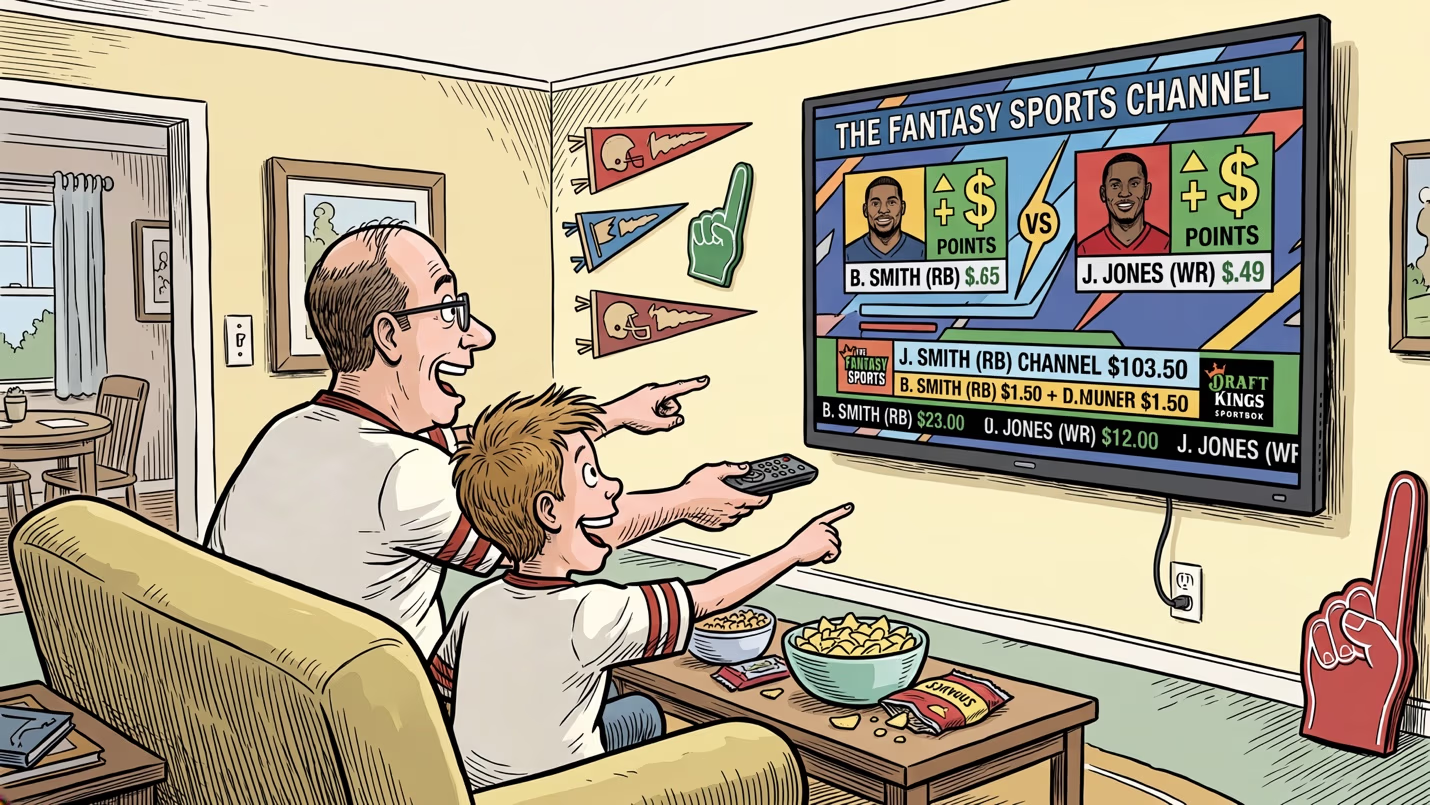
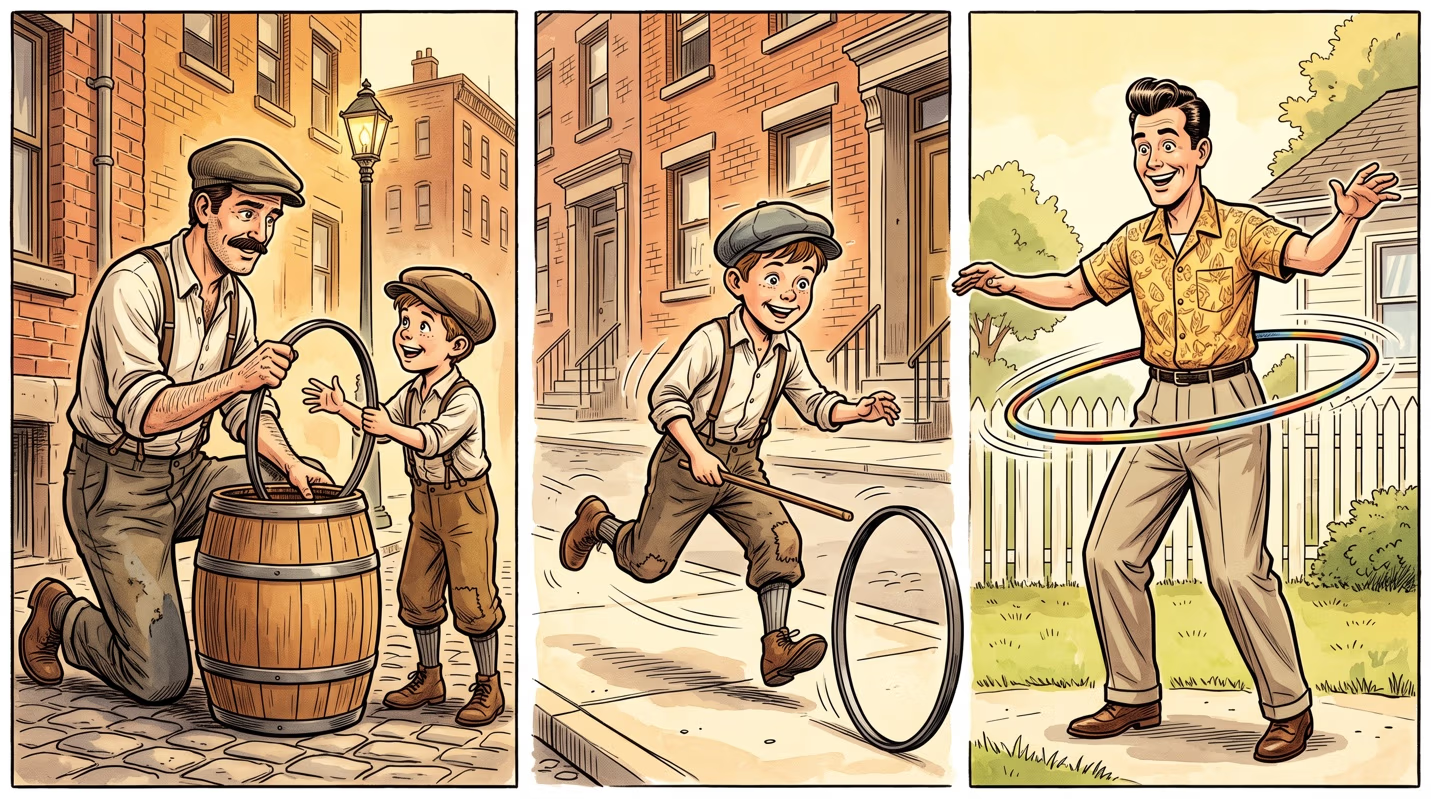
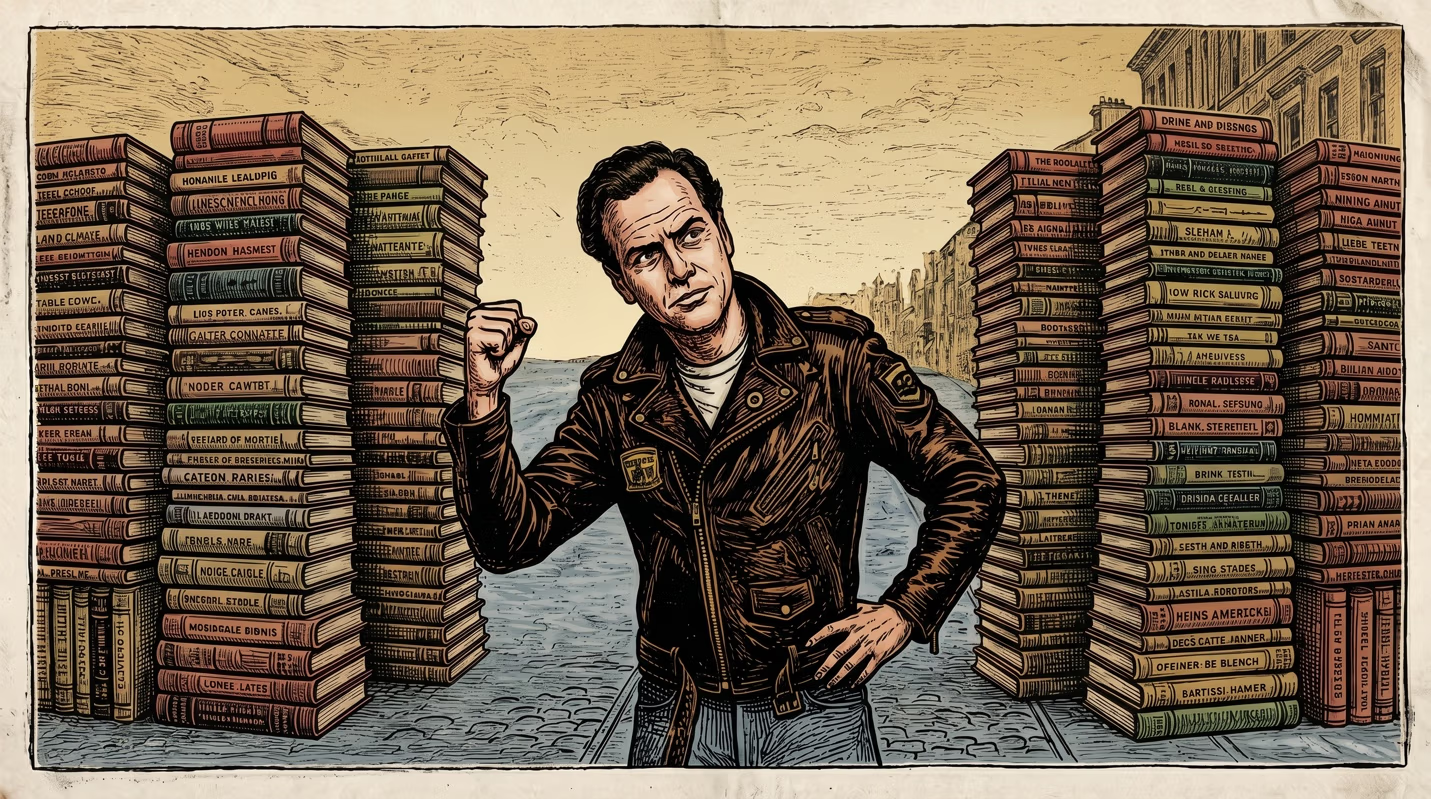
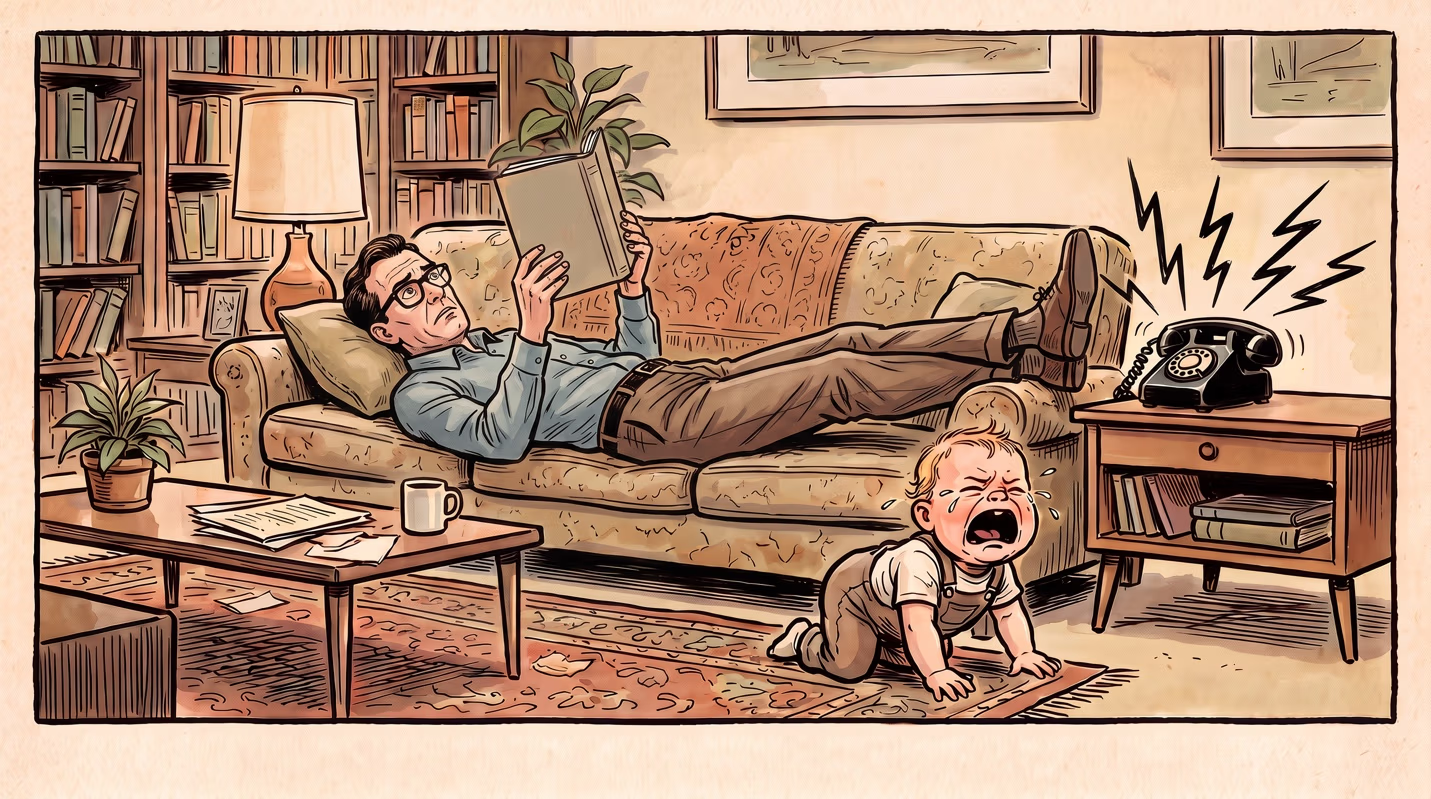
Repetition of any visual or modular form creates a mosaic with nonverbal effects, as the single photographic point of view becomes a multiple, iconic re-presentation.
“Symposum” (1973), p 2
Year: 1973
The comics have always been iconic. That is to say, the abstract bounding line of comic and cartoon involves the active sense of touch in an exploration of contours. Such active touch is not nearly so present in our encounter with a photograph.
Pop Art Avant Garde? (1964), p 217
Year: 1964
…the Negro or the Indian is so much more effective in color TV patterns than the hapless WASP. “Black is beautiful” recognizes iconic power. The West can only present a private countenance that alienates the corporate audience, since it offers no means of empathy.
Take Today with Barrington Nevitt (19172), p 203
Year: 1917
Modern quantum mechanics insists that the chemical bond is resonance. There are no connections in the material world, only auditory intensities. In a word, science has gone iconic also since Heisenberg and Bohr. To understand the interplay of the icons today is to have the key to every level of action and change.
“Further Thoughts on Icons” (1970), p 38
Year: 1970
Chapter:
Interval
The flat icon has multitudinous layers of significance, whereas the three-dimensional perspective illusion necessarily specializes in one facet at a time.
From Cliché to Archetype with Wilfred Watson (1970), p 89
Year: 1970
The popular levels [of art] on the other hand, have always reveled in synaesthesia, but have not been accessible to educated awareness and scrutiny – at least not until television restored a general receptivity to the iconic form.
“Pop Art Avant Garde?” (1964), p 217
Year: 1964
With very large budgets the commercial artists have tended to develop the ad into an icon, and icons are not specialist fragments or ...
[locate remainder and attribution]
[Andy Warhol] uses the technique of redundancy and repetition to transform the pictorial into the iconic, i.e., any high definition image can be made environmental and involving by repetition.
Letter to Wilfred Watson, March 31, 1964, Letters of Marshall McLuhan, p 297
Year: 1964
Chapter:
Hot & Cool
Repetition of any visual pattern or modular form creates a mosaic with nonvisual effects, as the single photographic point of view becomes a multiple, iconic re-presentation.
“Symposium” (1973), p 2
Year: 1973
[Proposal to the editors of Time-Life] … that they bring the articles in Life magazine up to the full dynamic integration of image and text as the advertisements, with the “same iconic inclusiveness and integrality of image.”
Quoted in Marchand’s biography, p 156
Chapter:
Graphic Communication
The Englishman says, “I know it like the back of my hand.” The Russian says, “I know it like the palm of my hand,” the one indicating a visual, the other a tactile or iconic bias.
Letter to Edward Hall, Nov., 3, 1969, in Letters of Marshall McLuhan, p 391
Year: 1969
And, for example. modern technology has undermined the traditional bias of our own alphabetic culture by presenting us with new modes of pictorial experience.
The latter Innis, Queen's Quarterly, 1953, p 388
Year: 1953
Some writers have argued that the Graphic Revolution has shifted our culture away from private ideals to corporate images. That is really to say that the photo and T V seduce us from the literate and private "point of view" to the complex and inclusive world of the group icon.
Understanding Media, 1964, MIT/ROUTLEDGE, p 230
Year: 1964
The language of visual form is, therefore, one which lies to hand as an unused Esperanto at everybody’s command.
“The Media Fit the Battle of Jericho” in Explorations 6 (1956), in Essential McLuhan (1995), p 300
Year: 1956
Our time has discovered that there is a language of Forms and Gestures – a language which has its own grammar and syntax…. Darwin’s concern was with the non-verbal attitudes and postures, noting that: “…with mankind hardly any expression is more general than a widely open mouth under the sense of astonishment.”
Preface to You and Others: An Introduction to Interpersonal Communication, 1975, first paragraph
Year: 1975
Chapters:
Body Language | Grammar
When Gertrude Stein first became acquainted with Picasso in Paris around 1905, he asked her to obtain American comic strips for him. He was studying Japanese prints at the time, but found in comic strips clear examples of the interface and interval that interested him so much. It was at this same period that he began the study of African
tribal art. • Most tribal art is hard-edge art. It is art of sharp contrasts, sudden juxtapositions. So is children s art. A film-maker in Canada provided young children with the means to make animated films. The result was nearly two hundred films of Wham! Bang! With figures appearing, disappearing. There were no characters in the ordinary sense; no gradations, no chiaroscuro; just abrupt encounters a la Batman of hard-edge, cartoon art. • Contemporary fashion is full of hard-edge design. The experience it evokes is not visual: it is tactile. It is full of abrupt encounters, sudden interfaces. It is the World of Happenings where surfaces and events grind against each other, creating
new forms, much as the action of dialogue creates new insights. To a large extent, Hard-Edge re-emerged as a visual mode because it was definite, a reaction to the expressionist modes that preceded it. Pop and Op were related, both using colors and forms contained by hard, definite lines. In emphasizing the periphery of forms, Hard-Edge reemphasized the tactile.
“Marshall McLuhan on Fashion” (1968), in On the Nature of Media (2016), p 152
Year: 1968
Suppose that, instead of displaying the Stars and Stripes, we were to write the words " American flag" across a piece of cloth and to display that. While the symbols would convey the same meaning, the effect would be quite different. To translate the rich visual mosaic of the Stars and Stripes into written form would be to deprive i t of most of its qualities of corporate image and of experience, yet the abstract literal bond would remain much the same. Perhaps this illustration will serve to suggest the change the tribal man experiences when he becomes literate. Nearly all the emotional and corporate family feeling is eliminated from his relationship w i t h his social group. He is emotionally free to separate from the tribe and to become a civilized individual, a man of visual organization who has uniform attitudes, habits, and rights with all other civilized individuals.
Understanding Media, 1964, MIT/Routledge edition, p 82
Year: 1964
Chapter:
Literacy