Viewing chapter Identity (41 quotes)
Men on frontiers, whether of time or space, abandon their previous identities. Neighborhood gives identity. Frontiers snatch it away.
Culture Is Our Business, (1970), p 44
Year: 1970
Chapter:
Between Two Ages
Print is the technology of individualism. If men decided to modify this visual technology by an electric technology, individualism will also be modified.
The Gutenberg Galaxy : The Making of Typographic Man , (1962), p 158
Year: 1962
And the ideas people have of themselves are put on and put off with the same celerity as their clothes.
The Mechanical Bride (1951), p 7
Year: 1951
Men on frontiers, whether of time or space, abandon their previous identities. Neighborhood give identity. Frontiers snatch it away.
Culture Is Our Business, 1970, p 44
Year: 1970
Chapter:
Between Two Ages
All identity images, private and corporate, dissolve. Violent struggle to regain these images ensues.
Culture Is Our Business, (1970), p 66
Year: 1970
Chapter:
Today’s Transition
To an ancient Greek the discovery of private identity was a terrifying and horrible thing that came about with the discovery of visual space and fragmentary classification. Twentieth-century man is traveling the reverse course, from an extreme individual fragmentary state back into a condition of corporate involvement with all mankind. Paradoxically, this new involvement is experienced as alienation and loss of private selfhood.
“The Emperor's New Clothes”, (1968), reprinted in Essential McLuhan (1995), p 351
Year: 1968
The pre-Christian Hebrews did not have it. The Oriental does not have it now. This is not to make any value judgments whatever. The private psyche may be an artificial monster of the most precious discovery.
Liturgy And Media” in The Critic, Vol.31, No. 3, January-February (1973), p 21, reprinted in reprinted in The Medium and the Light: Reflections on Religion (1999), p 128
Year: 1973
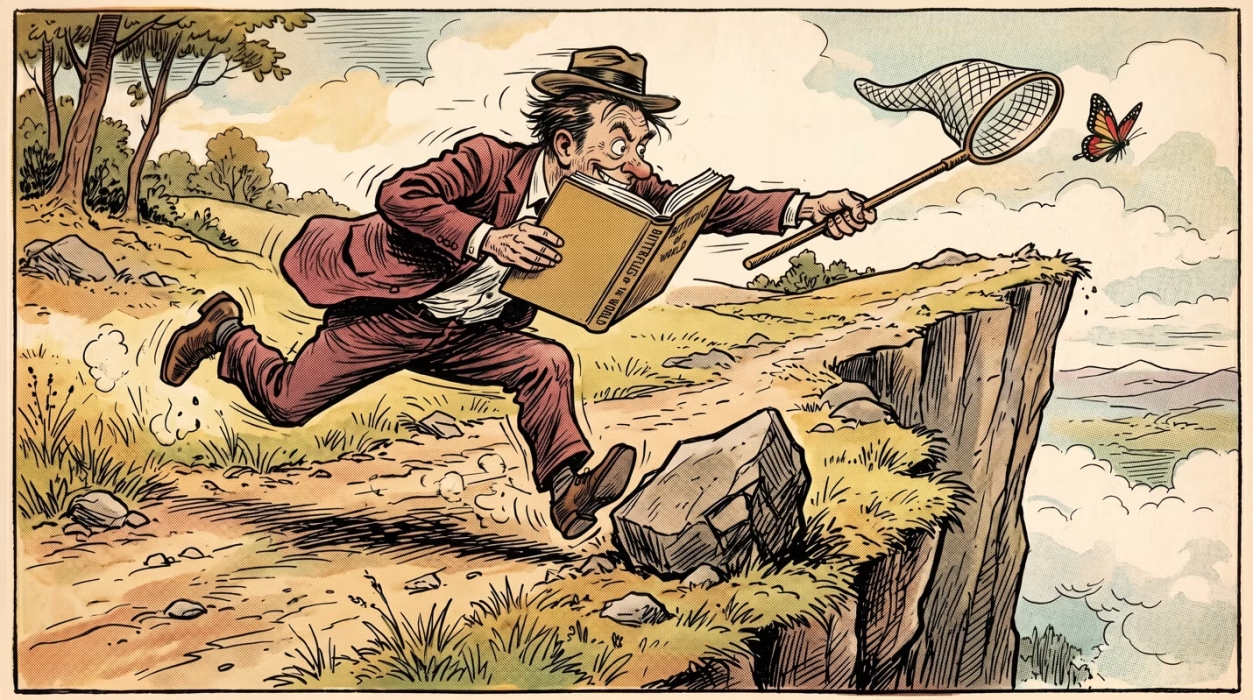

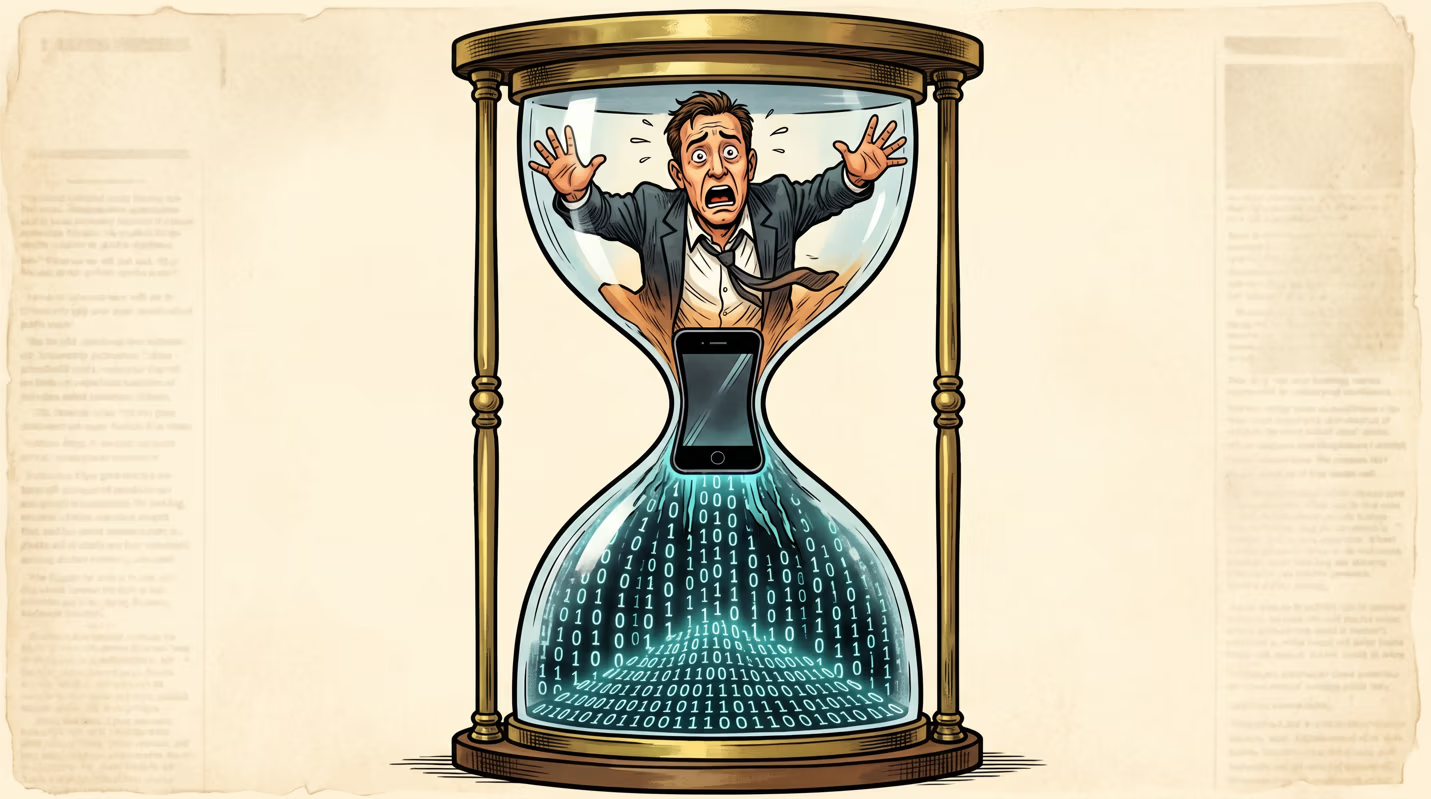
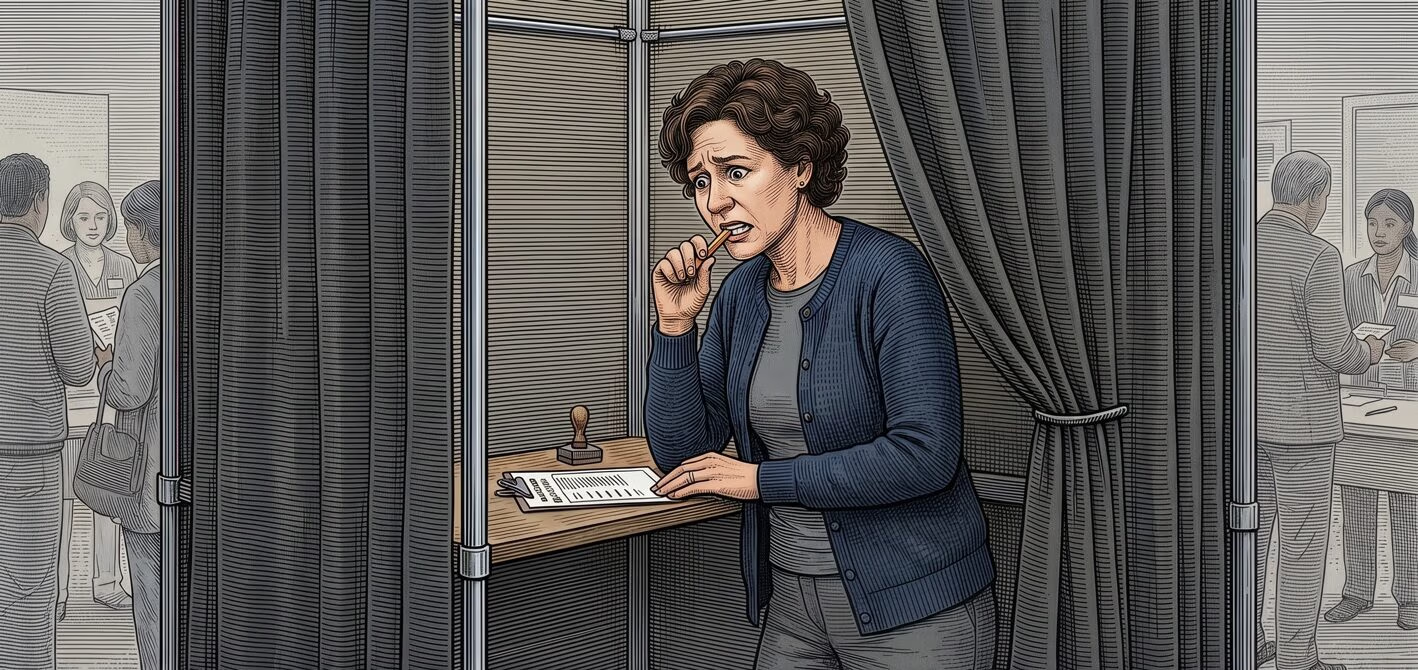
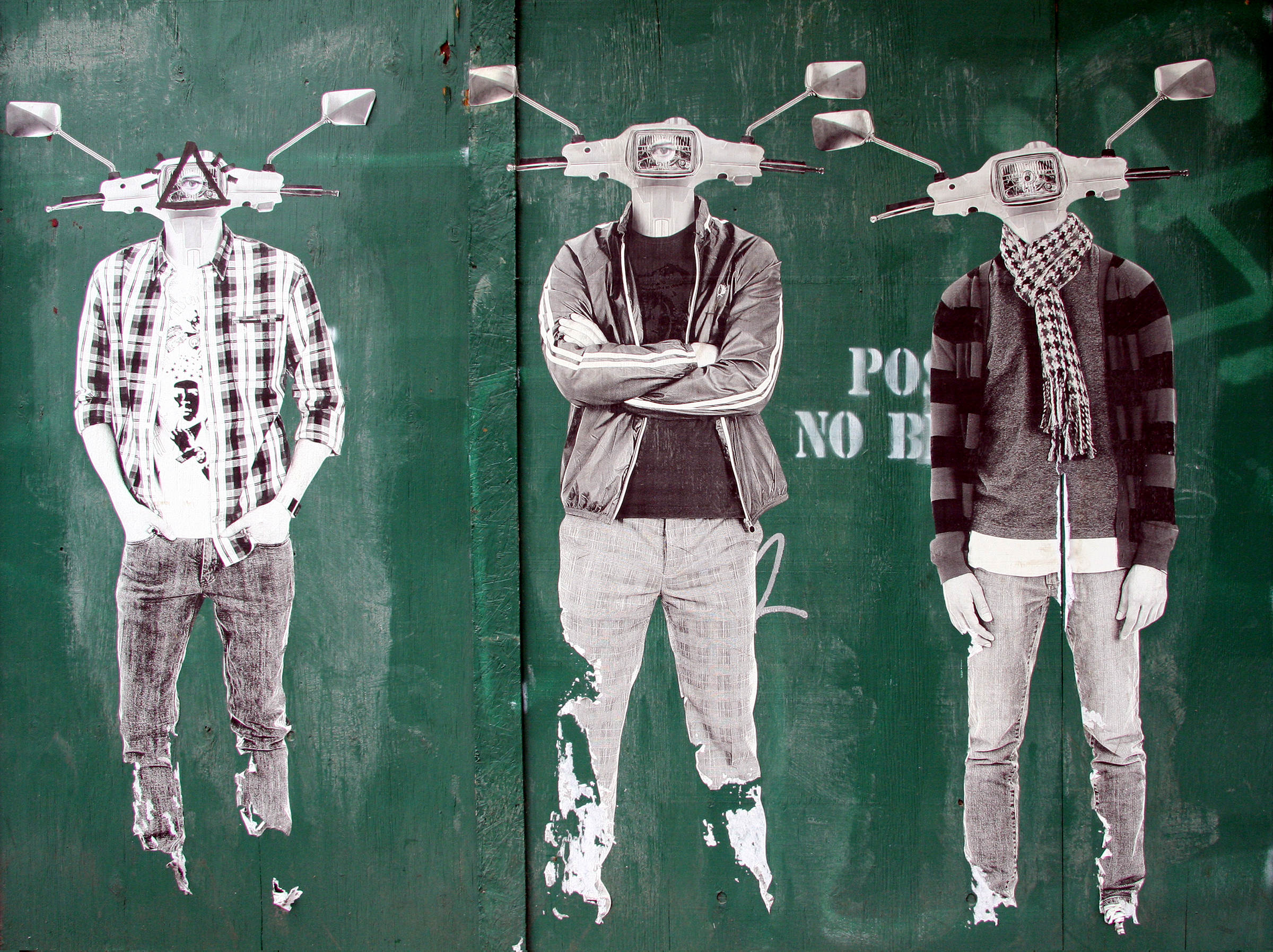
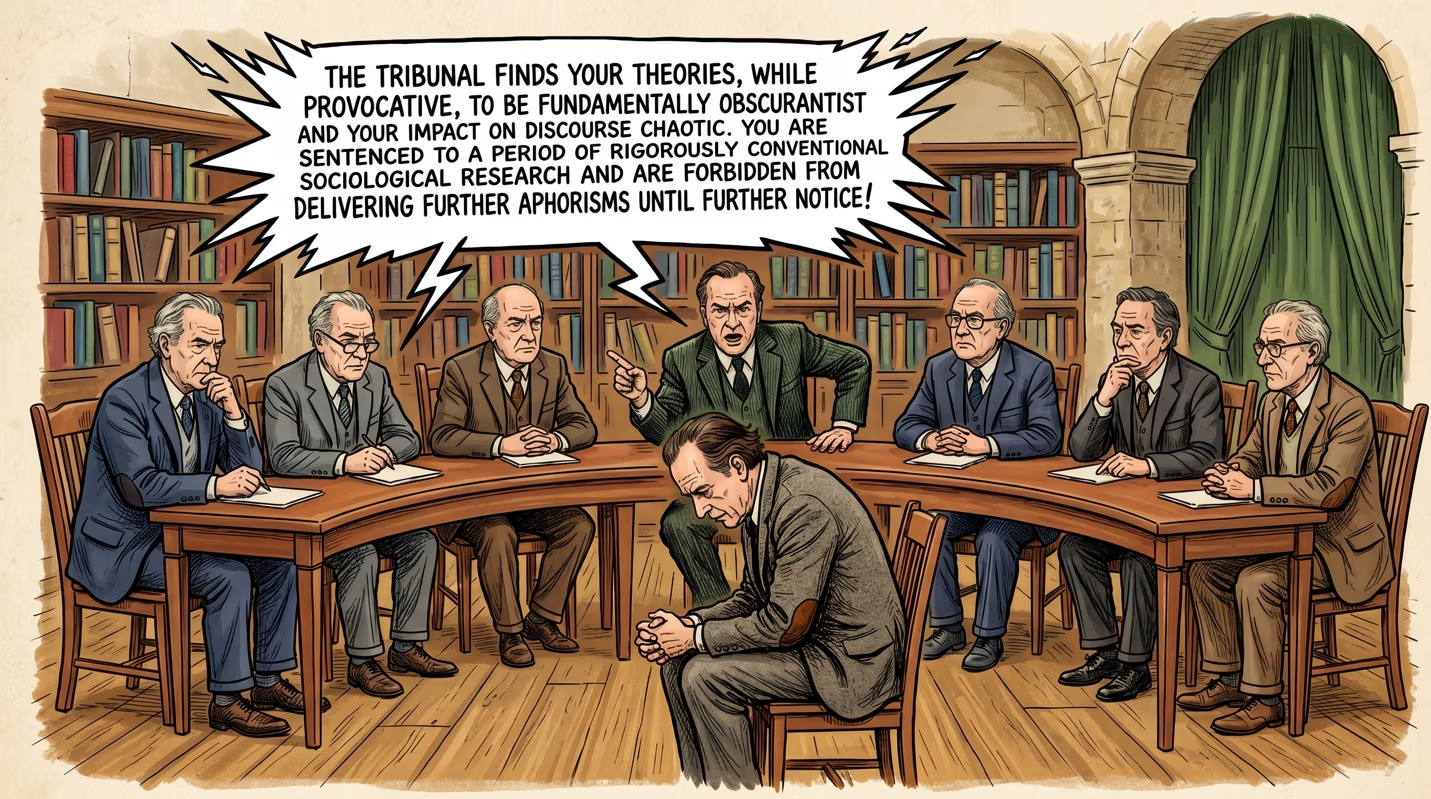
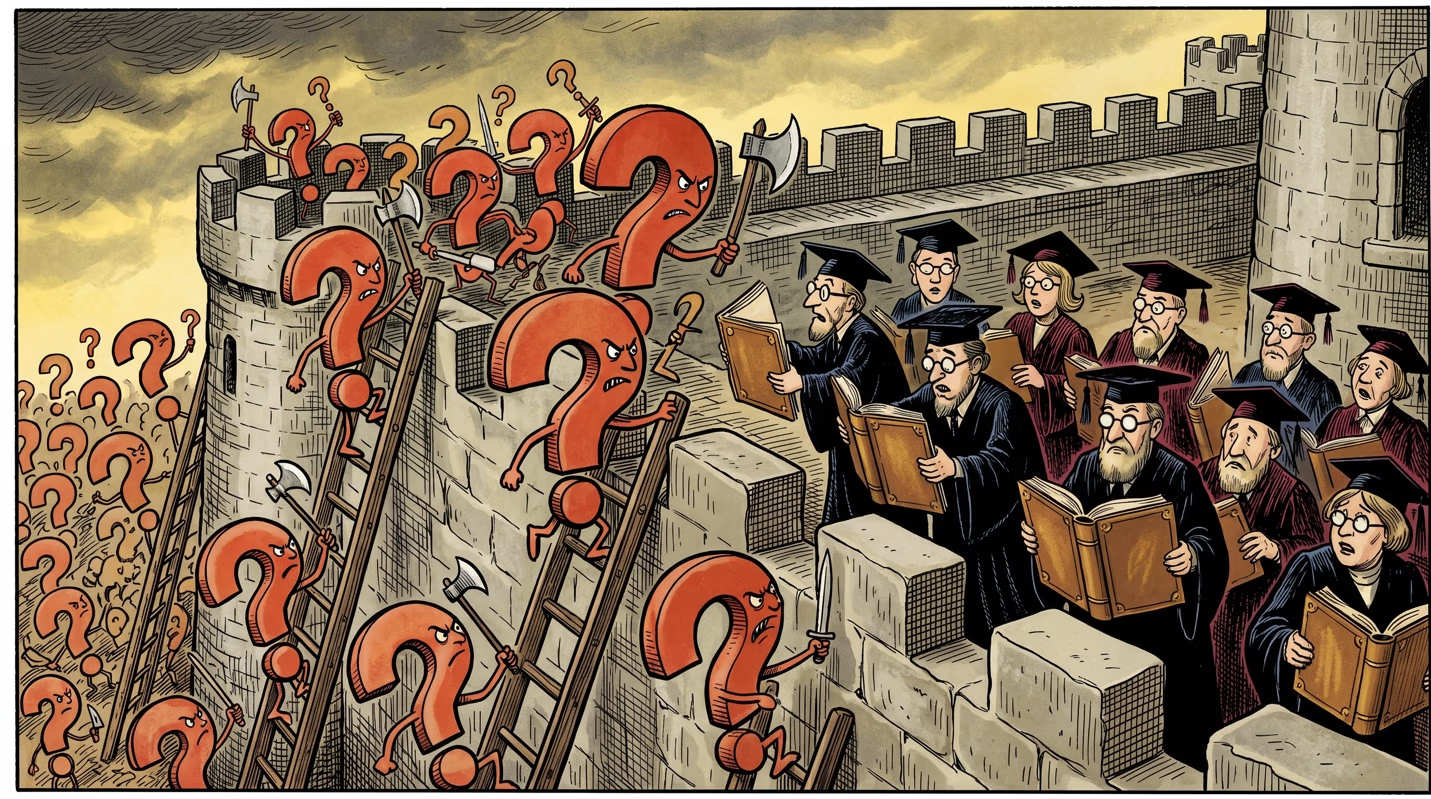
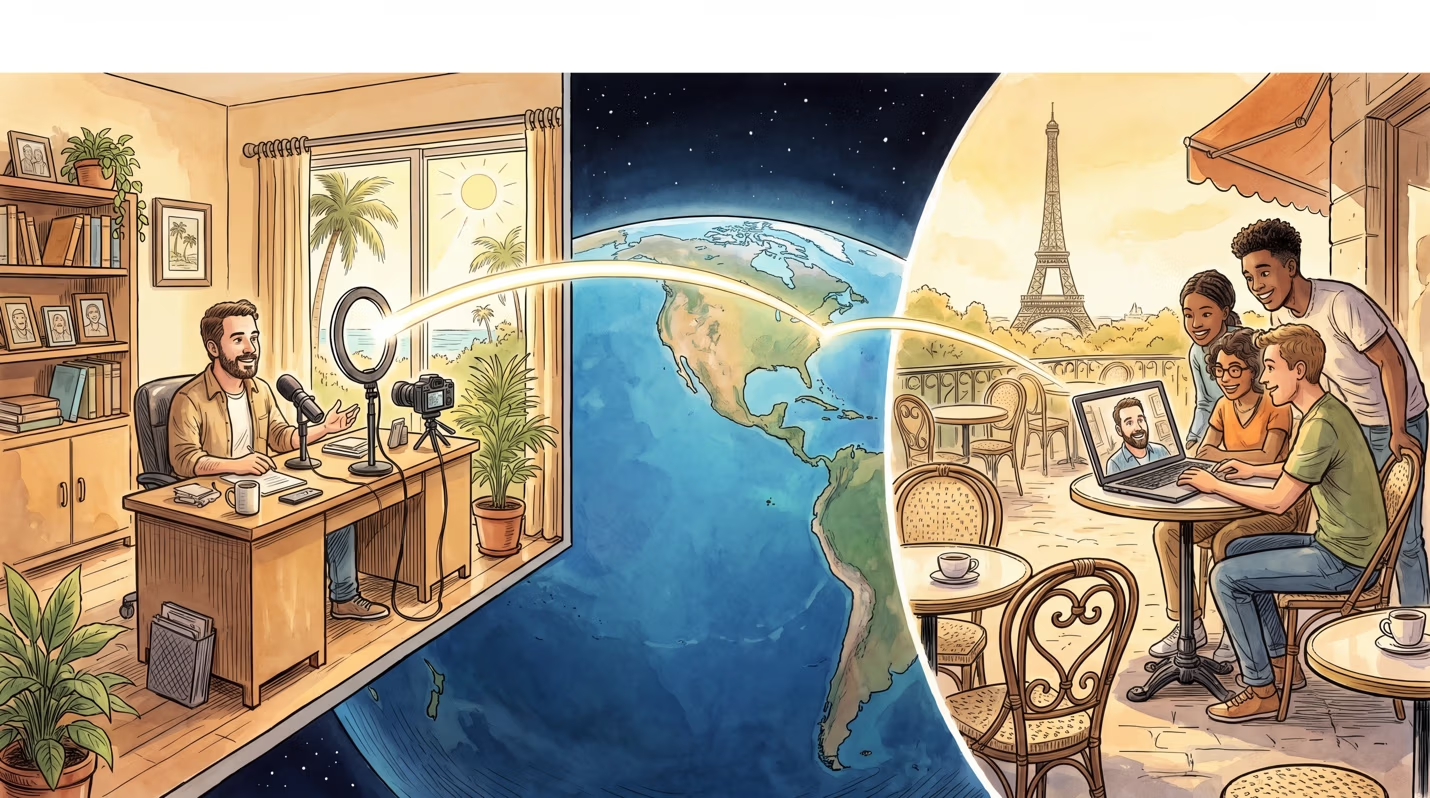
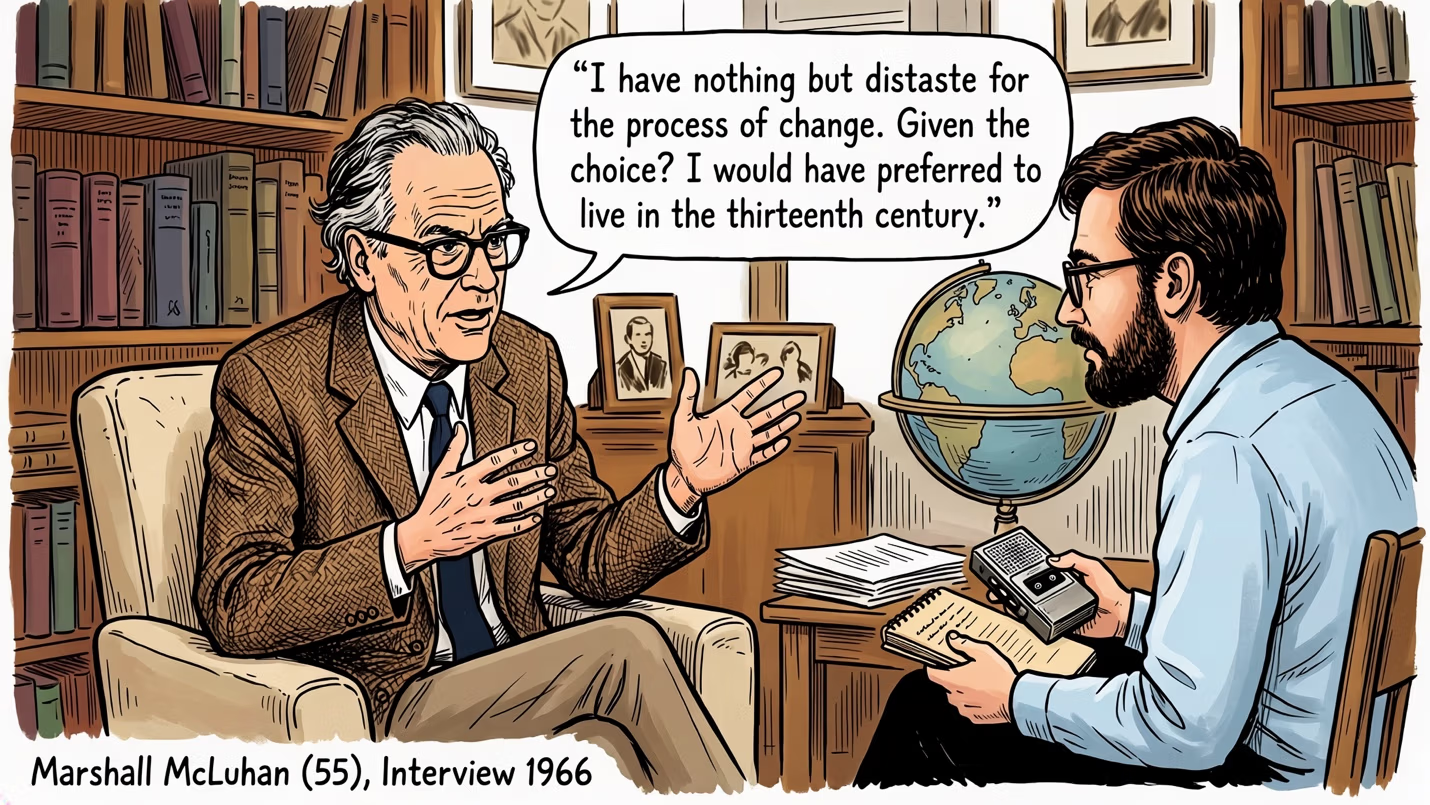
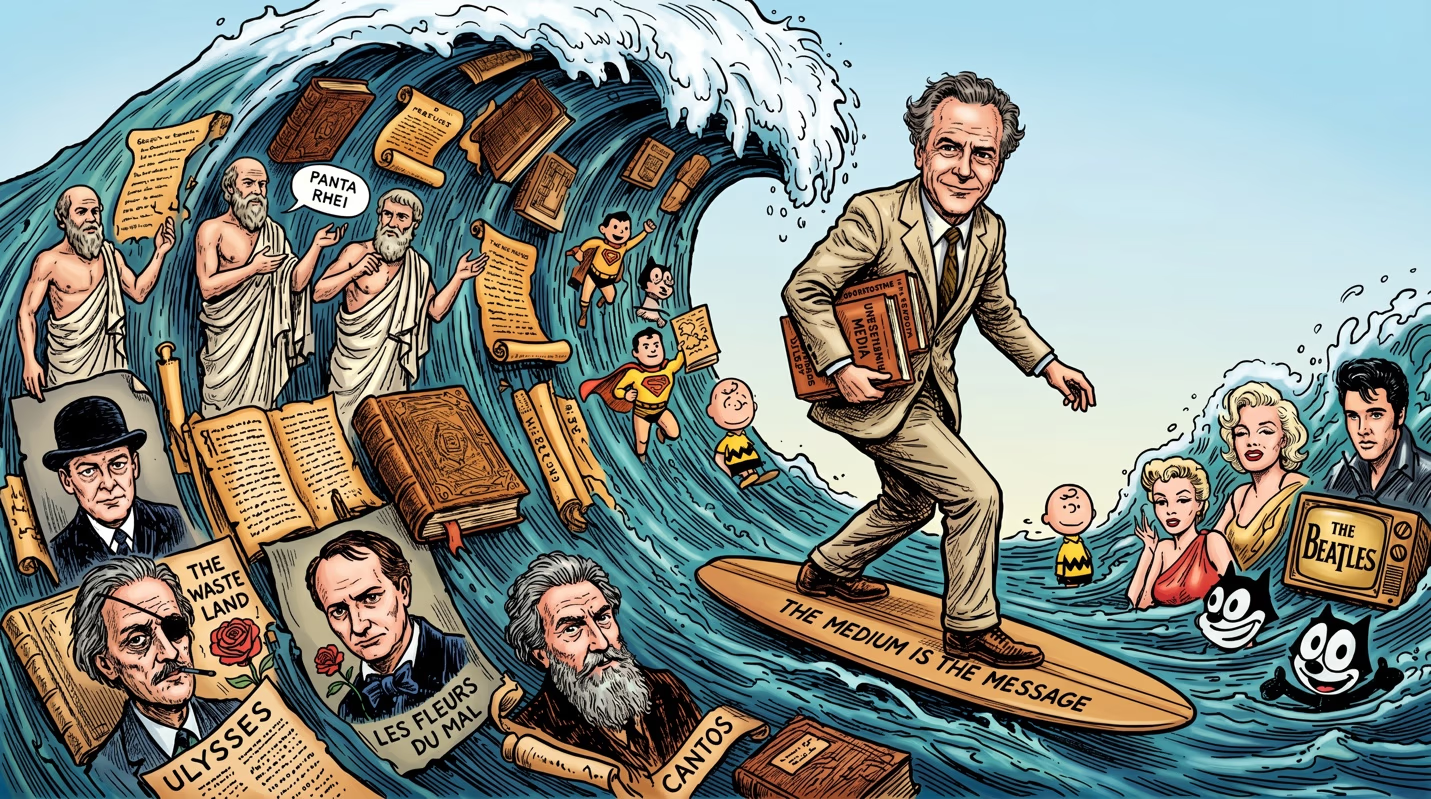
In a world of rapid movement and change, everybody is a nobody, and the greatest head of state, when off-base, could be mistaken for a flunky.
“Liturgy and the Microphone”, (1974), in The Medium and the Light (1999), p 116
Year: 1974
This leads to the theme of violence as a response to situations in which you feel you have lost your identity, situations in which you have been ripped off by too-rapid changes, where you have suddenly been flipped from one situation to another without warning and you suddenly are minus your identity. You don't know who you are. You don't know where you are. This leads to a response of violence
Man and Media,” lecture delivered at York University, Toronto, (1979), in Understanding Me (2003), p 280
Year: 1979
The nobody in real life is a person who becomes quite intractable, quite violent as a way of rediscovering "Who am I" and "How do I re-establish my image, myself in this world." Our popular forms of entertainment tend toward that direction.
Man and Media,” lecture delivered at York University, Toronto, (1979), in Understanding Me (2003), p 281
Year: 1979
"Superman" is not only a narrative of the conquests, actual or imagined, of a technological age; it is also a drama of the psychological defeat of technological man. In ordinary life Superman is Clark Kent, a nobody.
The Mechanical Bride (1951), p 102
Year: 1951
How does one conduct oneself in the midst of a mass of totally involved and metaphysically merged entities? Nobody ever asked this question. I personally don't find any satisfaction in complaining about it, or in congratulating ourselves upon it.
“Television in a New Light” (1966), in The Meaning of Commercial Television: The Texas-Stanford Seminar, 1966, p 96-97
Year: 1966
For centuries we have been defining the nature of the self by separateness and nonparticipation, by exclusiveness rather than inclusiveness. It is true that the electronic age, by creating instant involvement of each of us in all people, has begun to re-pattern the very nature of identity.
“Cybernation and Culture” (1966), in On the Nature of Media (2016), p 103
Year: 1966
On the flight deck of a jet liner the rear-view mirror is not consulted, and the astronaut does not have a point of view.
The New Morality, 1967, p 177
Year: 1967
A large part of the white Southerner’s identity comes from that juxtaposition [with blacks]. If you suddenly pulled the Negro out of the South, why, the Southerner would collapse into non-identity. Desegregation is taking away a part of himself.
“Understanding Canada and Sundry Other Matters: Marshall McLuhan,” in Mademoiselle, September, 1967, p 129
Year: 1967
For, it is the loss of identity that inspires “violence.” Your struggles have no goals. Not one of you could articulate a single objective for all your unrest and uncertainty. Without knowing it, you are questing for a new identity which cannot be private and which cannot be known until it has actually been made.
“Adopt a College,” in This Magazine Is About Schools, vol 2, No. 4, Autumn, 1968, p 55
Year: 1968
Only those supremely sure of their identity can totally dispense with violence as a means to the ascertaining of identity. The Christian alone is potentially in such a position.
Contribution to Spectrum of Catholic Attitudes (1969), p 131
Year: 1969
Today, the Golden Rule has dropped out. It has become do unto others what they want done unto them. This means the right of every man to be himself and to be recognized as such, whereas the Golden Rule assumed that people knew who they were and you did unto them as they did unto you. Identity now changes faster than rules. Who are you at this moment? The kids learn by changing costumes or customs.
Take Today: The Executive as Dropout, with Barrington Nevitt (1973), p 271
Year: 1973
What has happened since the old muckraking days of the 1920’s is that espionage, whether political or commercial, has become the largest business in the world, and we take it for granted that the modern newspaper depends on “bugging” the whole community. In fact, we expect the press to “bug” the world and to challenge and penetrate all privacy and identity, whether private or corporate.
“At the Moment of Sputnik—” (1974), typescript, p 6, published in Journal of Communication, vol. 24, issue 1, 1974, p 53
Year: 1974
Chapters:
Privacy | Surveillance
Violence, whether spiritual or physical, is a quest for identity and the meaningful. The less identity, the more violence.
"Violence in the Media." Canadian Forum. Volume 56, 1976, p. 9, republished in Marshall McLuhan: The Man and His Message, edited by George Sanderson and Frank MacDonald (1989), p 92
Year: 1976
Attention span gets very weak at the speed of light, and that goes along with a very weak identity.
“Violence as a Quest for Identity” (1977), in Understanding Me (2003), p 271
Year: 1977
Everybody tends to merge his identity with other people at the speed of light. It’s called being mass man.
“Violence as a Quest for Identity” (1977), in Understanding Me (2003), p 268
Year: 1977
By the way, one of the big parts of the loss of identity is nostalgia. And so there are revivals on all hands, in every phase of life today, revivals of clothing, of dances, of music, of shows, of everything. We live by the revival. It tells us who we are or were.
“Violence as a Quest for Identity” (1977), in Understanding Me (2003), p 269
Year: 1977
When our world exists only in fantasy and memory, the natural strategy for identity is nostalgia, so that today revivals occur so frequently that they are now called “recurrences” (in the recording industry).
“A Last Look at The Tube,” unpublished article written for New York Magazine, New York Magazine, Vol. 11, No. 14, 17 March dated March 17, 1978, in original typescript, p 3; reprinted in McLuhan: the Man and His Message (1989)
Year: 1978
Chapters:
LOM 3 – Retrieve | Memory
Everybody will come to feel that his job, his family, his pension and his very identity are threatened by every kind of change. At the speed of light everything affects everything. There are no neutral areas. Even at the relatively sedate speed of fifty thousand miles and hour, the Pioneer spacecraft can be demolished by a speck of dust. Living at the speed of light, we feel ourselves equally vulnerable and insecure.
“Living at the Speed of Light” (1979), original typescript, p 4
Year: 1979
What I have perceived in The Global Village created by instantaneous information is a threat to human identity and the reassure of our way of life.
Letter to the Toronto Globe and Mail, Sept 22, 1979 [To confirm]
Year: 1979
Radical changes of identity, happening suddenly and in very brief intervals of time, have proved more deadly and destructive of human values than wars fought with hardware weapons.
Laws of Media: The New Science with Eric McLuhan, (1988), p 97
Year: 1988
Chapters:
Anticipating Change | McLuhanisms & Zingers | Values & Value Judgments | Violence | Warnings
But when ordinary people do not know who they are, they get anxious and violent. Many men went to the frontier in the last century to prove themselves. In the border town of the American West, everybody was a nobody until he wrested an identity through taking a risk and pure grit.
The Global Village with Bruce Powers, (1989), p 98
Year: 1989
Chapter:
Nobody
Again, the transmission of data at the speed of light creates non-persons.
The Global Village, with Bruce Powers, (1989), p 143
Year: 1989
Chapter:
Speedups
Like the legendary Heidelberg prince, he must wear a tribal and corporate mask in the same way he does his uniform. Fixed economic and social rank obsolesces nonchalance from the moment of birth.
The Global Village, with Bruce Powers, (1989), p 148
Year: 1989
What we have today, instead of a social consciousness electrically ordered, however, is a private subconsciousness or individual "point of view" rigorously imposed by older mechanical technology.
Understanding Media (1964), MIT/Routledge edition, p 108.
Year: 1964
Greater awareness of our actual relation to the corporate life of mankind has bred the utmost doubts concerning the “private” character of our own consciousness.
“Relation of Environment to Anti-Environment” (1966), p 41
Year: 1966
And a mass audience is an audience in which everyone experiences and participates with everybody and in which nobody has a private identity. So the psychiatrist's couches today are groaning with the weight of people asking, "Who am I? Please tell me who I am." There is no identity left. At electric speeds nobody has a private identity.
“Television in a New Light” (1966), in The Meaning of Commercial Television: The Texas-Stanford Seminar, 1966, p 96.
Year: 1966
“Who am I” In a world of electronic all-at onceness, many have already begun to feel the loss of their private identities. They feel deprived. Years ago a woman could say with pride and confidence: “I am an American. I am a housewife. I have three children.” This was her card of identity. Today such classifications aren’t acceptable. Electricity abolishes the world of specialized human beings. The Western private “I”—aloof, dissociated—isn’t possible when electricity involves us in the whole of mankind and forces us to incorporate the whole of mankind in us.
“McLuhan Looks at Fashion” (1968), in On the Nature of Media (2016), p 162
Year: 1968
…what we call our personal private identity, is really just a kind of visa or classification of arbitrary set of data, which have a rather incidental relation to anybody.
Televised lecture, Joyce and Film, 1968, Transcript 29.02
Year: 1968
As Eric Havelock explains in Preface to Plato, the private identity of Western man appears to be grounded in the peculiar effects of the phonetic alphabet in abstracting private from corporate identity.
Letter to Rollo May, December 14, 1972, in Letters of Marshall McLuhan (1987) p 458
Year: 1972
When the oral and tribal Greek was subjected to the detribalizing action of the visually oriented alphabet, his new private identity was suddenly in violent interface with the old corporate, or incestuous, identity.
Letter to Rollo May, December 14, 1972, in Letters of Marshall McLuhan (1987) p 458
Year: 1972
The pre-Christian Hebrews did not have it. The Oriental does not have it now. This is not to make any value judgments whatever. The private psyche may be an artificial monster or the most precious discovery.
“Do Americans Go to Church To Be Alone?” (1973), reprinted in The Medium and the Light (1999), p 128
Year: 1973
Electronic man does not have any private identity and doesn’t want one. What would he do with it? He has no private ethic; in fact, he has no ethic. That’s where President Nixon got caught. He got caught in public with a private ethic. The young have no morals but they demand high morals of their public leaders. They have no identity and they demand a great big powerful image in their public issues.
Review of Books and Religion (1974), p 15
Year: 1974
Pornography and violence are by-products of societies in which private identity
has been scrubbed or destroyed by sudden environmental change.
Letter to Claire Westcott, November 26, 1975, in Letters of Marshall McLuhan (1987) p 514
Year: 1975
…all persons, whether or not they understand the processes of computerized high-speed data transmission, will lose their old private identities. For them, what knowledge there is will be available to all. So, in that sense, everybody will be a nobody. Everyone will be involved in role-playing, including those few elitists who interpret and/or manage large-scale data patterns and thus control the functions of a speed-of-light society.
“Ma Bell Minus the Nantucket Gam” with Bruce Powers (1981), published version, p 9
Year: 1981