Viewing chapter Image (8 quotes)
Let us keep in mind that the new reality is in the image and not behind it.
Marshall McLuhan
“The Electronic Age -- the Age of lmplosion” (1962), p 196
Year: 1962
Yes, we must substitute an interest in the media for the previous interest in subjects. This is the logical answer to the fact that the media have substituted themselves for the older world. Even if we should wish to recover that older world we can do it only by an intensive study of the ways in which the media have swallowed it.
“The Post-Literate Man”, 1973, Cycles 7, p 232
Year: 1973
In the TV image we have the supremacy of the blurred outline, itself the maximal incentive to growth and new "closure" or completion, especially for a consumer culture long related to the sharp visual values that had become separated from the other senses
Understanding Media, 1964, MIT/Routledge edition, p 321
Year: 1964
Perhaps the effect [of media] is for the media to substitute for reality just in the degree to which they become virtuousos of realistic detail.
Counterblast (1969), p 125
Year: 1969
Chapter:
Media
[In a political TV debate] The image is what mattered, and anything that could hold the attention on the image was all that mattered from the point of view of the arrangers.
“TV as a Debating Medium” (1976), reprinted in Understanding Me (2003), p 258
Year: 1976
Nixon, he was a hot character, because he had only a private image, he had no corporate image, he merely looked like Richard Nixon.
Quoted in Video, “Out of Orbit, the Life and Times of MM (1999), 17:04 in transcript
Year: 1999
IT IS NOW EASIER AND MORE NATURAL TO ENVISAGE THE POPE CIRCULATING VIA A SMALL TRAILER OR HELICOPTER THAN TO MAINTAIN THE MASSIVE IMAGE OF THE ROMAN CURIA.
The McLuhan DEW-LINE, Vol 2, Nº 5, March-April 1970, p ???
Year: 1970
The sculptural qualities of the image dim down the purely personal.
Counterblast (1969), p 145 (through the vanishing point))
Year: 1969
Chapters:
McLuhanisms & Zingers | Sculpture, Sculptural
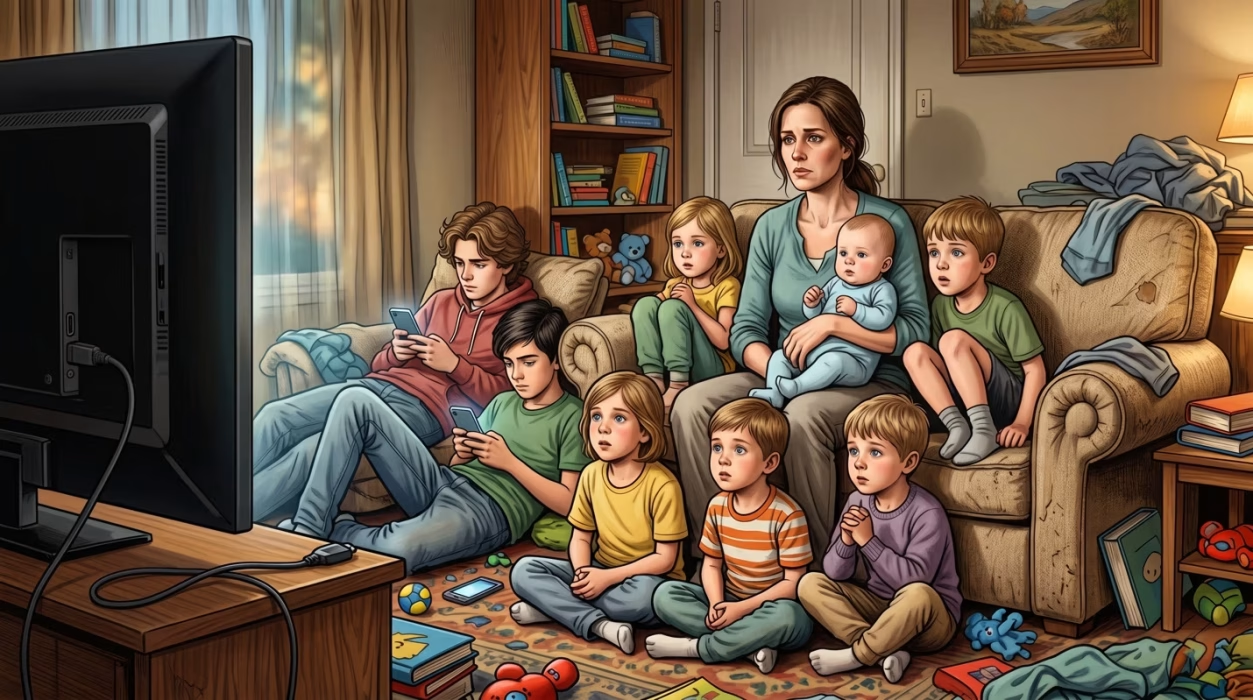







Basically, the reason is that the mosaic mesh of the TV image compels so much active participation on the part of the viewer that he develops a nostalgia for pre-consumer ways and days.
Understanding Media, 1964, MIT/Routledge edition, p 23
Year: 1964
Chapter:
Participation