Viewing chapter Individual (22 quotes)
And no matter how many walls have fallen, the citadel of individual consciousness has not fallen nor is it likely to fall. For it is not accessible to the mass media.
“Educational Effects of the Mass Media of Communication”, in Teachers College Record 1956, Vol. 57, No. 6, p 403
Year: 1956
The individual self... is a by-product of the alphabet and the visual world that flows from it.
Conversation with Pierre Babin (1977), reprinted inThe Medium and the Light (1999), p 95
Year: 1977
Literacy, the visual technology, dissolved the tribal magic by means of its stress on fragmentation and specialization, and created the individual.
“The Agenbite of Outwit”, In Location Magazine, Vol. 1, No. 1, (1963), reprinted in Marshall McLuhan Essays Media Research : Technology Art Communication, (1997), p 124
Year: 1963
Chapter:
Literacy
Individual consciousness is achieved by strategic ignorance and suppression.
From Cliché to Archetype with Wilfred Watson (1970), p 63
Year: 1970
Let me stress again that individual freedom itself will not be submerged in the new tribal society, but it will certainly assume different and more complex dimensions.
“Playboy Interview: Marshall McLuhan: A Candid Conversation with the High Priest of Popcult and Metaphysician of Media”. By Eric Norden. Playboy Magazine, March (1969), p 70, reprinted in The Essential McLuhan (1995), pp 260-261
Year: 1969
Chapters:
Democracy | McLuhanisms & Zingers
Christianity was introduced into a matrix of culture in which the individual had enormous significance: this is not characteristic of other world cultures.
“Electric Consciousness and the Church” Interview with Hubert Hoskins, (1970), in The Medium and the Light (1999), p 80
Year: 1970
The private psyche may be an artificial monster of the most precious discovery. It is demonstrable that it had a historical origin and that this "artifact" may have a contemporary demise in this electronic age of discarnate togetherness.
“Liturgy And Media" in The Critic, Vol.31, No. 3, January-February (1973), p 21, reprinted in The Medium and the Light: Reflections on Religion (1999), p 128
Year: 1973
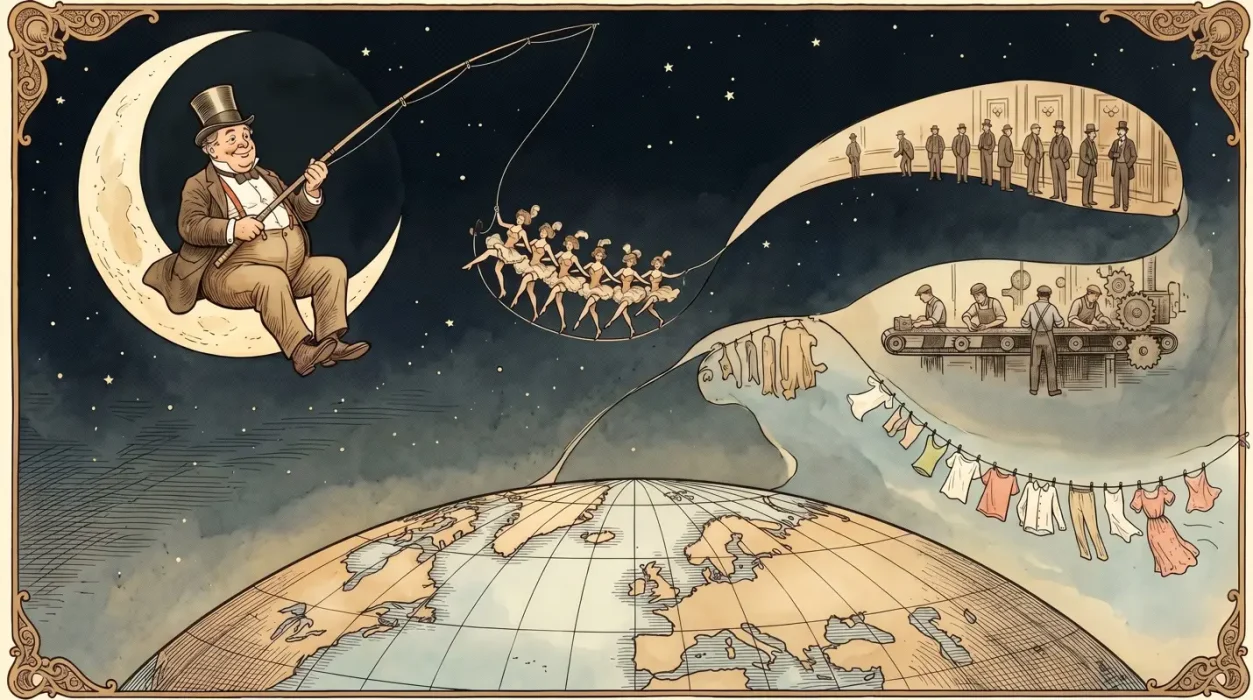
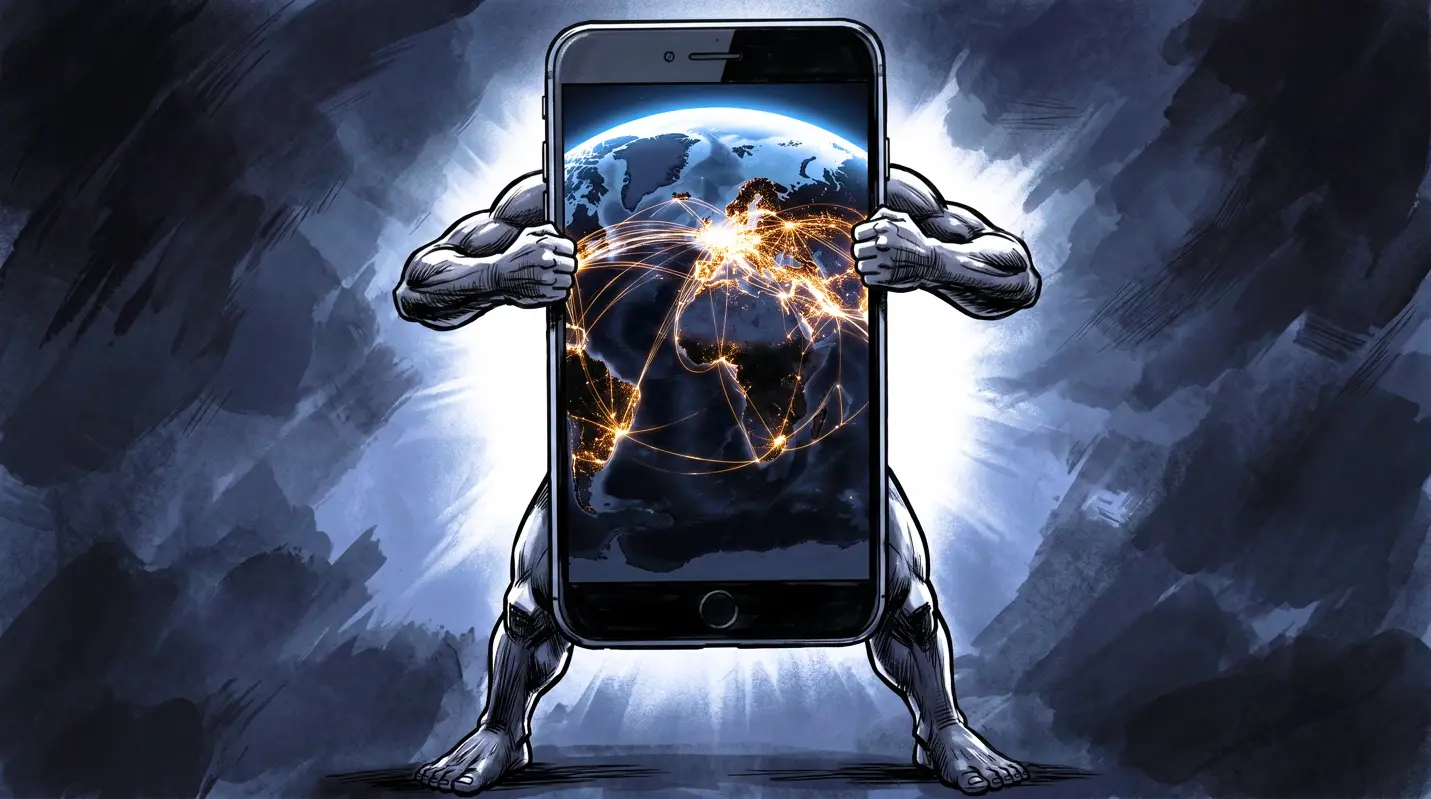





At the speed of light you become a narcissist because only the figure of the individual remains – which explains, as Tom Wolfe point out, why so many jetsetters are so involved with themselves.
The Global Village with Bruce Powers, 1989, p 99
Year: 1989
Individual consciousness is achieved by strategic ignorance and suppression.
From Cliché to Archetype with Wilfred Watson, 1970, p 63
Year: 1970
… a mass society is one in which personal diversity is encouraged while at the same time everybody reacts and interacts simultaneously to every stimulus.
Playboy interview, 1969, reprinted in Essential McLuhan (1995 edition), p 262
Year: 1969
Chapters:
Audience, Public, Mass | Corporate Consciousness | Future | Retribalizing | Today’s Transition
We are individually overwhelmed by corporate consciousness and by the inclusive experience of mankind both past and present. It would be a comic irony if men proved unable to cope with abundance and riches in both the economic and psychic order. It is not likely to happen.
“Cybernation and Culture” (1966), in On the Nature of Media (2016), p 103
Year: 1966
Chapters:
Anticipating Change | Corporate Consciousness
BRUCE POWERS: Is there any use of the digital computer which could create a new bulwark for the individual?
MARSHALL MCLUHAN: Yes, what some researchers have called the new home information services in which the computer is utilized by a person to organize particular data needs; that is, to order groceries or machine parts, home security, specialized news items, answering services, and paid work at home.
The Global Village with Bruce Powers (1989), p 143
Year: 1989
Chapter:
Predictions
To create an antienvironment for such electric technology would seem to require a technological extension of both private and corporate consciousness. The awareness and opposition of the individual are in these circumstances as irrelevant as they are futile.
Through The Vanishing Point with Harley Parker, (1968), p 244
Year: 1968
All our alienation and atomization are reflected in the crumbling of such time-honored social values as the right of privacy and the sanctity of the individual.
“Playboy Interview: Marshall McLuhan: A Candid Conversation with the High Priest of Popcult and Metaphysician of Media”. By Eric Norden. Playboy Magazine, March (1969), p 62, reprinted in Essential McLuhan (1995), p 249
Year: 1969
Chapter:
Anticipating Change
The new corporate identity of electronic man has arrived so suddenly that it still coexists with private and individual identity.
“Mr. Nixon and the Dropout Strategy”, in The New York Times, July 29, (1973), p E13
Year: 1973
The craving for intense individuality and attention merges with the opposite extreme of security through uniformity.
The Mechanical Bride, (1951), p 96
Year: 1951
Chapter:
Advertising
The alphabet, when pushed to a high degree of abstract visual intensity, became typography. The printed word with its specialist intensity burst the bonds of medieval corporate guilds and monasteries, creating extreme individualist patterns of enterprise and monopoly.
Understanding Media, 1964, MIT/Routledge edition, p 23
Year: 1964
The great collective art of modern cities is not produced by private individuals. Press, magazines, movies, sports, and radio represent arts in which those who originate the message are so numerous as to remain anonymous.
“Baseball Is Culture” (1952), p 4
Year: 1952
Chapter:
Anonymous History
It is human consciousness itself that is the great artifact of man. The making and shaping of consciousness from moment to moment is the supreme artistic task of all individuals. To qualify and to perfect this process on a world environmental scale is the inherent potential of each new technology.
“The Emperor’s Old Clothes” , (1966), reprinted in McLuhan Unbound #20 (2017), p 14
Year: 1966
Chapters:
Art, Artists | Consciousness
Art makes the corporate and communal accessible to the individual, whose task it is to assimilate the tradition, to modify it in relation to the new situations that are continuously forming.
The Marfleet Lectures, March 16-17, 1967, reprinted in Understanding Me (2003), p 119
Year: 1967
Chapter:
Art, Artists
Print made possible individualism because the book as private teaching machine fostered initiative and self-reliance.
Introduction to Print, in NAEB Report on Understanding New Media, June (1960), p 48
Year: 1960
Chapter:
Book