Viewing chapter Information Overload (29 quotes)
Faced with information overload, we have no alternative but pattern-recognition.
Counterblast (1969), p 132
Year: 1969
Chapters:
Information Warfare | Pattern Recognition
Information overload equals pattern recognition.
“Media Ad-vice,” Introduction to Subliminal Seduction by Bryan Wilson Key (1972)
Year: 1972
Chapter:
Oft-Cited Quotes
In this electronic age we see ourselves being translated more and more into the form of information, moving toward the technological extension of consciousness.
Understanding Media (1964), MIT/Routledge edition, p 57
Year: 1964
To understand a process is an indispensable way of coping with information overload.
“Information Hunt Looms Big”, in College and University Journal, Vol 6, No. 2, Spring, 1967, p 5
Year: 1967
The amount of information overload in the environment of the child today is fantastic.
“Television in a New Light”, in “The Meaning of Commercial Television, ed., Stanley Donner (1966), p. 102
Year: 1966
Chapter:
Information Warfare
Electric circuitry profoundly involves men with one another. Information pours upon us, instantaneously and continuously.
The Medium is the Massage with Quentin Fiore and Jerome Agel, 1967, p 63
Year: 1967
Chapter:
Electric, Electronic
All meaning alters with acceleration, because all patterns of personal and political interdependence change with any acceleration of information.
Understanding Media, 1964, MIT/Routledge edition, p 199
Year: 1964
Chapter:
Speedups
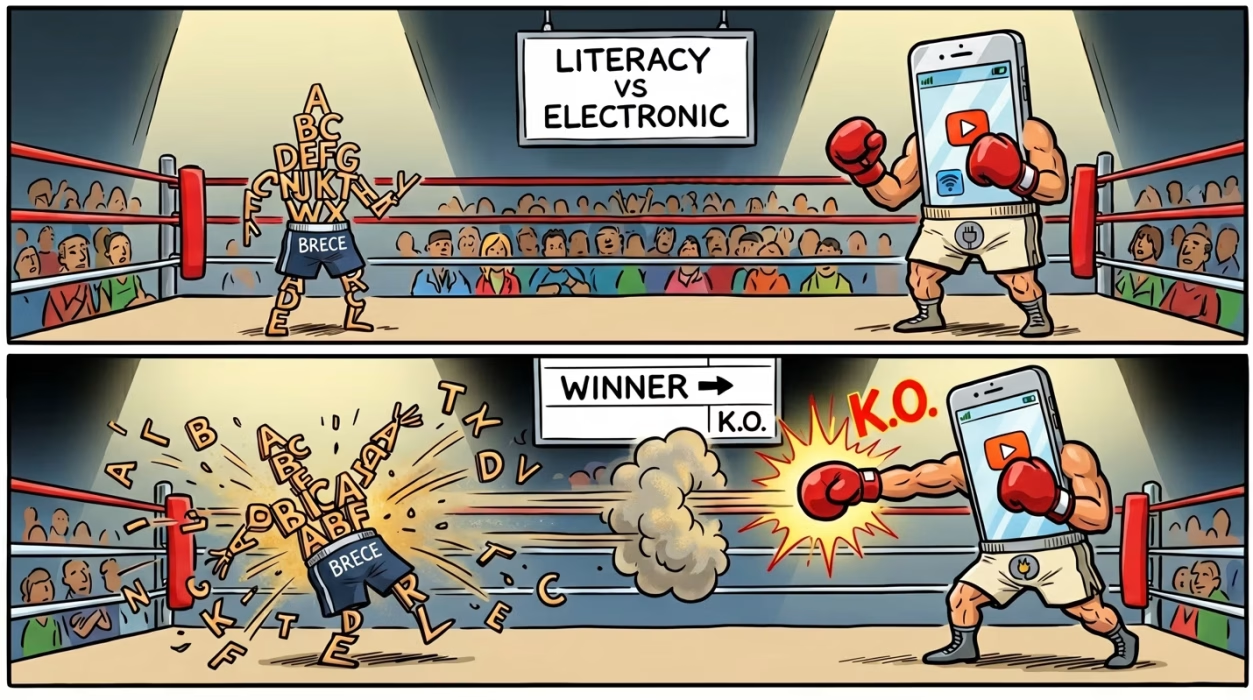
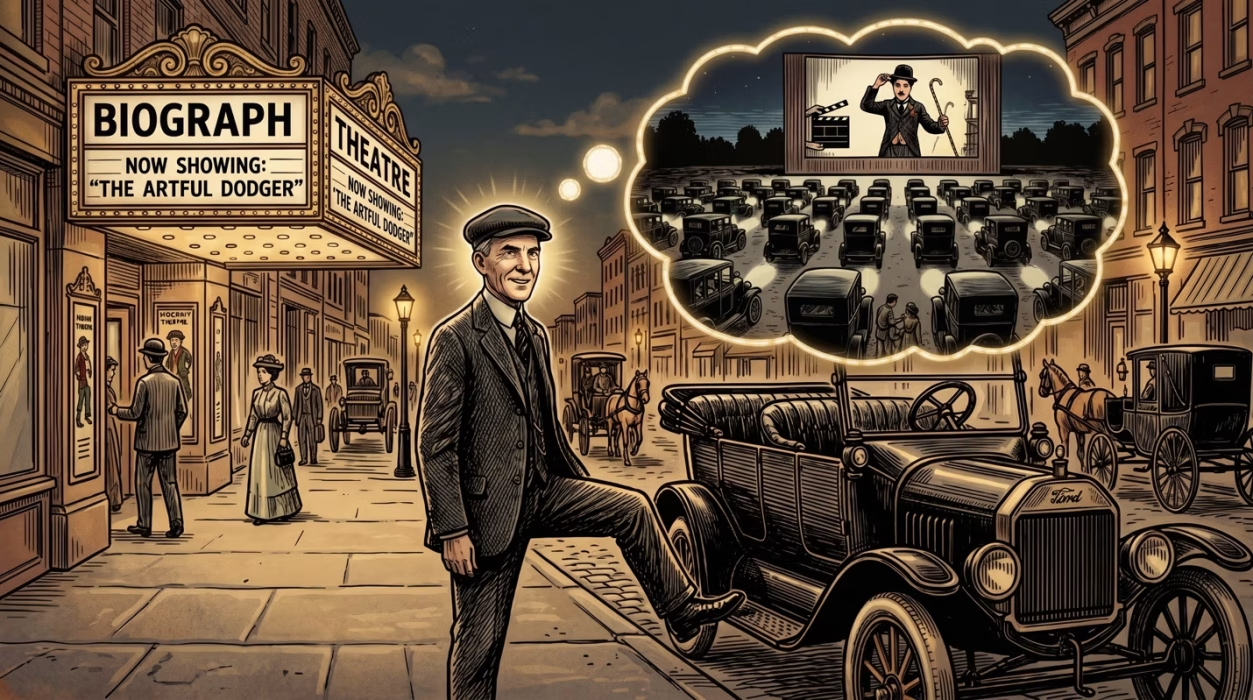
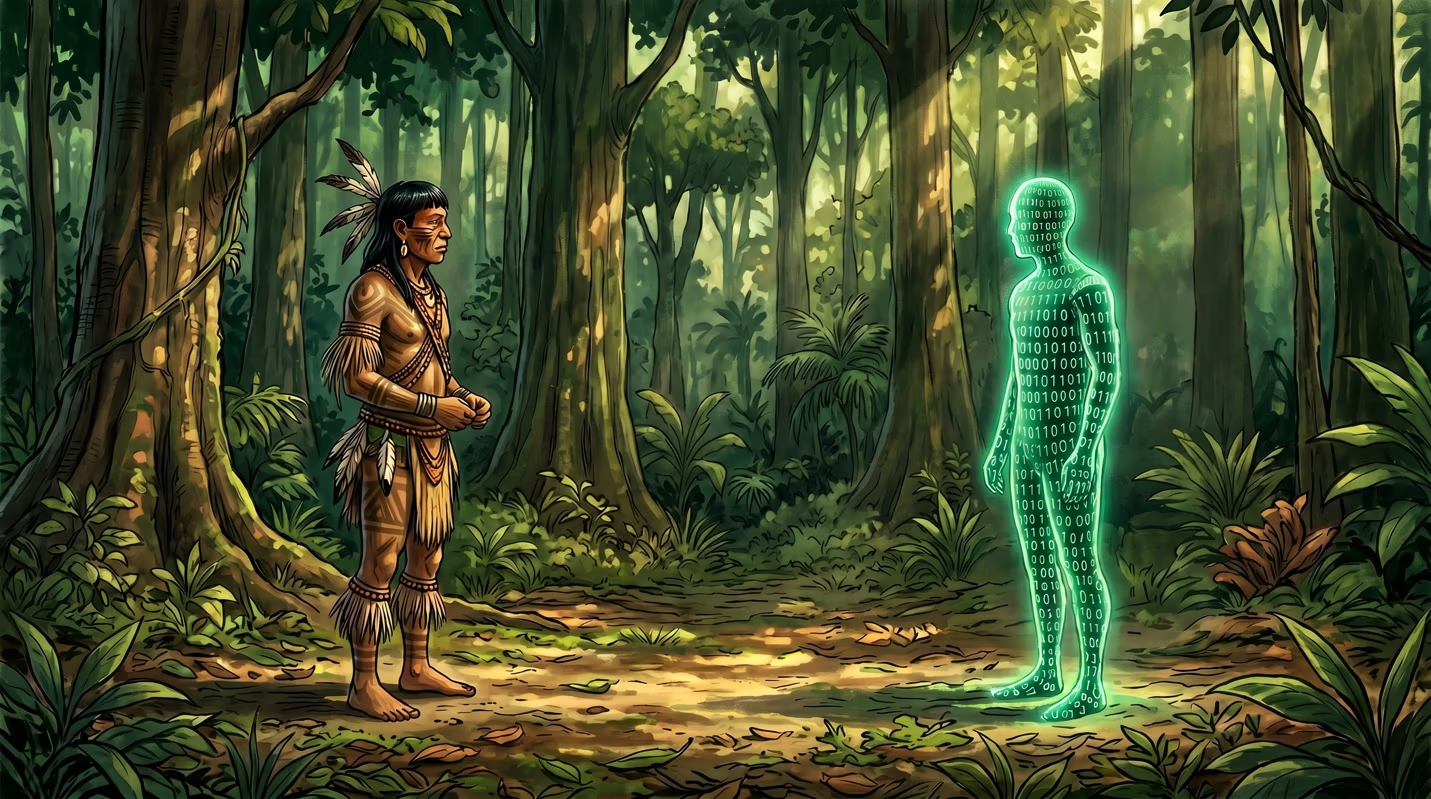

One of the many effects of television on radio has been to shift radio from an entertainment medium into a kind of nervous information system.
Understanding Media, 1964, MIT/Routledge, 298
Year: 1964
In this electric age we see ourselves being translated more and more into the form of information, moving toward the technological extension of consciousness … By putting our physical bodies inside our extended nervous systems, by means of electric media, we set up a dynamic by which all previous technologies that are mere extensions of hands and feet and bodily heat-controls - all such extensions of our bodies, including cities - will be translated into information systems
Understanding Media (1964), MIT edition, p 57
Year: 1964
The hunter is back–the old planter with his little subdivisions, specialisms, basket-weaving, strip culture—is out. The hunter is back. The hunter is the man who does not work on little strips of culture but plays the total field. That’s the world of James Bond. That’s the world of the electronic total information environment.
“What the New Communications Will Mean to Public Relations,” Public Relations Journal, January, 1967, p 23
Year: 1967
Chapter:
Hunters of Information
The mosaic image of the TV screen generates a depth-involving nowness and simultaneity in the lives of children that makes them scorn the distant visualized goals of traditional education as unreal, irrelevant and puerile. Another basic problem is that in our schools there is simply too much to learn by the traditional analytic methods; this is an age of information overload. The only way to make the schools other than prisons without bars is to start fresh with new techniques and values.
“Playboy Interview: Marshall McLuhan: A Candid Conversation with the High Priest of Popcult and Metaphysician of Media”. By Eric Norden. Playboy Magazine, March (1969), p 64 , reprinted in Essential McLuhan (1995), p 251
Year: 1969
But you see any form when pushed to its limit always reverses its characteristics, and information overload is a nice example.
Marshall McLuhan in Conversation with Norman Mailer (1968), “Marshall McLuhan Speaks” transcript, page 6
Year: 1968
Chapters:
Chiasmus, Flips, Reversals | Information Warfare
When we live in an information environment, knowing and the processes of learning have to be understood as never before. At IBM the slogan has been for many years, “Information overload requires pattern recognition.” When we live in an information environment, the overload is such that without pattern and structural studies, it becomes quite impossible to cope with the new environment created by the new information technologies.
Dedication for Magnovia II, February, 1968
Year: 1968
Chapters:
Information Warfare | Joyce, James
FACED WITH INFORMATION OVERLOAD, WE HAVE NO ALTERNATIVE BUT PATTERN-RECOGNITION.
Counterblast (1969), p 132
Year: 1969
Chapters:
Information Warfare | Pattern Recognition
At the present time, one area in which we daily observe the confusion resulting from sudden change of environmental factors is that of the educational dropout. Today, the ordinary child lives in an electronic environment, he lives in a world of information overload.
“Cybernetics and Human Culture” (1964) in Understanding Me (U2003), p 52
Year: 1964
Chapter:
Information Warfare
The only order that the young can create, in a very fast-moving world of information overload, the only order they can create is that of myth.
“Fletcher Markle on Mcluhan Is the Message” (1967) Youtube video, transcript: 18.01
Year: 1967
Chapters:
Information Warfare | Myth, Mythic
“But when you live in electric all at once environment to create an overload of information in the environment which drives everybody to various strategies for coping with all information overload, the basic strategy for coping with information overload is myth. So that our youngsters today have automatically re discover the meaning of myth, they live mythically.
“From Gutenberg to Batman,” Lecture (1966), Youtube video, transcript: 39:55
Year: 1966
Chapter:
Information Warfare
So in our information overload environment young people are living mythically without any warning, nobody's told them and nobody's explained why it should happen to them.
“From Gutenberg to Batman,” Lecture (1966), Youtube video, transcript: 39:55
Year: 1966
Chapter:
Information Warfare
“General Abrams is, like all old-style specialists, a centralist who depends on a hierarchy below him to keep him informed. It has not occurred to him to switch his perceptual activity to pattern recognition in a world of information overload”
“Media and the Inflation CROWD” (1973), in MM: The Man and His Message (1989), p 59
Year: 1973
Chapters:
Information Warfare | Pattern Recognition
The much greater electric speed-up of today enables us to shift from information overload to pattern recognition, from experience to knowledge, and from reaction to anticipation.
Take Today with Barrington Nevitt (1972), p 64
Year: 1972
Chapter:
Information Warfare
Faced with information overload, we have no alternative but pattern-recognition.
Since Sputnik there is no Nature. Nature is an item contained in a man-made environment of satellites and information.
Counterblast (1969), p 132
Year: 1969
The kind of understanding of social process which Innis achieved is not shared by other historians. Innis is unique in having been the first to apply the possibilities of pattern recognition to a wired planet burdened by information overload.
Foreword to H.A. Innis’s Empire and Communication, 1972 edition, in On the Nature of Media (2016), pp 194-195
Year: 1972
We live invested in an electric information environment that is quite as imperceptible to us as water is to fish.
Counterblast (1969), p 5
Year: 1969
Chapters:
Environment | McLuhanisms & Zingers
We now live in a technologically prepared environment that blankets the earth itself. The humanly contrived environment of electric information and power has begun to take precedence over the old environment of "nature." Nature, as it were, begins to be the content of our technology.
A New Journey of the Magi, 1965, p 1
Year: 1965
Chapter:
Environment
Man in the electronic age has no possible environment except the globe and no possible occupation except information-gathering.
“The Agenbite of Outwit”, In Location Magazine, Vol. 1, No. 1, (1963), p 121, reprinted in Marshall McLuhan Essays Media Research: Technology Art Communication, (1997), p 125
Year: 1963
Any artifact, whether hardware (compass, cash, chairs, computer) or software (art styles, poetry, philosophy, scientific theories) when subjected to intense speedup will eventually reach a state of information overload in which the process pattern of the artifact as an aspect of eternity becomes clear.
The Global Village with Bruce Powers (1989), pp 43-44
Year: 1989
Chapters:
Chiasmus, Flips, Reversals | Information Warfare
Mythic structuring of situations becomes natural under information overload, you can’t cope with it in classification terms, so you build myths. We now live mythically, we can’t think mythically, but we live mythically.
“The New Education” (1967), p 71
Year: 1967
Chapters:
Information Warfare | Myth, Mythic
Every one of us is now living in a time of overload. Everywhere we turn is information, packaged, and/or just broadcast, pouring all over you, all the time. And so, in this environment, you desperately need pattern recognition, which is hunting. Give me the clue. Clue me in, quick.
The Inside Exchange, 1977, p 3 of photocopy
Year: 1977
Chapter:
Hunters of Information
When the pressure of living in a world of data creates the need for integral awareness, overload leads to pattern recognition. You can only specialize just so much, then you have to go integral again.
The Museum as Large-Room Pinball Machine, Marshall McLuhan, Harley Parker, and Museum Professionals, 1967, full transcript of a seminar at the City Museum of New York, October, 1967, edited by William Buxton, published by U. of Alberta Press, 2026, p 87
Year: 1967