Viewing chapter Language (97 quotes)
The linguistic studies of Edward Sapir and B.L. Whorf have lately shown that language is not only the storehouse of scientific thought. All actual and implicit scientific theories are implicit in the verbal structure of the culture associated with them.
“James Joyce: Trivial and Quadrivial” Thought: Fordham University Quarterly, Vol. 28, No 1, (1953), in The Interior Landscape (1969), p 25
Year: 1953
Chapter:
Science
There is no such thing as a primitive language.
“James Joyce: Trivial and Quadrivial” Thought: Fordham University Quarterly, Vol. 28, No 1, (1953), in The Interior Landscape (1969), p 38
Year: 1953
…language itself is the greatest of mass media. The spoken word instantly evokes not only some recently conceived idea but reverberates with the total history of its own experience with man. We may be oblivious to such overtones as of the spectrum of colour in a lump of coal. But the poet by exact rhythmic adjustment can flood our consciousness with this knowledge.
“Culture without Literacy”, in Explorations #1, December (1953), p 124 reprinted in Essential McLuhan, (1995), p 310, additional reprint in Media Research Technology, Art and Communication (1997), p 134. and McLuhan Unbound #6, (2017)
Year: 1953
Language was the first outering of the central nervous system. In language we put all of ourselves outside. Then we retracted and began to hedge our bets by putting out single senses like wheel (feet), hammer (fist), knife (teeth-nail), drum (ear), writing (eye). Each of these altered both private and corporate images, creating great pain and alienation.
Culture Is Our Business, (1970), p 42
Year: 1970
Slang is verbal violence on new psychic frontiers. It is a quest for identity.
Culture Is Our Busines,s (1970), p 288
Year: 1970
Finnegans Wake is quite aware that anybody who learns to speak a proper tongue or dialect has acquired vast information and vast skill. A child who at the age of one speaks English or his native tongue has learned more than he will ever learn again in all his life put together. That is because the language itself is a vast store of information and when a child has learned to speak English or Polish he has learned more than he will ever learn again in all his life put together. Well that is because language has this peculiar character: it is a storehouse, it’s like a databank. Language is a vast databank stored with the impressions and knowledge of countless millions of people. Anybody who can speak any language has access to this huge databank of a language. Now electronically we are more and more aware of this and we’re more and more trying to simulate these databanks. We’re trying now mechanically as it were to store in databanks things which are already inherent in any language.
City as Classroom Interview with Carl Scharfe, 1977
Year: 1977
Chapter:
Education
As the total environment becomes a technologically prepared environment, languages assume new roles over and above the confrontation of the printed page. Yet the literary man is potentially in control of the strategies needed in the new sensory environment. Language alone includes all the senses and interplay at all times.
Letter to Michael Wolff, July 3, 1964, in Letters of Marshall McLuhan (1987) p 304
Year: 1964
Chapter:
Training of Perception
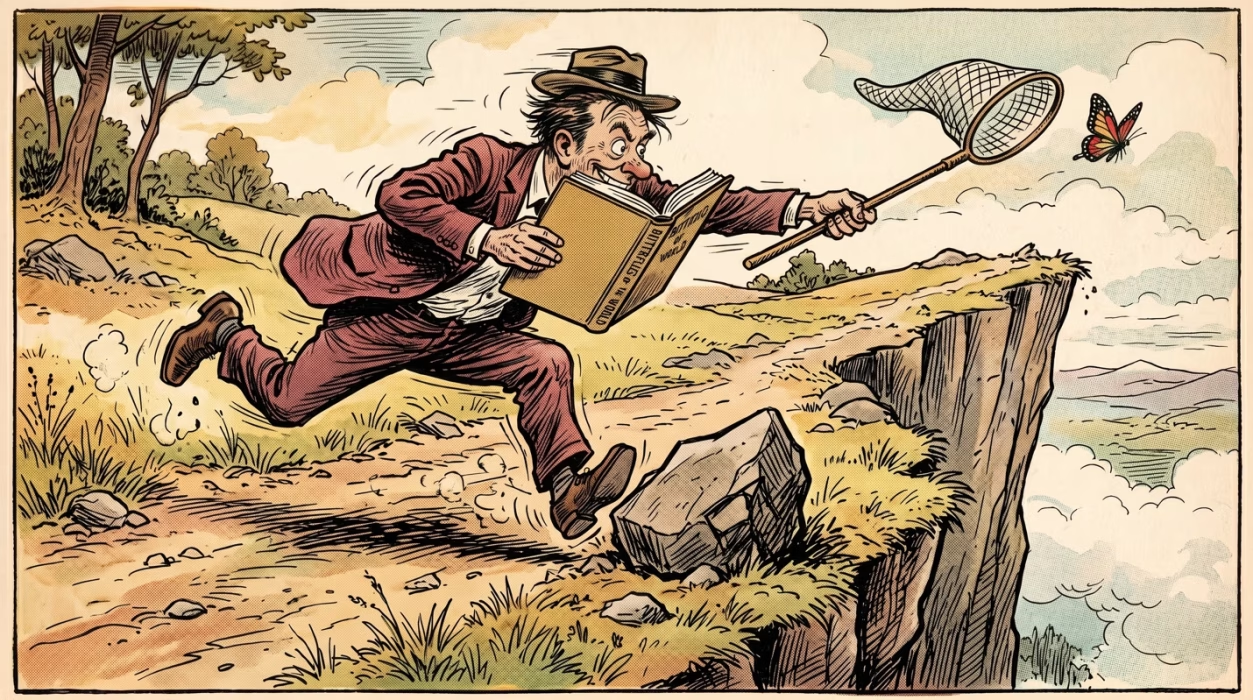

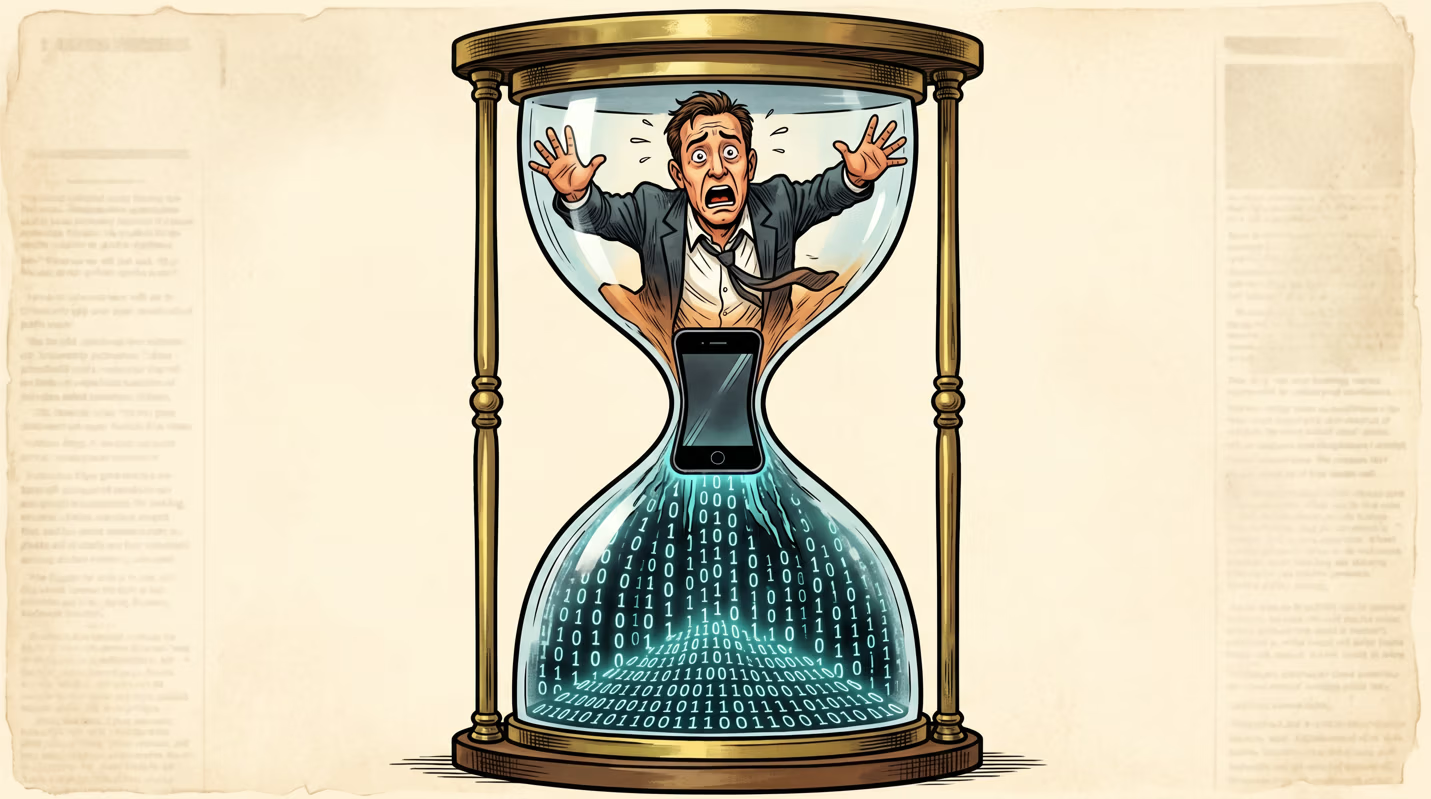
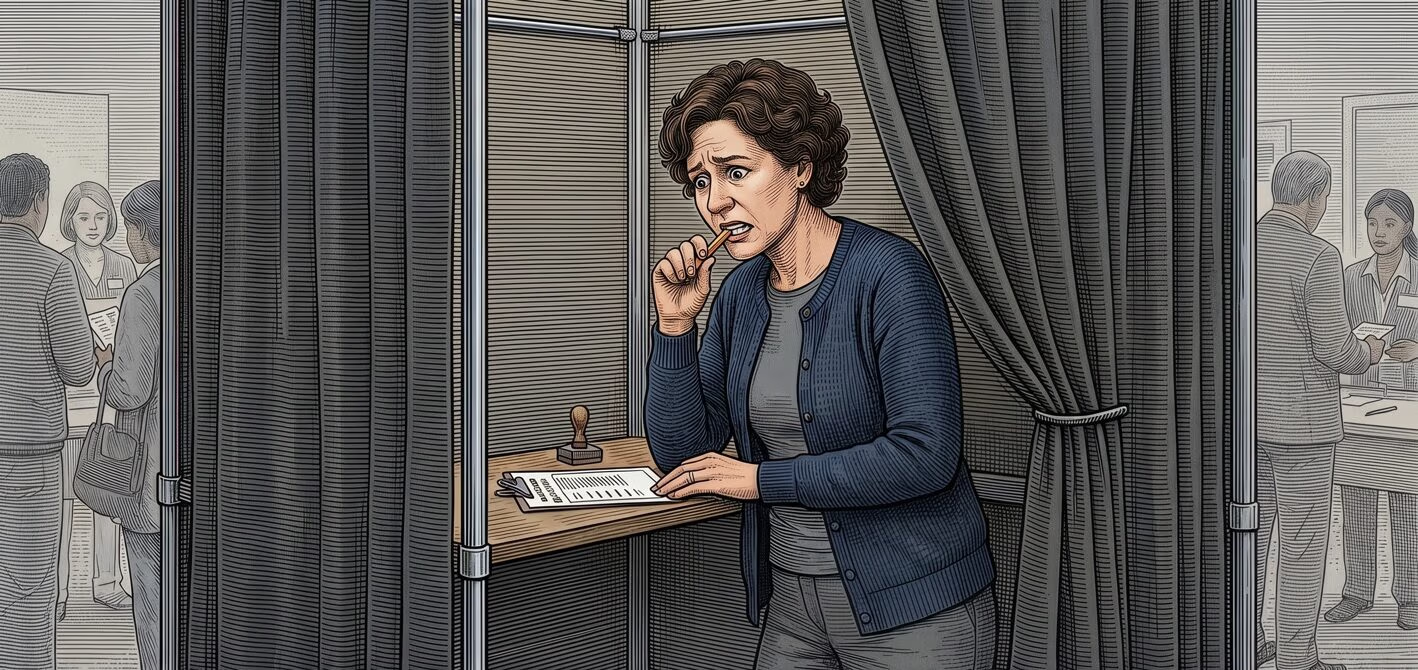
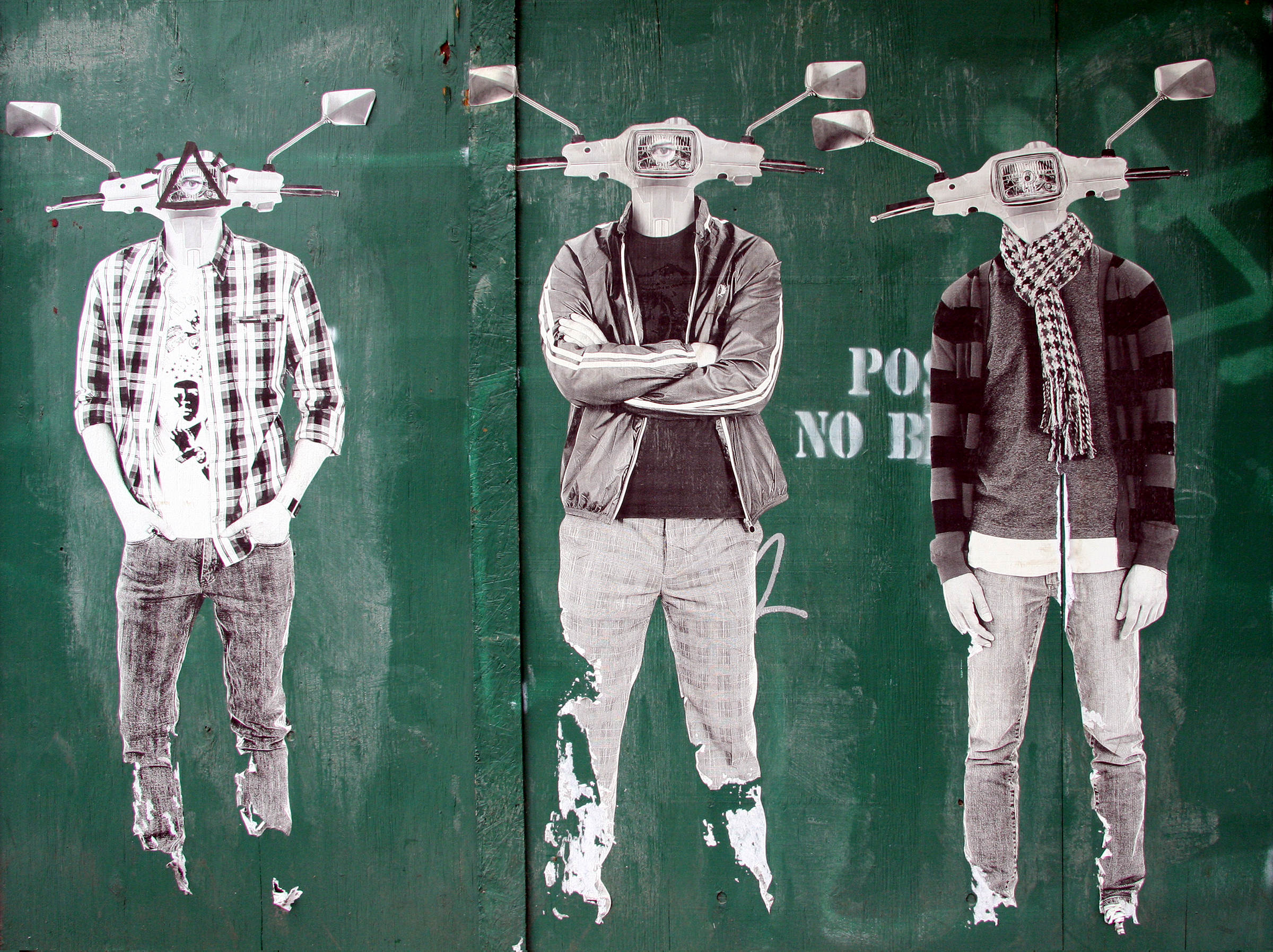
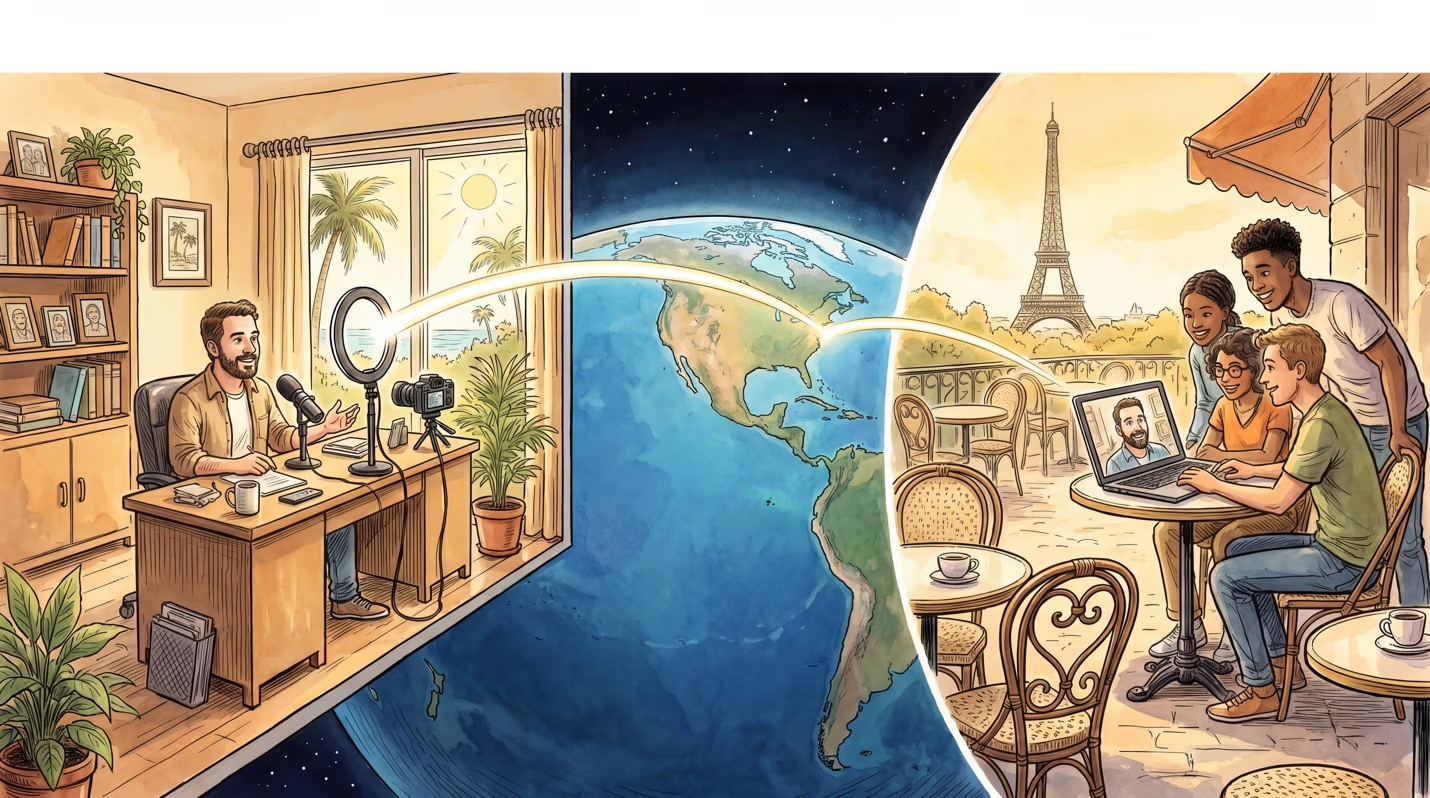
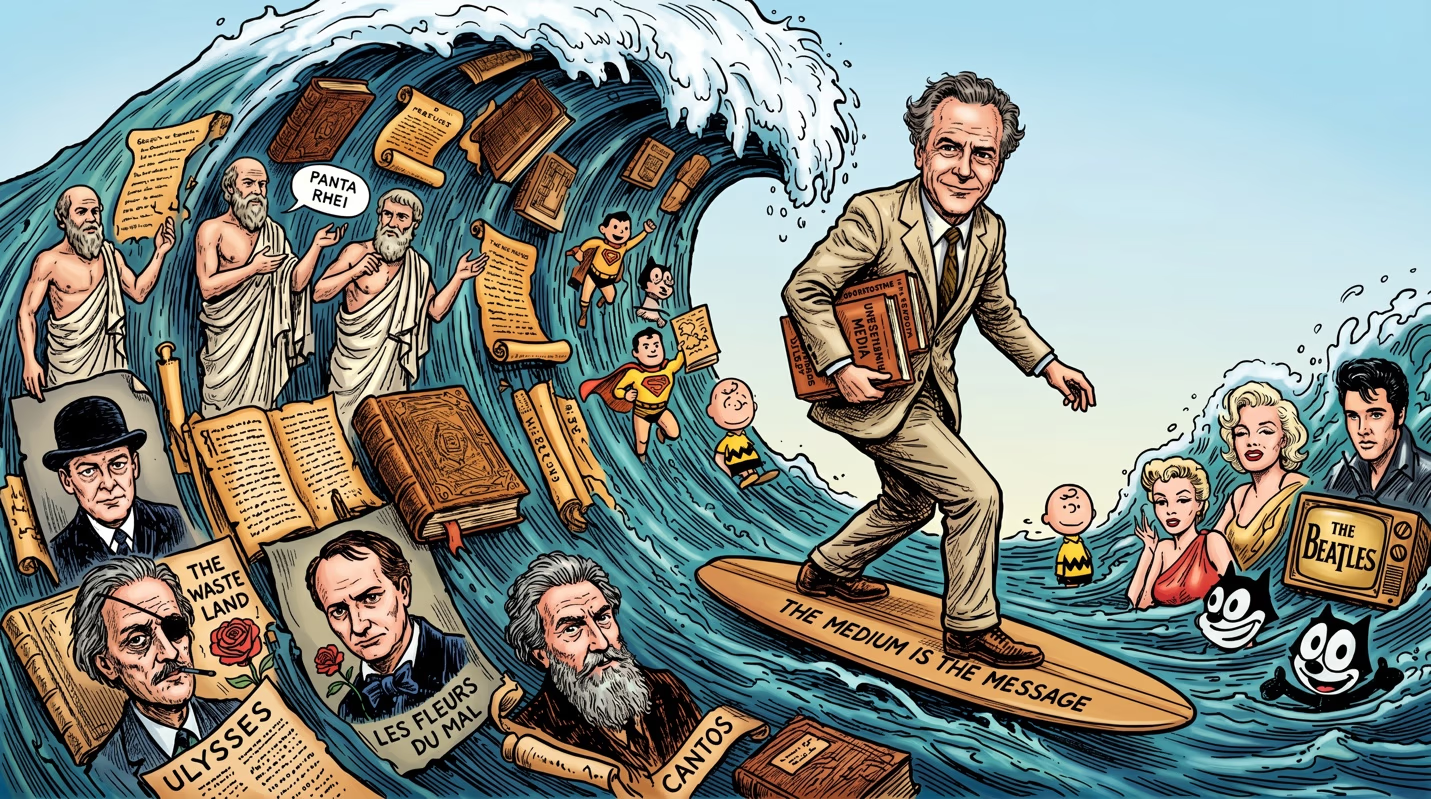
Today computers hold out the promise of a means of instant translation of any code or language into any other code or language. The computer, in short, promises by technology a Pentecostal condition of universal understanding and unity. The next logical step would seem to be, not to translate, but to by-pass languages in favor of a general cosmic consciousness which might be very like the collective unconscious dreamt of by Bergson.
Understanding Media, 1964, Gingko Critical Edition, p 75
Year: 1964
Chapters:
After Language | Computer | Corporate Consciousness | Extending Consciousness | Predictions
Electric technology does not need words any more than the digital computer needs numbers. Electricity points the way to an extension of the process of consciousness itself, on a world scale, and without any verbalization whatever. Such a state of collective awareness may have been the preverbal condition of men.
Understanding Media, 1964, Gingko Critical Edition, p 78
Year: 1964
The modalities of grammar, etymology and word-formation could be made to yield a complete account of the economic, social, and spiritual adventures of mankind. If geology could reconstruct the story of the earth from the inert strata of rock and clay, the scienza nuova could do much better with the living languages of men.
“James Joyce Trivial and Quadrivial,” 1953, reprinted in The Interior Landscape (1969), p 24
Year: 1953
Chapters:
Information | Science
Many centuries of ideogrammic use have not threatened the seamless web of family and tribal subtleties of Chinese society. On the other hand, a single generation of alphabetic literacy suffices in Africa today, as in Gaul two thousand years ago, to release the individual initially, at least, from the tribal web.
Understanding Media, 1964, Gingko Critical Edition, p 78
Year: 1964
Chapter:
From Tribal to Literate
Language extends and amplifies man but it also divides his faculties. His collective consciousness or intuitive awareness is diminished by this technical extension of consciousness that is speech.
Understanding Media, 1964, Gingko Critical Edition, p 74
Year: 1964
Language is a form of organized stutter.
Interview with , December 1969, in The Beatles and McLuhan (2012) by Thomas McFarlane
Year: 1969
Henri Bergson, the French philosopher, lived and wrote in a tradition of thought in which it was and is considered that language is a human technology that has impaired and diminished the values of the collective unconscious.
Understanding Media (1964), MIT/Routledge edition, p 79
Year: 1964
Chapter:
Corporate Consciousness
Today the matrix of technology is releasing, not new vernaculars, but a whole series of new tongues, which the younger learn as mother tongues.
"Education Communications," in The Basilian Teacher, March, 1958, vol 2, no. 6, page number not indicated in the LAC copy
Year: 1958
All words have an appearance quite independent of their meanings. It is only the hieroglyphic languages where the shape and meaning merge. Hidden, therefore, in all the shapes of our words are strange associations. For example, “look” spelled backwards is “cool” and “diaper” spelled backwards is “repaid” and “lap dog” is “god pal.” These reverse patterns affect us when we are not paying attention. Some words are shaped like Rorschach ink blots. Like drool, plot, mediocre, involvement, liquid, amoeba and phlegm.
“The Genuine Original Imitation Fake,” in DEWLine Newsletter, May-June, 1970, p 4
Year: 1970
Chapter:
Fake
Psychiatry has revealed that words are no mere arbitrary counters, but reach down with spreading and tentacular roots into the deepest terrors and desires of the human soul.
“Education of Free Men in Democracy: the Liberal Arts,” in St. Louis University Studies in honor of St. Thomas Aquinas, Vol. 1, 1947, p 48
Year: 1947
For if all art is a contrived trap for the attention, all art and all language are techniques for looking at one situation through another one.
“Culture without Literacy”, in Explorations #1, December (1953), p 121 reprinted in Essential McLuhan, (1995), p 307, additional reprint in Media Research Technology, Art and Communication (1997), p 131, and McLuhan Unbound #6, (2017)
Year: 1953
…the alphabet and kindred gimmicks have long served man as a subliminal source of philosophical and religious assumptions. Certainly Martin Heidegger would seem to be on better ground in using the totality of language itself as philosophical datum.
The Gutenberg Galaxy, (1962), p 248
Year: 1962
[As reported by Albert Goldman, in The Lives of John Lennon]
Language is a form of organized stutter. Literally you chop your sounds up into bits in order to talk. Now, when you sing, you don’t stutter, so singing is a way of stretching language into long, harmonious patterns and cycles. How do you think about language in song?
Reportedly said to John Lennon and Yoko Ono at a meeting in December, 1969; from Albert Goldman in The Lives of John Lennon (1988), paperback edition, p 433
Year: 1969
All media, especially languages, are mass media so far at least as their range in space and time is concerned. If by 'mass media' is meant a mechanized mode of a previous communication channel, then printing is the first of the mass media.
“Notes on the Media as Art Forms” in Explorations 2 (1954), p 5
Year: 1954
To glance in brief succession at the trivium and quadrivium in Joyce is to begin with grammatica or philology. This involves speech itself, which has been properly named as the main protagonist of every work of Joyce.
“James Joyce: Trivial and Quadrivial”, 1953, reprinted in The Interior Landscape (1969)
Year: 1953
Chapter:
Joyce, James
One of the most major revolutions that could happen to any people at all is for some change of rhythm in speech or language to occur. How about that? But Eliot’s discovery that our whole English language was shifting from iambic rising stress to trochaic falling stress goes along with an amazing set of revolutions in English language and literature and a change of human outlook at human association.
“The Meaning of TV to Children” (1965), p 35
Year: 1965
If human society and culture is a community network, as seems obvious enough, then [language] precedes literature as the basis of society and culture. The great and abiding mass medium is not literature but speech.
“The Newspaper,” undated unpublished typescript, p 5
Language is at once the most vulgar of all media and the greatest work of art that ever can be devised by man. It is a network of communication binding men in time and in space. And it is not private but collective in origin. From this point of view the modern mass media are new languages, new art forms which have created chain reactions of great scope in our lives.
“The Newspaper,” undated unpublished typescript, p 5
All words, in every language, are metaphors.
Laws of Media: The New Science with Eric McLuhan, (1988), p 120
Year: 1988
Humor is a profound area of research and social science because it shifts around with the shifting area of sensitivity and grievance….Slang is a spontaneous and natural behavior which records quite deep motivation. Slang, the grievance joke, and the joke without a story line all belong to the electric world, where everything happens at once.
“Television in a New Light” in The Meaning of Commercial Television, edited by Stanley Donner (1966), p 90
Year: 1966
Chapter:
Playfulness
Today we are very conscious of slang as a frontier of linguistic change and response to the new service environments created for our senses by electronic information. Even old forms like “dig,” “gutsy,” “groovy”, indicate a large shift from the “cat’s pyjamas” and “hot mamas”, and “I’ll tell da world” of the 1920’s. The twenties were going corporate and tribal fast enough under the huge speed-up of information movement by radio. But their slang is still visual and square (i.e., Euclidean) compared to the tactile, haptic, proprioceptive, and acoustic spaces and involvement of the slang of the TV age.
Letter to Robert Leuver, July 30, 1969, in Letters of Marshall McLuhan (1987), p 385
Year: 1969
This raises a major issue for us all to study: Namely, when does a mechanical code of transmission of information itself become a language? Under what conditions does a language revert to a code of transmission? With our new coding devices today such as movies and TV, tapes, discs, radio, teletype and so on, we are setting about to establish whether these means of transmission have themselves so deeply altered human sensibilities and re-shaped human institutions and attitudes as to have acquired the status of new languages.
Speech to the NAEB, Sept. 23, 1959, reprinted in Cameron McEwen’s blog, McLuhan’s New Sciences
Year: 1959
Today we are beginning to notice that the new media are not just mechanical gimmicks for creating worlds of illusion, but new languages with new and unique powers of expression.
“Classroom Without Walls” Explorations 7 (1957), in Explorations in Communication (1960), p 24
Year: 1957
Chapter:
English Language
For language itself is an acoustic medium which incorporates gesture and all the various combinations of sensuous experience, in a single medium of sound.
“The Post-Literate Man”, in Cycle 7: Essays, Short Stories, Poems for Freshman English, Science Research Associates (1973), p 230
Year: 1973
…language itself, the simultaneous storehouse of all experience.
The Gutenberg Galaxy, 1962
Year: 1962
Chapters:
Living Unity | Dropout
Language itself (…) at once the greatest mass medium of communication and also the greatest time-builder of cultures and civilizations.
-“The Later Innis”, 1953
Year: 1953
Language itself as the supreme literary masterpiece, since every creation in this order reduces itself to a combination of forces in a given vocabulary, according to forms instituted once and for all.
“James Joyce: Trivial and Quadrivial”, 1953; reprinted in The Interior Landscape (1969)
Year: 1953
…language itself is the principal channel and view-maker of experience for men everywhere.
“Catholic Humanism and Modern Letters”, 1954; reprinted in The Medium and the Light (1999)
Year: 1954
Language itself [is] the accumulated store of perception to which the writer owes the deepest responsibility. That is why Pope made such an issue of dullness, for he saw the hack writers as people not only without perception, but as creators of a collective opacity in language, which is the very instrument of perception.
“The Functions of Art”, 1963
Year: 1963
Donne, and the later Shakespeare, on the one hand, and the Romantics on the other, have been read at Cambridge as though they were contemporaries of Mr. Eliot — which of course they are. For the continuing life of the language itself is such as to constitute a medium in which they are all contemporary.
The Cambridge English School, 1938)
Year: 1938
The origin of this important claim for the inseparable character of eloquence and wisdom would seem to lie in the familiar doctrine of the Logos, which may be supposed to have arisen with Heraclitus. Society is a mirror or speculum of the Logos, as, indeed, are the external world, the mind of man and, above all, human speech.
“An Ancient Quarrel in Modern America”, 1945)
Year: 1945
Often noted from Montaigne onward is the growing interest in the anatomy of states of mind which in Giambattista Vico reached the point of stress on the importance of reconstructing by vivisection the inner history of one’s own mind. A century separates Vico’s Autobiography and Wordsworth’s Prelude, but they are products of the same impulse. Another century, and Joyce’s Portrait carries the same enterprise a stage further. Vico generalized the process as a means of reconstructing the stages of human culture by the vivisection and contemplation of language itself.
“The Aesthetic Moment in Landscape Poetry”, 1951, reprinted in The Interior Landscape (1969)
Year: 1951
Chapter:
Poetry
Language itself and every department of human activity would in this view be a long succession of ‘momentary deities’ or epiphanies. And such indeed is the view put forward in the Cratylus of Plato: I believe, Socrates, the true account of the matter to be, that a power more than human gave things their first names, and that the names which are thus given are necessarily their true names. In this way etymology becomes a method of science and theology. William Wordsworth called these momentary deities “spots of time”, Hopkins called them “inscapes” and Browning built his entire work on the same concept of the esthetic of the ‘eternal moment’.”
The Little Epic, late 1950s, unpublished manuscript in the Ottawa Archive (LAC)
Year: 1950
Chapter:
Pattern Recognition
You cannot conceive a form of scientific hypothesis which is not part of your own language, implicit in that language. All the mathematics in the world are externalizations of certain linguistic patterns. What the poets were saying — now more widely appreciated — was that the language itself embodies the greatest body of scientific intuition possible. The proportionalities in things, and between things and our senses, and so embodied in language itself, are inexhaustible. The particular technology of a time releases some of that inexhaustible store of analogical intuition and experience which IS language.
“Communication Media: Makers of the Modern World”, 1959; reprinted in The Medium and the Light (1999)
Year: 1959
The culture-hero as conceived in our time by James Joyce (Stephen Hero) is he who has learned the technique of intercession between the profane and the divine. He is the inventor of language, the one who can capture in his net the divine powers.
“Tennyson and the Romantic Epic”, 1960
Year: 1960
In our time, study has finally turned to the medium of language itself as shaping the arrangements of daily life, so that society begins to look like a linguistic echo or repeat of language norms.
Understandng Media, 1964
Year: 1964
Folklorists and anthropologists had recovered the tribal and social memories of whole cultures at the same time that the symbolist poets had come to regard language itself as the inclusive storehouse of racial memories.
“The Memory Theatre”, 1967
Year: 1967
…as the very informing principle of cosmic action, it is language itself that embodies and performs the dance of being.
“Empedocles and T. S. Eliot”, 1976
Year: 1976
Experience translated into a new medium literally bestows a delightful play-back of earlier awareness.
Understanding Media (1964), MIT/Routledge edition, p 211
Year: 1964
Ads, comics, and movies are not codes in North America but basic languages. That we have not yet begun to teach their grammars is as natural as it is for pre-literate man to ignore the written or visual mode of his language. Grammar comes from the Greek “written.” And education would seem to involve the translation of experience into a new mode.
The Medium Is the Message, (1960), p 24
Year: 1960
Chapters:
Media as Form | Media Literacy
But the principle of exchange and translation, or metaphor, is in our rational power to translate all of our senses into one another. This we do every instant of our lives. But the price we pay for special technological tools, whether the wheel or the alphabet or radio, is that these massive extensions of sense constitute closed systems. Our private senses are not closed systems but are endlessly translated into each other in that experience which we call consciousness.
The Gutenberg Galaxy: The Making of Typographic Man, (1962), p 5
Year: 1962
Today we have to tackle the basic questions of the place and future of languages as such.
“An Historical Approach to the Media of Communication” (1955), in McLuhan Unbound (2017), p 2
Year: 1955
When does a mechanical code of transmission of information itself become a language? Under what conditions does a language revert to a code of transmission? With our new coding devices today [such as movies]… we are setting about to establish whether these means of transmission have themselves so deeply altered human sensibilities and reshaped human institutions as to have acquired the status of new languages.
The Medium Is the Message, (1960), p 22
Year: 1960
Without language, Bergson suggests, human intelligence would have remained totally involved in the objects of its attention. Language does for intelligence what the wheel does for the feet and the body. It enables them to move from thing to thing with greater ease and speed and ever less involvement.
Understanding Media (1964), MIT/Routledge edition, p 79
Year: 1964
Language is really a storage system for the corporate and collective experience of all mankind… every time you play back some of that language, you release a whole charge of these ancient perceptions and memories.
Quoted in “Brave New World of Marshall McLuhan” (1966), p 134
Year: 1966
As the total environment becomes a technologically prepared environment, language assumes new roles over and beyond the confrontation of the printed page. Yet the literary man is potentially in control of the strategies needed in the new sensory environment.
Language alone includes all the senses and interplay at all times. Perhaps the weakness of literacy as such is its tendency to play up the visual aspects of language at the expense of all the other senses.
Letter to Michael Wolff, July 3, 1964, in Letters of Marhsall McLuhan (1987), p 304
Year: 1964
Chapter:
Training of Perception
The revolution in English grammar became obvious in 1957 when Noam Chomsky’s Syntactic Structures appeared. This book showed that the sentences of daily use, in all their infinite variety, are formed by transformation of a finite number of underlying structures. With this interest in structure came awareness that our understanding of a sentence is achieved through a perceptual process of extreme perplexity. This achievement is mysteriously attained, uniformly and rapidly and, to a high degree, quite independently of intelligence. In a word, language is an extension of the sensory life and we learn it as we learn to touch and see and hear.
“Wordfowling in Blunderland” (1965), p 25
Year: 1965
The English or any other language is itself a massive organization of traditional experience providing a complex view of the world.
Catholic Humanism and Modern Letters” The McAuley Lectures: Christian Humanism in Letters, Saint Joseph College, West Hartford Connecticut, (1954), p 50, reprinted in The Medium and the Light (1999), p 154.
Year: 1954
It is a commonplace of the poetic and critical discussion of the last 100 years to note that human languages are the greatest of all works of art beside which the works of Homer, Virgil, Dante and Shakespeare are minor variations.
Catholic Humanism and Modern Letters” The McAuley Lectures: Christian Humanism in Letters, Saint Joseph College, West Hartford Connecticut, (1954), p 50, reprinted in The Medium and the Light (1999), p 154.
Year: 1954
If machines yield the secrets of their construction only as the result of breakdown, it is possible to discern the same principle at work in language and society.
“The Implications of Cultural Uniformity” (1975), pp 53-54
Year: 1975
Language is be-fouled and messed up by millions of people each day. It is only periodically restored by poets who create new gaps or intervals in the central rhythm of the tongue. The fissures so opened admit and direct the streams of speech in fresh new patterns that release perceptual life from pestilential linguistic smog.
From Cliché to Archetype with Wilfred Watson (19760), p 115
Year: 1976
For language, itself, is the collective mask of a culture, even as its resources and powers for channelling perception are the prime concern of the poet. With language, the poet assumes the corporate mask and manipulates it like a puppet.
Masks and Roles and the Corporate Image.” Explorations, in The Varsity Graduate, Vol. 11, No. 2, 1964, p 63
Year: 1964
The future of language presents the possibility of a world without words, a wordless, intuitive world, like a technological expression of the action of consciousness. E.S.P.
“The Invisible Environment: The Future of an Erosion”, Perspecta, Vol.11, (1967), p 167, reprinted in On the Nature of Media, (2016), p 124
Year: 1967
Language is at once the most vulgar of all media and the greatest work of art that ever can be devised by man.
The Newspaper, unpublished, n.d., p 5 of typescript
The mother tongue is propaganda.
Through the Vanishing Point with Harley Parker (1968), p 252
Year: 1968
Chapter:
Retribalizing
Mathematics and the numerous non-verbal coding devices of science, today constitute the languages which support the structures of radio, TV, and the new visual culture of our age. With the advent of these rivals to verbal languages we can easily discern how traditional vernaculars are themselves the great mass media, that is, specialized frames and vehicles of experience.
“A Historical Approach to the Media” (1955), p 107
Year: 1955
Today in the age of quantum mechanics, for which a “chemical bond” is, according to Heisenberg and Linus Pauling and others, a “resonance,” it is perfectly natural to assume a “magical” attitude to language.
From Cliché to Archetype with Wilfred Watson (1970), p 117
Year: 1970
Chapters:
Living Unity | Dropout
Language is ambiguous. The people who don’t like ambiguity invented mathematics.
Interview with Nancy Cole (1975), transcript, p 23w
Year: 1975
Chapters:
Living Unity | Dropout
Languages are stuttering extensions of our five senses, in varying ratios and wavelengths. An immediate simulation of consciousness would by-pass speech in a kind of massive extrasensory perception, just as global thermostats could by-pass those extensions of skin and body that we call houses. Such an extension of the process of consciousness b y electric simulation may easily occur in the 1960s.
Understanding Media (1964), MIT/Routledge edition, p 130
Year: 1964
…the great revolution in literature the last century being]…the discovery that language is not a medium for messages but an organ of perception, collective, corporate perception. The discovery that languages are not channels like the telegraph for little messages but basically forms of perception and association by perception has been a tremendous revolution in literature.
The Meaning of TV to Children” (1965), p 2
Year: 1965
French is the “language of love” just because it unites voice and ear in an especially close way, as does the telephone. So it is quite natural to kiss via phone, but not easy to visualize while phoning.
Understanding Media (1964), MIT/Routledge edition, p 266
Year: 1964
Chapter:
Sex and Love
Languages old and new, as macromyths, have that relation to words and word-making that characterizes the fullest scope of myth. The collective skills and experience that constitute both spoken languages and such new languages as movies or radio can also be considered with preliterate myths as static models of the universe. But do they not tend, like languages in general, to be dynamic models of the universe in action? As such, languages old and new would seem to be for participation rather than for contemplation or for reference and classification.
“Myth and Mass Media” (1960), in Media Research (1997), p 6
Year: 1960
Chapter:
Myth, Mythic
Each mother tongue teaches its users a way of seeing and feeling the world, and of acting in the world , that is quite unique.
Understanding Media (1964), MIT/Routledge edition, p 80
Year: 1964
Some might ask, what is the difference between the "purification" of language urged by scientific method and the "destruction of words" described by Orwell.
From Cliché to Archetype with Wilfred Watson, 1970, p 57
Year: 1970
The language which we use is equally something which you put on. You speak, or wear, the language of your group. It's a corporate mask, a corporate insignia, that identifies you—you outer (utter) yourself. The traditional observation is, Speak that I may see you.
Technology and the Human Dimension (interview with Forsdale), 1974, in The Man and His Message, 1989, p 13
Year: 1974
Already . . . we're not far from that point. . . . Every year fewer and fewer words, and the range of consciousness always a little smaller..." Some might ask, what is the difference between the "purification" of language urged by scientific method and the "destruction of words" described by Orwell.
Counterblast, 1969, p 57
Year: 1969
Our words are analogies of the miracle by which we incarnate and utter the world.
Catholic Humanism and Modern Letters, 1954, p 63 [include publication details]
Year: 1954
Chapter:
Speech
But the language of industrialized areas has lost its oral quality and oral rhythms and seems to be incapable of translating the new sounds of technology or humanizing the new sounds through that language.
“Art as Survival in the Electric Age” (1973), in Understanding Me, (2003), p 217
Year: 1973
The “spinner of tales” and the “loom of language” are phrases to remind us of the age-old bond between utterance weaving. They also serve to remind us that language itself is a technology, and that all technologies are a kind of metaphor (metaferein), transferring human powers from one medium to another.
“The Place and Function of Art—” (1976), p 20
Year: 1976
Language is really a storage system for the corporate and collective experience of all mankind... Every time you play back some of that language, you release a whole charge of those ancient perceptions and memories.
Brave New World of MM, Glamour magazine,1966, 134
Year: 1966
[H]uman languages are the greatest of all works of art beside which the works of Homer, Vergil, Dante and Shakespeare are minor variations.
“Catholic Humanism and Modem Letters”, 1954, p 50
Year: 1954
…traditional vernaculars are themselves the great mass media, that is, specialized frames and vehicles of experience.
A Historical Approach to the Media, 1955, p 107
Year: 1955
[Language] is a network of communication binding men in time and in space. And it is not private but collective in origin.
“The Newspaper”, unpublished, n.d., p 5 of typescript
Language does for intelligence what the wheel does for the feet and the body. It enables them to move from thing to thing with greater ease and speed and ever less involvement.
Understanding Media (1964), MIT/Routledge edition, p 79
Year: 1964
Chapter:
Extension Theory
The particular technology of a time releases some of that inexhaustible store of analogical intuition and experience which IS language. So television releases within language a whole body of resources which has been bound up there for centuries. But this does not depend upon concepts. It has to do with sensibility and observation — analogical perception, right in the structure of language itself.
“Communication Media: Maker of the Modern World,” 1959 speech at the U. of Toronto, in The Medium and the Light (1999), p 39
Year: 1959
Today in the age of quantum mechanics, for which the "chemical bond" is, according to Heisenberg and Linus Pauling and others, a "resonance," it is perfectly natural to resume a "magical" attitude to language.
From Cliché to Archetype with Wilfred Watson (1970), p 51
Year: 1970
Chapters:
Living Unity | Dropout
Language alone includes all the senses and interplay at all times.
Letter to Michael Wolff, July 3, in Letters of Marhsall McLuhan (1987) , p 304
Year: 1987
[W]ith language, the poet assumes the corporate mask and manipulates it like a puppet.
“Masks & Roles & the Corporate Image,” University of Toronto: Explorations, in The Varsity Graduate, Vol. 11, No. 2, May, 1964, p 63
Year: 1964
…language is an extension of the sensory life and we learn it as we learn to touch and see and hear.
“Wordfowling in Blunderland” (1965), p 25
Year: 1965
Any game, like any medium of information, is an extension of the individual or the group. Its effect on the group or individual is a reconfiguring of the parts of the group or individual that are not so extended.
Understanding Media (1964), MIT/Routledge edition, p 204
Year: 1964
Chapter:
Sports and Games
The entire drama of conflict between individual and mass is most usefully studied under the aspect of the role of a poet in relation to his medium, because a language is a mass medium in all senses. Nobody in particular made it. Yet individuals have always to think and dream and feel in terms of this mass medium. The poet is in a special way the custodian and rejuvenator of language.
“Popular/Mass Culture,” Speech (1960), in Understanding Me (2003), p 16
Year: 1960
Without language, Bergson suggests, human intelligence would have remained totally involved in the objects of its attention.
Understanding Media (1964), MIT/Routledge edition, p 79
Year: 1964
The corporate language medium is itself the overwhelming "message". So it is with radio or telephone or TV or any extension of our bodies that will be invented in the future.
Letter to the Globe and Mail , June 17, 1970, in Letters, 1987, p 410
Year: 1970
Chapter:
Future
Plato's Cratylus presents a theory of language as the key to an inclusive consciousness of human culture much in the style of Finnegans Wake.
Letter to Tom Wolfe, October 25, 1965, in Letters, 1987, p 326
Year: 1965
The name of Benjamin Lee Whorf is associated with this approach in linguistics. Instead of approaching language as a vehicle for transporting data, he regards each language as a unique and infinitely complex mode of encoding or apprehending the world. Language becomes a total encounter with being.
Take Today with Barrington Nevitt, 1972, p 177
Year: 1972
Slang is not incorrect English. It is an untiring probe into the frontiers of a changing corporate awareness. “The cat’s whiskers” and “the cat’s meow” were both felt and heard in the era of the crystal set. No more delicate probe was ever advanced than “the cat’s whiskers” as it explored the declivities of the galena crystal.
“Libraries, Past, Present, Future” (1970), p 4
Year: 1970
The verbal equivalent of the mask is rhythm and measure.
Through the Vanishing Point with Harley Parker (1968), p 183
Year: 1968
Chapter:
Masks
Dante's Commedia was recognized as a "memory theatre" in its time and later, as were the Summas of the philosophers. Vico was the first to spot language itself as a memory theatre. Finnegans Wake is such a memory theatre for the entire contents of human consciousness and unconsciousness.
Letter to William Jovanovich, December 1, 1966, in Letters of Marshall McLuhan, p 339
Year: 1966
Language itself and every department of human activity would in this view be a long succession of ‘momentary deities’ or epiphanies. And such indeed is the view put forward in the Cratylus of Plato: I believe, Socrates, the true account of the matter to be, that a power more than human gave things their first names, and that the names which are thus given are necessarily their true names. In this way etymology becomes a method of science and theology. William Wordsworth called these momentary deities ‘spots of time’, Hopkins called them ‘inscapes’ and Browning built his entire work on the same concept of the esthetic of the ‘eternal moment’
The Little Epic, undated and unpublished manuscript from the late 1950’s (LAC)
Year: 1950
Chapter:
Pattern Recognition
It will be possible in this generation, I hope, to program the environment in such a way that we can learn a second language as we learned our mother tongue, rapidly and totally, as a means of perception and of discovery.
“The Invisible Environment: The Future of an Erosion”, Perspecta, Vol.11, (1967), p 167, reprinted in On the Nature of Media, (2016), p 124
Year: 1967