Viewing chapter Law of Implementation (17 quotes)
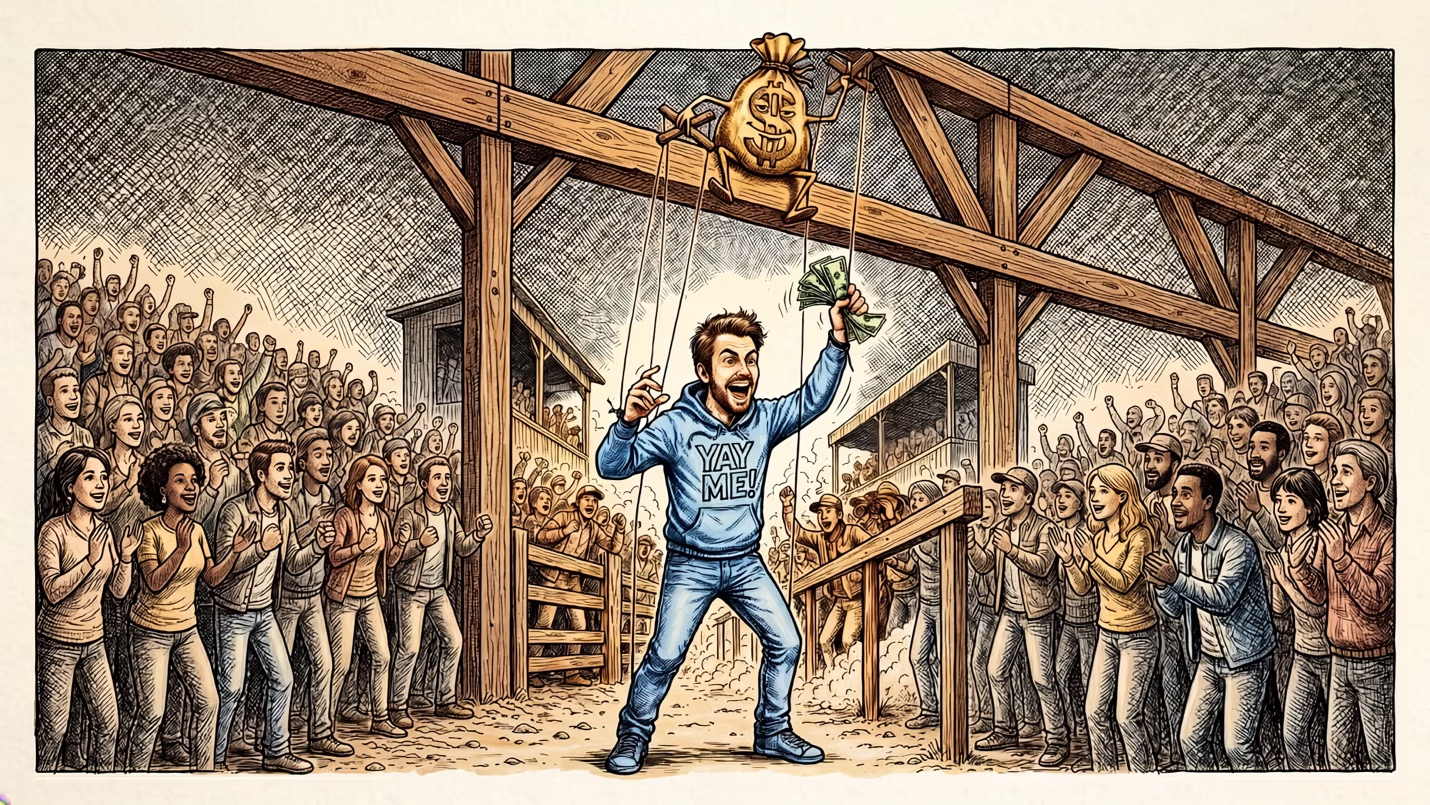
The natural impulse is to repeat, in this new form, the existing shows from older media. That is called "the law of implementation": we use the new to do the old, even if it doesn't need doing at all.
“At the Flip Point—” (1975), typescript, p 5
Year: 1975
The “Law of Implementation” is that the newest awareness must be processed by the established procedures. [Italicized in the book]
Take Today with Barrington Nevitt, 1973, p 236
Year: 1973
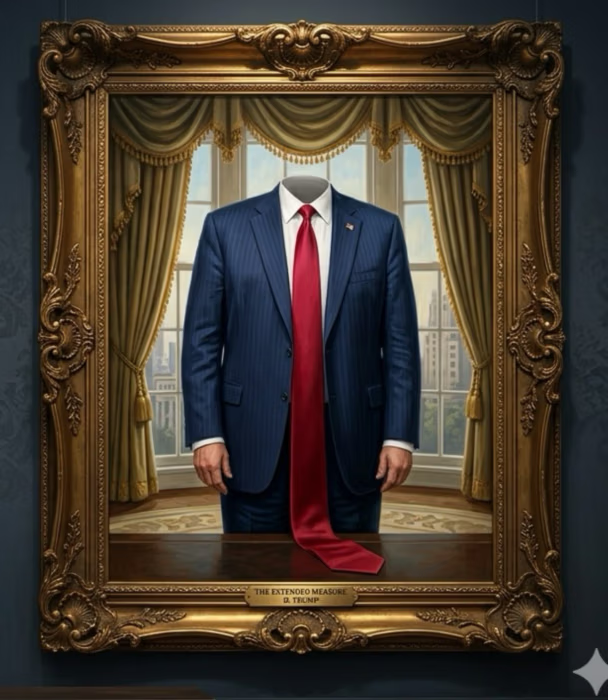
For heaven knows how long, people have encountered each new technology by translating it back into the old familiar one. You know all the types of examples of that. The first motor cars were made with buggy whip holders. And the new automation computer devices are being made as if they were card catalogues. This strange habit of looking backward when moving forward is one that perhaps won't quite bear up, isn't quite consistent with jet speeds and electronic speeds.
“The Medium Is the Massage” (1966), in Understanding Me (2003), p 86
Year: 1966
Chapter:
Rear View Mirror
The old reveals the new… Old movies advertise the world of difference in the TV medium, i.e., few [old movies] will “work” on TV.
Early tetrad for “Law of Implementation,” from first widely distributed early draft, Laws of the Media with Eric McLuhan (1975), p 281
Year: 1975
The law of implementation is always to use the new thing for the old purpose, while ignoring that the new thing tends to destroy the old purposes. I have discovered over the years that the effects of innovation are always subliminal, and because people resent having this pointed out, feeling that you are invading their privacy by so doing.
Letter to Pierre Elliott Trudeau, March 26, 1974 in Letters of Marshall McLuhan (1987) p 494
Year: 1974
Chapter:
Narcissus, Denial of Media Effects
[T]he computer is being set to do all the old jobs, nothing new. It is like buggy-whip holders in the first motor car.
“Information Hunt Looms Big” (1967), p 6
Year: 1967
For a century the book, the printed book, pretended to be a cheap manuscript.
The Electr Revol in N. Amer, 1959, p 8
Year: 1959
Chapter:
Rear View Mirror

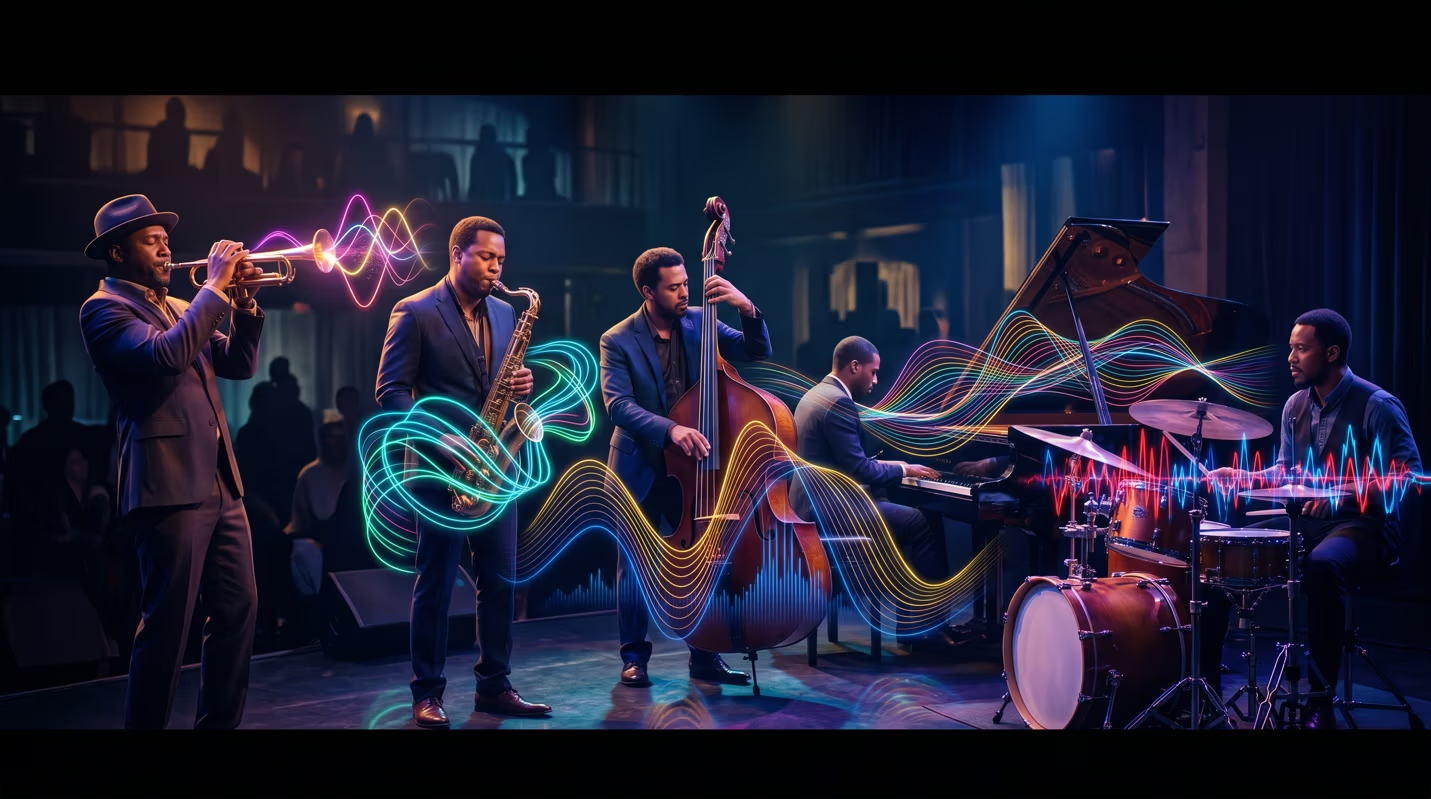
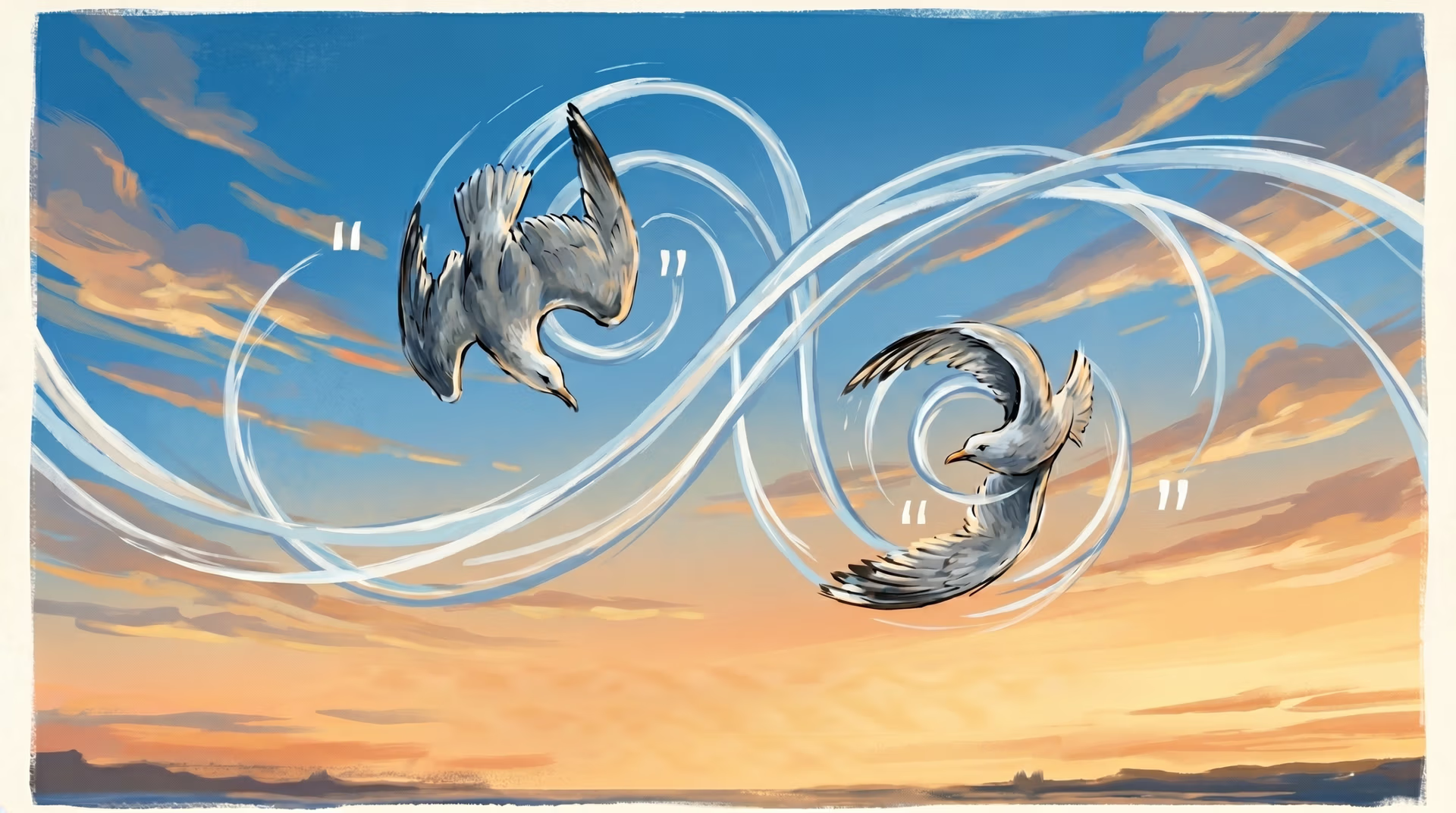

For a decade or more radio executives refused to broadcast because it was alien to the nature of "wire-less" to diffuse. The radio hams forced the hand of executives to become broadcasters.
“The Electronic Revolution in North America” (1958), p 8 Page does not match the 58 txt,not found in 59 Laws of implementation+ innovation
Year: 1958
Chapter:
Innovation
We use the new to do the old, even if it doesn't need doing at all. (The Law of Implementation)
“At the Flip Point—” (1975), typescript, p 5
Year: 1975
Chapter:
Rear View Mirror
History need never be oriented to the past. But to-day when we are again trying to make the new media do the old jobs we also have an orientation to the past which ensures the destruction of all achieved values, like recording on recorded tape.
Letter to David Riesman (1960), in Letters of Marshall McLuhan (1987), p 261
Year: 1960
Chapters:
History | Rear View Mirror
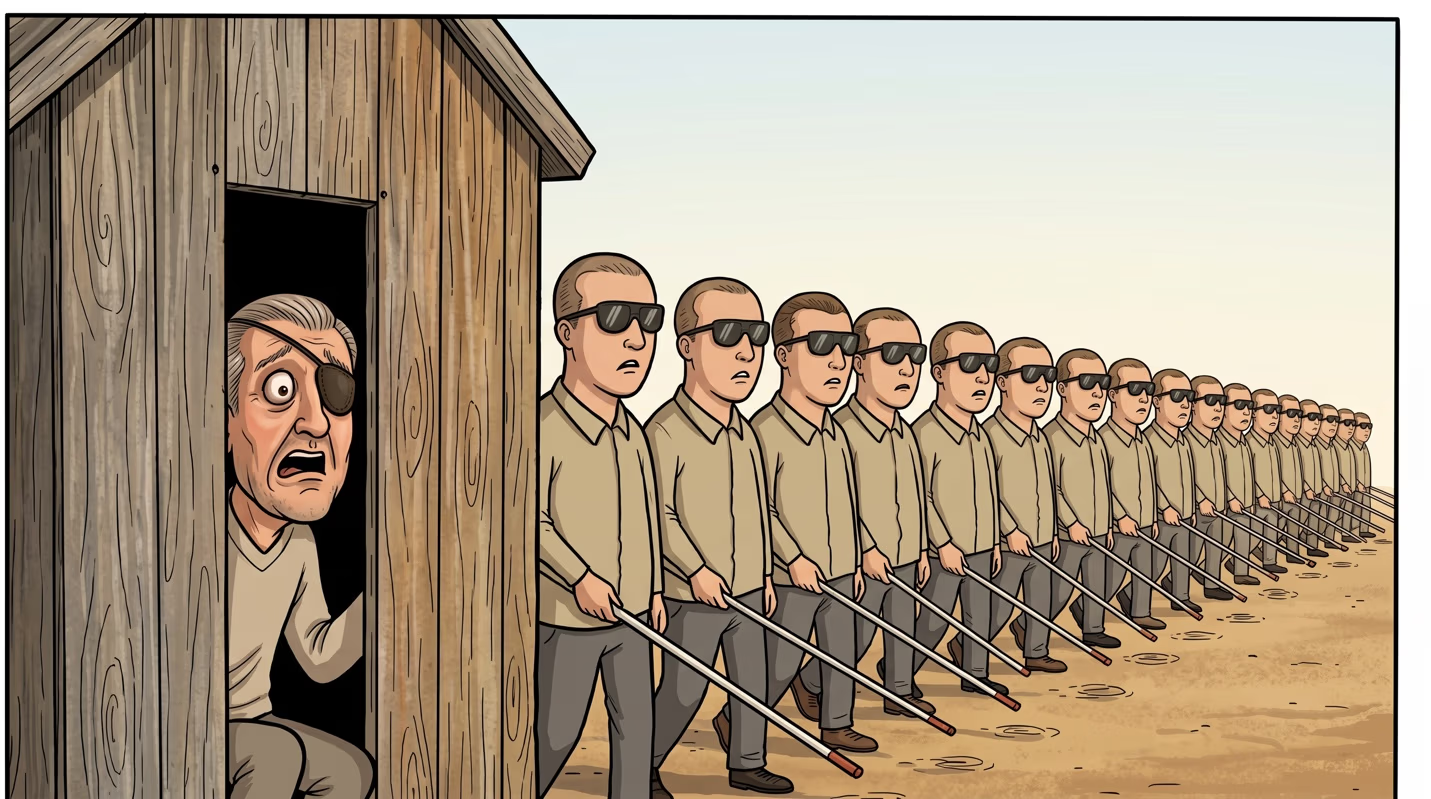
We seem stuck with the age-old habit of using new means for old purposes instead of discovering what are the new goals contained in the new means.
From Cliché to Archetype with Wilfred Watson, 1970, p 202
Year: 1970
Chapters:
Innovation | Rear View Mirror
Why do people assume that there's an absolute, static fixed value inherent in some pre existing situation, while they spend all their time and energy creating new situations which will surely liquidate the pre-existing one?
Letter to Claude Bissell (Dec. 14, 1960), in Letters of Marshall McLuhan (1987), p 275
Year: 1960
Chapter:
Rear View Mirror
The Law of Implementation is always to use the new thing for the old purpose, while ignoring that the new thing tends to destroy the old purposes. I have discovered over the years that the effects of innovation are always subliminal, and people resent having this pointed out, feeling that you are invading their privacy in so doing.
Letter to Pierre Elliott Trudeau (1974), in Letters of Marshall McLuhan (1987), p 494
Year: 1974
Chapter:
Narcissus, Denial of Media Effects
Just as television programmers still work with the movie techniques... you find that the planners of the spaceship earth continue to work with metropolitan concepts.
“The global theatre”, in Ekistics 190 (Sept 1971), p 181
Year: 1971
Like the physicists, Heidegger is trying to do the new thing in the old way: he has retrieved percepts as a tool for exploring the occult (hidden) area, but the manner is still abstract (visual)
Laws of Media: The New Science with Eric McLuhan, (1988), p 63
Year: 1988
Chapter:
Percept
An almost inevitable thing is whenever a new service is available you do the old thing with the new thing. And so it doesn't matter what the new thing is, you try to do the old thing with it.
“It Will Probably End the Motor Car”, interview. Cinema Canada. 1976, p 27
Year: 1976
In the same way, the computer is not a new mechanical gadget for pepping up the old mechanical environment. The computer is not mechanical at all. Electric circuitry is an organic thing, an extension of our nervous system. Our natural impulse is to ignore the environmental aspects and to try to fit it into the old situation in the style of "horseless carriage" and "wireless." But our natural response is quite helpless and irrelevant, as the history of technology testifies.
“The Emperor’s Old Clothes” (1966), in McLuhan Unbound (2005), p 9
Year: 1966
Chapter:
Advice