Viewing chapter Linear and Nonlinear (33 quotes)
As the Western world has invested every aspect of its waking life with visual order, with procedures and spaces that are uniform, continuous and connected, it has progressively alienated itself from needful involvement in its subconscious life.
Through the Vanishing Point with Harley Parker (1968), p 1
Year: 1968
Chapter:
Goodbye Linearity
We hear from all directions at once; this creates a unique unvisualizable space. The all-at-once-ness of auditory space is the exact opposite of lineality, of taking one thing at a time. It is very confusing to learn that the mosaic of a newspaper page is "auditory" in basic structure.
“The Agenbite of Outwit”, In Location Magazine, Vol. 1, No. 1, (1963), reprinted in Marshall McLuhan Essays Media Research: Technology Art Communication, (1997), p 123
Year: 1963
… linear instruction is not adequate to a nuclear age. The electronic is not lineal. It is total and field-like in its simultaneous relations. The images that are presented increasingly to you in ordinary living today lack this linear quality that the older kinds of experience and learning manifested. They have become more and more nuclear, global, inclusive.
Culture is Our Business: The Meaning of the New Electronic Media. NAEB journal, December, 1958, p 5
Year: 1958
Chapter:
Goodbye Linearity
So obsessive a metaphor of linear perspective important enough to deserve some explanation, especially since we are deep in the process of extricating ourselves from it.
“Inside Blake and Hollywood”, in Sewanee Review, 1947, p 710
Year: 1947
Chapters:
Logic & its Faultlines | Perspective, Point of View
The line, the continuum – this sentence is a great example – became the organizing principle of life. “As we begin, so shall we go.” “Rationality” and logic came to depend on the presentation of connected and sequential facts or concepts.
The Medium Is the Massage with Quentin Fiore (1967), p 44-45
Year: 1967
Rationality and logic came to depend on the presentation of connected and sequential facts or concepts. For many people, rationality still has the connotation of uniformity and connectiveness. “I don’t follow you” means “I don’t think what you’re saying is rational.”
The Medium Is the Massage LP, 1968, SIDE A, transcript minute16:57
Year: 1968
Chapter:
Hemispheres of the Brain
It may indeed prove true that the service environments created by the electric media are so extensive and inclusive that their users become natural monarchs, if not tyrants, who will brook no interference from other media. In electric surrounds the user as content can only experience rivalry in the form of static or short circuit.
Take Today with Barrington Nevitt (1972), p 147
Year: 1972
Chapter:
User as Content
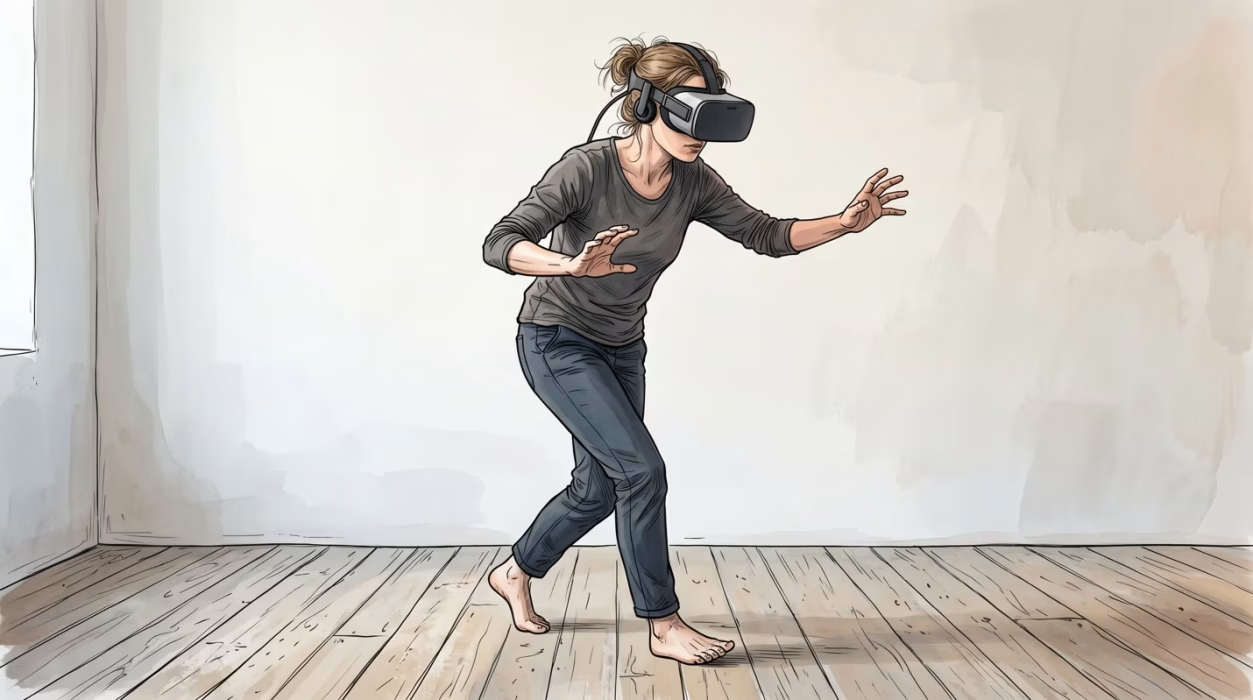
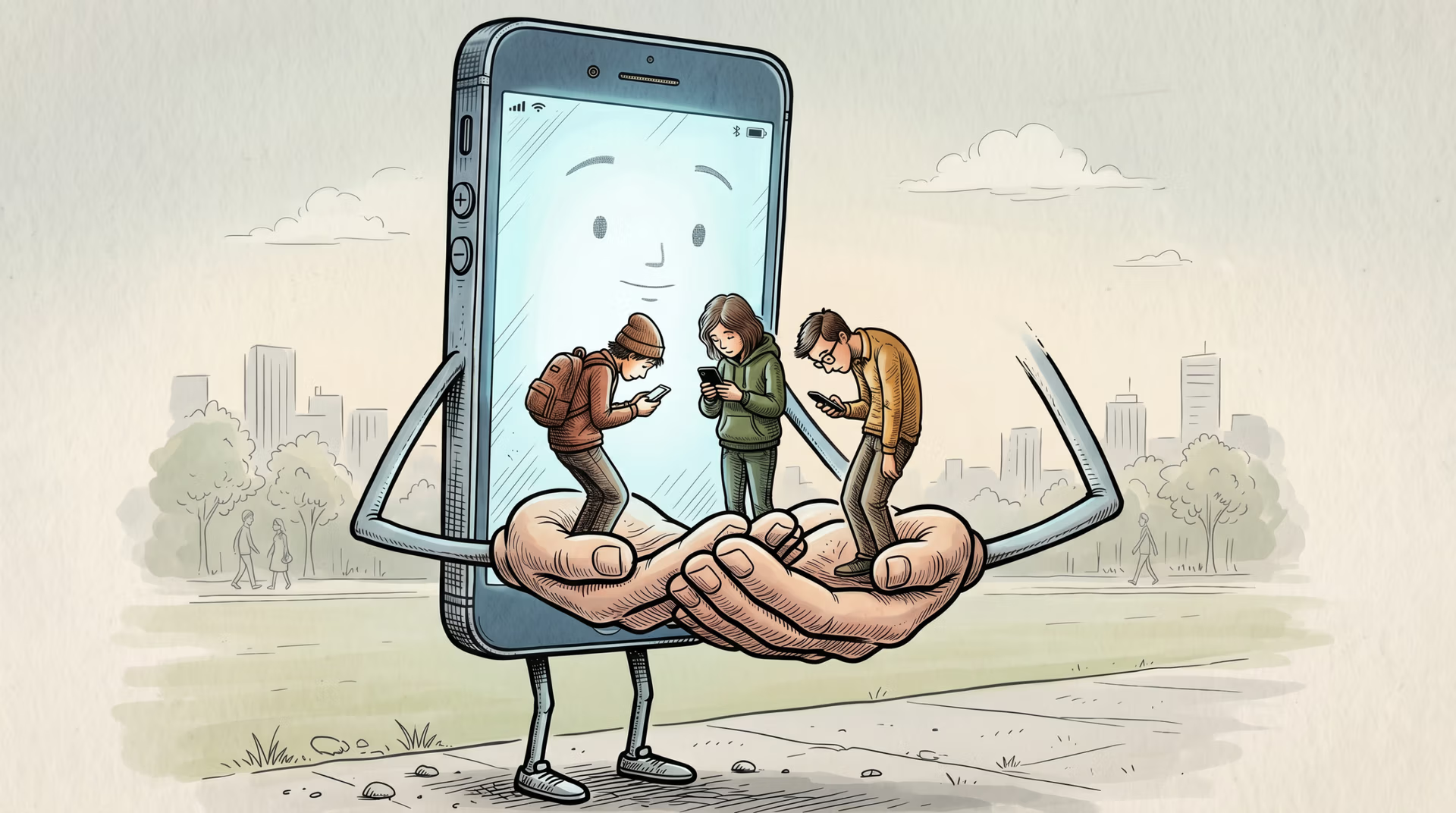
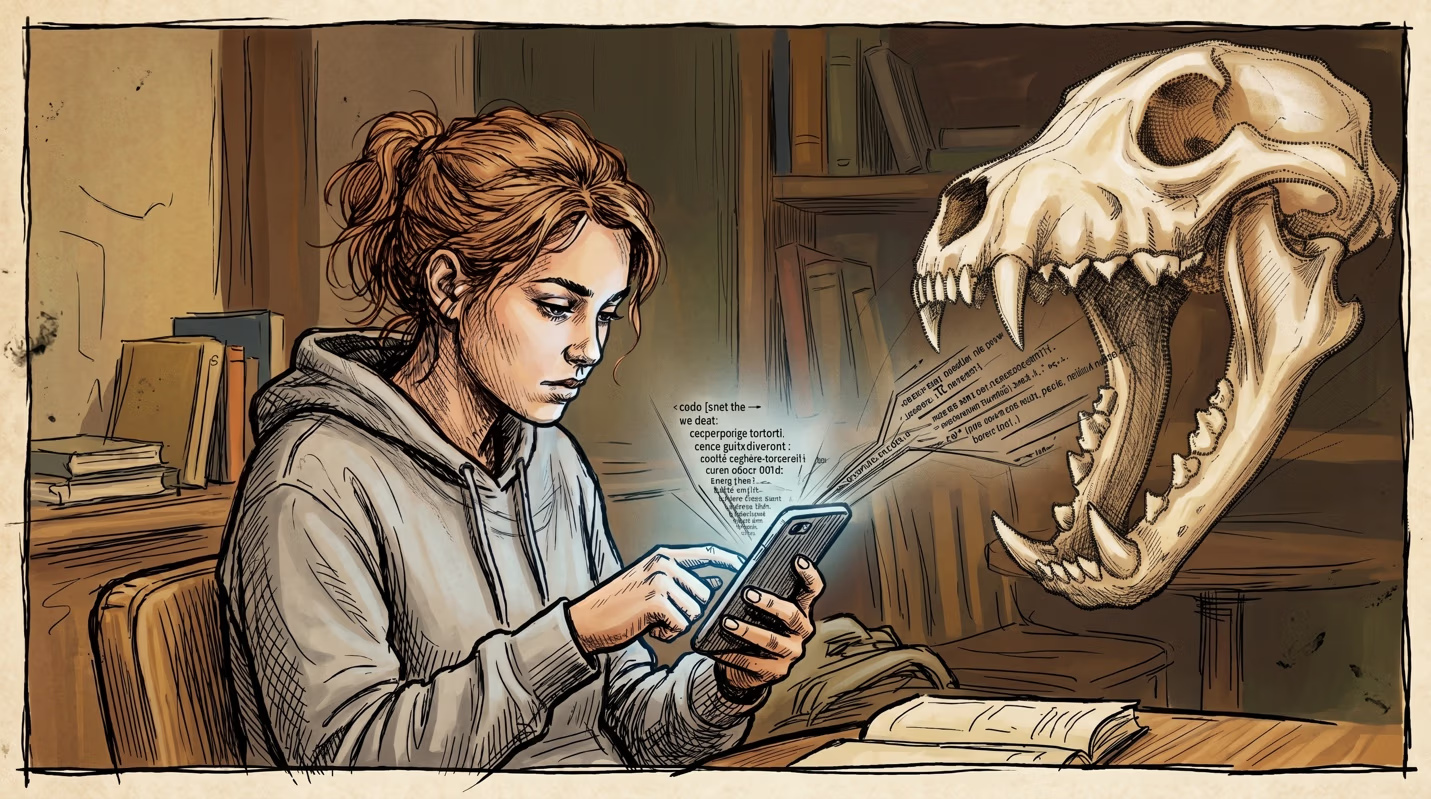

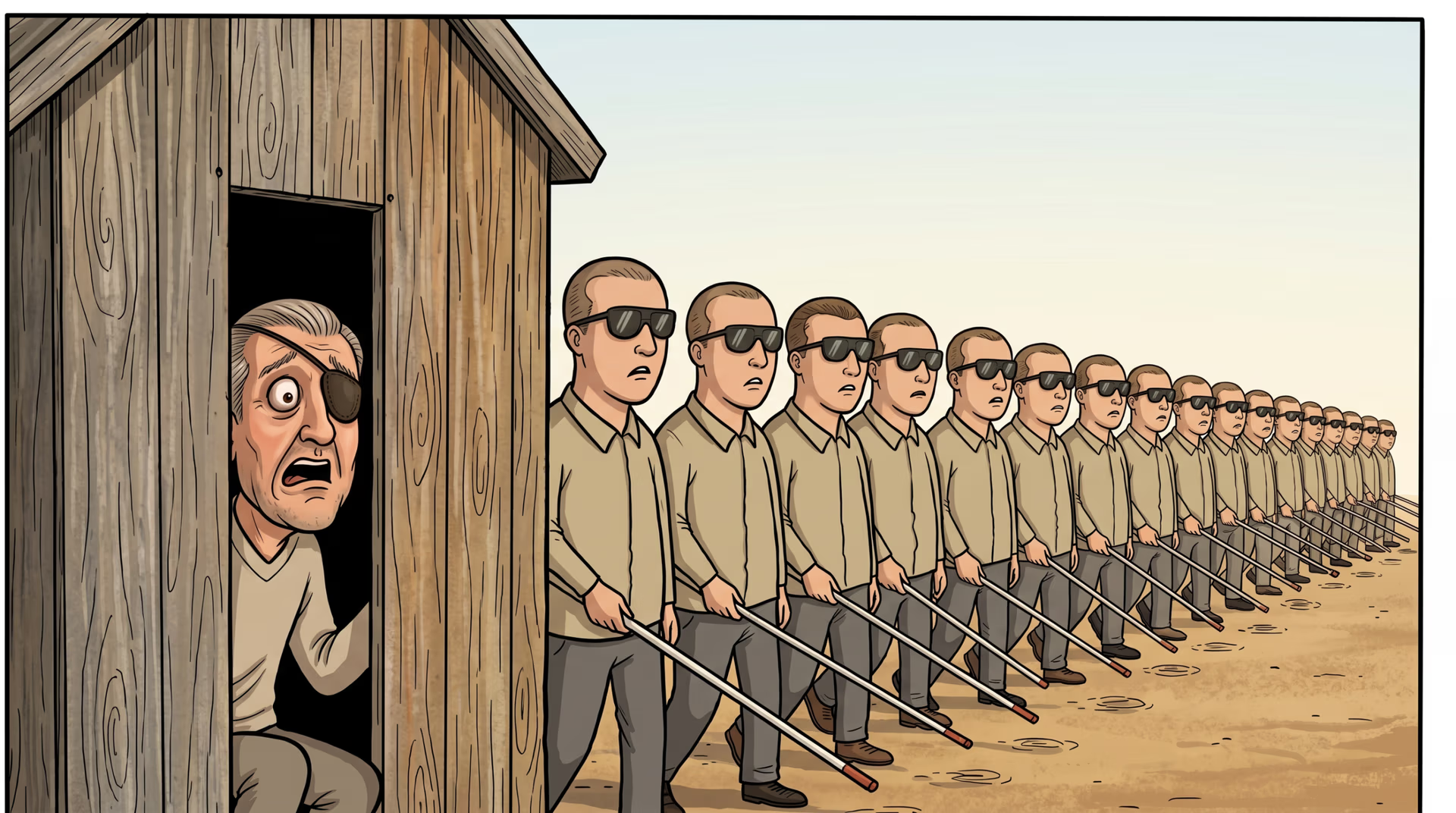

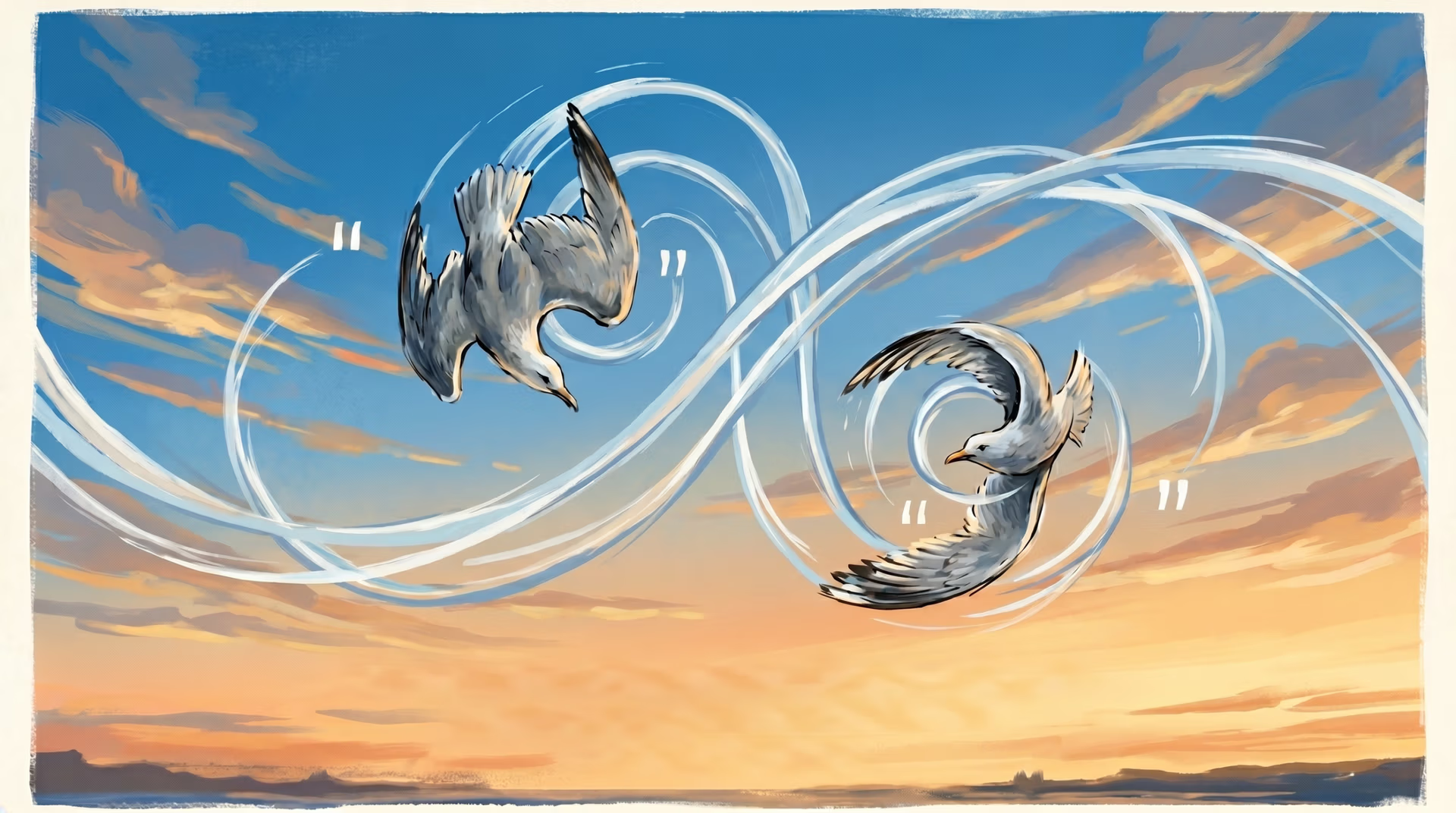
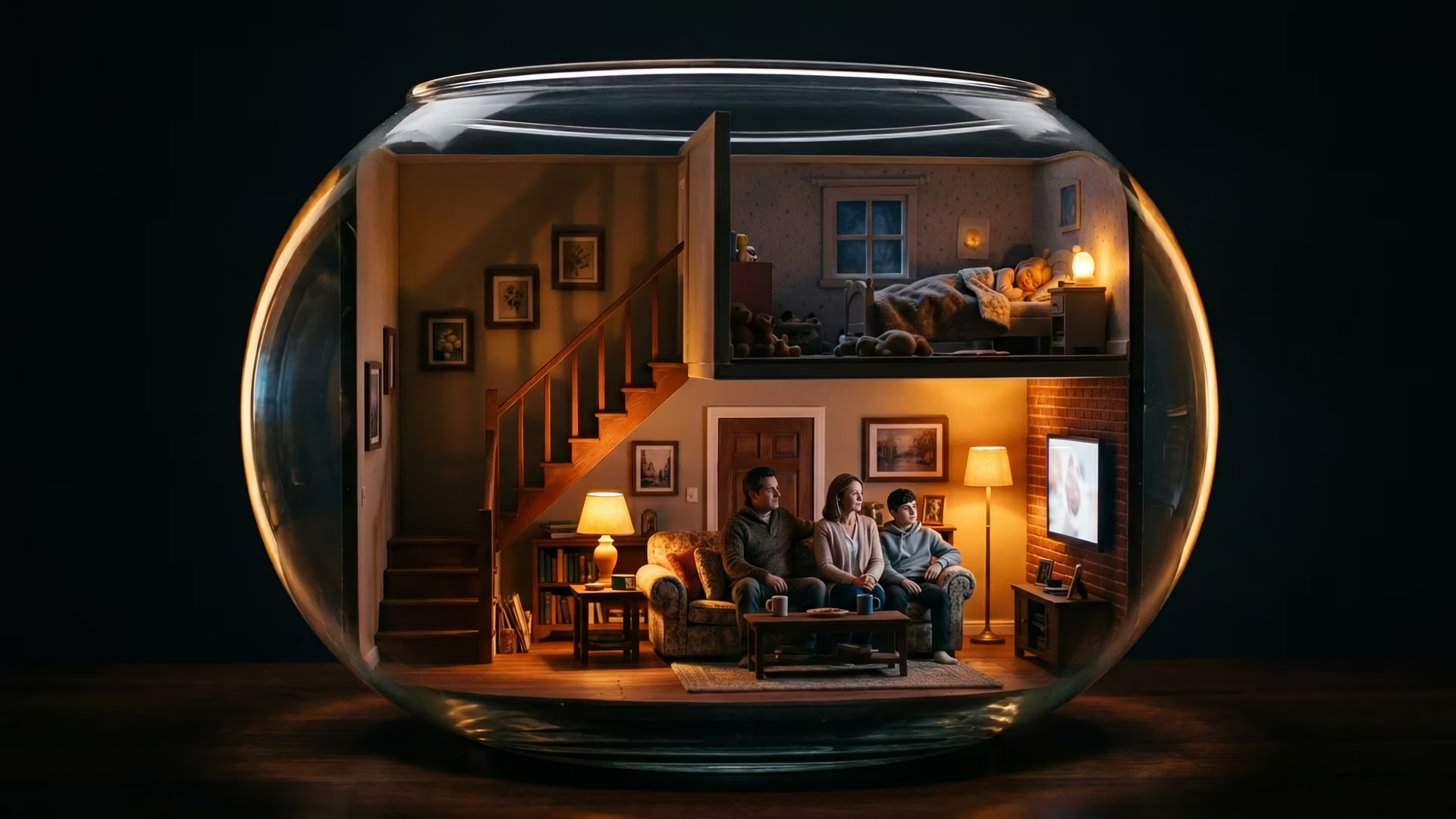

In Einstein’s world, matter, through its gravitational interactions, creates “space” which, in turn, reactions back on this matter. Lineal, connected, infinite, static Euclidean space gives way to a dynamic, resonating, non-lineal, non-Euclidean, finite, closed universe which folds back on itself – “On a clear day you can see the back of your head.”
“Alphabet, Mother of Invention” with Robert K. Logan, in Et Cetera, 1977, p 381
Year: 1977
The book´s role has diminished because of all the other actors; it's no longer king of subject. We owe a lot to the book, the assembly line of mass production, for example, comes to us from the book, from the printed line where things move along and happened one at a time. But the assembly line has changed, it is no longer one thing at a time, but wherever possible everything at once. Forty or fifty operations happening at the same time, controlled and synchronized, exactly by pre-set tape.
“Marshall McLuhan Describes the Global Village,” Explorations (CBC-TV), May 18, 1960, transcript, p 3 [VIDEO]
Year: 1960
Chapter:
Simultaneity
Even our ideas of cause and effect in the literate West have long been in the form of things in sequence and succession, an idea that strikes any tribal or auditory culture as quite ridiculous, and one that has lost its prime place in our own new physics and biology.
Understanding Media (1964), MIT/Routledge edition, p 86
Year: 1964
Chapter:
Literacy
Nevitt and I have done a paper on Causality in which we explain why effects always precede causes in the actual developmental order. Naturally, for the visual man, necessity means not only a chain of events, but a one-way sequence. The moment you flip out of that rut into awareness of environmental structures it becomes evident that cause and effect are not all of one type at one time. One student was talking about Freud’s work and pointed out that in Freud’s world it was the discovery that inputs do not match outputs (my old SI/SC) that resulted in everybody being neurotic.
Letter to Tom Easterbrook, February 14, 1972
Year: 1972
We can laugh at Plato for having predicted the collapse of human thought to be the inevitable result of the invention of writing in the Athens of his day. And it is true that writing destroyed Athens and the Greek city state. Writing made possible the Macedonian empire and the great military bureaucracy of Alexander.
“Newspapers,” undated, unpublished typescript, p 5
[The Catholic knows man has been recreated] But the secular world does not know these things and the new consciousness has filled the new [secular] consciousness has filled it [the contemporary imagination] with wild dreams and terrible programs for the ruthless refashioning of human nature. The result would seem to be that we live as Yeats says in a time when the good lack all conviction and the bad are filled with passionate intensity, but I’m not sure this is the whole story.
“Catholic Humanism and Modern Letters” The McAuley Lectures: Christian Humanism in Letters, Saint Joseph College, West Hartford Connecticut, (1954), p 53, reprinted in The Medium and the Light (1999), p 158
Year: 1954
…one of the principal intellectual developments of the past century or so has been the supplanting of linear perspective by a multi-locational mode of perception. Among critics of Picasso this new mode is sometimes referred to as a “circulating point of view” in which a view from above may suddenly become a view from everywhere at once.
“Inside Blake and Hollywood,” in Sewanee Review, October, 1947, Vol. 55, No. 4, p 710
Year: 1947
Chapters:
Perception | Perspective, Point of View
When cultures change, so do games. Baseball, that had become the elegant abstract image of an industrial society living by split-second timing, has in the new TV decade lost its psychic and social relevance for our new way of life. The ball game has been dislodged from the social center and been conveyed to the periphery of American life.
Understanding Media (1964), MIT/Routledge edition, p 239
Year: 1964
The rise of Euclidean geometry offers a direct parallel with the rise of phonetic literacy; and phonetic literacy, in turn, is co-existent and co-extensive with the rise of logic.
“The Brain and the Media” (1978), reprinted in On the Nature of Media (2016), p 3
Year: 1978
The power to translate knowledge into mechanical production by the breaking up of any process into fragmented aspects to be placed in a lineal sequence of movable, yet uniform, parts was the formal essence of the printing press. This amazing technique of spatial analysis duplicating itself at once, by a kind of echo, invaded the world of number and touch.
Understanding Media (1964), MIT/Routledge edition, p 116
Year: 1964
The "great chain of being" that had served as a metaphor for the eighteenth century, whether in Lockean chains of association or in the chain-stitch of the later sewing machines, carried over incongruously into the nineteenth-century revolutionary hypothesis of the "missing link." Just as NASA scientists are still locked up in the world of Newtonian visual space, so physicists are still loyal to the stop-response of literary mechanism when they speak of "chain reactions."
From Cliché to Archetype with Wilfred Watson (1970), p 40
Year: 1970
Paradoxically, the alphabet enabled the Greeks to reduce the illusive polyphonies of their oral culture by selecting and logically (visually) connecting what had been simultaneous and musical. If the Greek means of abstracting and conceptualizing was by logical connection, the abstract art and science of the twentieth century proceeds
by the contrary means of pulling out the "logical" (visual) connections in space and time. This returns the art and philosophy of today to musical form.
“Alphabet, Mother of Invention” with Robert K. Logan, Et Cetera, Volume 33, No 4, January 11, 1977, p 377
Year: 1977
Chapters:
Music | Twentieth Century
Reality-testing can no longer follow the linear, factual recital or statistical pattern. There is far too much reality for that. We are obliged to deal with reality in constellations and clusters or not at all.
“New Media as Political Forms”, in Explorations 3, 1954, p 125-126
Year: 1954
Briefly, the linear metaphor grew up in connection with the medieval notion of the translatio studii, the continuous transmission of culture from Greece to Rome, from Rome to Britain, and from Britain to the court of Charlemagne.
“Inside Blake and Hollywood” (1947), p 710
Year: 1947
The visual man is always looking for connection. “I don’t follow you.” This is always the autograph of the visual man.
The Museum as Large-Room Pinball Machine, Marshall McLuhan, Harley Parker, and Museum Professionals, 1967, full transcript of a seminar at the City Museum of New York, October, 1967, edited by William Buxton, published by U. of Alberta Press, 2026, p 90
Year: 1967
We never said that the museum was a failure. The museum is a magnificent illustration of our Western bias towards the whole world of artifacts.
The Museum as Large-Room Pinball Machine, Marshall McLuhan, Harley Parker, and Museum Professionals, 1967, full transcript of a seminar at the City Museum of New York, October 9-10, 1967, edited by William Buxton, published by U. of Alberta Press, 2026, p 90
Year: 1967
Baseball on television is committing suicide and is disappearing very rapidly from the sports scene on television., because it’s a one-thing-at-a-time game. It belongs to the nineteenth century and to our old, specialist phase of culture…. One thing at a time, perectly executed: the new world is not like that. It’s an interphase world of many phases and many methods simultaneously, and it prefers football or more tactile sports. Skin-diving, anything rather than baseball. Baseball is high definition. It’s precise, elegant, finished.
The Museum as Large-Room Pinball Machine, Marshall McLuhan, Harley Parker, and Museum Professionals, 1967, full transcript of a seminar at the City Museum of New York, October, 1967, edited by William Buxton, published by U. of Alberta Press, 2026, p 93
Year: 1967
Chapters:
Sports and Games | Television
What we have been saying is “wrong” with the museum (if you can use that kind of value judgment) is that it isn’t tribal enough. It’s too continuous and connected.
The Museum as Large-Room Pinball Machine, Marshall McLuhan, Harley Parker, and Museum Professionals, 1967, full transcript of a seminar at the City Museum of New York, October, 1967, edited by William Buxton, published by U. of Alberta Press, 2026, p 99
Year: 1967
There is no sense in putting an igloo in a heated space. There’s no use showing off snowshoes behind glass. Right out there you have Alice in Wonderland, the original Dodgson manuscript of it. Then we have the expurgated edition, illustrated by Tenniel, in which all the grammar was cleaned up. … But interestingly, the Lewis Carroll drawing of Alice – this is Alice when she is ten feet tall – starts to distort at the feet. She has little girl’s feet, and the attenuation starts and moves right up through the whole figure…. When you get the Tenniel edition set in type, you get a drawing which, if you cover it from the shoulders down, is a perfectly formed little girl. The only attenuation that Tenniel could manage to achieve, was to lengthen the neck and then, rather frighteningly, he raised the collar to hide it. So there was no real sense of the spaces of Lewis Carroll. And of course, the type bears no relationship to the illustrations…. What I’m simply saying is that Tenniel is a highly literate illustrator who was totally incapable of dealing with the mathematical and non-visual spaces of Lewis Carroll.
The Museum as Large-Room Pinball Machine, Marshall McLuhan, Harley Parker, and Museum Professionals, 1967, full transcript of a seminar at the City Museum of New York, October 9-10, 1967, edited by William Buxton, published by U. of Alberta Press, 2026, pp 99-100
Year: 1967
Chapter:
Museum
The organization chart is not very necessary anymore. It’s no longer of use. That little series of classified levels and categories, and initiatives, doesn’t obtain in business anymore. The dialogue and interplay between these levels are so considerable that they have had to cross out the organization chart these last twenty years. … The business community is not motivated by disinterested passion for knowledge, but it is desperately eager to survive, and therefore its motivation in learning is considerable. I have spoken a great deal to management groups over the past twenty years, and I have always found them very flexible, very eager to learn, and they have a lot to learn in our time. They’re just as desperately hard-pressed by innovation in new technology as any part of the community.
The Museum as Large-Room Pinball Machine, Marshall McLuhan, Harley Parker, and Museum Professionals, 1967, full transcript of a seminar at the City Museum of New York, October, 1967, edited by William Buxton, published by U. of Alberta Press, 2026, p 109
Year: 1967
Chapters:
Dialogue | Management
[With a newspaper] you see the whole front page at once. There is no story line possible. The editorial page is a story line. To reduce all these individual stories to one story line would be perspective, that is, an editorial. You can’t put it on Page One.
The Museum as Large-Room Pinball Machine, Marshall McLuhan, Harley Parker, and Museum Professionals, 1967, full transcript of a seminar at the City Museum of New York, October, 1967, edited by William Buxton, published by U. of Alberta Press, 2026, p 143
Year: 1967
Chapter:
News
The act of cognition was total involvement and it has no literary meaning whatever. It has no story line because by definition story line is visual continuity. We really ought to make the point. You can’t have the story line without continuity and connectedness. A story line menas continuity.
The Museum as Large-Room Pinball Machine, Marshall McLuhan, Harley Parker, and Museum Professionals, 1967, full transcript of a seminar at the City Museum of New York, October, 1967, edited by William Buxton, published by U. of Alberta Press, 2026, p 144
Year: 1967
Chapters:
Cognition and Recognition | Involvement
You will find the story line starts only in places that are highly visual, and that oral cultures don’t use story lines. A myth doesn’t move on one level, it moves on many levels and once and you can’t have a story line on many levels.
The Museum as Large-Room Pinball Machine, Marshall McLuhan, Harley Parker, and Museum Professionals, 1967, full transcript of a seminar at the City Museum of New York, October 9-10, 1967, edited by William Buxton, published by U. of Alberta Press, 2026, p 145
Year: 1967
Chapter:
Visual Space
That’s why Plato urged that anybody coming to his university should study Euclid. Euclid was the Greeks’ first experience of detachment, the man who invented visual space, making detachment possible. This is very exciting, and the very idea of detachment is emotional. We also think of it as the antithesis of emotion. But now detachment is absolutely verboten, and only involvement is possible in our electronic age.
The Museum as Large-Room Pinball Machine, Marshall McLuhan, Harley Parker, and Museum Professionals, 1967, full transcript of a seminar at the City Museum of New York, October 9-10, 1967, edited by William Buxton, published by U. of Alberta Press, 2026, p 148
Year: 1967
Chapter:
Literacy
Television doesn’t need a time sequence. The images don’t have to be related in time any more than they do in a newspaper…. The commercial follows the Perry Mason show, but you don’t connect them.
The Museum as Large-Room Pinball Machine, Marshall McLuhan, Harley Parker, and Museum Professionals, 1967, full transcript of a seminar at the City Museum of New York, October, 1967, edited by William Buxton, U. of Alberta Press, 2026, p 168
Year: 1967
Chapter:
Television
Chronology – we value chronology. In the present age you can have access to all the ages that ever were, at any instant you want. You don’t have to wait for chronology anymore, and that goes for the future as well as the past.
The Museum as Large-Room Pinball Machine, Marshall McLuhan, Harley Parker, and Museum Professionals, 1967, full transcript of a seminar at the City Museum of New York, October 9-10, 1967, edited by William Buxton, U. of Alberta Press, 2026, p 169171
Year: 1967
Chapters:
History | Present [The]