Viewing chapter Logic & its Faultlines (12 quotes)
Mere exposure to the arts does nothing for a mentality which is incorrigibly dialectical. The vital tensions and nutritive action of ideogram remain inaccessible to this state of mind.
Letter to Ezra Pound December 21,1948, in Letters of Marshall McLuhan (1987), p 207
Year: 1948
The only question which logic can solve by itself is a question in logic.
Nashe dissertation, 1943, original typescript, p 236
Year: 1943
Logic is figure without a ground.
Cambridge debate with Louis Forsdale, 1978, transcript: 20:07
Year: 1978
What we are saying is that the human eye appears to be the father of linear logic. Its very nature encourages reasoning by exclusion: something is either in that space or it isn’t.
The Global Village with Bruce Powers, 1988, p 39
Year: 1988
So obsessive a metaphor as that of linear perspective is important enough to deserve some explanation, especially since we are now deep in the process of extricating ourselves from it.
“Inside Blake and Hollywood”, in Sewanee Review, Vol.55, No.4, October, (1947),p 710; reprinted in McLuhan Unbound (2003)
Year: 1947
Chapters:
Linear and Nonlinear | Perspective, Point of View
Current linguistics in general… have set about the adaption of grammar and literature to the abstract schemes once familiar to the schoolmen and Peter Ramus. This amounts to transforming percepts into concepts and reducing literature to logical schema.
Comments on John Ackerley’s PhD Thesis, (1978), p 1
Year: 1978
Chapter:
Percept
The extreme abstraction of meaning from the formal sign, then and now, releases the visual faculty from its embedment in the other senses. In separation from sound and touch and semantics, both Euclid and logic become simultaneously possible.
“My Last Three Books” (unpublished typescript, 1973), p 7
Year: 1973

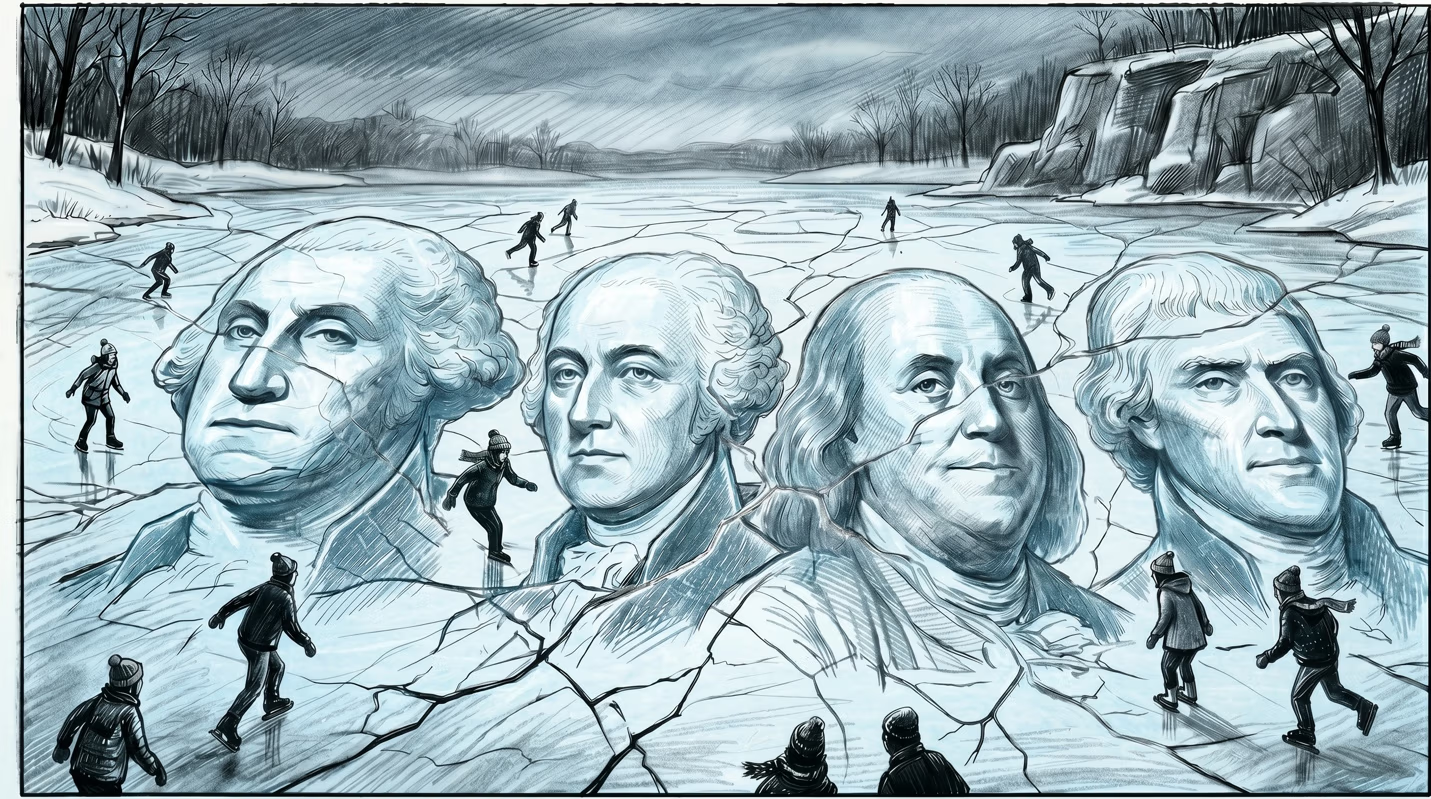
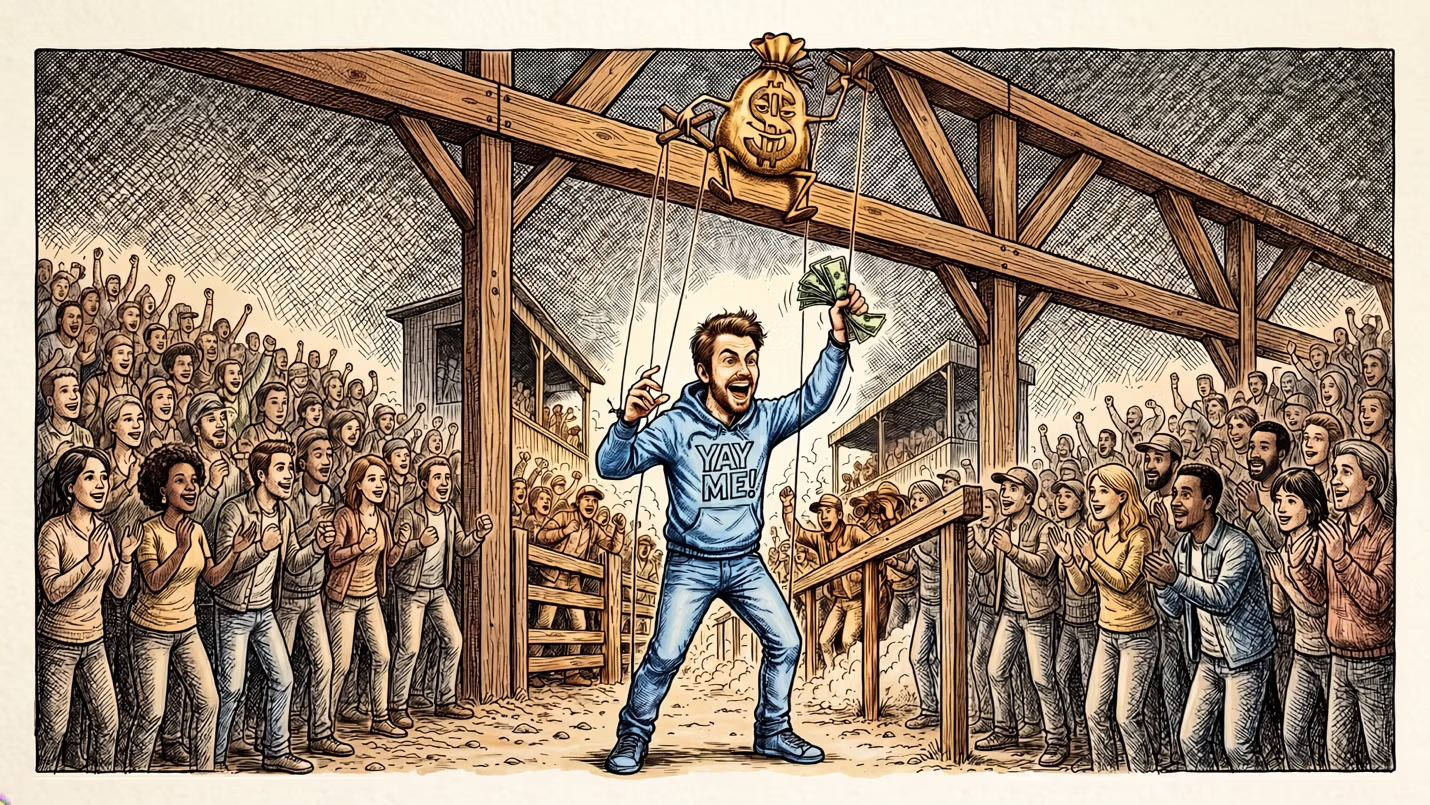
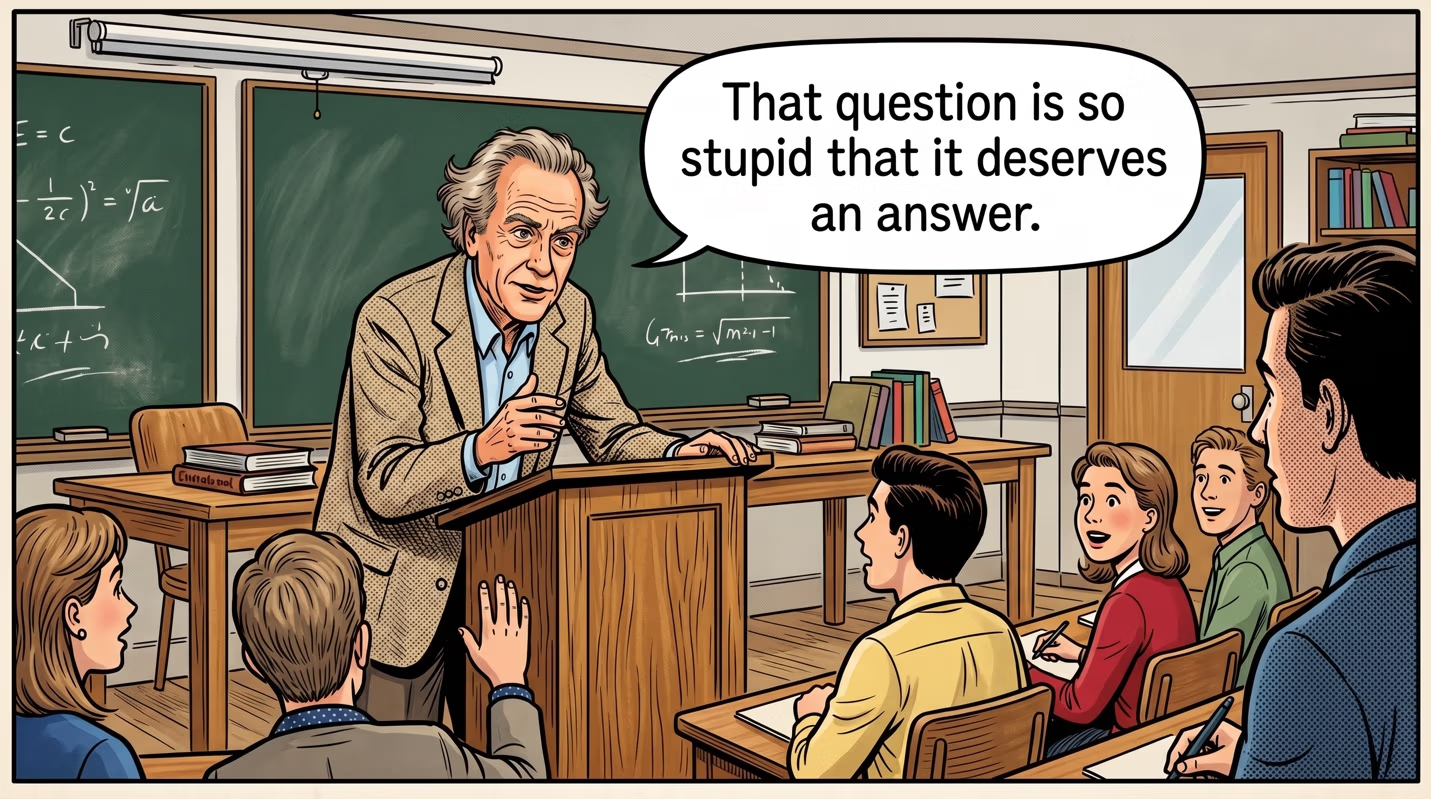
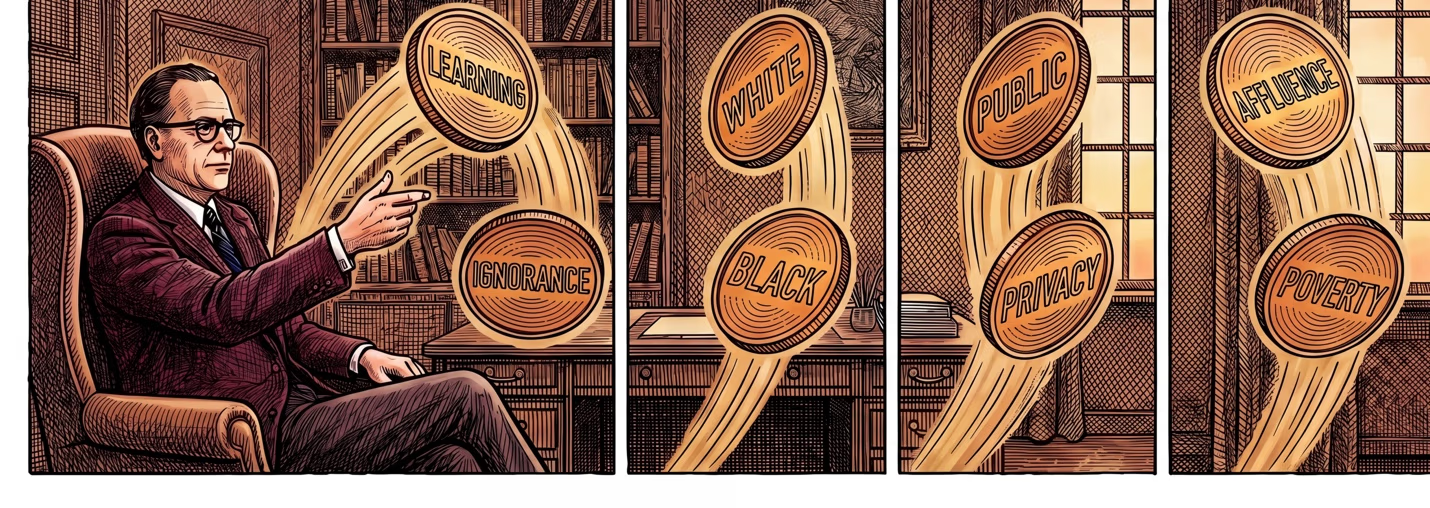

Only alphabetic cultures have ever mastered connected lineal sequences as pervasive forms of psychic and social organization. The breaking up of every kind of experience into uniform units in order to produce faster action and change of form (applied knowledge) has been the secret of Western power over man and nature alike. That is the reason why our Western industrial programs have quite involuntarily been so militant, and our military programs have been so industrial. Both are shaped by the alphabet in their technique of transformation and control by making all situations uniform and continuous. This procedure, manifest even in the Graeco-Roman phase, became more intense with the uniformity and repeatability of the Gutenberg development.
Understanding Media (1964), MIT/Routledge edition, pp 85-86
Year: 1964
For applied knowledge, whether in military structure or industrial organization, depends upon uniformity and homogenization of populations. “It is certain,” wrote the symbolist Edgar Allan Poe, “that the mere act of inditing tends in a great degree to the logicalization of thought.” Lineal, alphabetic inditing made possible the sudden invention of “grammars” of thought and science by the Greeks. These grammars or explicit spellings out of personal and social processes were visualizations of non-visual functions and relations. The functions and processes were not new. But the means of arrested visual analysis, namely the phonetic alphabet, was as new to the Greeks as the movie camera in our century.
The Gutenberg Galaxy: The Making of Typographic Man, (1962), p 23
Year: 1962
Chapter:
Knowledge
[It is] precisely this variability and this communicative integrity of man which I find to be violated and crippled by the present tendency to huddle together according to a comprehensive prearranged plan which is handed to us from above.
“Reversal of the Overheated Image,” Playboy, December, 1968, p 3 of layout proof (LAC)
Year: 1968
In our electric age of instant and non-visual forms of interrelation, therefore, we find ourselves art a loss to define the “rational,” if only because we never noticed whence it came from in the first place.
Understanding Media, 1964, MIT/Routledge edition, p 118
Year: 1964
Logical. You might as well say rational. Both of them are synonyms for visuality only. Logic and rationality are visual.
The Museum as Large-Room Pinball Machine, Marshall McLuhan, Harley Parker, and Museum Professionals, 1967, full transcript of a seminar at the City Museum of New York, October, 1967, edited by William Buxton, published by U. of Alberta Press, 2026, p 146
Year: 1967
Chapter:
Visual Space