Viewing chapter Masks (20 quotes)
What could be more tribal than that? When Dawn and Rock rock their faces are like masks…showing no emotion or pleasure. The solid tribal mask…the beat whose gaze is inward. Rock and roll is ritualistic, like an African tribal dance or a court gavotte.
The Teenager and The Media, Explorations for CBC May 18th, (1960) Printed as Exhibit 2--Television Script, in NAEB Report on Understanding New Media, June (1960), p xxxi
Year: 1960
Back to the primitive mask, so that we have perhaps made some indication why these strangely sorted objects here-the mask and the television set have some congruity after all.
The Gutenberg Galaxy voyage between two worlds, Printed as Exhibit 3- Transcript from kinescope, in NAEB Report on Understanding New Media, June (1960), p Ii- Iii
Year: 1960
The fact that the mask is sculptural, and I would believe or state that the TV image is also sculptural.
The Gutenberg Galaxy voyage between two worlds, Printed as Exhibit 3- Transcript from kinescope, in NAEB Report on Understanding New Media, June (1960), p xxxviii
Year: 1960
The mask, like the sideshow freak, is not so much pictorial as participatory in its sensory appeal.
Through the Vanishing Point with Harley Parker (1968), p 185
Year: 1968
Good taste is the expression of a colossal incompetence. It is the “putting on" of the genteel audience as a mask or net by which to capture ambient snob appeal.
Through the Vanishing Point with Harley Parker (1968), p 185
Year: 1968
….when the celebrant [priest at Mass] turns to the audience he is putting them on as his corporate dignity or mask just as when he turns to the altar he is putting on the divine mask of supernatural power.
“Some Further Comments on Liturgy and Media”, in The Critic, Vol.31, No. 4, March - April (1973), p 70, reprinted in The Medium and the Light: Reflections on Religion (1999), p 135
Year: 1973


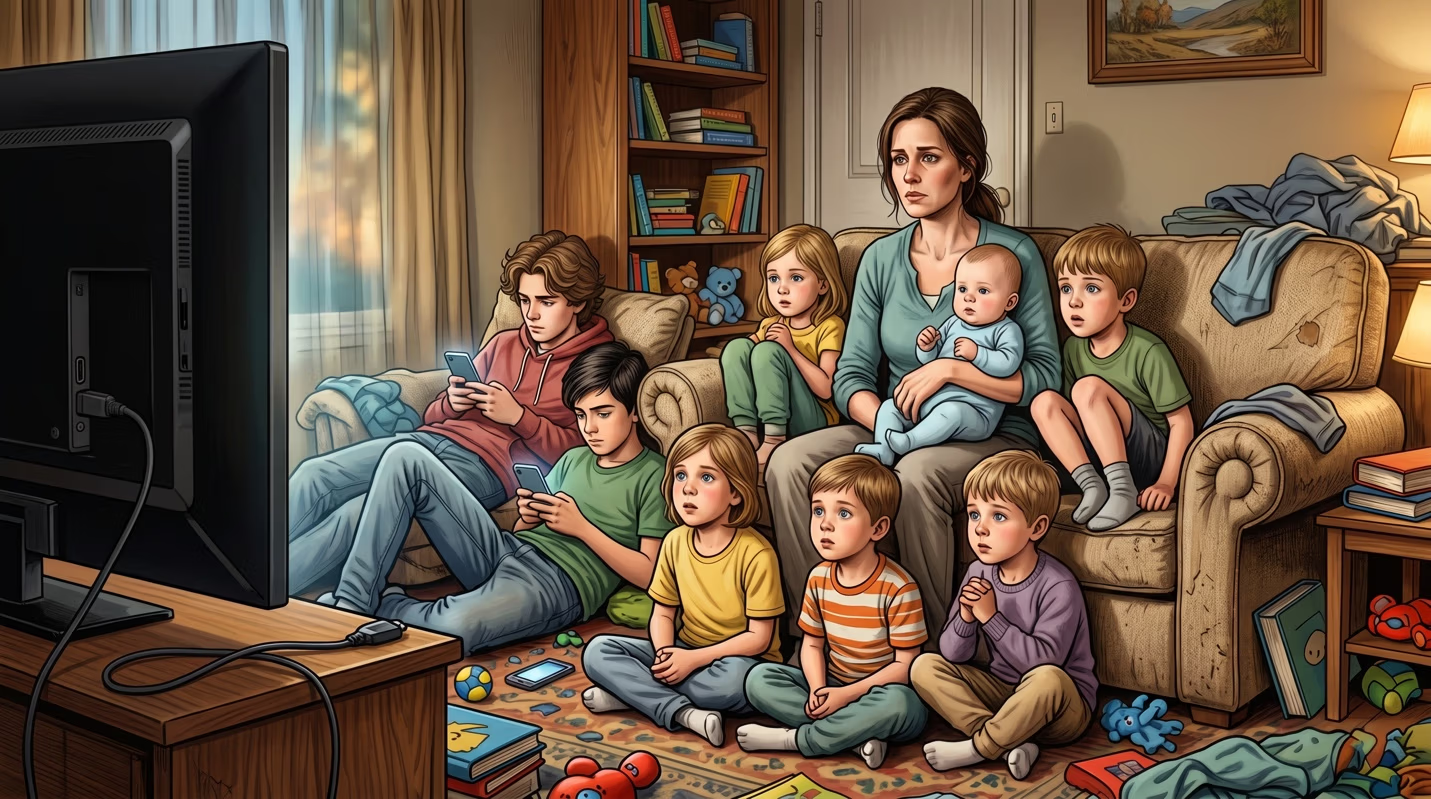
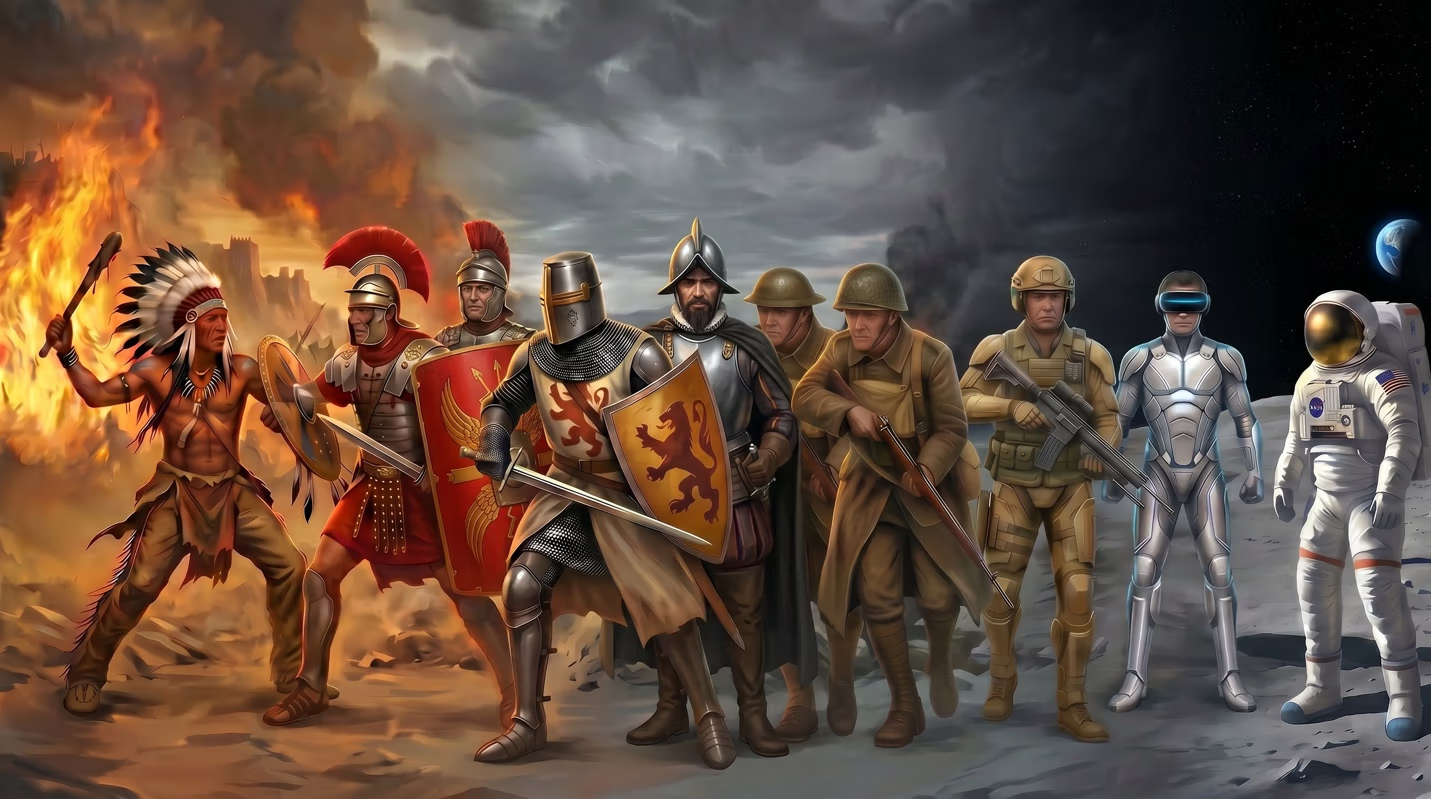

Mask wearer as role player wears the audience, manifesting human victimization by social forces.
Through the Vanishing Point with Harley Parker (1968), p 185
Year: 1968
Yes, everybody tends to merge his identity with other people at the speed of light, it's called being masked man, by the way, one of the big marks of the loss of identity is nostalgia and so, revivals on all hands in every phase of life today, revivals of clothing, of dances, of music, of shows, of everything. We live by the revival, it tells us who we are or where.
Mike McManus television interview, TVO, 1977, “Violence as a Quest for Identity”, transcript 04:42 ff
Year: 1977
On color TV any Negro is the superior of any white man. His corporate mask, integral and iconic, is suited to the iconoscope and dissolves the adjacent white image into insignificance.
“Review of P.E. Trudeau’s Federalism And the French Canadians”, in New York Times, November 17, 1968, p BR 36
Year: 1968
The face of the [Wurlitzer] machine, with its garish cascade of lights, is like the phosphorescent mask of a tribal witch doctor.
The Mechanical Bride (1951), p 85
Year: 1951
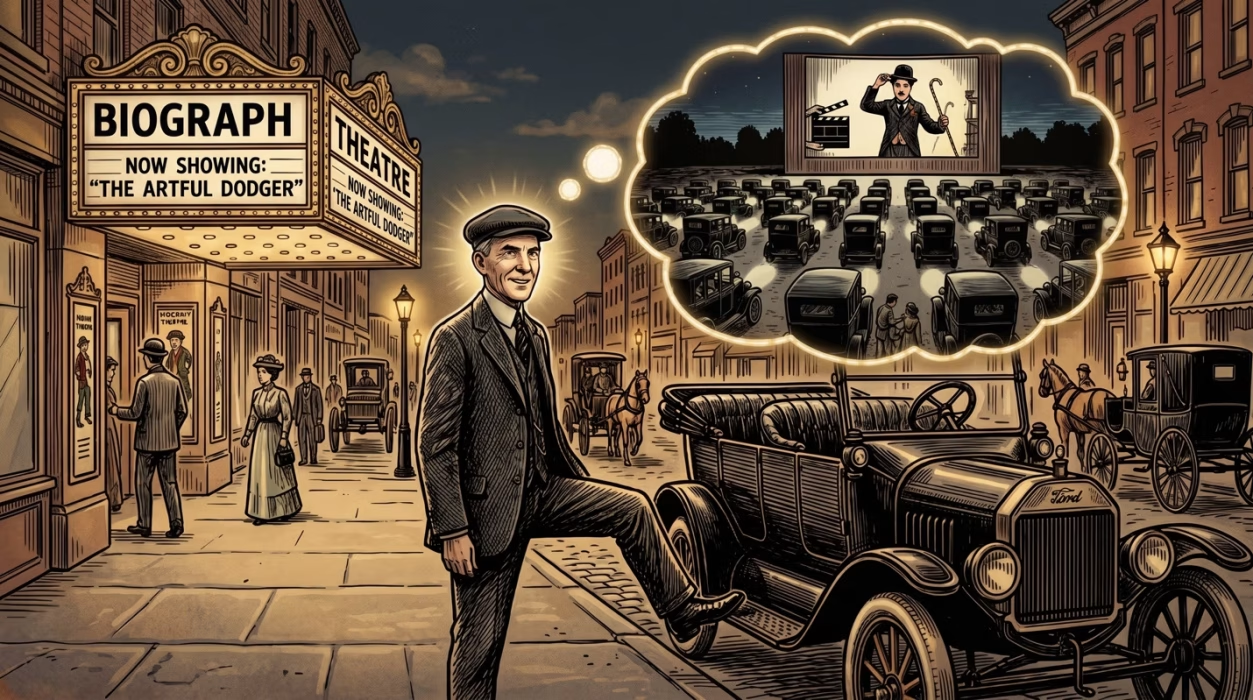
Charles Chaplin assembled a mask made up of bookkeeper, music hall entertainer, gallant and romantic searcher, then with genius added a touch of Pavlova… His footwork he acquired from the Ballet Russe. This touch transformed all the other components of his image, creating an overall effect of artistic spirituality and lent great power to the crass everyday features of his mask. None of the components in his mask correspond to anything that was the private C. Chaplin. Rather he chose carefully…just those items which gave him maximum corporate appeal.
“Public and Private Sectors” (1964), pp 5-6
Year: 1964
The verbal equivalent of the mask is rhythm and measure.
Through the Vanishing Point with Harley Parker (1968), p 183
Year: 1968
Chapter:
Language
The small demi-mask worn by the participant in a masquerade is a "put on" of the group.
“International Motley and Religious Costume” (1972), in The Medium and the Light (1999), p 75
Year: 1972
The programming of computers calls for levels of human awareness about media and ourselves such as we do not yet possess.
"The Dare and Feeding of Communication Innovation", Conference on 8mm Sound Film and Education, Dinner Speech, November 8, 1961, Teachers College, Columbia University, p 4
Year: 1961
As the masks of entire cultures are brought into play we may discover again what it means to “lose face” or identity itself.
“Roles, Masks and Performances” (1971), in McLuhan Unbound (2017), pp 5-6
Year: 1971
Poor old Richard Nixon hasn’t got a chance. He has no mask. He just has his bare face hanging out, just private Dickie Nixon. The public are dying to see themselves there. They don’t want to see Nixon; they want him to put them on. If he would even grow sideburns, if he would do anything, they would be transformed in their attitude to Nixon.
“Table Talk of MM” (1971), in MACLEAN'S (June 1971), p 45
Year: 1971
Chapters:
Politics and Government | Television
Again, as in [W.B. Yeats’s] Autobiographies: “I think that all happiness depends on the energy to assume the mask of some other self: that all joyous or creative life is a rebirth as something not oneself…”
“Erasmus: Man and Masks” (1971), in Erasmus in English (1971), p 8
Year: 1971
Chapter:
Yeats, W.B.
Everybody in a crowd is a nobody; the crowd is mask.
Laws of Media: The New Science with Eric McLuhan, (1988), p 146
Year: 1988
Chapters:
Audience, Public, Mass | McLuhanisms & Zingers
[During the Renaissance] There was [during the Renaissance] a continuous tradition of persona or mask for the author as performer rather than reporter or spectator, which made the sixteenth-century reader at home in many mediaeval roles. As an author, Erasmus could have imaged himself as a schoolmaster, or as an orator, or a court preacher. He could address all of these publics simultaneously since there were no specialist and stratified reading publics in our sense.
“Erasmus: Man and Masks” (1971), in Erasmus in English (1971), p 10
Year: 1971