Viewing chapter Matching and Making (43 quotes)
“Art does not reproduce the visible; rather, it makes visible.”
Paul Klee
“Creative Credo”, in Paul Klee Notebooks Volume 1 The thinking eye , p 76
Chapter:
Matching and Making
If I had to reduce the last chapter to a brief formula it would be "making comes before matching." Before the artist ever wanted to match the sights of the visible world he wanted to create things in their own right. . . . The very violence with which Plato denounces this trickery reminds us of the momentous fact that at the time he wrote, mimesis was a recent invention.”
E. H. Gombrich
Art and Illusion (p 116) Quoted in The Gutenberg Galaxy: The Making of Typographic Man, (1962), p 51
Year: 1962
Chapter:
Matching and Making
Etienne Gilson makes much of the distinction between making and matching in his Painting and Reality. And whereas till Giotto a painting was a thing, from Giotto till Cezanne painting became the representation of things.
The Gutenberg Galaxy, (1962), p 51
Year: 1962
When people are really involved in being something or doing something, there is no competition possible. Competition belongs to the old visual world of matching.
Education in the Electro Age, 1970, p 7
Year: 1970
Chapter:
Competition
After the death of Mrs. Johnson, with whom he had been very happy, Dr. Johnson was asked by Boswell whether there was another woman in the world with whom he could have been as happy. “Yes, sir. Forty thousand.” Johnson knew marriage was not matching but making.
Culture Is Our Business, (1970), p 128
Year: 1970
Let me mention, however, that we live in the age of the "genuine fake" because we understand for the first time the art process and the making process as never before, so that Picasso said long ago: "I always paint fakes". The function of art in relating us to ourselves and to our world and in freeing us from the adaptive or robot role, has changed entirely in the electric time. The art product as such becomes relatively insignificant compared to the process of making and of participation in that making.
Letter to P.E. Trudeau, March 26, 1974, in Letters (1987), p 495
Year: 1974
Chapter:
Fake
In fact, the stress on the abstract visual evoked as standards of truth the mere matching of object with object. So unconscious were people of this matching theory as being dominant, that when a Pope or a Blake pointed out that truth is a ratio between the mind and things, a ratio made by the shaping imagination, there was nobody to note or comprehend. Mechanical matching, not imaginative making, will rule in the arts and sciences, in politics and education, until our own time.
The Gutenberg Galaxy: The Making of Typographic Man, (1962), p 268
Year: 1962
At 35,000 feet the earth belongs to Picasso, and abstract making. At 12,000 feet, it is still in the hands of representational art, or the modes of matching. At night the urban landscape belongs to Seurat and Rouault. It is a world of light through rather than light on. It is the world of TV and reverse perspective in which the viewer is the vanishing point.
“The Emperor’s Old Clothes”, (1966) p 91, reprinted in McLuhan Unbound #20 (2002), p 4
Year: 1966
Chapter:
Light On, Light Through
Daniel Boorstin's The Image, or What Happened to the American Dream is an interesting documentation of the somnambulist literary demand for matching as a criterion of integrity.
From Cliché to Archetype with Wilfred Watson, 1970, p 138
Year: 1970
Chapters:
Sleepwalkers | Wake Them Up!
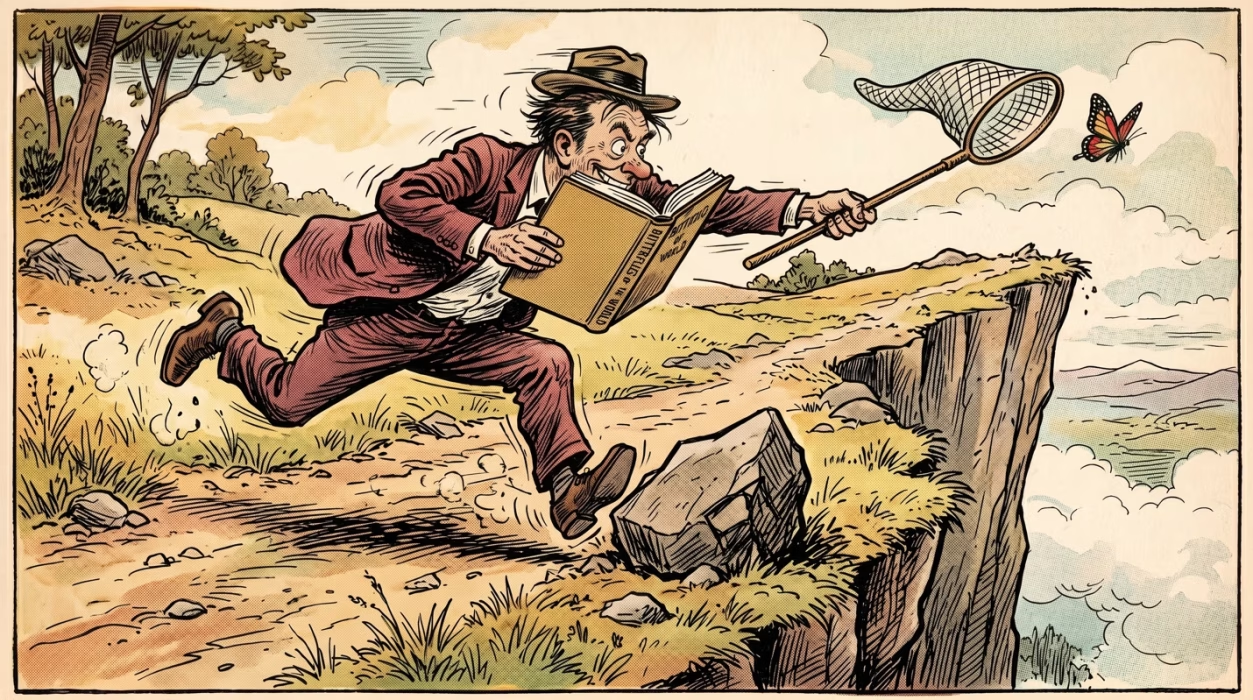

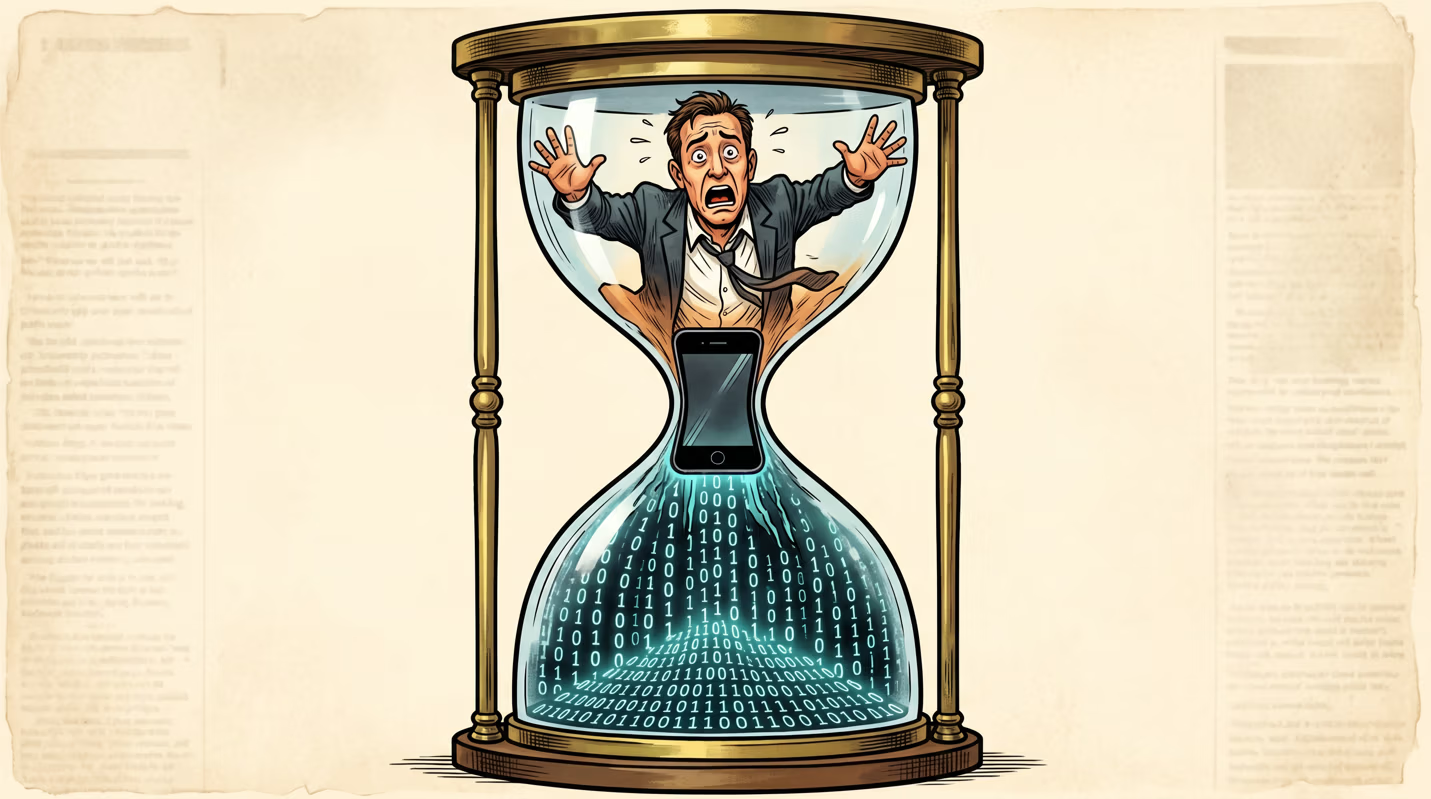
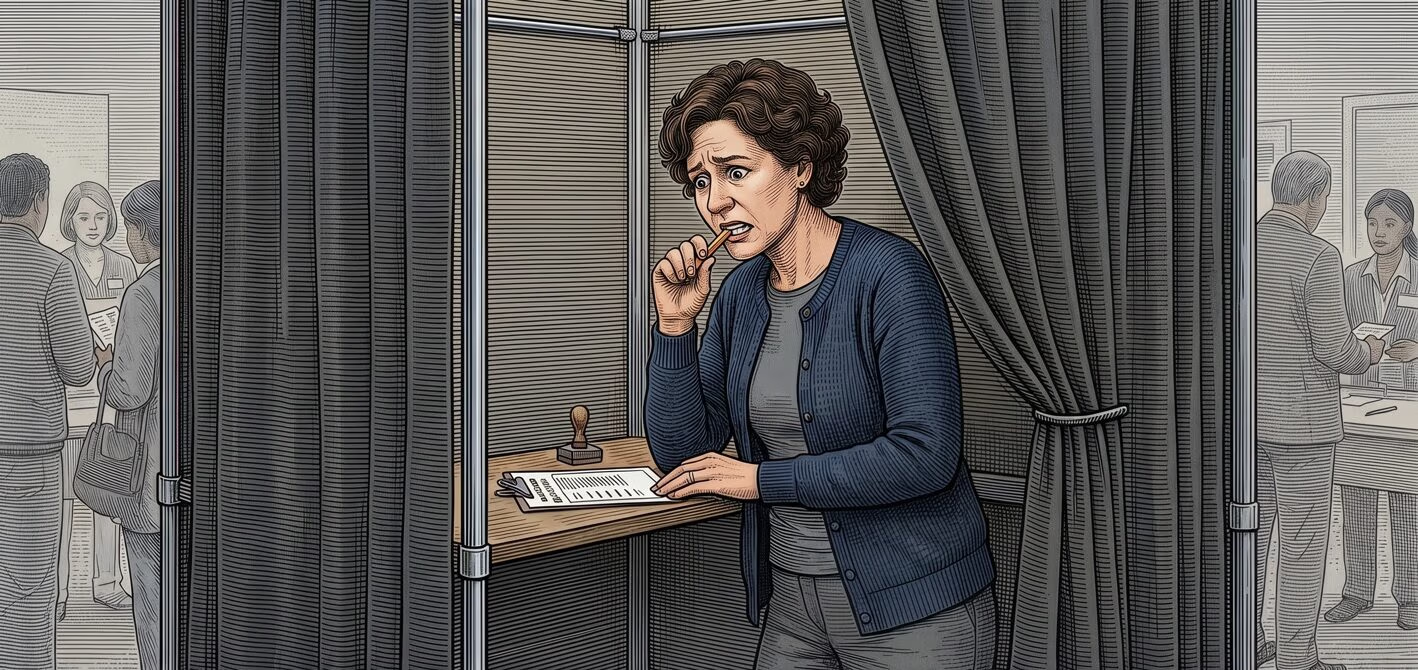
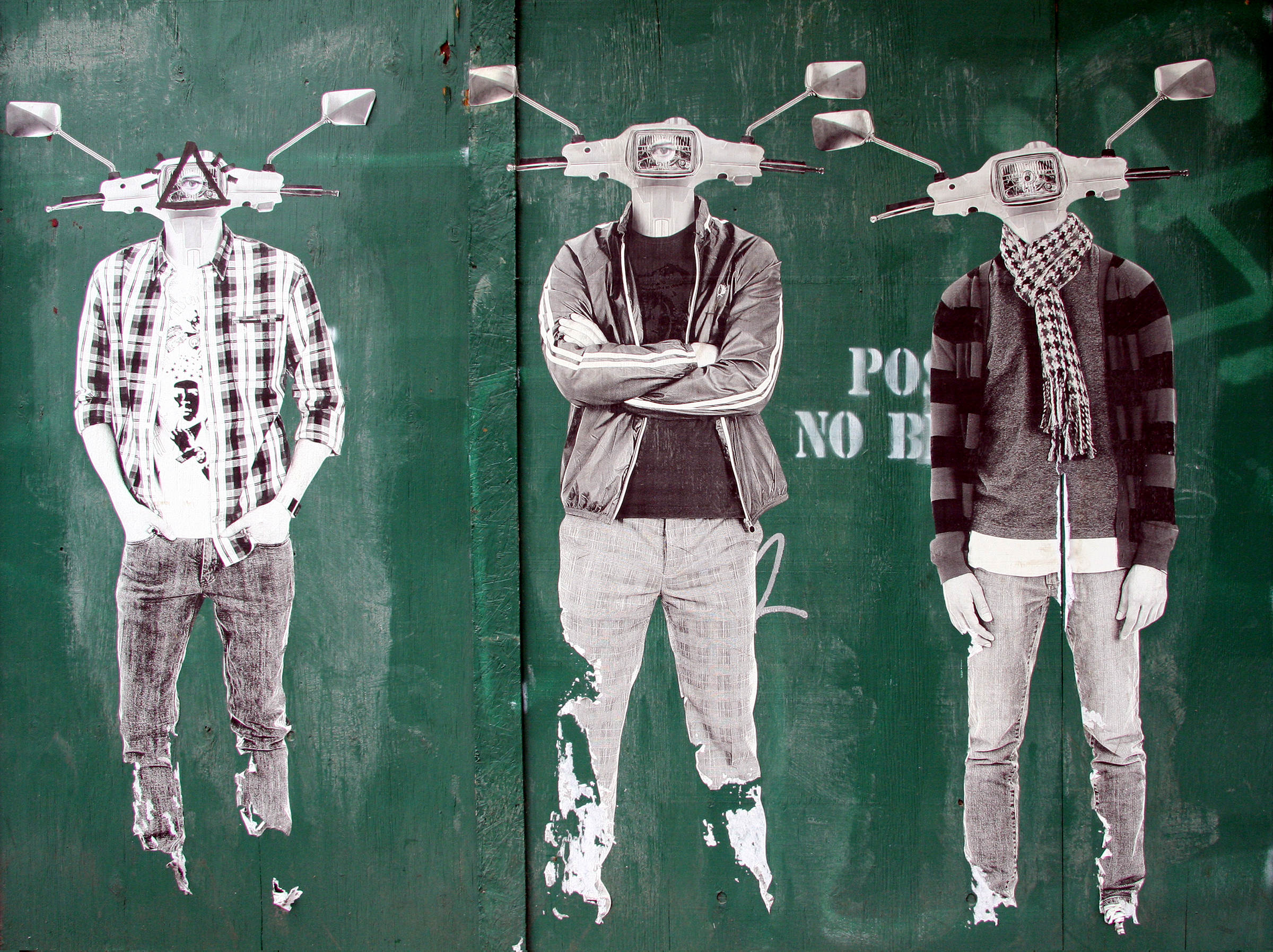
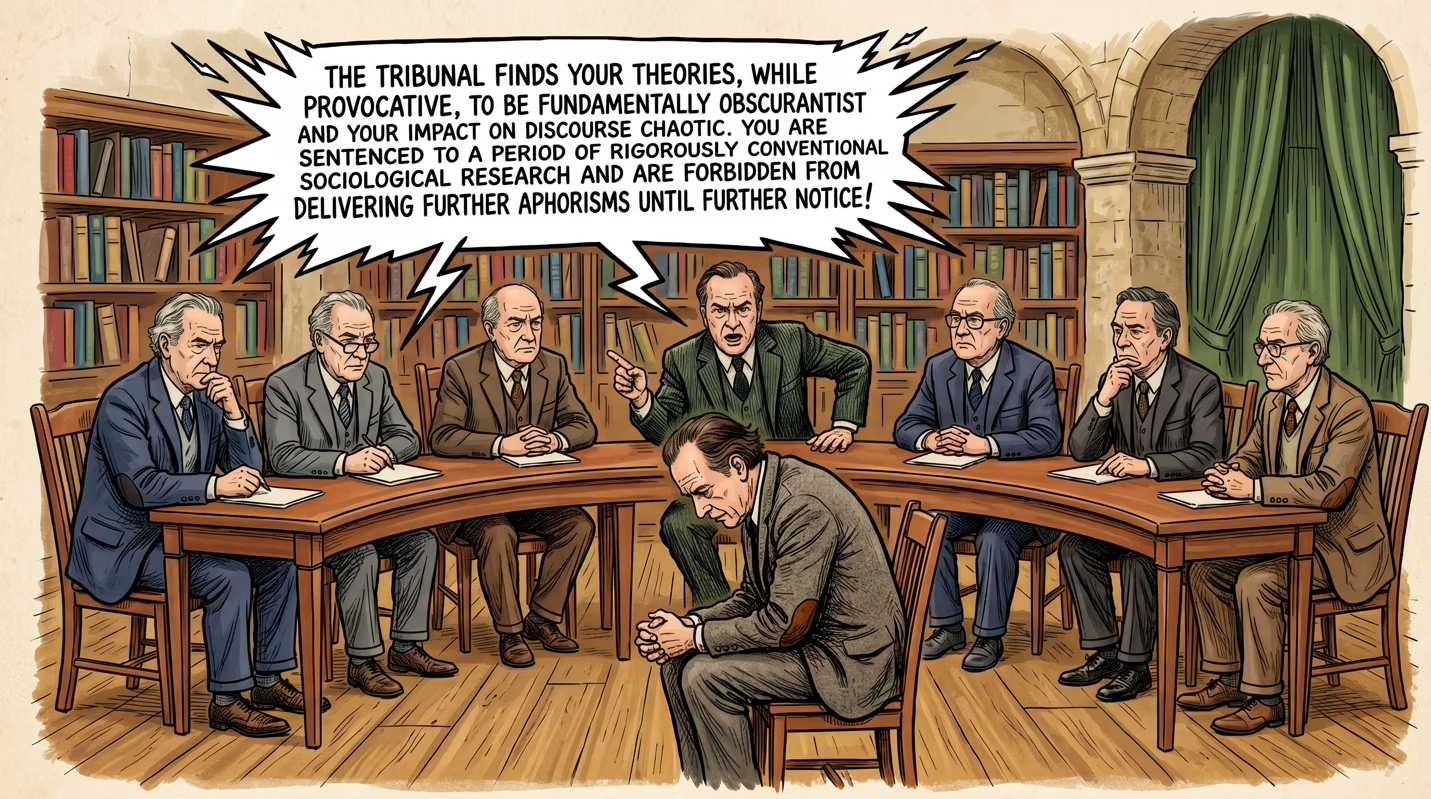
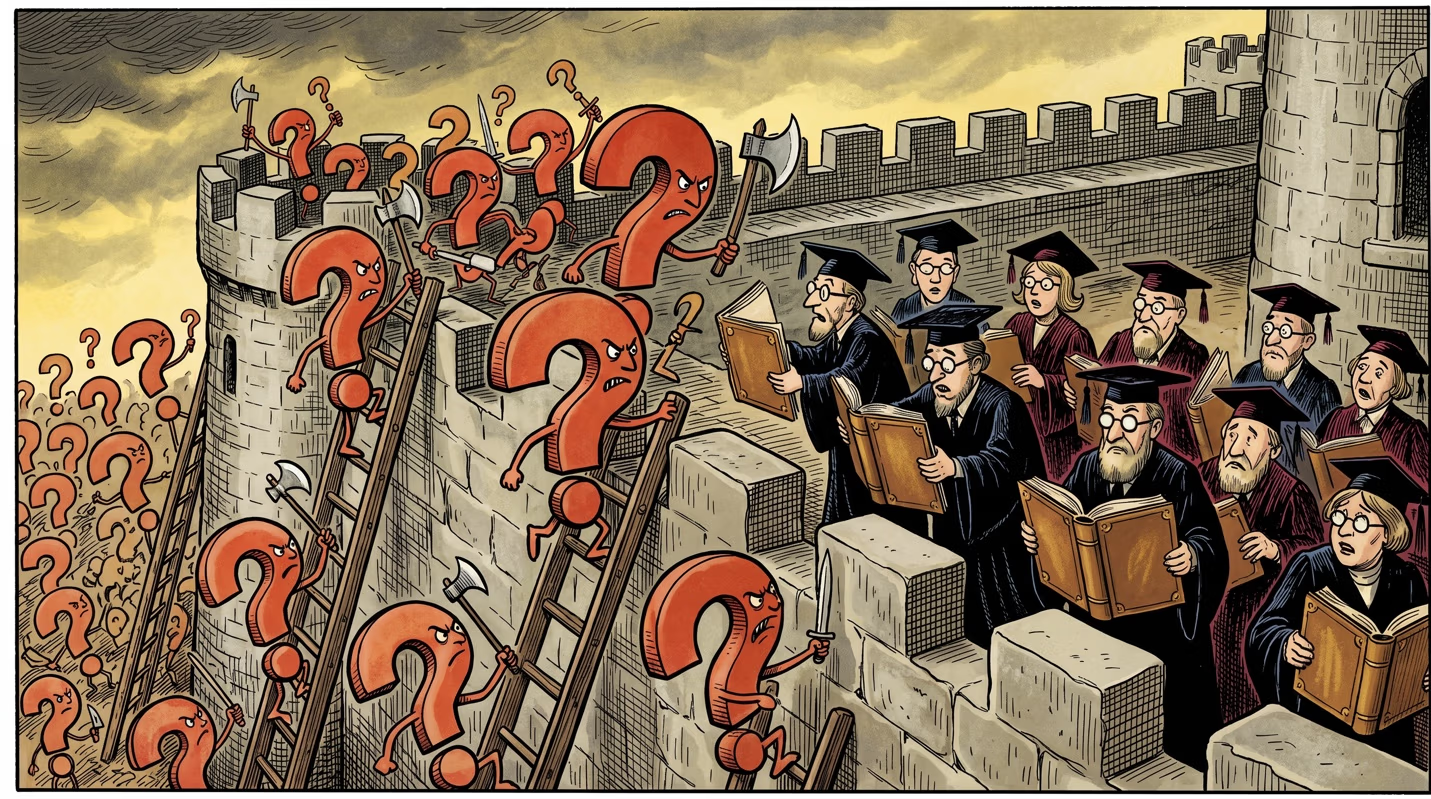
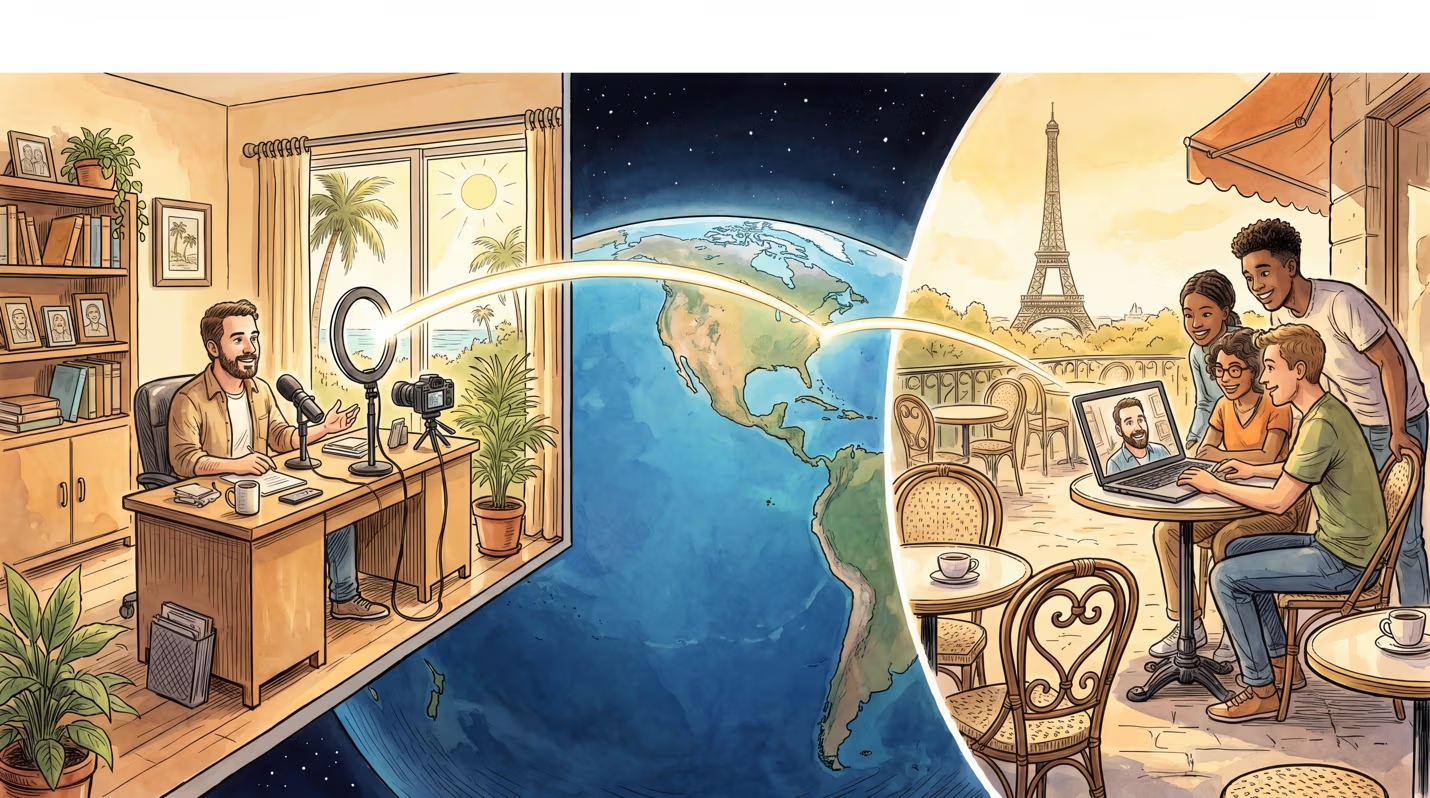
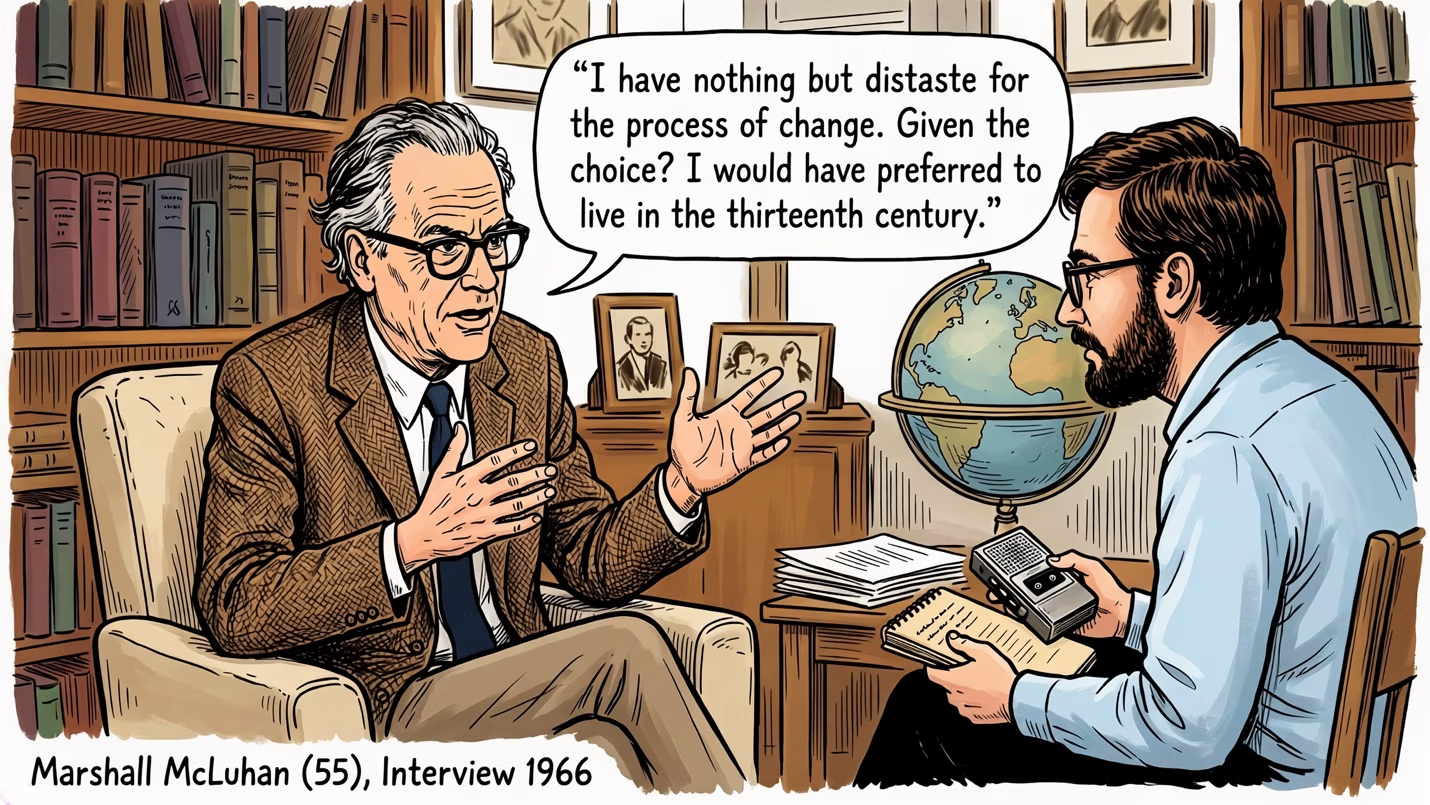
“It is not matching—which visual man would do—but making. Now, visual man was hung up on the idea of matching as a criterion of Truth. Under electric conditions, at the speed of light, there can never be matching, only making. The scientists discovered this forty, fifty years ago when they developed the "uncertainty principle," saying that no experiment could ever be repeated. You can't step into the same river once. This is now seen to be literally true. It had always been true, but electric speed made it obvious.”
“Technology and the Human Dimension”, interview with Louis Forsdale (1974), reprinted in MM: The Man and His Message, 1989, p 12
Year: 1974
Chapter:
Speedups
…stream of consciousness offered the reader a means of making rather than of matching. By pushing cinematic and photographic imagery flow to an extreme, the poets discovered the means of making a world in which all the senses participated at once.
“The Emperor’s Old Clothes”, (1966), in McLuhan Unbound, Vol 20, (2005), p 6
Year: 1966
With the origin of classified data, or visual organization of knowledge, there came also representation in the arts. Representation is itself a form of matching or classifying, unknown to preliterate or native artists. Today we return to non-objective art, non-representational art, because in the electric age we are leaving the world of visual organization of experience.
“The Relation of Environment to Anti-Environment,” The University of Windsor Review, Vol. 11, No. 1, (1966), p 7, reprinted in McLuhan Unbound #4, (2017), p 15
Year: 1966
Matching presumes to refer to outer fact; making captures inner fact.
Through the Vanishing Point with Harley Parker (1968), p 165
Year: 1968
Making sense is never matching or mere one-to-one correspondence which is an assumption of visual bias. For the ear makes an "acoustic space structure" with centers everywhere and margins nowhere, like a musical surround or the boundless universe.
“The Argument: Causality in the Electric World”, in Technology and Culture, Vol.14, No. 1, January (1973), p 13, reprinted in McLuhan Unbound # 3, (2005), p 22
Year: 1973
What Western philosophers, right, left, and center, have continued to ignore is that matching the old excludes making the new. Concepts always follow percepts. In fact they are a kind of ossification of percepts — endlessly repeated percepts which frequently obscure invention and innovation.
“The Argument: Causality in the Electric World”, in Technology and Culture, Vol.14, No. 1, January (1973), p 16, reprinted in McLuhan Unbound # 3, (2005), p 26
Year: 1973
Chapter:
Percept
“Objectivity" is achieved by matching new observations with old concepts by specialist observers doubly isolated from existence by abstract Nature on the one hand, and controlled laboratory environments on the other.
“The Argument: Causality in the Electric World”, in Technology and Culture, Vol.14, No. 1, January (1973), p 17, reprinted in McLuhan Unbound # 3, (2005), p 28
Year: 1973
Truth is never a label; it is not something we match. Truth is something we make with all our senses in a conscious process of remaking the world as the world remakes us physically, psychically, and socially.
“The Argument: Causality in the Electric World”, in Technology and Culture, Vol.14, No. 1, January (1973), p 17, reprinted in McLuhan Unbound # 3, (2005), p 28
Year: 1973
Chapters:
McLuhanisms & Zingers | Truth
We no longer merely choose options, we make them.
“The Argument: Causality in the Electric World”, in Technology and Culture, Vol.14, No. 1, January (1973), p 18 , reprinted in McLuhan Unbound # 3, (2005), p 30
Year: 1973
The new space breakthrough was left for the Romans. Gombrich in Art and Illusion describes the rise of realistic representation in classical art: matching, not making, is the visual mode of apprehension.
Through the Vanishing Point with Harley Parker, 1968, p 225
Year: 1968
Matching, not making, is the visual mode of apprehension.
Through the Vanishing Point with Harley Parker (1968), p 225
Year: 1968
This immense tidying-up of our inner lives, motivated by the new picture gestalt culture, has had its obvious parallels in our attempts to rearrange our homes and gardens and our cities. To see a photograph of the local slum makes the condition unbearable. The mere matching of the picture with reality provides a new motive for change, as it does a new motive for travel.
Understanding Media (1964), MIT/Routledge edition, p 197
Year: 1964
In his Art and Illusion, E.H. Gombrich traces some of the stages by which Western man arrived at the idea of “matching.” The idea that there might be some correspondence between inner and outer had no meaning until literacy came to shape awareness and to give dominance to our visual faculty. Almost to Newton’s time, the Western world assumed that the eye was the broadcasting center that actually made and projected rather than perceived the outer world.
“Medium Meaning Message” with Barrington Nevitt, in Communication Journal, Vol 1, 1973, p 004
Year: 1973
The painter could no longer depict a world that had been much photographed. He turned instead, to reveal the inner process of creativity in expressionism and in abstract art… Thus art moved from outer matching to inner making.
Understanding Media (1964), MIT/Routledge edition, p 194
Year: 1964
Chapter:
Photography
Incidentally, this word, scenario – look at what it tells you about the world we live in. It means that nearly everything you’re living in is a fiction – fiction in the good sense of “making.” Now the Club of Rome says, “Not making, but matching.” It says there isn’t enough space for the people that are coming… This is a matching procedure. In the world in which we live – the fictional scenario world – actually, we are engaged not in matching, but making. This is what the hardware people don’t understand.
Interview with David Sohn (1978), typescript, p 10
Year: 1978
Whereas ‘reality’ in the 19th century was to match the old, ‘reality’ in the 20th century is to make the new.
“Symposium,” 1973, p 10
Year: 1973
Making sense is never matching or mere one-to-one correspondence which is an assumption of visual bias. For the ear makes an “acoustic space structure” with centers everywhere and margins nowhere, like a musical surround or the boundless universe. Making sense involved “unified sensibility” or synaesthesia, as E.H. Gombrich explains.
“Symposium” (1973), p 13
Year: 1973
The West readily accepts visual matching as a criterion of truth and science; and our ideas of “causation” have tended toward mere classification for 2500 years. To the Greek, for whom phusis or “nature” was figure he had hoicked out of the ground of existence, it seemed that in creating the classification of phusis he had done all the entelechizing [or examining the effects of human artifacts -ed] that was needed. Nature was his art form.
“Roles, Masks, and Performances” (1971), p 523
Year: 1971
It is the difference between matching and making, between spectatorship and total dramatic participation. Through the drama of the mouth, we participate daily in the total re-creation of the world as a process.
Letter to Wilfred and Sheila Watson, Dec. 15, 1967, in Letters of Marshall McLuhan (1987), p 347
Year: 1967
The principle of complementarity is indispensable to understanding the unconscious effects of technologies on human sensibility since the response is never the same as the input. This is the theme of The Gutenberg Galaxy where it is explained that the visually oriented person stresses matching rather than making in all experience.
Letter to Robert C.E, C.M.F., July 30, 1969, in The Medium and the Light (1999), p 93
Year: 1969
It is not matching—which visual man would do—but making. Now, visual man was hung up on the idea of matching as a criterion of Truth. Under electric conditions, at the speed of light, there can never be matching, only making. The scientists discovered this forty, fifty years ago when they developed the "uncertainty principle," saying that no experiment could ever be repeated. You can't step into the same river once. This is now seen to be literally true. It had always been true, but electric speed made it obvious.
“Technology and the Human Dimension,” interview with Louis Forsdale (1974), in Marshall McLuhan. The Man and His Message (1989), p 19
Year: 1974
Chapter:
Speedups
The scientist lives in a world of matching, and his idea of proof or verification is just the matching evidence against evidence. When somebody doesn’t match but makes a new breakthrough, this is just as disturbing to the scientist as to the educator. It upsets the whole apple cart.
“The Communications Revolution,” Speech at Ohio State University (1960), transcript p 8
Year: 1960
Chapters:
Propaganda | Truth
I systematically avoid concepts by sticking with percepts. Jokes are percepts, not concepts. We live in a world that is dominated by concepts or points of view, and the only way that I know of to hoick people out of their concepts into perceptual awareness, is by pulling the ground out from the figures. The symbolist poets practiced this procedure deliberately. It is sometimes involuntary, as when the little boy on his first aeroplane ride, asks his father: “Daddy, when do we start to get smaller?”
Letter to Mark Slade, December 13, 1971, p 1
Year: 1971
In other words, at this stage of his analysis, Aristotle was more involved with either-or than with both-and. Ricoeur is trying to hold the discussion of metaphor in terms of matching instead of the making process, in terms of a special kind of logic and dialectic instead of poesis, of concept (descriptive) instead of percept.
The Global Village with Bruce Powers (1989), p 31
Year: 1989
The basis of all contemporary Western theories of communication—the Shannon-Weaver model—is a characteristic example of left-hemisphere lineal bias. It ignores the surrounding environment as a kind of pipeline model of a hardware container for software content (Fig. 6.1). It stresses the idea of inside and outside and assumes that communication is a literal matching rather than making.
The Global Village with Bruce Powers (1989), p 75
Year: 1989
The conventional historian writing of "the impact of printing" has merely told us the amount of printing and the numbers of new books and readers. Such merely quantitative reporting is matching rather than making, and simply ignores what really happened. lnnis carefully avoids matching one cause against another effect and insists on making sense of the processes released by the new structures.
Foreword to Harold A. lnnis, Empire and Communications, 1972, in On the Nature of Media (2016), p 200
Year: 1972
Instead of catching up by matching up with the nineteenth century of American cities, Canada has a unique opportunity to make cities for the seventies. Making, not matching, is an Ontario possibility lost to the U.S.A. by old hardware rivalry.
Letter to William Davis [Premier of Ontario], April 26, 1971, in Letters of Marshall McLuhan (1987), p 432
Year: 1971
That is why the changes in all the arts and sciences can illuminate the effects of new media. To specialize attention in any one medium or sensory mode is to fall into the habit of matching, classifying and quantifying that are imposed by the dominant visual faculty.
Letter to The Listener August 11, 1971, in Letters of Marshall McLuhan (1987), p 437
Year: 1971
This is standard Aristotelian and Thomistic doctrine, that the cognitive agent is himself thing and content. In the same way, on page 199 you miss what to me is the very obvious fact that human consciousness is an analogical mirror far more potent than all other mirrors that merely provide a univocal or matching image.
Letter to William Kuhns, December 6, 1971, in Letters of Marshall McLuhan, (1987), p 448
Year: 1971
When "truth" is reduced to mere matching of inner and outer, any statement can be questioned: "Dictionaries drive words out of their senses," as a wag noted.
From Cliché to Archetype with Wilfred Watson, (1970), p 30
Year: 1970
Chapter:
Truth
That is, with the rise of the written law, matching takes over from making. The punishment must fit the crime. There must be punishment, even if there is no remedy.
From Cliché to Archetype, with Wilfred Watson, (1970), p 61
Year: 1970
Throughout the entire discussion of Fiction and the Reading Public Mrs. Leavis makes the assumption of a "higher code" which it is the function of literature to make accessible. Entrée via this code is presumed sufficient to enable the reader to "place" the products and activities of any culture at all. Mrs. Leavis is making the familiar literary assumption that matching, rather than making, is the function of literary training.
From Cliché to Archetype, with Wilfred Watson, (1970), p 174
Year: 1970
After the recent centuries of conceiving "truth" and "reality" as matching rather than making, Western man was not disposed to face the fact of faking as a legitimate feature of human consciousness. The students of James Joyce are familiar with the art process as inherent in the cognitive act of making sense.
“Roles, Masks and Performances” (1971), in McLuhan Unbound, (2017), p 8
Year: 1971
Most people have the idea of communication as something matching between what is said and what is understood. In actual fact, communication is making. The person who sees or heeds or hears is engaged in making a response to a situation which is mostly of his own fictional invention. What these critics reveal is that the mystery of communication is the art of making. What they make in difficulties, confusions, vague responses is natural.
“The Hot and Cool Interview” (1967), in Media Research (1997), p 69
Year: 1967
Chapter:
Communication
The poet and novelist turned to those inward gestures of the mind by which we achieve insight and by which we make ourselves and our world. never, in any age Thus art moved from outer matching to inner making. Instead of depicting a world that matched the world we already knew, the artists turned to presenting the creative process for public participation. He has given to us now the means of becoming involved in the making-process. Each development of the electric age attracts, and demands, a high degree of producer-orientation.
Understanding Media (1964), MIT/Routledge edition, p 194
Year: 1964
A famous phrase in Art and Illusion says that the whole difference between Western art and Oriental art is the difference between matching and making. The Westerner, a visual man, thinks of art as a repetition. He thinks of language as a repetition. But we’re the only culture of which this has ever been true. All the other cultures think of art forms, including language, as making.
The Museum as Large-Room Pinball Machine, Marshall McLuhan, Harley Parker, and Museum Professionals, 1967, full transcript of a seminar at the City Museum of New York, October, 1967, edited by William Buxton, published by U. of Alberta Press, 2026, p 89
Year: 1967