Viewing chapter Media Effects (51 quotes)
Early in 1960 it dawned on me that the sensory impression proffered by a medium like movie or radio, was not the sensory effect obtained. Radio, for example, has an intense visual effect on listeners. But then there is the telephone which also proffers an auditory impression, but has no visual effect. In the same way television is watched but has a very different effect from movies. These observations led to a series of studies of the media, and to the discovery of basic laws concerning the sensory effects of various media. These will be found in this report.
NAEB Report on Understanding New Media, June (1960), p 1
Year: 1960
The antithetic electric power of instant information that reverses social explosion into implosion, private enterprise into organization man, and expanding empires into common markets, has obtained as little recognition as the written word. The power of radio to retribalize mankind, its almost instant reversal of individualism into collectivism, Fascist or Marxist, has gone unnoticed. So extraordinary is this unawareness that it is what needs to be explained. The transforming power of media is easy to explain, but the ignoring of this power is not at all easy to explain. It goes without saying that the universal ignoring of the psychic action of technology bespeaks some inherent function, some essential numbing of consciousness such as occurs under stress and shock conditions.
Understanding Media, 1964, MIT/Routledge edition, p 304
Year: 1964
[Media are ever] bashing and abashing mankind.
Quoted back to MM in a reply letter of Peter Broughton, April 24, 1966 (LAC)
Year: 1966
…we live in an electric simultaneous world, where most of the relationships between men and their technologies are now invisible.
Televised interview by Father Patrick Peyton on the program, Father Peyton’s Family Theatre (1972), Transcript, p 2
Year: 1972
[P]eople have never, in any age…known what they were doing, that is, what the effects would be of what they were doing…
First Fordham Lecture, 1967, reprinted in Understanding Me (2002), p 144
Year: 1967
But every technical innovation provides a new environment of sense and feeling which is as invisible as it is invincible.
Letter of January 12, 1968 to Jack Kessie, Managing Editor, Playboy Magazine (LAC)
Year: 1968
TV is as radioactive as radium.
Letter to Clair Booth Luce, August 29, 1977, in Letters (1987), p 534
Year: 1977
Chapter:
Television
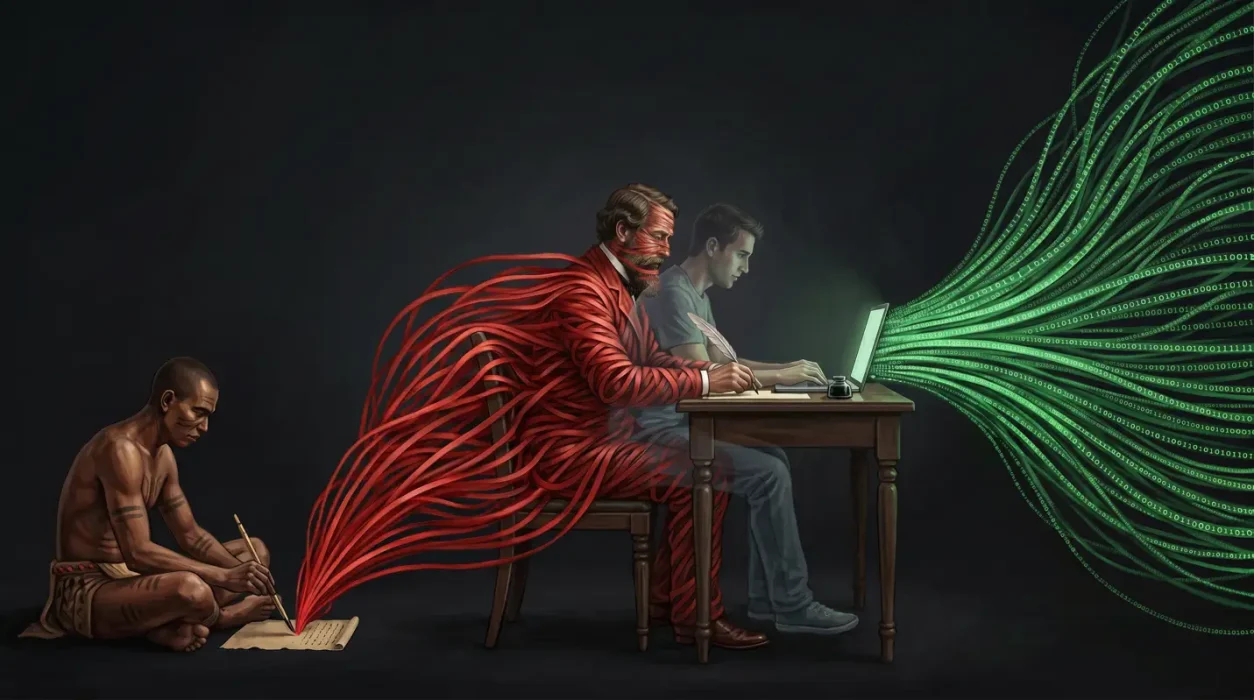

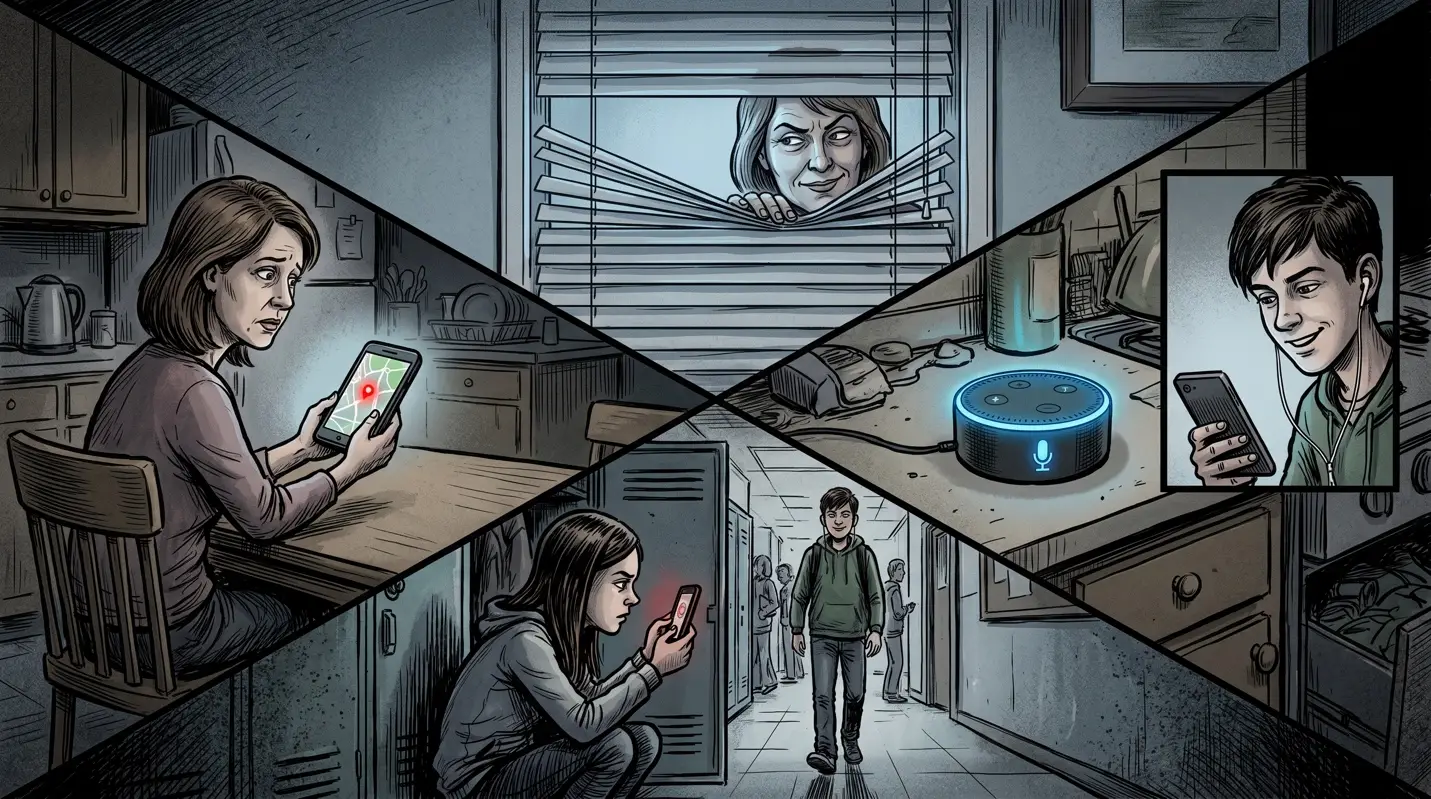
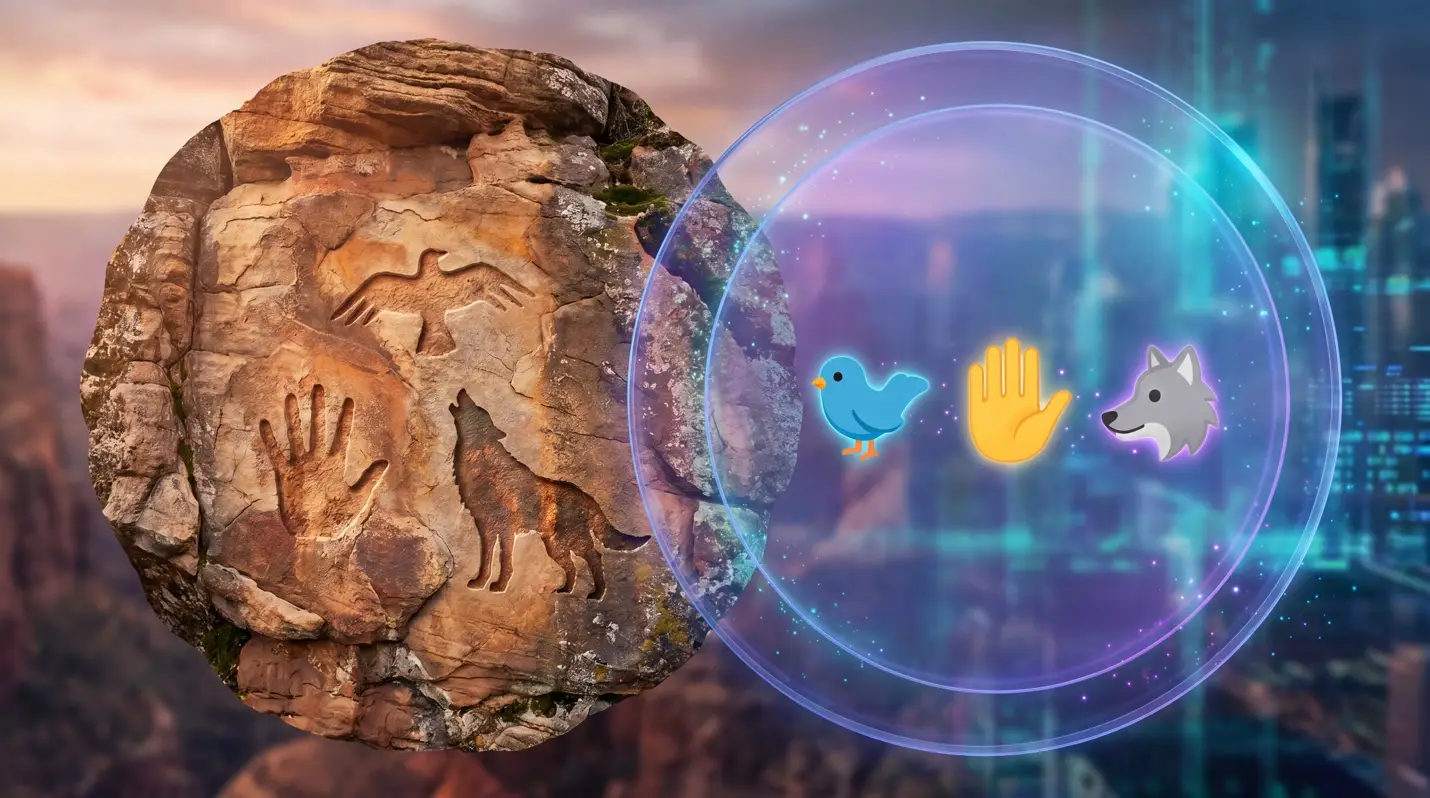
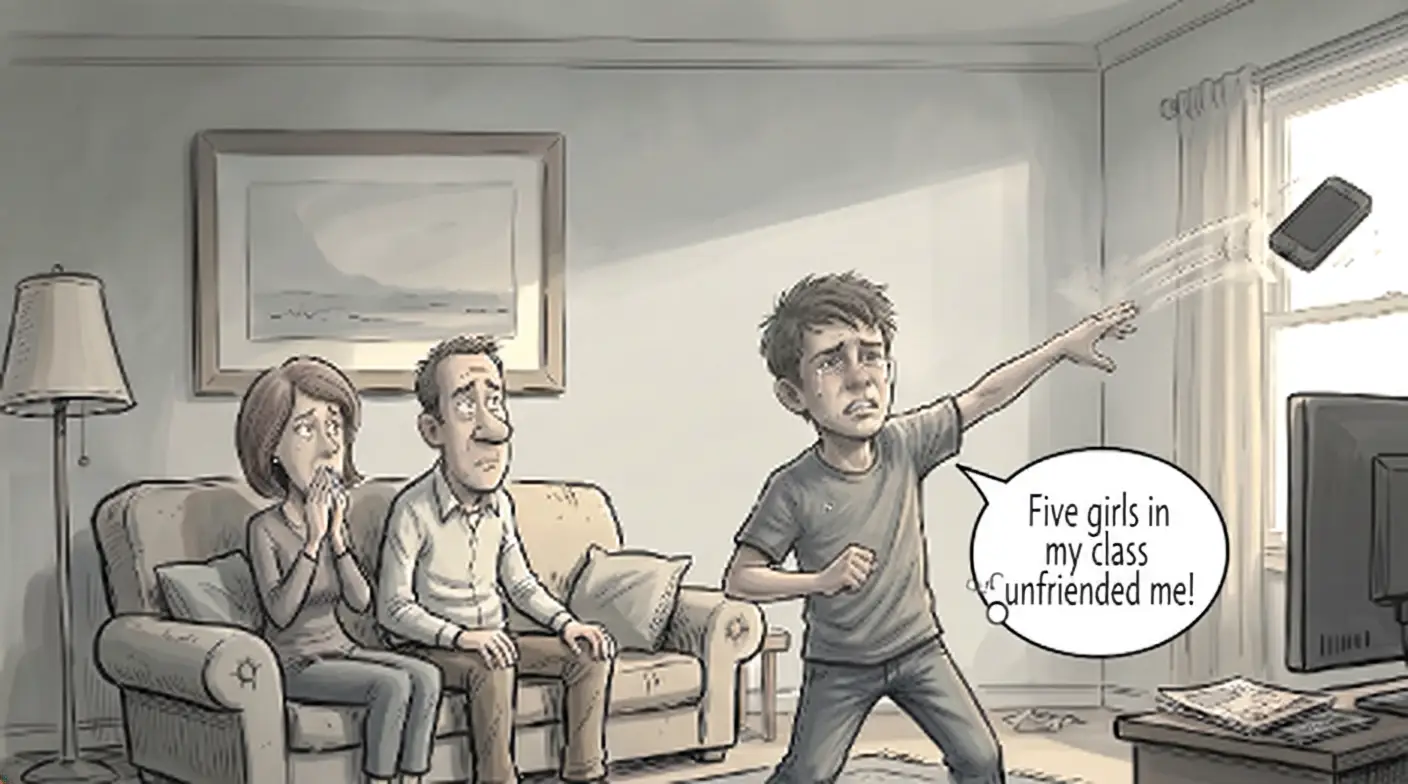
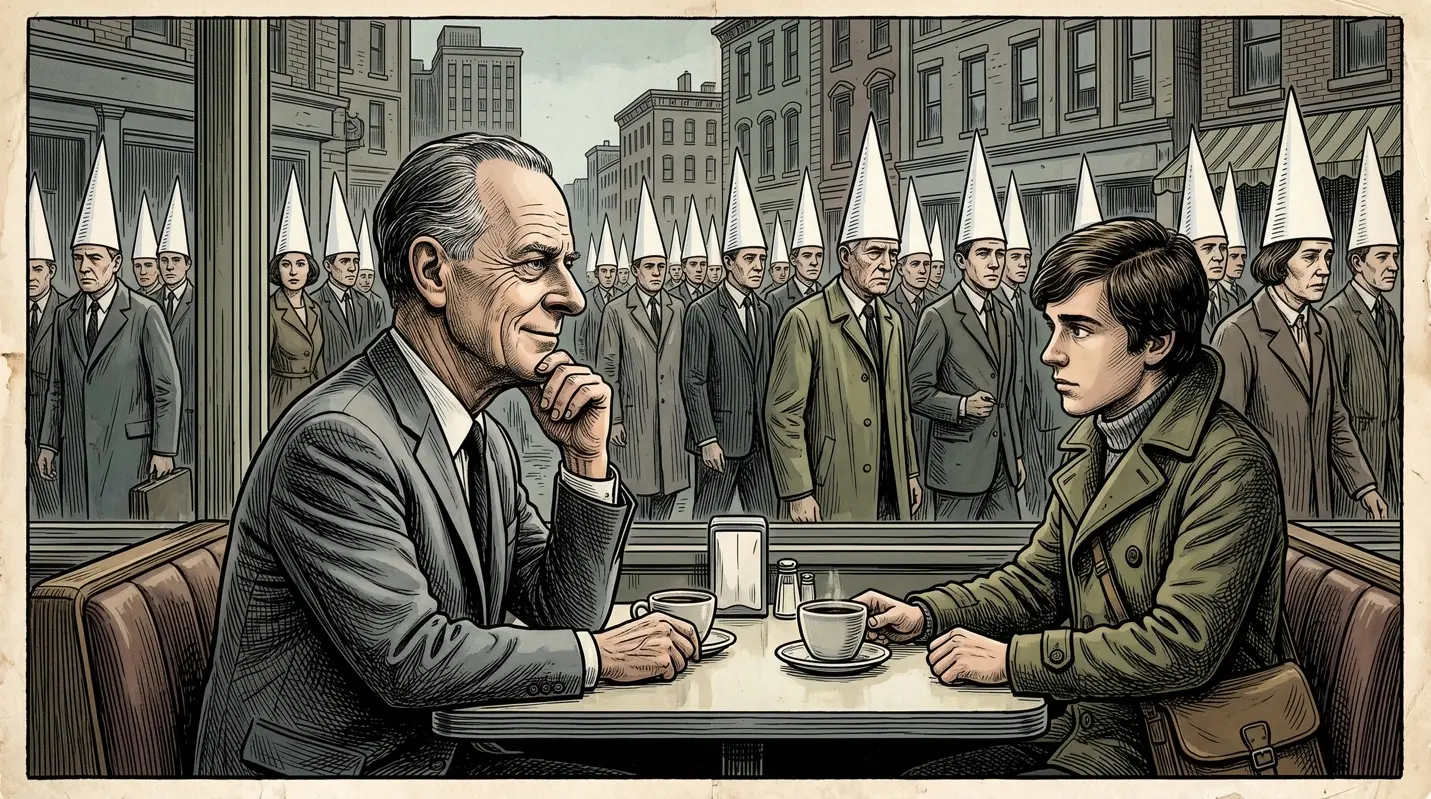
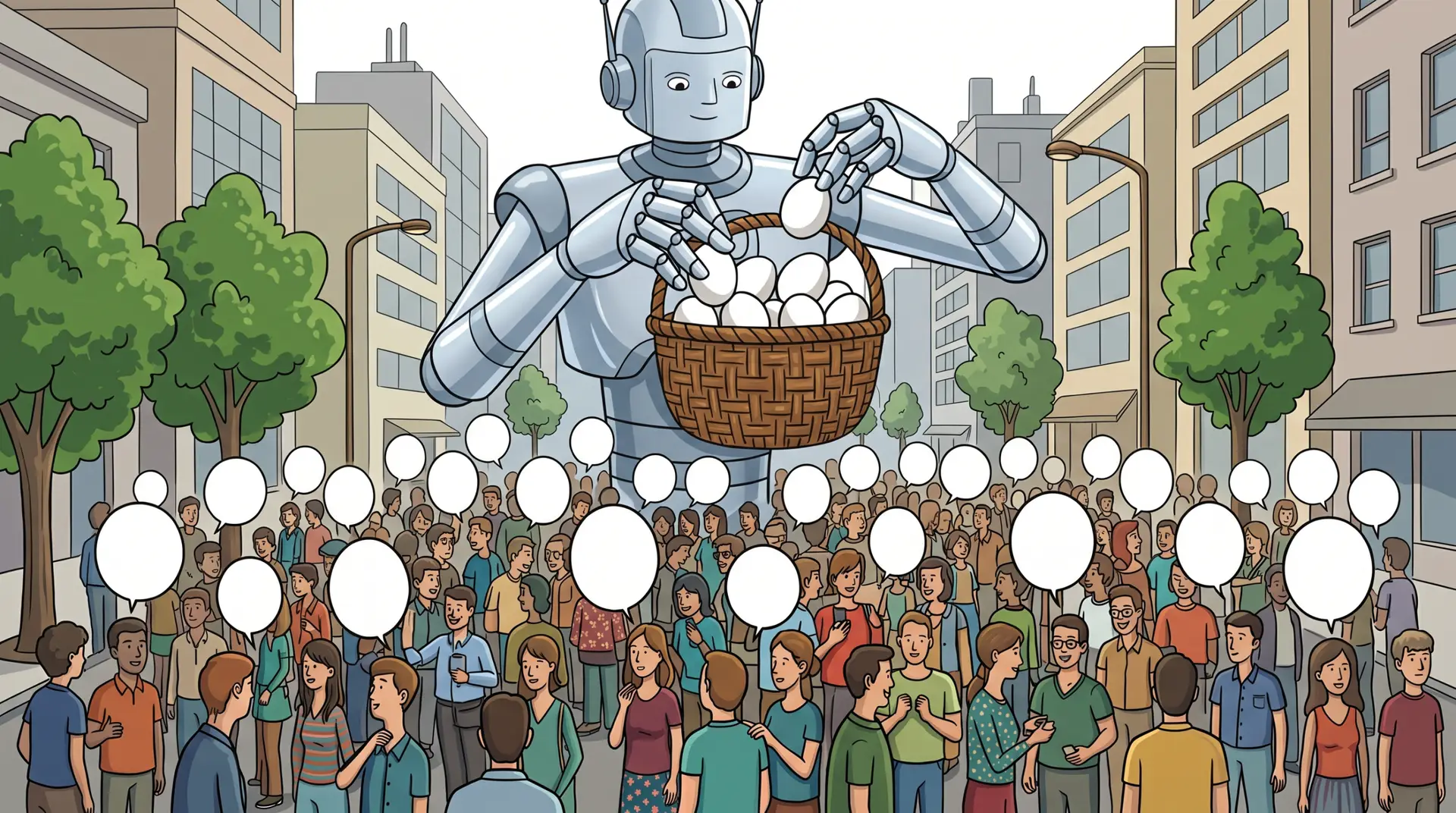


The media themselves act directly toward shaping our most intimate self-consciousness. Without our having any ideas about them whatever, they still deeply affect our idea of past and present, of ourselves, and of our relations to others.
“A Historical Approach to the Media” (1955), cite source, p 110
Year: 1955
Chapter:
Media
Media effects are new environments as imperceptible as water to a fish, subliminal for the most part.
Counterblast (1969), p 22
Year: 1969
Radio created Hitler as a delinquent Peter Pan, charged with cosmic emanation. Would not a high degree of awareness of these media effects (e.g. radio in Nigeria or in any tribal territory) enable us to set up social therapies and immunizing programs exactly comparable to medical action in the face of an endemic disease?
Letter to Pierre Elliott Trudeau (June 3, 1968), in Letters of McLuhan, p 353
Year: 1968
In fact, one obvious cause of inflation is the media-made consciousness of it. Everybody feels impelled either to grab some advantage or to take defensive action by direct intervention at the practical level.
“Media and the Inflation CROWD” (1973), in Marshall McLuhan. The Man and His Message (1989), p 56
Year: 1973
Chapter:
Money
A medium creates an environment for itself and that is completely imperceptible, just as people have observed “we don't know who discovered water but we know it wasn't a fish”. Anybody who lives totally immersed in any situation is completely oblivious of it.
Fletcher Markle on “McLuhan is the Message,” CBC-TV (1967), transcript 00:01 ff
Year: 1967
What I am saying is that new media may at first appear as mere codes of transmission for older achievement and established patterns of thought. But nobody could make the mistake of supposing that phonetic writing merely made it possible for the Greeks to set down in visual order what they had thought and known before writing.
The Medium Is the Message, (1960), Reprinted in McLuhan Unbound #17, (2017), p 17
Year: 1960
For the message of any medium or technology is the change of scale, or pace, or pattern that it introduces into human affairs.
Understanding Media (1964), MIT/Routledge edition, p 8
Year: 1964
Chapter:
Media
…It is the medium that shapes and controls the scale and form of human association and action.
Understanding Media (1964), MIT/Routledge edition, p 9
Year: 1964
I only realized today that we cannot transcend our "flat-earth" view of media as long as we rely upon private impressions at a particular time and place. The meaning and effect of a medium is the sum total of all its impact upon pysche and society. Such a vision requires the historical dimension as the laboratory in which to observe change.
Letter to Harry J. Skornia July 6,1964, in Letters of Marshall McLuhan (1987), p 305
Year: 1964
The new media and technologies by which we amplify and extend ourselves constitute huge collective surgery carried out on the social body with complete disregard for antiseptics.
Understanding Media (1964), MIT/Routledge edition, p 64
Year: 1964
The giant djinns of oriental fancy are pygmy-like in size and power compared even with the superhuman dimensions conferred by our own daily press and weekly magazines on nobody in particular. But even more, movie and TV have the almost uncontrollable power of inflating the most casually selected persons into million horse-powered entities.
“New Media as Political Forms,” in Explorations 3, 1954, p 125
Year: 1954
If telegraph shortened the sentence, radio shortened the news story, and TV injected the interrogative mood into journalism. In fact, the press is now not only a telephoto mosaic of the human community hour by hour, but its technology is also a mosaic of all the technologies of the community.
Understanding Media (1964), MIT/Routledge edition, p 215
Year: 1964
Chapter:
News
Apparently a lot of people are worried about it [pay TV] interfering with other services, that it might take away the audiences from movie houses or something like that. I think that would not happen. For example, the freedom you have to take home LP discs and play them in no way impaired attendance at concerts. On the contrary, it has enormously increased interest in music.
“Conversation with Marshall McLuhan” (1977), p 60
Year: 1977
A kind of alchemical foreknowledge of all the future effects of any new medium is possible.
“What fundamental changes are foreshadowed in the prevailing patterns of educational organization and methods of instruction by the revolution in electronics?”, (1959), p 4
Year: 1959
I would like to expand a bit on the theme of our media as means of extending and enlarging our organic sense lives into our environment.
“The Care and Feeding of Communication Innovation”, conference at Columbia University, November 8, 1961, p 4
Year: 1961
The young people who have experienced a decade of TV have naturally imbibed an urge toward involvement in depth that makes all the remote visualized goals of usual culture seem not only unreal but irrelevant, and not only irrelevant but anemic.
Understanding Media (1964), MIT/Routledge edition, p 335
Year: 1964
Chapter:
Youth
The new media are not ways of relating us to the old "real" world; they are the real world and they reshape what remains of the old world at will.
Counterblast, 1969, p 52
Year: 1969
Chapter:
Media
Every literary form, from the stream of consciousness to James Joyce and Virginia Woolf, to the private eye in the whodunit, is a direct import of film technique. One of the principal effects of new art forms is to awaken older forms to new life and manifestation.
“A Phantom City Phaked”, 1964, p 1
Year: 1964
The programs are merely a means of keeping the media turned on so they can do their will.
Letter to J Agel March 26, 1976
Year: 1976
New media are new archetypes, at first disguised as degradations of older media. These degradations happen when new media inevitably use older ones as content.
New Media and the Arts, 1960, p 240
Year: 1960
Those external extensions of sense and faculty that we call media we use as constantly as we do our eyes and ears, and from the same motives. The book-oriented man considers this nonstop use of media as debased; it is unfamiliar to him in the book-world.
Understanding Media, 1964, MIT/Routledge, p 211
Year: 1964
Chapter:
Media
When a new environment forms, we see the old one as if we lived in a world of the deja vu.
“The New Morality”, 1967, p 176
Year: 1967
For more than a century the printed book was regarded as merely a cheap manuscript.
Letter to Claude Bisell, March 8, 1960, in Letters of Marshall McLuhan (1987), p 264
Year: 1960
Once a new technology comes into a social milieu it cannot cease to permeate that milieu until every institution is saturated.
Understanding Media, 1964, MIT/Routledge, p 177
Year: 1964
Is it natural that one medium should appropriate and exploit another?
“Projects and questions – Telephone”, in NAEB Report on Understanding Media, 1960, p 98
Year: 1960
Each technological extension involves an act of collective cannibalism. The previous environment is swallowed by the new environment and reprocessed for whatever values are digestible. Thus, Nature was succeeded by the mechanical environment and became what we call the “content” of the new industrial environment.
“Notes on Burroughs”, 1964, p 517
Year: 1964
The history of the arts and sciences could be written in terms of the continuing process by which new technologies create new environments for old technologies.
“The New Media and the Arts”, 1964, p 239
Year: 1964
Swift's A Tale of a Tub used the new world of print to enclose the preceding world of the sermon and theological exegesis. Swift is aware of the conflict of forms somewhat in the manner of Mad Magazine today.
“The New Media and the Arts”, 1964, p 241
Year: 1964
Any new technology is given the old job to do. For example, what do you see on the late TV shows? Old movies.
Diebold dialogue, 1966, p 9
Year: 1966
[t]he environmental is also the unnoticeable... Nature had been environmental for a good while before it became the content of the new industrial environment of the 18th and 19th centuries.
“The New Media and the Arts”, 1964, p 239
Year: 1964
Taking a slice of the environment and putting it into another medium -- a novel, a TV show, a film -- has the effect of enabling you to see it more clearly.
David Sohn Interview, 1978
Year: 1978
The understanding of media as art forms is achieved by translation of one medium into another.
“Mass Media Hypothesis”, 1960
Year: 1960
Chapter:
Media
TV has processed the old movies into a widely heralded avant garde form. The movie is no longer an environmental form. It is the "content" of TV''...a harmless consumer commodity that is no longer regarded as corrupt and degrading.
Art as Anti Environment, 1965, p 4
Year: 1965
New media are new archetypes, at first disguised as degradations of older media. These degradations happen when new media inevitably use older ones as content. Using the older ones as content hastens the tidaying-up process by which a medium becomes an art form.
New Media and the Arts, 1964, p 240
Year: 1964
It was in the format of the daily press that Rimbaud and Mallarmé discovered the means of rendering the interplay of all the functions of what Coleridge called the "esemplastic" imagination. For the popular press offers no single vision, no point of view, but a mosaic of the postures of the collective consciousness, as Mallarmé proclaimed.
The Gutenberg Galaxy: the Making of Typographic Man (1962), p 267-268. * McLuhan is referring to his article “Joyce, Mallarmé and the Press", in The Sewanee Review, Vol.62, No.1, Jan-March (1954) p 38-55. Reprinted in The Interior Landscape The Literary Criticism of Marshall McLuhan, (1969), p 5-21
Year: 1962
"Media effects are new environments as imperceptible as water to a fish, subliminal for the most part".
Counterblast (1969), p 22
Year: 1969
For reasons that have never been explored, Western man simply does not wish to know about any of the hidden factors in his technology.
“Understanding McLuhan – and Fie on Those Who Don’t,” The Globe and Mail, September 10, 1973, p 7
Year: 1973
Let us, as the Chinese say, move our chairs closer to the fire and see what we are saying. The electric changes associated with automation have nothing to do with ideologies or social programs. If they had, they could be delayed or controlled. Instead, the technological extension of our central nervous system that we call the electric media began more than a century ago, subliminally. Subliminal have been the effects. Subliminal they remain. At no period in human culture have men understood the psychic mechanisms involved in invention and technology. Today it is the instant speed of electric information that, for the first time, permits easy recognition of the patterns and the formal contours of change and development. The entire world, past and present, now reveals itself to us like a growing plant in an enormously accelerated movie. Electric speed is synonymous with light and with the understanding of causes.
Understanding Media (1964), MIT/Routledge edition, p 352
Year: 1964
The “content” of a medium is like a juicy piece of meat carried by the burglar to distract the watchdog of the mind.
Understanding Media (1964), MIT/Routledge edition, p 18
Year: 1964
Spengler and Hitler and many more of the would-be “irrationalists” of our century are like singing-telegram delivery boys, who are quite innocent of any understanding of the medium that prompts the song they sing.
Understanding Media (1964), MIT/Routledge edition, pp 112-113
Year: 1964
Determinism is the result of the behaviour of those who are determined to ignore what is happening around them.
Letter to the Editors of Life magazine, March 1, 1966, in Letters of Marshall McLuhan (1987) p 334
Year: 1966
Chapters:
McLuhanisms & Zingers | Sleepwalkers
There is a deep-seated repugnance in the human breast against understanding the processes in which we are involved. Such understanding involves far too much responsibility for our actions.
Understanding Media (1964), MIT/Routledge edition, p 304
Year: 1964
Chapters:
Narcissus, Denial of Media Effects | Warnings
The transforming power of media is easy to explain, but the ignoring of this power is not at all easy to explain. It goes without saying that the universal ignoring of the psychic action of technology bespeaks some inherent function, some essential numbing of consciousness such as occurs under stress and shock conditions.
Understanding Media (1964), MIT/Routledge edition, p 304
Year: 1964
Why has it never occurred to Dr. [Robert] Hitchens that the only practical answer to the “storm of triviality and propaganda” is that it be brought under control by being inspected. Its baneful effects are at present entirely dependent on its being ignored. In launching such a pastime program of uninhibited inspection of popular and commercial culture Dr. Hutchins would find himself on a radical task at last.
The Mechanical Bride, 1951, p 45
Year: 1951
Chapter:
Training of Perception