Viewing chapter Media Literacy (9 quotes)
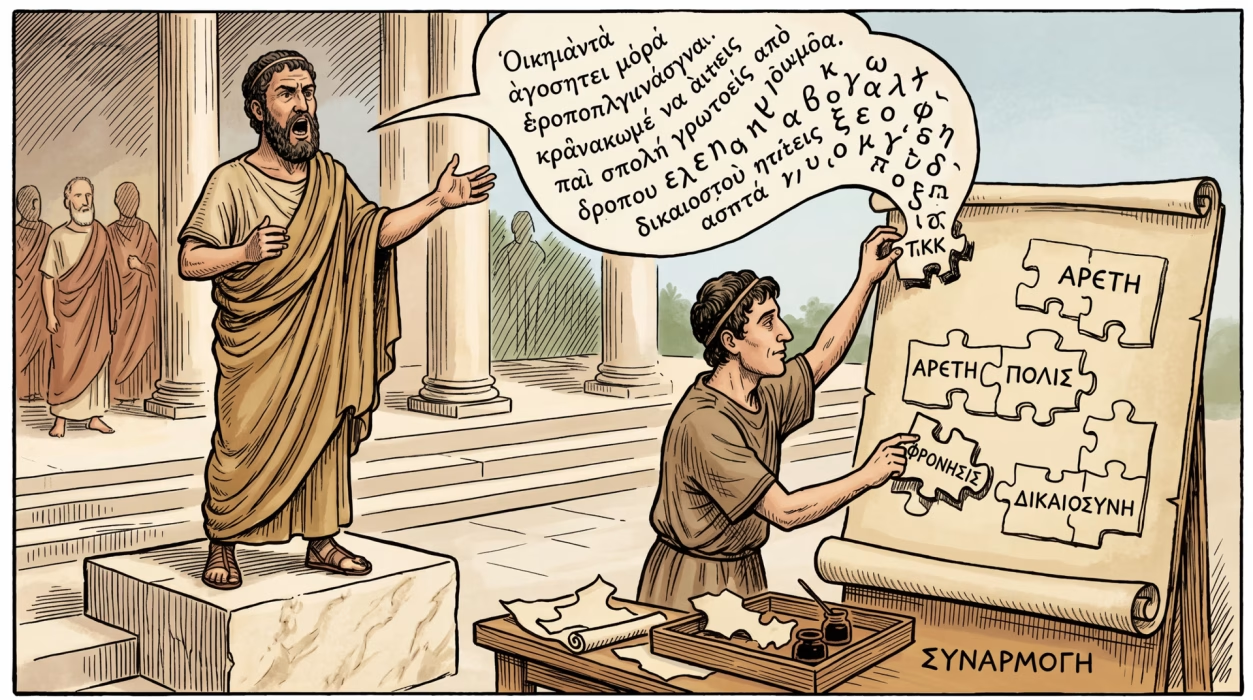
Ads, comics, and movies are not codes in North America but basic languages. That we have not yet begun to teach their grammars is as natural as it is for pre-literate man to ignore the written or visual mode of his language. Grammar comes from the Greek “written.” And education would seem to involve the translation of experience into a new mode.
The Medium Is the Message, (1960), p 24
Year: 1960
Chapters:
Language | Media as Form
Media study, and those that pursue it, should not be regarded as enemies of the book. Au contraire: media studies has a number of insights to offer those who wish to revitalize the library and increase its effectiveness. Discovering the effects of new technologies such as the computer, reprography, microforms and audio-visual equipment are essential to understanding the role of the library today.
“Understanding Media Studies for Librarians” with Robert K. Logan, 1977 typescript, p 3
Year: 1977
In today’s rapidly changing environment, people have two major concerns: to discover the new problems this environment poses, and to develop ways of coping with these problems.
Teacher’s Guide to City as Classroom, 1977, p 1
Year: 1977
Those who can´t read well…would seem to be completely victimized by…sloppy expression of any type, any kind of emotional appeal. They haven't, simply, the tools of discrimination.
1948 CBC radio interview, transcript, p 1
Year: 1948
Taken out of its usual setting and isolated form from “clinical” observation an ad or comic comes to life at the conscious level. Yet at the level of rationality these things are suddenly seen to have a rationale of their own.
Untitled manuscript, dated summer of 1946
Year: 1946
And until we understand the forms projected at us by our technology are greatly more informative than any verbal messages they convey we are going to go on being helpless illiterates in a world we made ourselves.
“A Historical Approach to the Media of Communication” (1955); excerpts from a talk given July 26, 1955, at Teachers College, Columbia University. In Communication Lines (Columbia).
Year: 1955
Chapters:
Wake Them Up! | Warnings
The “content” approach to media and to the testing of media efficacy in teaching and in public relations and politics is, I am reasonably satisfied, derivative from the habit of literacy itself. We would not talk about the “content” of a tune or a melody. But as soon as man learned how to encode the audible in visible terns (writing) he easily began to make divisions between ”form” and “content,” and between thought and feeling, individual and state, and so on. Insofar as these separations correspond to real modes of being we should try to retain them. Insofar as they are fictions and illusions fostered by the subliminal action of media, they need to be considered and criticized with a view to their permanent value. Perhaps we shall learn to cherish some of the fruits of literacy as we might do with precious artifacts of vanished societies. Whether it be possible to retain the fruits of literacy without the soil and tree of literacy would appear to be the test we are now undergoing in the Western world. Certainly we shall learn many new aspects of literacy as we study its intact on the ancient cultures of India and China. For literacy in the West did not slice into ancient civilizations, but struck into tribal societies which wilted under its impact.
Speech to the NAEB, Sept. 23, 1959, reprinted in Cameron McEwen’s blog, McLuhan’s New Sciences.
Year: 1959
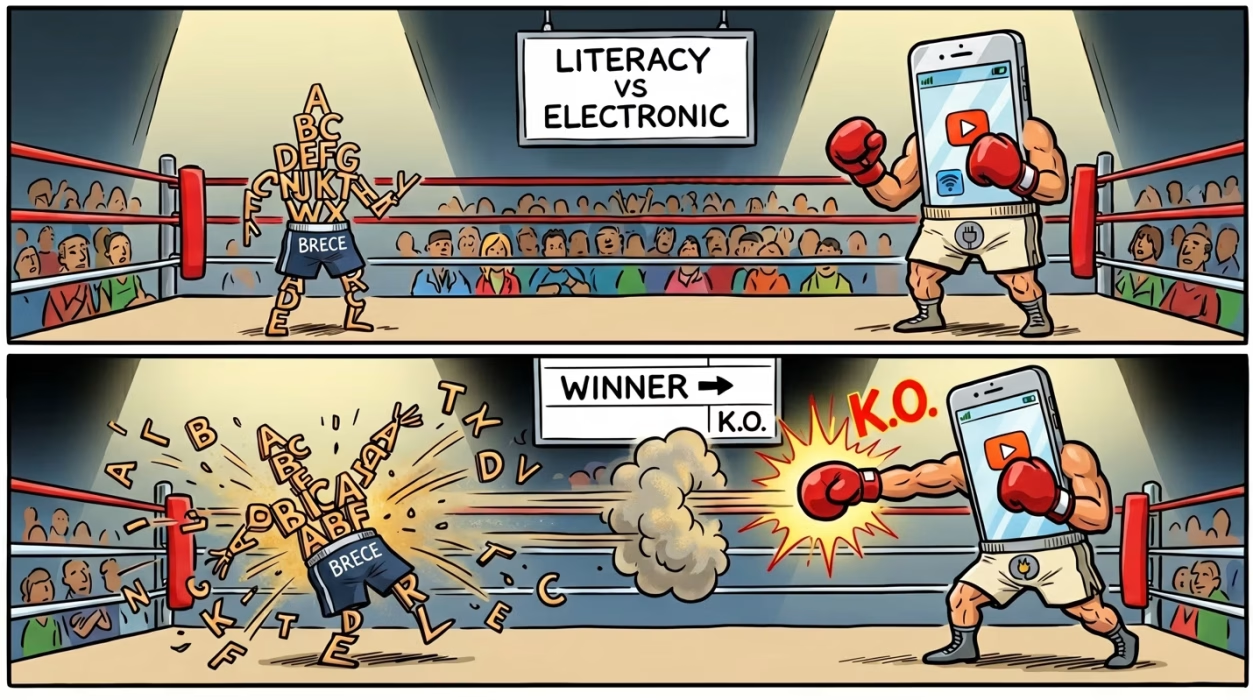
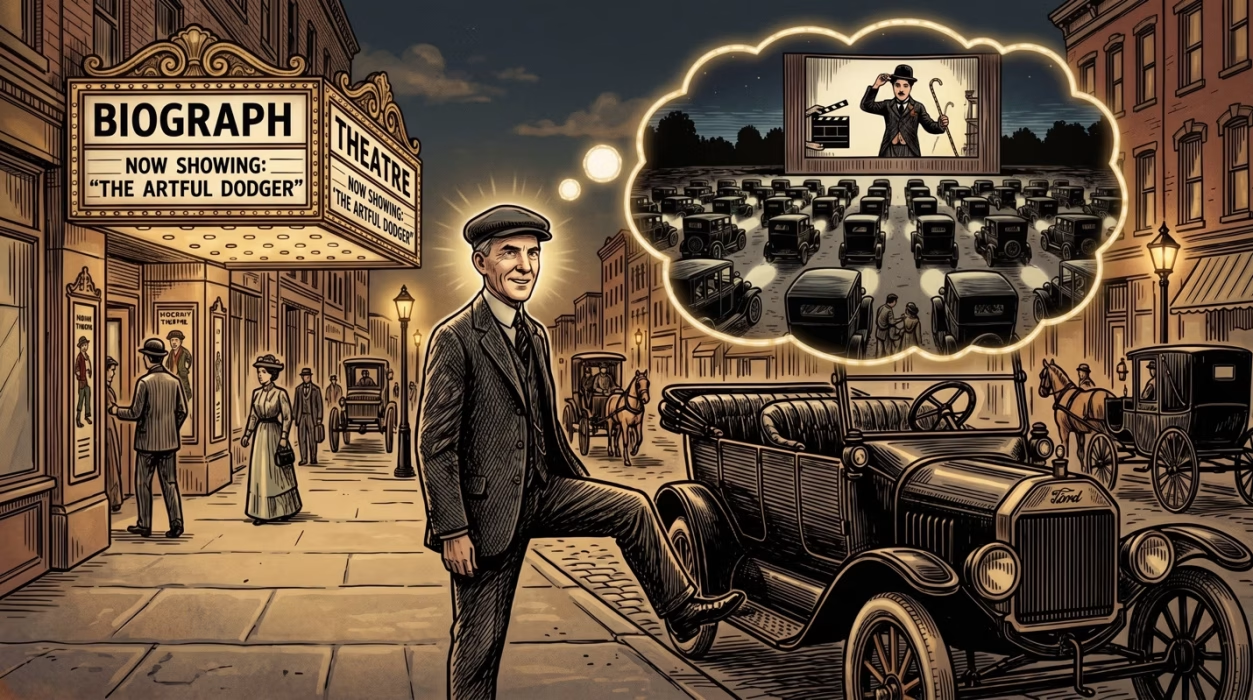


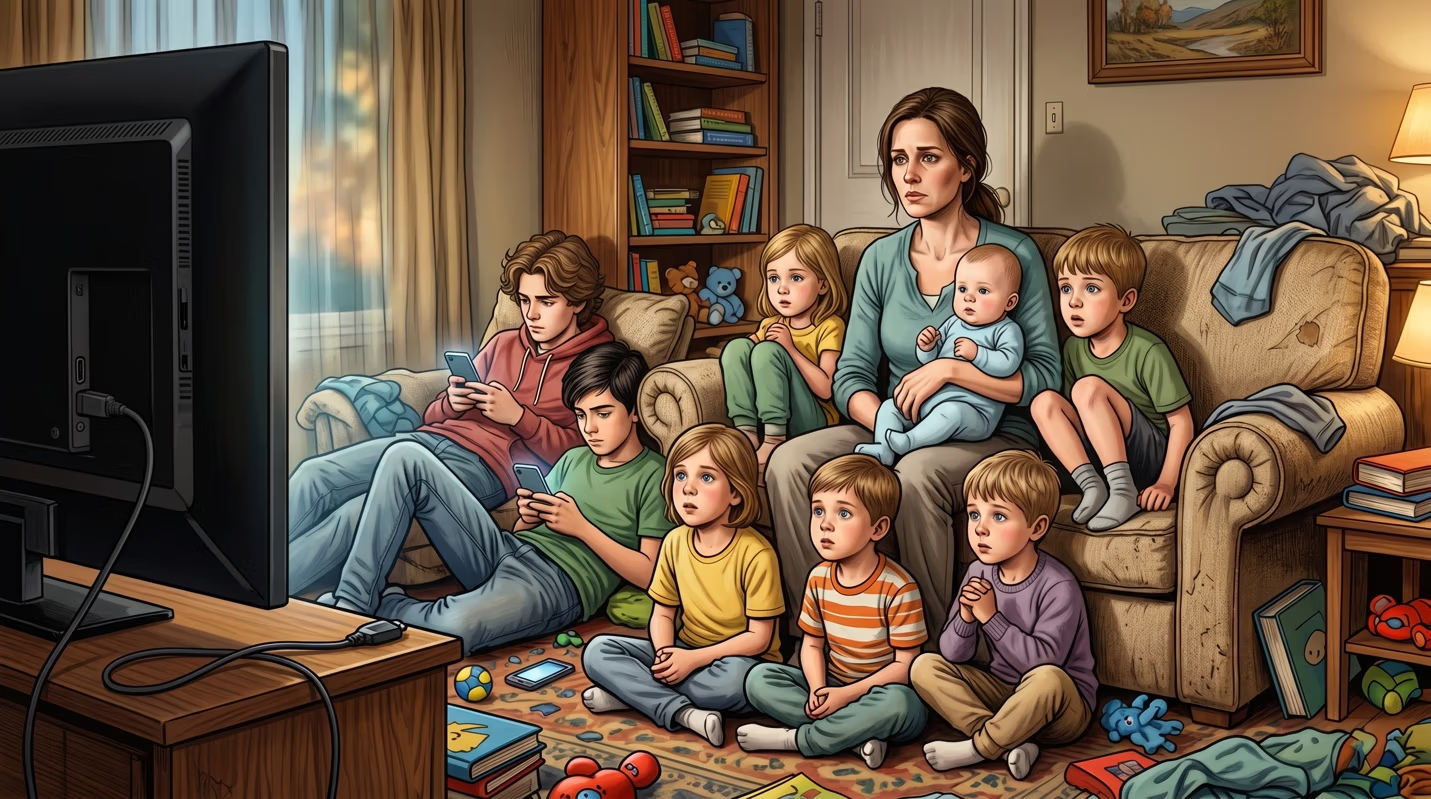
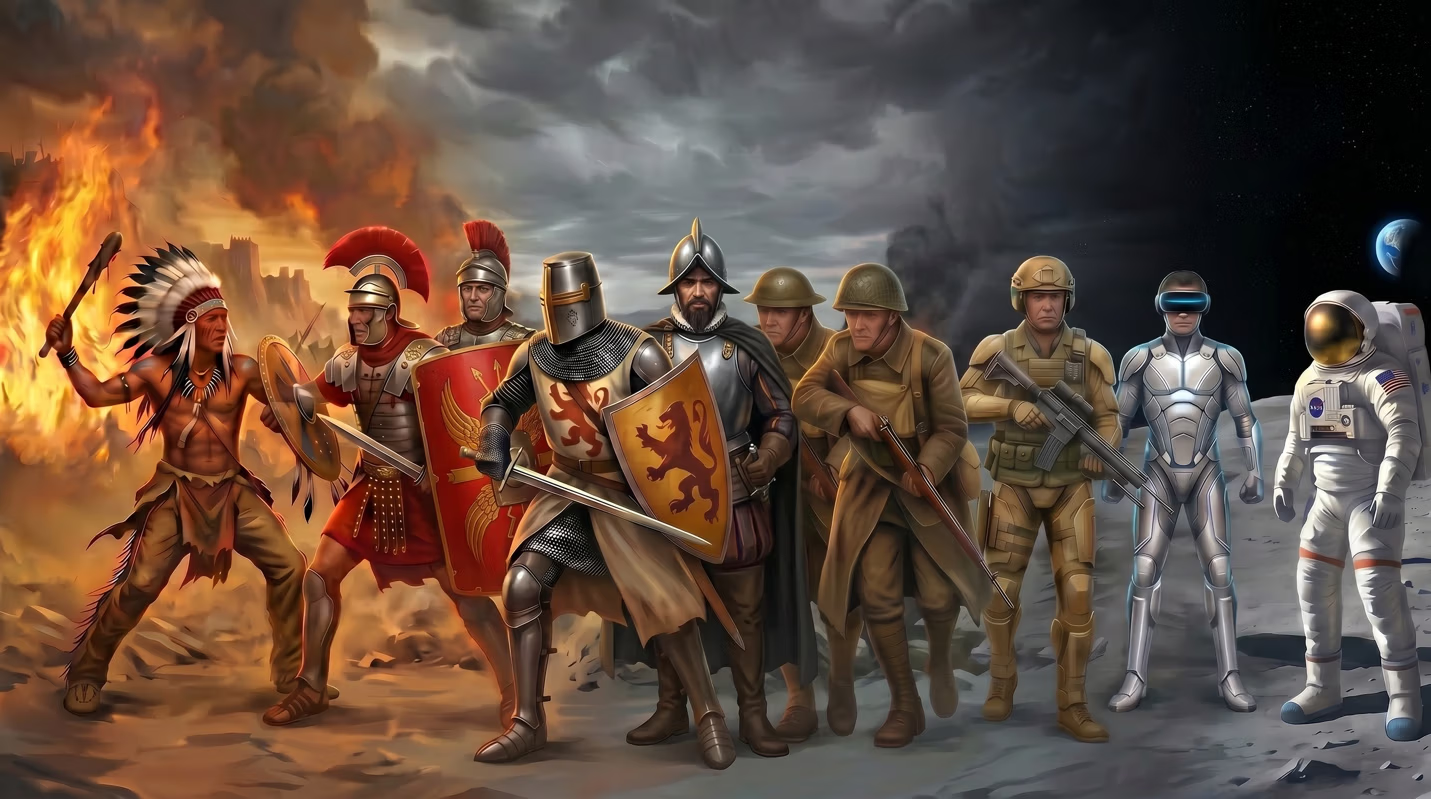

What has happened to the movie since television is better known than what happened to the book after the newspaper, to the book after movies, radio or TV… and if studied not as a change in our view of the movies but as a change in the uses and forms of the movie, much can be learned about the movie, and about television and movie at the same time.
“The Medium Is the Message”, (1960), p 22
Year: 1960
Chapter:
Media Reprocess Media
As our original book technology has been succeeded by movie and television we have lost book literacy without acquiring visual literacy. So now the principle of natural selection unexpectedly favors the Chinese and Japanese, for example; their pictorial mode of writing, once a great disadvantage in relation to the abstract culture of print, now favors them in a world of visual communication.
“A Historical Guide to the Media” (1955), p 104
Year: 1955
Chapters:
Graphic Communication | Iconic