Viewing chapter Museum (28 quotes)
When we live in a museum without walls, or have music as a structural part of our sensory environment, new strategies of attention and perception have to be created.
Through The Vanishing Point with Harley Parker,(1968), p 243
Year: 1968
I wonder why people prefer to think of art as something contained inside something else. Is this the museum mentality?
“The Place and Function of Art" (1976), p 25
Year: 1976
Some years ago I took a cue from Malraux's 'museum without walls' and began to write about, classrooms without walls pointing to the fact that the space of the modem classroom is based on the printed book. The kind of uniform, repeatable enclosure of data from the press made it possible for the first time in history to have the same book in front of teacher and students alike.
“Inside the Five Sense Sensorium (1961)”, reprinted in Empire of the Senses: The Sensual Culture Reader (2005), p 50
Year: 1961
The telephone: speech without walls.
The phonograph: music hall without walls.
The photograph: museum without walls.
The electric light: space without walls.
The movie, radio, and TV: classroom without walls.
Understanding Media (1964), MIT/Routledge edition, p 283
Year: 1964
When we have stretched instant electronic webs around the globe, all the cultures of the world, past and present, become simultaneously accessible. The world becomes a museum without walls.
“The Crack in the Rearview Mirror”, in McGill Journal of Education (1966, Spring), p 32
Year: 1966
[The circuited city of the future] will be an information megalopolis. What remains of the configuration of former “cities” will be very much like World’s Fairs—places in which to show off new technology, not places of work or residence. They will be preserved, museum like, as living monuments to the railway era. If we were to dispose of the city now, future societies would reconstruct them, like so-many Williamsburgs.
The Medium Is the Massage (1967), p 72
Year: 1967
Thus the world itself becomes a sort of museum of objects that have been encountered before in some other medium.
Understanding Media (1964), MIT/Routledge edition, p 198
Year: 1964

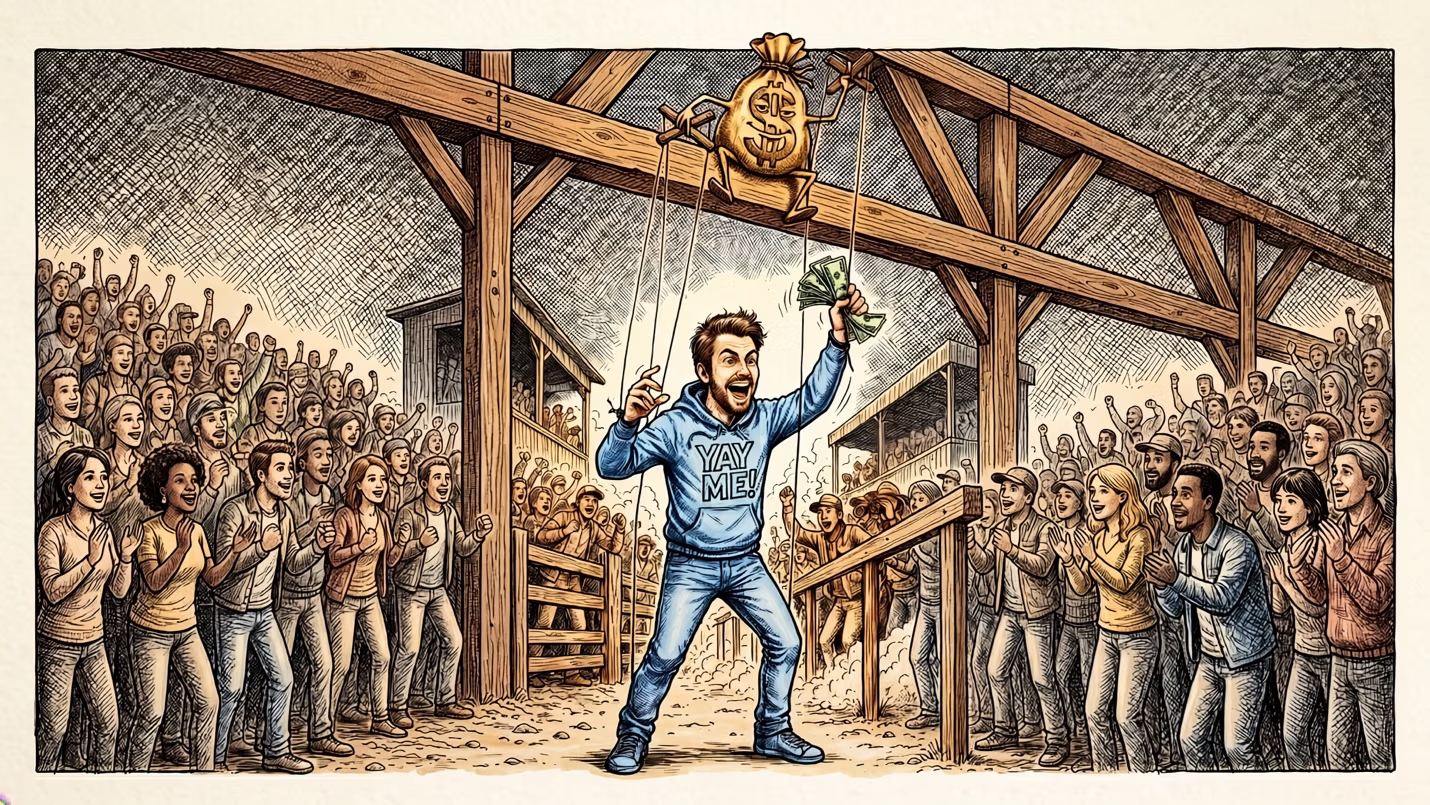
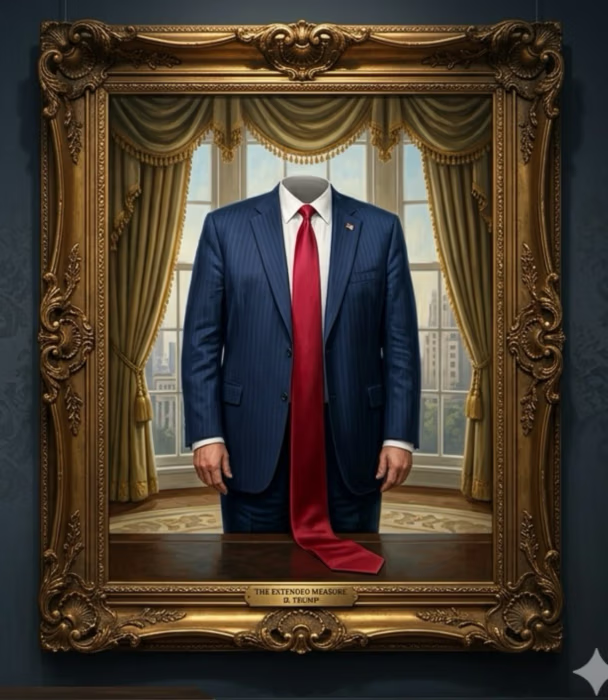
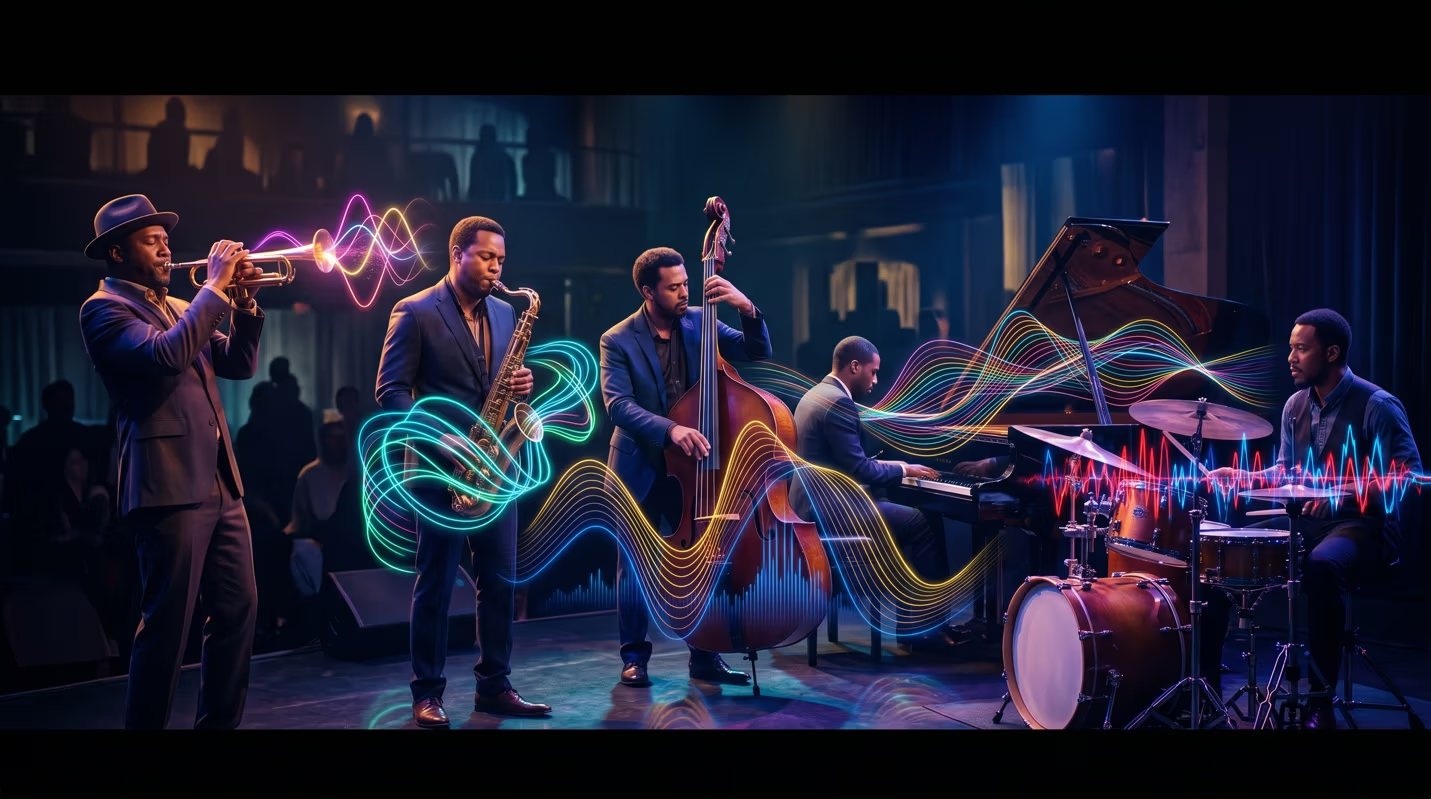
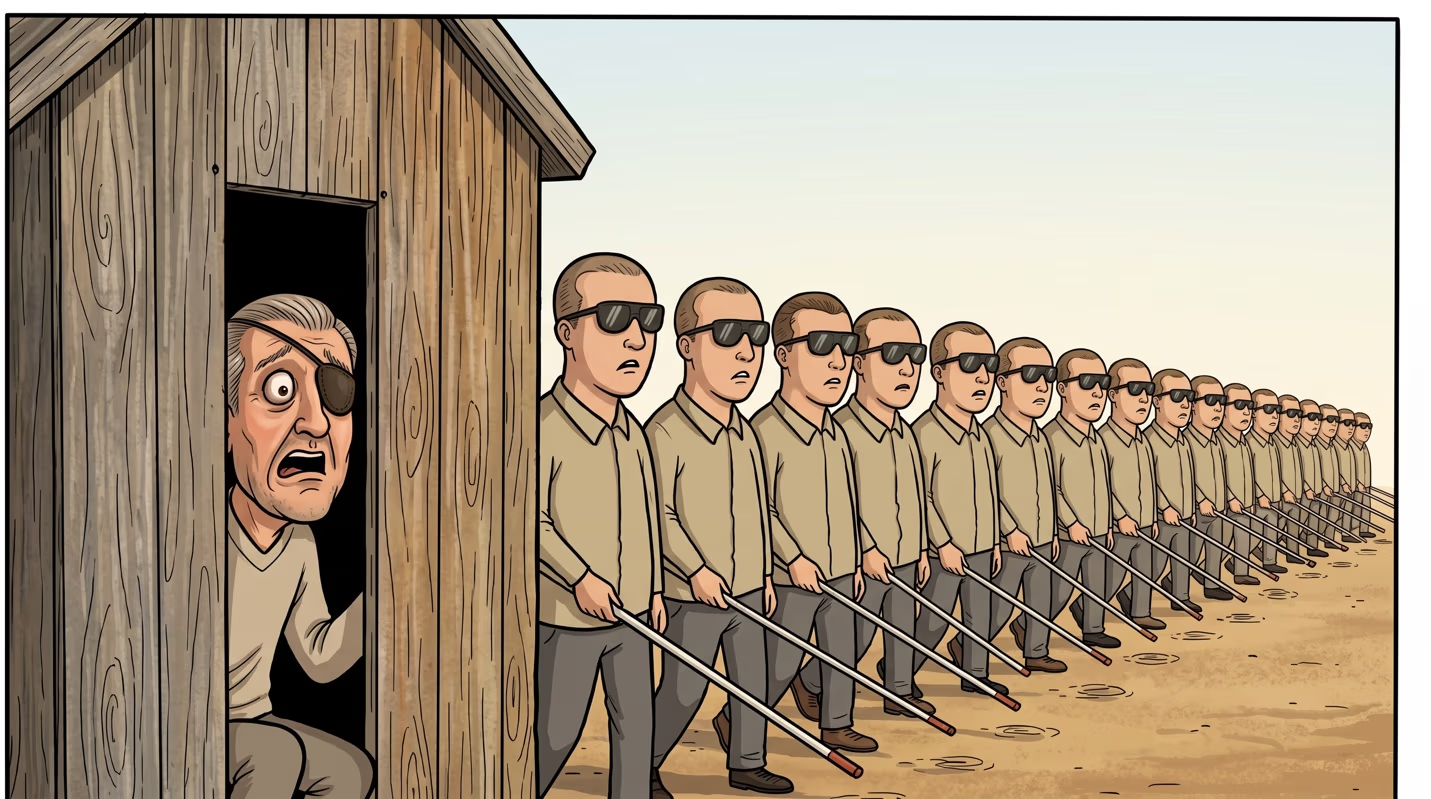
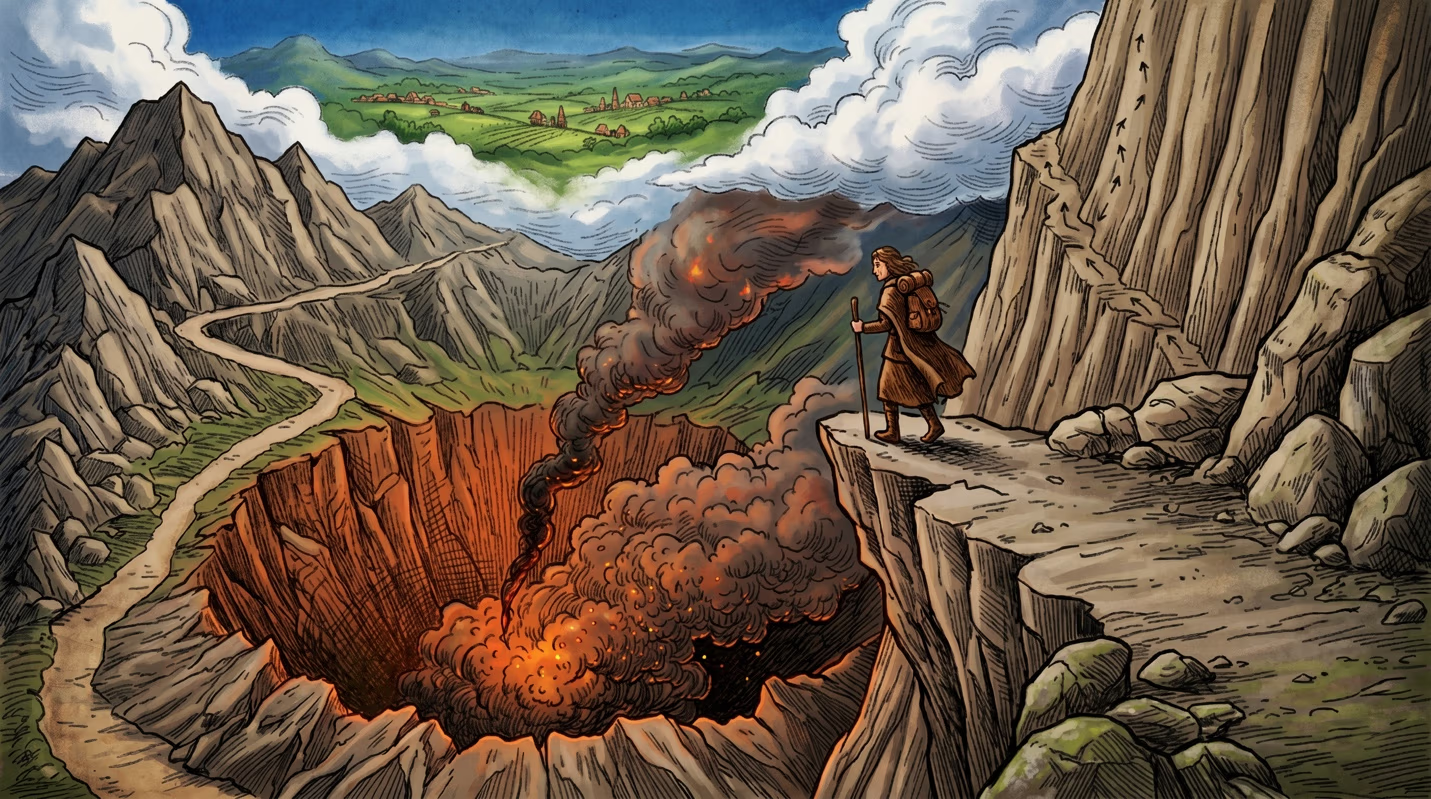
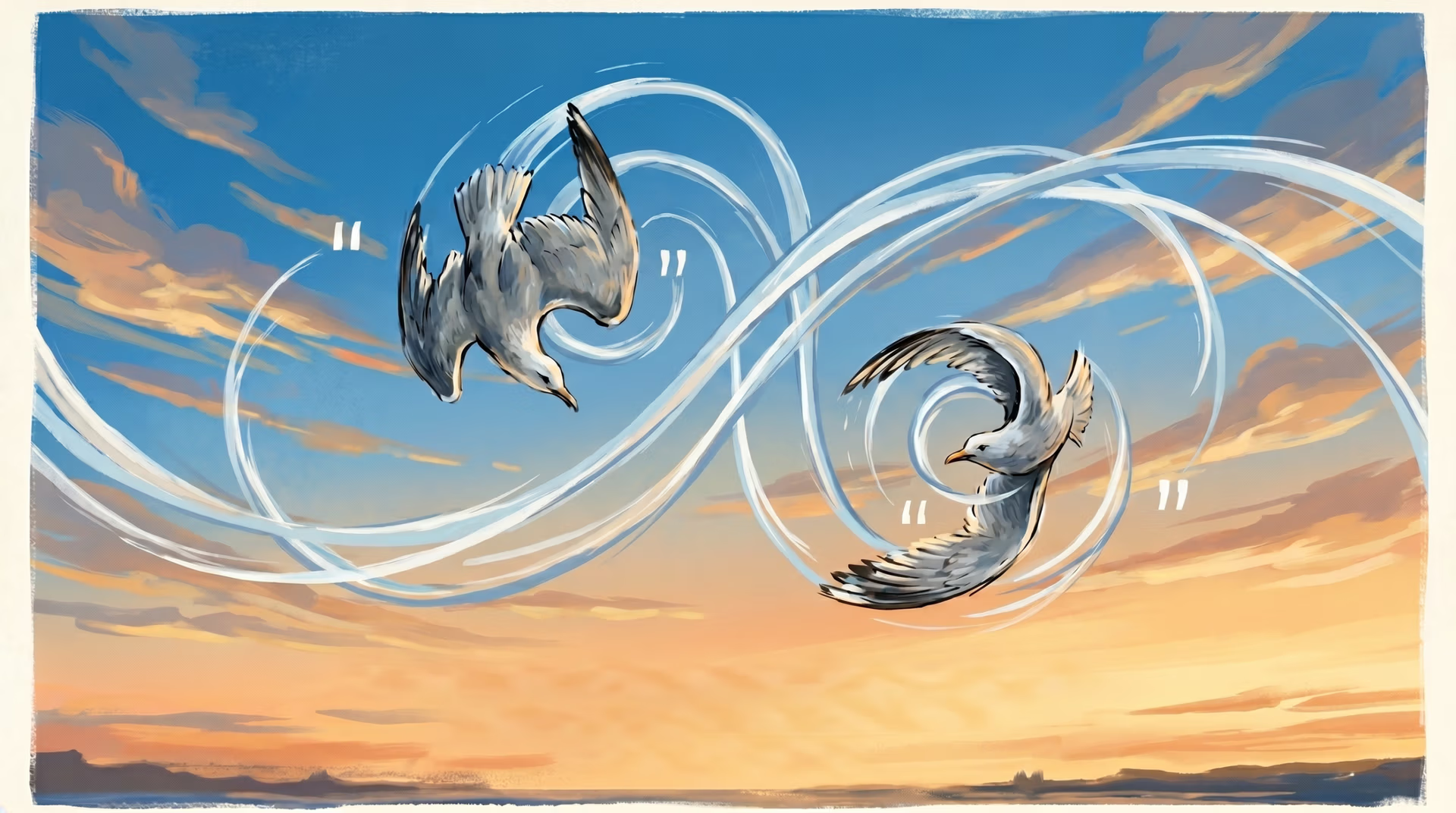
And constant use creates a new hidden environment while simultaneously pushing the old invisible ground into prominence, as a new figure, clearly visible for the first time. Every innovation scraps its immediate predecessor and retrieves still older figures; it causes floods of antiques or nostalgic art forms and stimulates the search for "museum pieces." In such cliche-archetype patterns, the new continually recreates the old as novelty regenerates antiquity.
“The Argument: Causality in the Electric World”, in Technology and Culture, Vol.14, No. 1, January (1973), p 2, reprinted in McLuhan Unbound # 3, (2005), p 7
Year: 1973
Xerox has paradoxically revived a great popular interest in all printed books and
manuscripts. Ian Willison of the Rare Book Department of the British Museum has noted how the reproduction of rare books has become a considerable commercial business since Xerox.
“The Changing Structure of Printing in the Electronic Age” (1974), p 2
Year: 1974
You may know the story about the child who was helping a nun across the street and when they got across, she said, “Thank you, little man.”
And he said, “Ma’am, any relative of Batman is a friend of mine.”
So there is a nice example of pattern-recognition.
And that formalized contour-world of the nun’s costume is close to Batman. It has nothing to do with the content of the two costumes.
A final content-pattern story concerns General DeGaulle being taken around an art museum by his Minister of Culture, Andre Malraux. As they went along, DeGaulle would say, “Now, what’s that one over there?” to Malraux, to which Malraux would say, “Oh, that’s a Renoir.” “Ah,” says DeGaulle. “I think I recognize the next one. That hideous cartoon. That must be a Rouault.” “Oh no sir: that’s a mirror.”
“Information Hunt Looms Big” College and University Journal, Vol 6, No. 2, Spring, 1967, p 7
Year: 1967
What about Charlie, what about the okay more, a responsive environment treatment, you know, the typewriter that you touch the letter “a” and the springs at you from the walls and you hear it, you feel it...what about the possibility of designing for artifacts in museums, also a responsive environments, that in which the audience could experience this participation, that when they had recognized the nature of the artifact, why the bells and buzzers were moving from all over the place? That this kind of recognition, pattern recognition, would then be paid off by the environment, going into action.
Tony Schwartz’s Tape on “The Museum Without Walls” (1967), Youtube Transcript: 13.05
Year: 1967
The planet is now contained inside a man-made environment and has become an archeological museum in itself. The planet is a campus.
“Communism Hard and Soft,” Dewline newsletter 1.6, August, 1969, unnumbered first page
Year: 1969
“[T]he possibility of programming of factory presentations of the forest world is tremendous.”
McLuhan quoted by Richard Shapard in a New York Times, October, 1967 review of the museum seminar headlined by McLuhan and Harley Parker, in The Museum as Large-Room Pinball Machine, Marshall McLuhan, Harley Parker, and Museum Professionals, 1967, full transcript, edited by William Buxton, published 2026, p 12
Year: 1967
Chapter:
Environment
…the museum as a retrieval system for classified objects is not going to be acceptable very long. People now feel the need to have a sense of the total surround of these objects and the total environment that produced them. And the sort of culture that produced them.
The Museum as Large-Room Pinball Machine, Marshall McLuhan, Harley Parker, and Museum Professionals, 1967, full transcript, edited by William Buxton, published 2026, p 65
Year: 1967
If it is moccasins or skis or snowshoes or canoes or railways or motor cars – no matter what the object is historically, it creates for itself a new environment, it enables people to enter into totally new relationships to space.
The Museum as Large-Room Pinball Machine, Marshall McLuhan, Harley Parker, and Museum Professionals, 1967, full transcript of a seminar at the City Museum of New York, October, 1967, edited by William Buxton, published by U. of Alberta Press, 2026, p 65
Year: 1967
…the audience is, after all, the environment that the artifact and the museum have to cope with. An audience is the surround. It is the new environment for the artifact.
The Museum as Large-Room Pinball Machine, Marshall McLuhan, Harley Parker, and Museum Professionals, 1967, full transcript of a seminar at the City Museum of New York, October, 1967, edited by William Buxton, published by U. of Alberta Press, 2026, p 66
Year: 1967
Chapters:
Audience, Public, Mass | Environment
Manhattan is an island and is a museum. It probably should be preserved. Like people on other islands, the Manhattan population has taken to living in discontinuous, tribal space. Unlike any other space I know of except England, the space of Manhattan is discontinuous, nuclear, and pocketlike. “You can’t get there from here.” That is true not only outside, but inside most homes. It’s completely unconscious on the part of the dwellers in that area.
The Museum as Large-Room Pinball Machine, Marshall McLuhan, Harley Parker, and Museum Professionals, 1967, full transcript of a seminar at the City Museum of New York, October 9-10, 1967, edited by William Buxton, published by U. of Alberta Press, 2026, p 98
Year: 1967
What we have been saying is “wrong” with the museum (if you can use that kind of value judgment) is that it isn’t tribal enough. It’s too continuous and connected.
The Museum as Large-Room Pinball Machine, Marshall McLuhan, Harley Parker, and Museum Professionals, 1967, full transcript of a seminar at the City Museum of New York, October, 1967, edited by William Buxton, published by U. of Alberta Press, 2026, p 99
Year: 1967
There is no sense in putting an igloo in a heated space. There’s no use showing off snowshoes behind glass. Right out there you have Alice in Wonderland, the original Dodgson manuscript of it. Then we have the expurgated edition, illustrated by Tenniel, in which all the grammar was cleaned up. … But interestingly, the Lewis Carroll drawing of Alice – this is Alice when she is ten feet tall – starts to distort at the feet. She has little girl’s feet, and the attenuation starts and moves right up through the whole figure…. When you get the Tenniel edition set in type, you get a drawing which, if you cover it from the shoulders down, is a perfectly formed little girl. The only attenuation that Tenniel could manage to achieve, was to lengthen the neck and then, rather frighteningly, he raised the collar to hide it. So there was no real sense of the spaces of Lewis Carroll. And of course, the type bears no relationship to the illustrations…. What I’m simply saying is that Tenniel is a highly literate illustrator who was totally incapable of dealing with the mathematical and non-visual spaces of Lewis Carroll.
The Museum as Large-Room Pinball Machine, Marshall McLuhan, Harley Parker, and Museum Professionals, 1967, full transcript of a seminar at the City Museum of New York, October 9-10, 1967, edited by William Buxton, published by U. of Alberta Press, 2026, pp 99-100
Year: 1967
Chapter:
Linear and Nonlinear
Our new computer world is an extension of our nervous system into a total environment, not just around the planets but around the cosmos. What the muse of the computer will be, heaven knows. But the muses are the human faculties, mental, spiritual, sensory, extended out into the environment. A museum is then, presumably, a collection of all of them into a kind of consciousness.
The Museum as Large-Room Pinball Machine, Marshall McLuhan, Harley Parker, and Museum Professionals, 1967, full transcript of a seminar at the City Museum of New York, October, 1967, edited by William Buxton, published by U. of Alberta Press, 2026, p 104
Year: 1967
Chapters:
Computer | Extension Theory
[Standing in a museum with a group before reproduction of abdominal organs] A name is, in a sense, a numbing of perception. When you’re with a group, I don’t know any way of having a private reaction. That display creates numbness. You can’t produce a group reaction for a private thing. The layout is for an individual, not for a group.
The Museum as Large-Room Pinball Machine, Marshall McLuhan, Harley Parker, and Museum Professionals, 1967, full transcript of a seminar at the City Museum of New York, October, 1967, edited by William Buxton, published by U. of Alberta Press, 2026, p 115
Year: 1967
Chapter:
Names, Naming
[Walking with a group through the Hall of North American Forests]. These are all very pleasing exhibits, but you might as well be turning the pages of a book.
The Museum as Large-Room Pinball Machine, Marshall McLuhan, Harley Parker, and Museum Professionals, 1967, full transcript of a seminar at the City Museum of New York, October, 1967, edited by William Buxton, published by U. of Alberta Press, 2026, p 115
Year: 1967
Chapter:
Book
[In a museum gallery being developed to showcase saltwater tidal flats] It’s environmental, as far as you go, particularly environmental – but somehow or other, fragments of environment. [to the Guide] How about odours? In this kind of an environment, the overwhelming effect that balsam and pine and resinous odours have would be great.
The Museum as Large-Room Pinball Machine, Marshall McLuhan, Harley Parker, and Museum Professionals, 1967, full transcript of a seminar at the City Museum of New York, October 9-10, 1967, edited by William Buxton, published by U. of Alberta Press, 2026, p 115
Year: 1967
What you’re really saying is: How can we arrange a museum or an art gallery so it gives people that sensation of power, of tremendous new discovery, of insight and perception? I think it is possible. That’s what Harley [Parker] was trying to do with his juxtaposition, trying to rub one thing against the other to release the sense of discovery.
The Museum as Large-Room Pinball Machine, Marshall McLuhan, Harley Parker, and Museum Professionals, 1967, full transcript of a seminar at the City Museum of New York, October, 1967, edited by William Buxton, published by U. of Alberta Press, 2026, p 154
Year: 1967
Chapter:
Discovery
I think many of you have read [Edward] Hall’s Hidden Dimension, which simply refers to the fact that much of what is completely hidden is that which ordinarily surrounds us, with which we live day by day. We deliberately refuse to perceive this, in order to feel more comfortable. …., He has fascinating illustrations of this principle. One that first comes to mind is the Arab world, where he discovered that good taste in personal relations is at a distance of eight inches. Unless you can smell the other person every moment you see him and speak to him, he considers you hostile. Good taste there means smelling the person you speak with at all times, not just looking at him and not just handling him, but smelling. Hall calls [the ideal proximate distance for relations] “the hidden dimension” and I think there is a distance which is ideal for every artifact and view. There is a distance that will reveal it, that will turn you on and make you feel that this is an exciting breakthrough. This distance is not the same for any two people or any two artifacts. But it is possible to discover it by experiment. What you’re really saying is: How can we arrange a museum or an art gallery so it gives people that sensation of power, of tremendous new discovery, of insight and perception? I think it is possible. That’s what Harley [Parker] was trying to do with his juxtaposition, trying to rub one thing against the other to release the sense of discovery.
The Museum as Large-Room Pinball Machine, Marshall McLuhan, Harley Parker, and Museum Professionals, 1967, full transcript of a seminar at the City Museum of New York, October, 1967, edited by William Buxton, published by U. of Alberta Press, 2026, p 156
Year: 1967
Chapters:
Environment | Space
This reminded me of Sigfried Giedion, whose work I have followed since 1939. He was in St. Louis then, giving the lectures that were published as Space, Time and Architecture. I became acquainted with him and have known him ever since. … Giedion’s whole approach to art and technology is environmental. He called the environment non-museum history, because people are always unaware of it. Now the study of environments as a new perception and new teleology is his theme; so the secret of Giedion is indispensable in the context of here and now. His whole approach to the study of changing styles in art and architecture is something I have taken for granted since ’39, when I first met him. It was all new to me then. … So perhaps I have taken too much for granted. This Giedion approach (like Hall’s educational approach, which we mentioned earlier, to the hidden dimensions of experience) is one which seems to me indicated for our time.
The Museum as Large-Room Pinball Machine, Marshall McLuhan, Harley Parker, and Museum Professionals, 1967, full transcript of a seminar at the City Museum of New York, October 9-10, 1967, edited by William Buxton, published by U. of Alberta Press, 2026, p 161
Year: 1967
MCLUHAN: What about the possibility of designing for artifacts in museum environments that are also responsive, in which the audience could experience this participation? So that when they had recognized the nature of the artifacts, why the bells and buzzers would ring from all over the place! HARLEY PARKER: Pinball machine? MCLUHAN: Yeah. PARKER: Large-room pinball machine.
The Museum as Large-Room Pinball Machine, Marshall McLuhan, Harley Parker, and Museum Professionals, 1967, full transcript of MOVIES a seminar at the City Museum of New York, October, 1967, edited by William Buxton, U. of Alberta Press, 2026, pages 70-71
Year: 1967
Chapter:
Environment
What is your concept of the happening in relation to museums? Are museums happenings in the new sense of the word?
The Museum as Large-Room Pinball Machine, Marshall McLuhan, Harley Parker, and Museum Professionals, 1967, full transcript of a seminar at the City Museum of New York, October, 1967, edited by William Buxton, U. of Alberta Press, 2026, p 174
Year: 1967
Chapter:
Questions He Asks