Viewing chapter Participation (27 quotes)
MISSING QUOTE
Man and Media,” lecture delivered at York University, Toronto, (1979), in Understanding Me (2003), p 285
FLAG: NEED QUOTE
FLAG: NEED QUOTE
Year: 1979
Chapter:
Pattern Recognition
The interior landscape, however, moves naturally towards the principle of multiple perspectives as in the first two lines of The Waste Land, where the Christian Chaucer, Sir James Frazer, and Jessie Weston are simultaneously present. This is “cubist perspective” which renders, at once, a diversity of views with the spectator always in the center of the picture, whereas in picturesque art the spectator is always outside. The cubist perspective of interior landscape typically permits an immediacy, a variety and solidity of experience denied in the picturesque and to Tennyson.
“Tennyson and Picturesque Poetry” (1955), in Essays in Criticism, Vol 1, No 3, July (1951), p 281-282, reprinted in The Interior Landscape The Literary Criticism of Marshall McLuhan, (1969), p 155
Year: 1955
Chapters:
Cubism | Perspective, Point of View
It was the funeral of President Kennedy that most strongly proved the power of television to invest an occasion with the character of corporate participation”
The Gutenberg Galaxy: The Making of Typographic Man , (1962), p 125
Year: 1962
Chapter:
Television
As Joyce expressed it in the Wake, "My consumers are they not my producers?" Consistently, the twentieth century has worked to free itself from the conditions of passivity, which is to say, from the Gutenberg heritage itself. And this dramatic struggle of unlike modes of human insight and outlook has resulted in the greatest of all human ages, whether in the arts or in the sciences.
The Gutenberg Galaxy: The Making of Typographic Man, (1962), p 278 Found in Participation & Trudeau sections
Year: 1962
Chapter:
Joyce, James
The business of art is no longer the communication of thoughts or feelings which are to be conceptually ordered, but a direct participation in an experience. The whole tendency of modern communication...is towards participation in a process, rather than apprehension of concepts.
“Letter to Harold Adam Innis, March 14 1951”, in Letters of Marshall McLuhan (1987), p 221
Year: 1951
Ours is the Age of Implosion, of inclusive consciousness and deep personal involvement.
“The Emperor’s Old Clothes”, (1966), reprinted in McLuhan Unbound #20, (2017),p 41
Year: 1966
The more you know about the public the more they take over the show.
Interview with Peter C. Newman, originally done in 1972, published in Macleans in 2013 [include details]
Year: 1972
Chapters:
Audience, Public, Mass | McLuhanisms & Zingers
Mysteriously, people were fascinated by hula hoops as an invitation to involvement and gyration, but nobody was ever seen rolling one in the approved style of the hoop and stick of yesteryear. When exhorted by their elders to roll these hoops down a walk, children simply ignored the request.
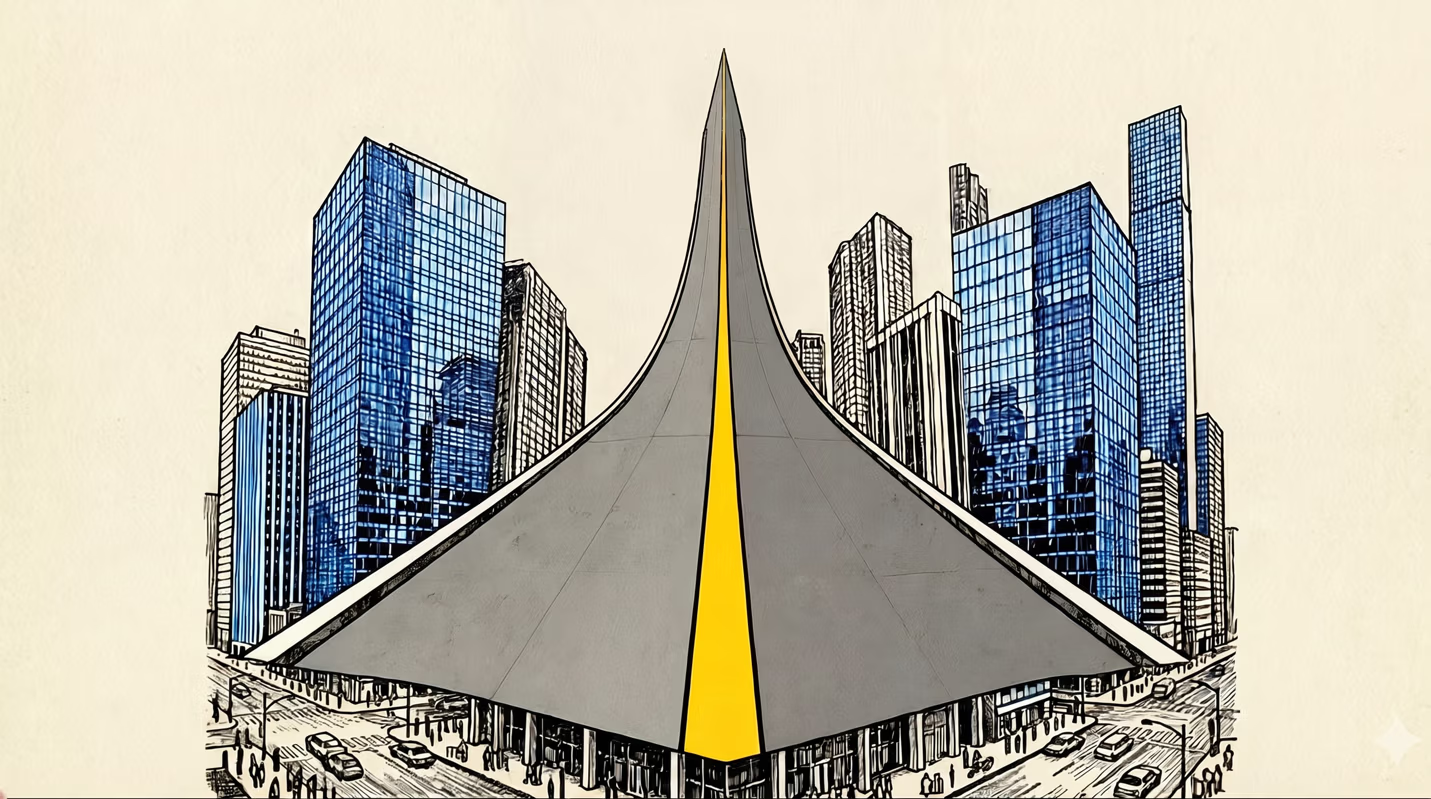
Through the Vanishing Point with Harley Parker (1968), p 258
Year: 1968
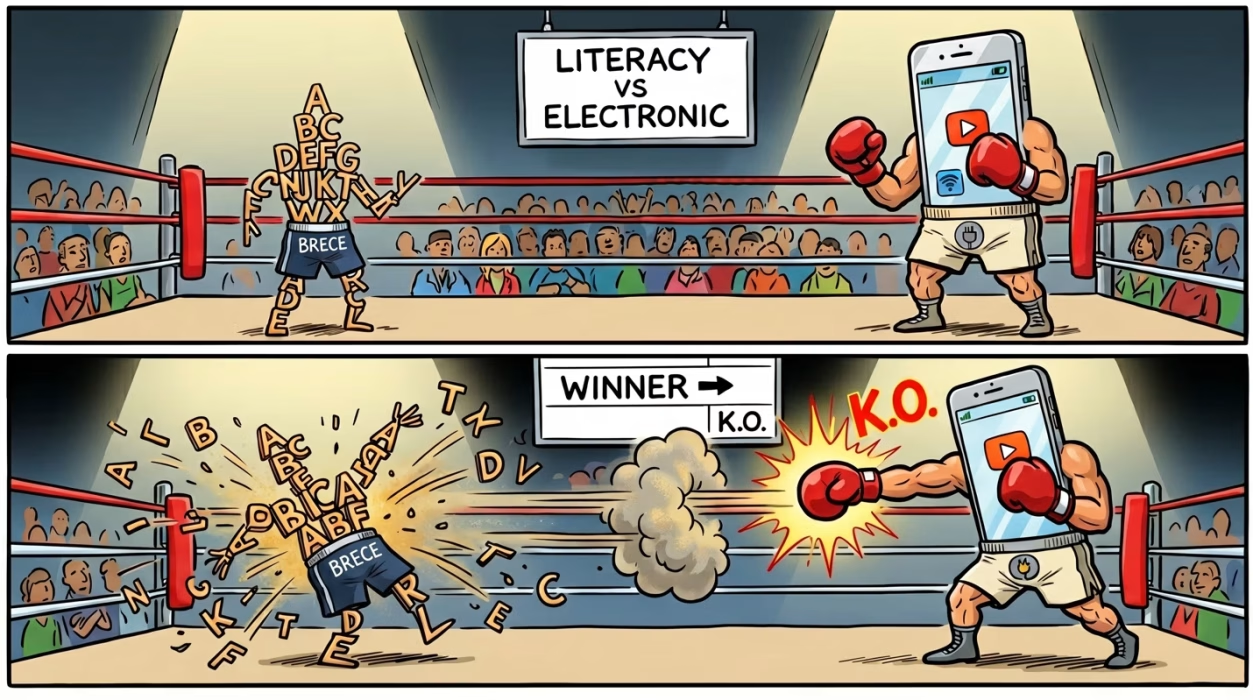

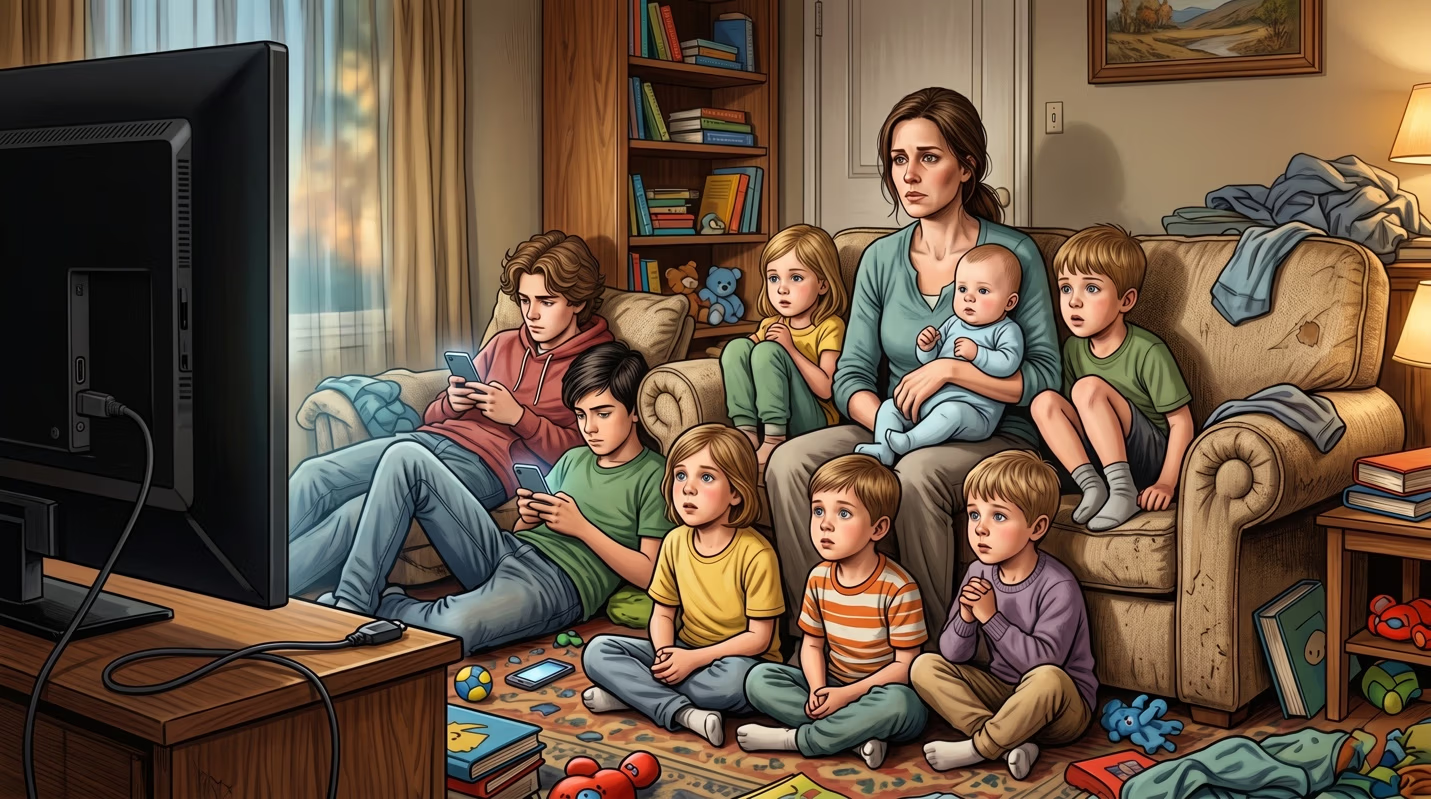
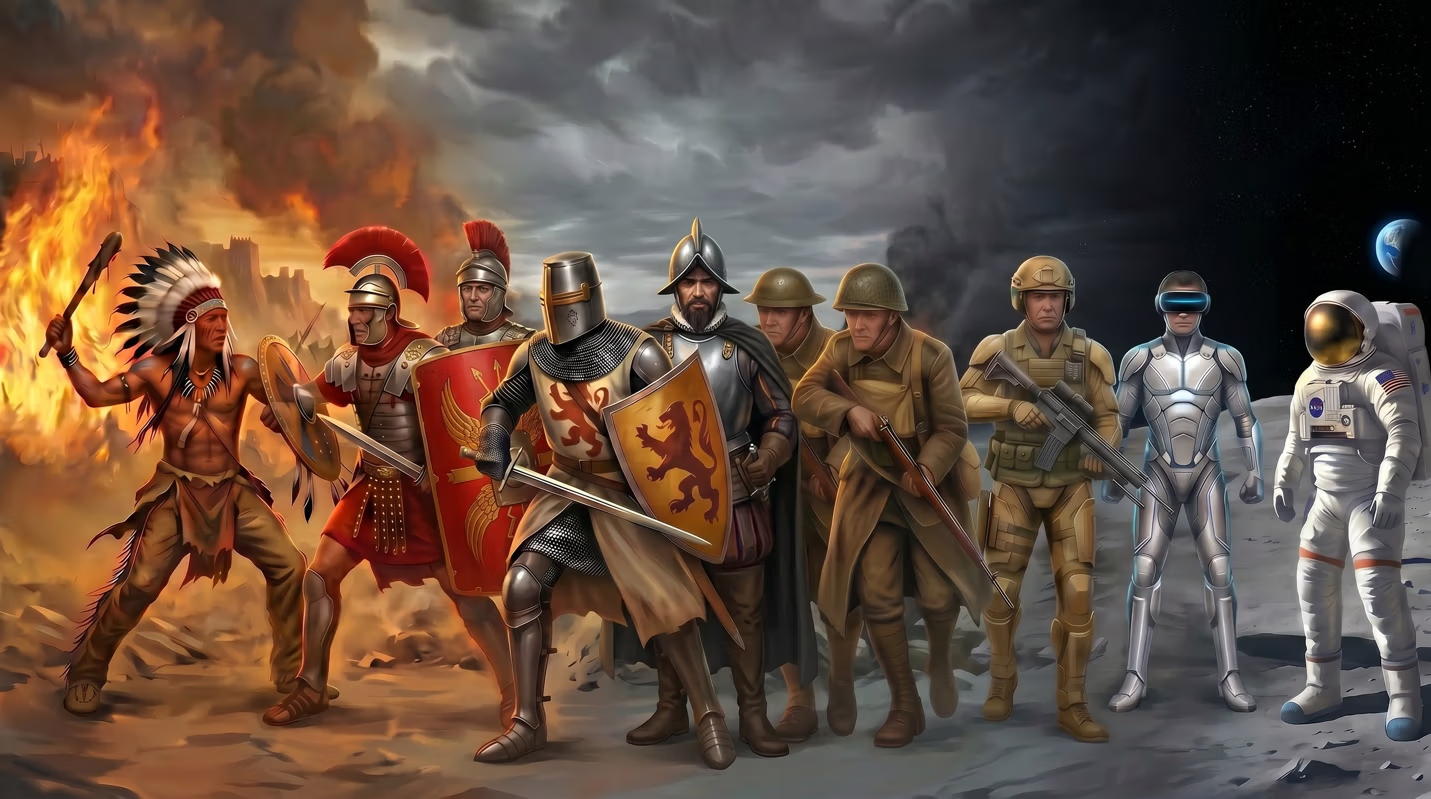
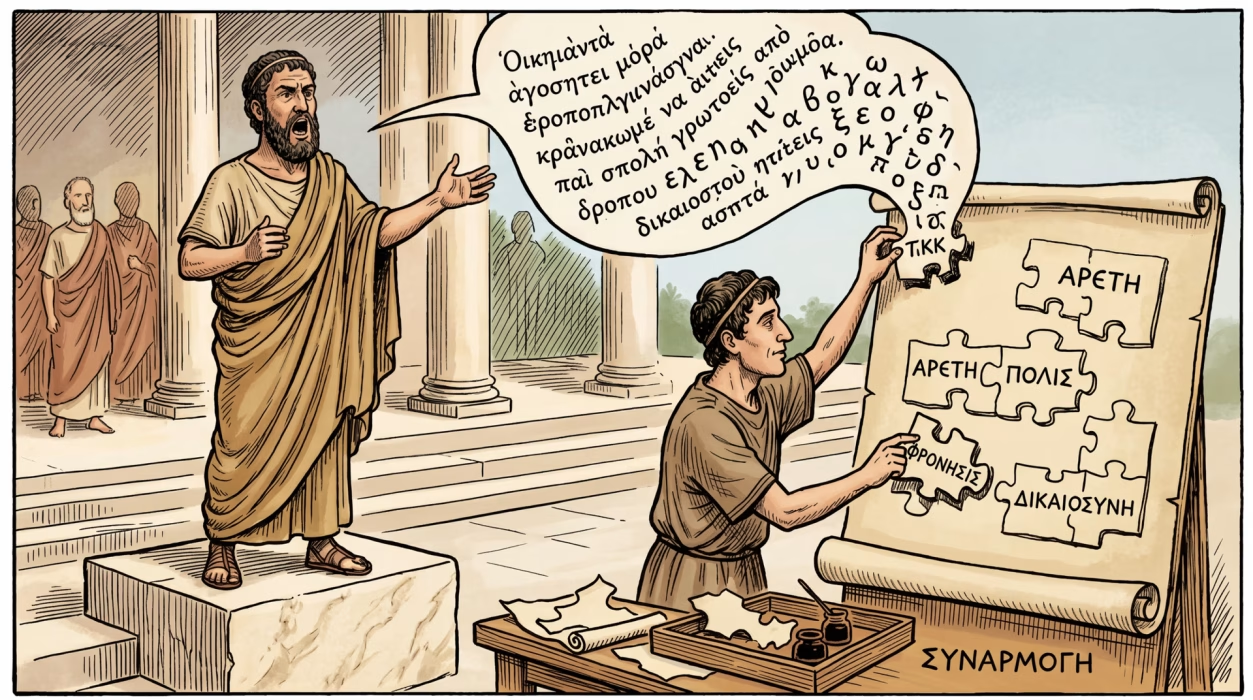

I would sum this up by simply saying that when you have a new kind of information pattern surrounding all individuals and all groups, their basic attitudes towards one another, toward work and play, toward production and consumption, these attitudes are all changed too. And the overall change is that the consumer insists on a larger role, creatively, and wants to become more and more a producer, at all levels. This means that we are, increasingly, insisting upon a do-it-yourself world, whether in decision-making, or in consumer goods; and that on the overall pattern of social life, we are retribalizing, after centuries of detribalizing; and that whereas we accomplished detribalization by literacy and segmental analysis of all thought, action and production, we are accomplishing our retribalization by the simultaneous, by the electronic, which tends to put us in a kind of auditory world, or field, of simultaneous sound in which the Intuitive Man takes precedence over the Analytic Man.
“To Edward S. Morgan” (May 16, 1959), in Letters of Marshall McLuhan, p 255
Year: 1959
One of the most successful genres of this age is the book title itself as a “youdunit.” It involves the reader in such titles as: Time and Western Man;... The Revolt of the Masses;... The Organization Man;... Space, Time and Architecture;... The Hidden Persuaders;... The Death of God;.... Replacing the encyclopedias of earlier centuries, such books are all “guides to understanding”.
From Cliché to Archetype with Wilfred Watson (1970), p 90-91
Year: 1970
With TV, Shakespeare’s “All the world’s a stage” flips into “All the stage is a world”, in which there is no audience and everybody has become an actor, or participant.
“Allt eh Stage Is a World In Which There Is No Audience,” in Innis Herald, April, 1978
Year: 1978
Chapter:
Chiasmus, Flips, Reversals
When Sputnik went around the planet in 1957 the earth became enclosed in a man-made environment and became thereby an “art” form. The globe became a theatre enclosed in a proscenium arch of satellites. From that time the “audience” or the population of the planet became actors in a new sort of theatre. Mallarmé had thought that “the world exists to end in a book.” It turned out otherwise. It has taken on the character of theatre or playhouse. Since Sputnik the entire world has become a single sound-light show. Even the business world has now taken over the concept of “performance” as a salient criterion.
"Roles, Masks and Performances” (1970), in New Literary History, Vol. II, No. 3, 1971, p 528-529
Year: 1970
So shaped in the new participational mode, the entire population suddenly develops a distaste for the older consumer values, and insists on new design in which the consumer is an integral part of the making process. With the TV image, our age-old separation of senses and functions terminates.
A "Sheet" ( February 27, 1962), in Letters of Marshall McLuhan (1987) p 287
Year: 1962
The intermittent “beep” of a police car is much more involving than the shrill, continuous wail of a siren. Mist on the moors, in the same way, poetically, invites more participation than sunshine, and the poetry of suggestion is far more potent than the poetry of statement.
“Medium Meaning Message” (1974), p 32
Year: 1974
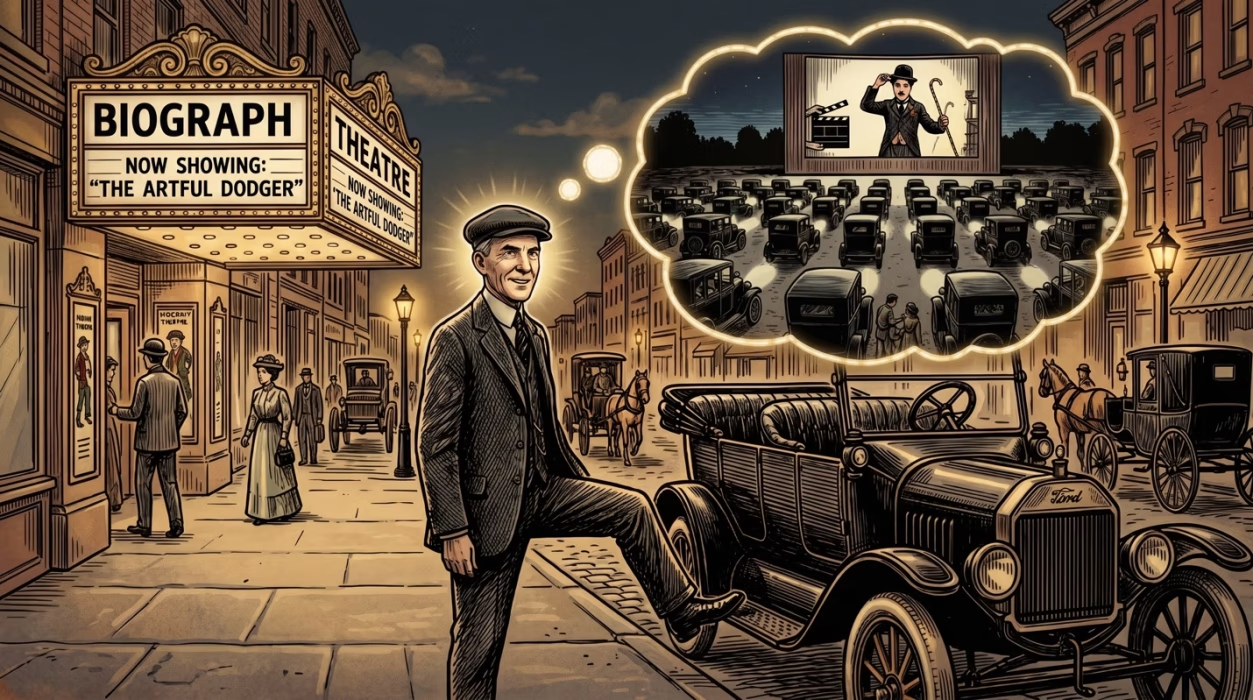
[Of P.T. Barnum’s style of news] As the noisy champion of the ordinary man, this kind of newspaper invites reader participation in its triumphs. It appeals to the Jeffersonian enmity toward federal centralization and corporations while being itself a vast bureaucratic corporation. It consolidates its Hamiltonian practice of centralism by folksy, Frank Capra scenes and columnists. This urgent appeal to have the cake and eat it, too, is widely prevalent in the myth patterns of emotional tensions of industrial society. It is perfectly expressed in Henry Ford’s dream of a rural-village Utopia to be achieved by mass production – the nostalgia for a past which evades the inner logic of the inventions of the world to which it has contributed so much.
The Mechanical Bride (1951), p 5
Year: 1951
She [Florence Nightingale] became a symbol to the British people of the miseries of the soldiers and of the general squalor and horror. It was the fact that [the British] got daily reports of events [in the Crimean war] as they were happening that created the tremendous participation of the public in these events.
Prospect, 1962, p 363
Year: 1962
Chapter:
News
There is no "meaning" in the news except what we make — there is no connection between any of the items except the instant dimension of electric circuitry. News items are like the parts of the symbolist structure. The reader is the co-creator, in a newspaper as in a detective story, in which the reader has to make the plot as he goes. The detective story was one of the very first anticipations of electric technology. Edgar Allan Poe was a considerable innovator in the matter of antienvironments for the Electric Age.
“Address at Vision 65” (1966), in Essential McLuhan (1995), p 227
Year: 1966
News items are like the parts of the symbolist structure. The reader is the co-creator, in a newspaper as in a detective story, in which the reader has to make the plot as he goes. The detective story was one of the very first anticipations of electric technology.
“Address at Vision 65” (1966), in Essential McLuhan (1995), p 227
Year: 1966
A new form of “politics” is emerging, and in ways we haven’t yet noticed. The living room has become a voting booth. Participation via television in Freedom Marches, in war, revolution, pollution, and other events is changing everything.
The Medium is the Massage with Quentin Fiore, 1967, p 22
Year: 1967
The shock of recognition! In an electric information environment, minority groups can no longer be contained—ignored. Too many people know too much about each other. Our new environment compels commitment and participation. We have become irrevocably involved with, and responsible for, each other.
The Medium is the Massage with Quentin Fiore, 1967, p 22
Year: 1967
Chapter:
Global Village
Basically, the reason is that the mosaic mesh of the TV image compels so much active participation on the part of the viewer that he develops a nostalgia for pre-consumer ways and days.
Understanding Media, 1964, MIT/Routledge, p 23
Year: 1964
Chapter:
Image
Likewise, in reading a detective story the reader participates as co-author simply because so much has been left out of the narrative.
Understanding Media, 1964, MIT/Routledge, p 29
Year: 1964
Perhaps it was the Kennedy funeral that most strongly impressed the audience with the power of TV to invest an occasion with the character of corporate participation.
Understanding Media, 1964, MIT/Routledge, p 337
Year: 1964
The funeral as a corporate process caused even the image of sport to pale and dwindle into puny proportions.
Understanding Media (1964) MIT/Routledge, p 337
Year: 1964
It was the funeral of President Kennedy that most strongly proved the power of television to invest an occasion with the character of corporate participation. It involves an entire population in a ritual process.
The Medium Is the Massage (1967), p 125
Year: 1967
Chapter:
Television
Western individualism, which allows an actor to take any part at any time, as if he were a substitute for the author's point of view, stands in contrast to the Kabuki theatre, for example. In this theatre, as in the NOH play, the audience as participants may go on the stage and offer the actor a cup of tea after a very long dialogue.
“Roles, Masks, and Performances” (1971) in McLuhan Unbound (2017), p 6
Year: 1971
Just as the Japanese insist that it is not the tea but the ritual that gives meaning, Dr. Kormos [from a New York Times series on prevalent drug taking] suggested that it is the procedure of group Participation and sharing of the drug that lends "a sense of belonging and Identity that may be more important to the student than the effect of the drug."
War and Peace in the Global Village, 1968, p 82
Year: 1868
Expo 67 is a mosaic. There are no connections between any of the parts. It has no story line. Everybody can get into the act. They’re not being given any organized image of anything…. There are a few exceptions in some of the pavilions. Most of the pavilions have no products, no exhibits, no projects, except Russia’s. They’re desperately trying to have a nineteenth century at last, and so they’ve filled their pavilion with products, which is what we used to do in our world’s fairs. It was. A world of produce, not of process. Expo is a world of process, not of products.
The Museum as Large-Room Pinball Machine, Marshall McLuhan, Harley Parker, and Museum Professionals, 1967, full transcript of a seminar at the City Museum of New York, October, 1967, edited by William Buxton, published by U. of Alberta Press, 2026, p 88
Year: 1967
Chapter:
Discontinuity