Viewing chapter Perception (8 quotes)
“THE FIRST THING IS TO ACQUIRE PERCEPTION. GAIN UNDERSTANDING THOUGH IT COST YOU ALL YOU HAVE.” (Proverbs 1:2)
Marshall McLuhan
Printed page inside a frame by the door to the seminar room at MM’s Centre for Technology and Culture coach house; his own translation/interpretation of the biblical verse, which is translated quite differently in most bibles.
Chapter:
Perception
The discovery that languages are not channels like the telegraph for little messages but basically forms of perception and association by perception has been a tremendous revolution in literature.
‘The Meaning of TV to Children’, 1965, p 2
Year: 1965
Our sensory modes are constituents, not classifications. I am simply identifying modes of experience. We need new perceptions to cope. Our technologies are generations ahead of our thinking. If you even begin to think about these new technologies you appear as a poet because you are dealing with the present as the future. That is my technique. Most people look back for security. Much greater perceptions and energies are needed than simply mine in the world in which we exist. Better developed talents are needed. James Joyce had these talents in a much more refined state. Joyce had a complete ecology of manmade environments which these critics should have read and studied long ago.
“The Hot and Cool Interview”, in Essays Media Research Technology, Art, Communication, p 78
…one of the principal developments of the past century or so has been the supplanting of linear perspective by a multi-locational mode of perception… [also called] a circulating point of view.
"Inside Blake and Hollywood." Sewanee Review Vol. 55, No. 4, October, 1947, p 710
Year: 1947
Chapters:
Linear and Nonlinear | Perspective, Point of View
Already the Freudian patterns of perception have become an outworn code that begins to provide the cathartic amusement of a game, rather than a guide to living.
Understanding Media, 1964 (MIT/Routledge edition), p 239
Year: 1964
Chapter:
Freud, Sigmund
Such extensions of our faculties have immediate effects on our habits of perception. This is called “negative feedback,” or learned responses to new situations. The photograph revolutionized the human image as much as it changed the patterns and spaces of our cities. Indeed, the photograph gave us a push in the direction of the programmed environment.
“The Emperor’s Old Clothes”,1966,p 92, reprinted in McLuhan Unbound #20 (2017), p7
Year: 1966
Chapter:
Photography
The poet here is exercising his priestly powers of purifying the wells of existence, exerting his primary imagination which is the agent of all perception, not the secondary imagination which brings art into existence as an echo of the functions of perception.
“Coleridge as Artist” (1957) in The Interior Landscape (1969), p 120
Year: 1957
Chapter:
Poetry
I think most artists are absolutely aghast at the world they live in, and they just wonder how it is possible for the world to be like that. And they never stop until they have shaped a pattern that explains why. They are incredulous. They simply say, “It couldn’t be. Nothing could be that amazing.”
The Museum as Large-Room Pinball Machine, Marshall McLuhan, Harley Parker, and Museum Professionals, 1967, full transcript of a seminar at the City Museum of New York, October 9-10, 1967, edited by William Buxton, published by U. of Alberta Press, 2026, p 153
Year: 1967
Chapter:
Art, Artists


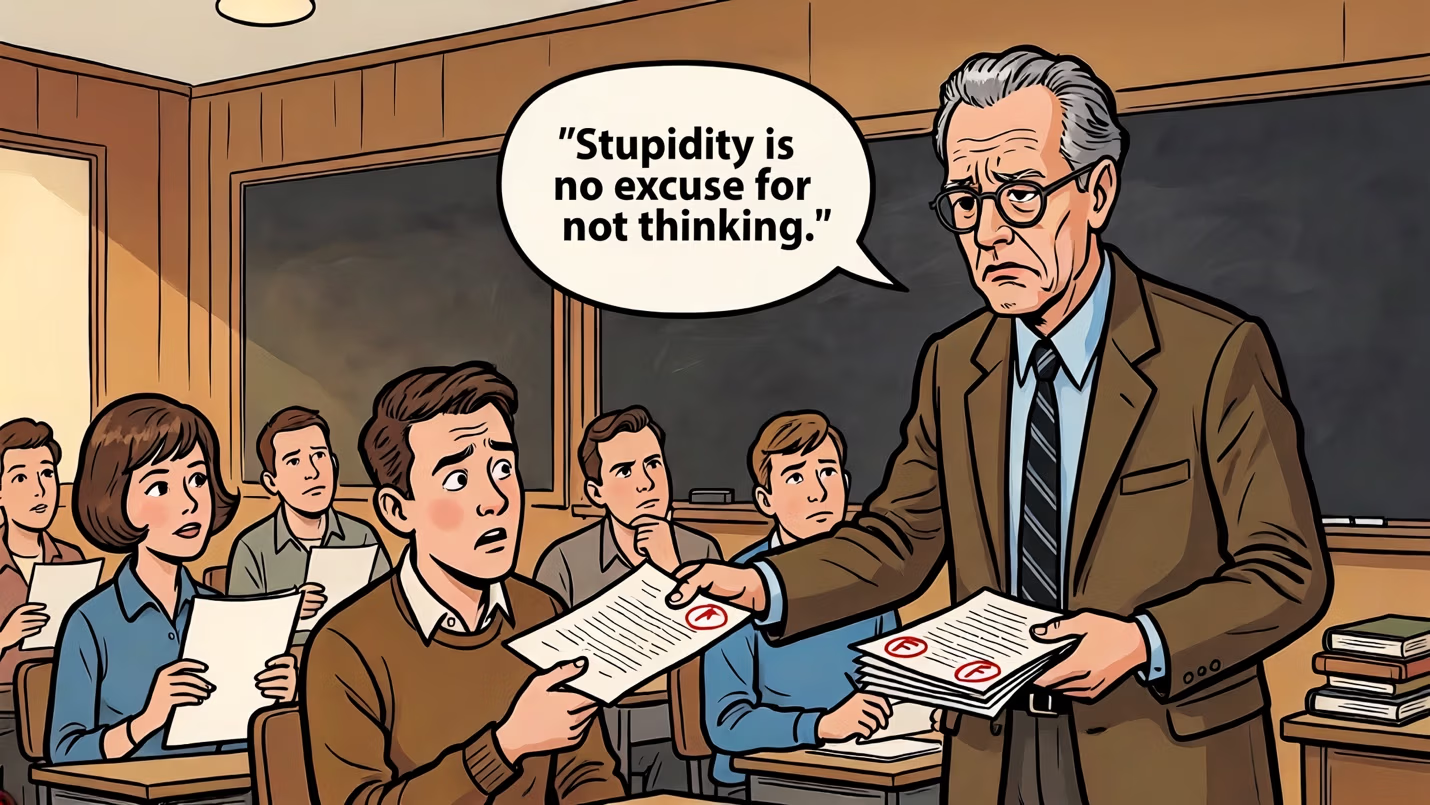



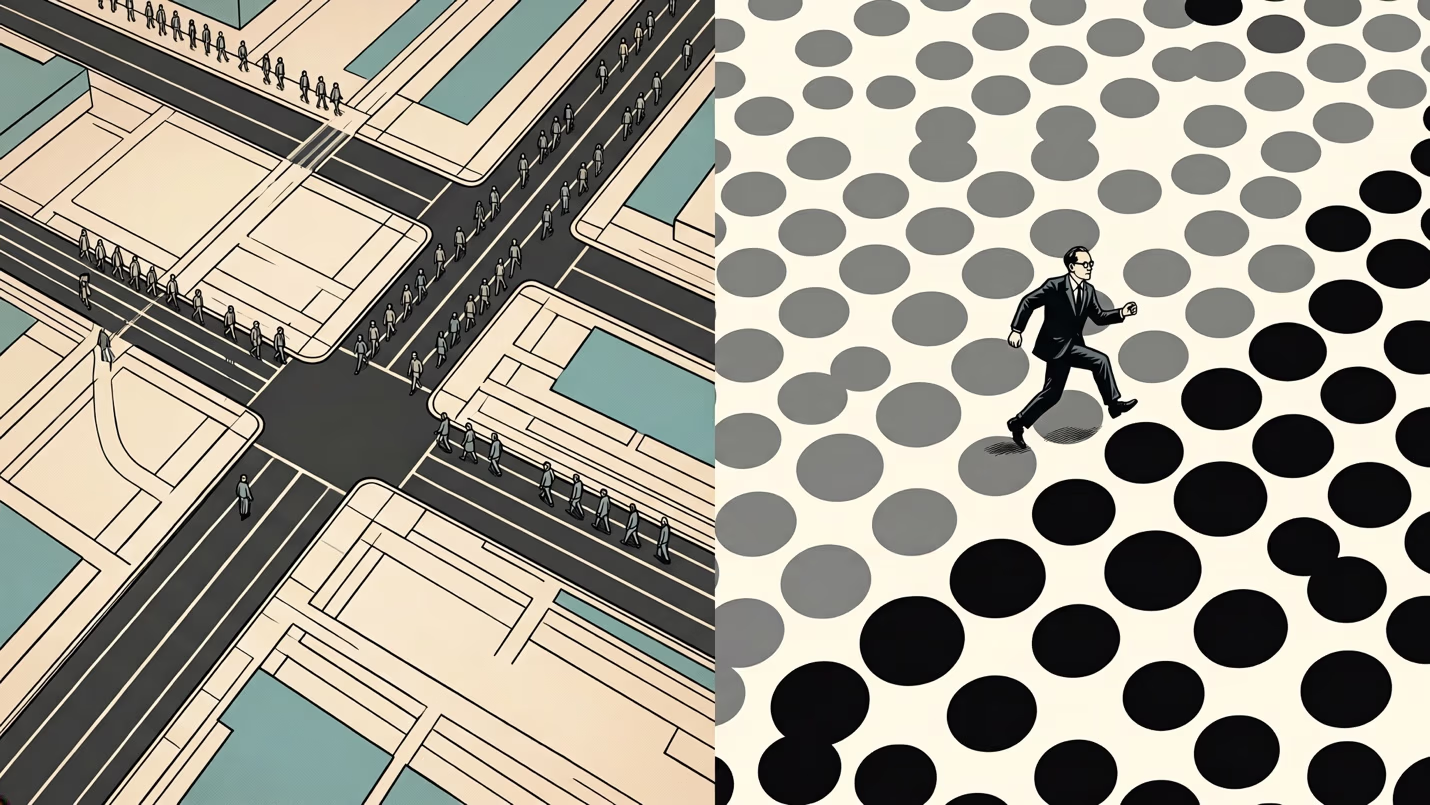

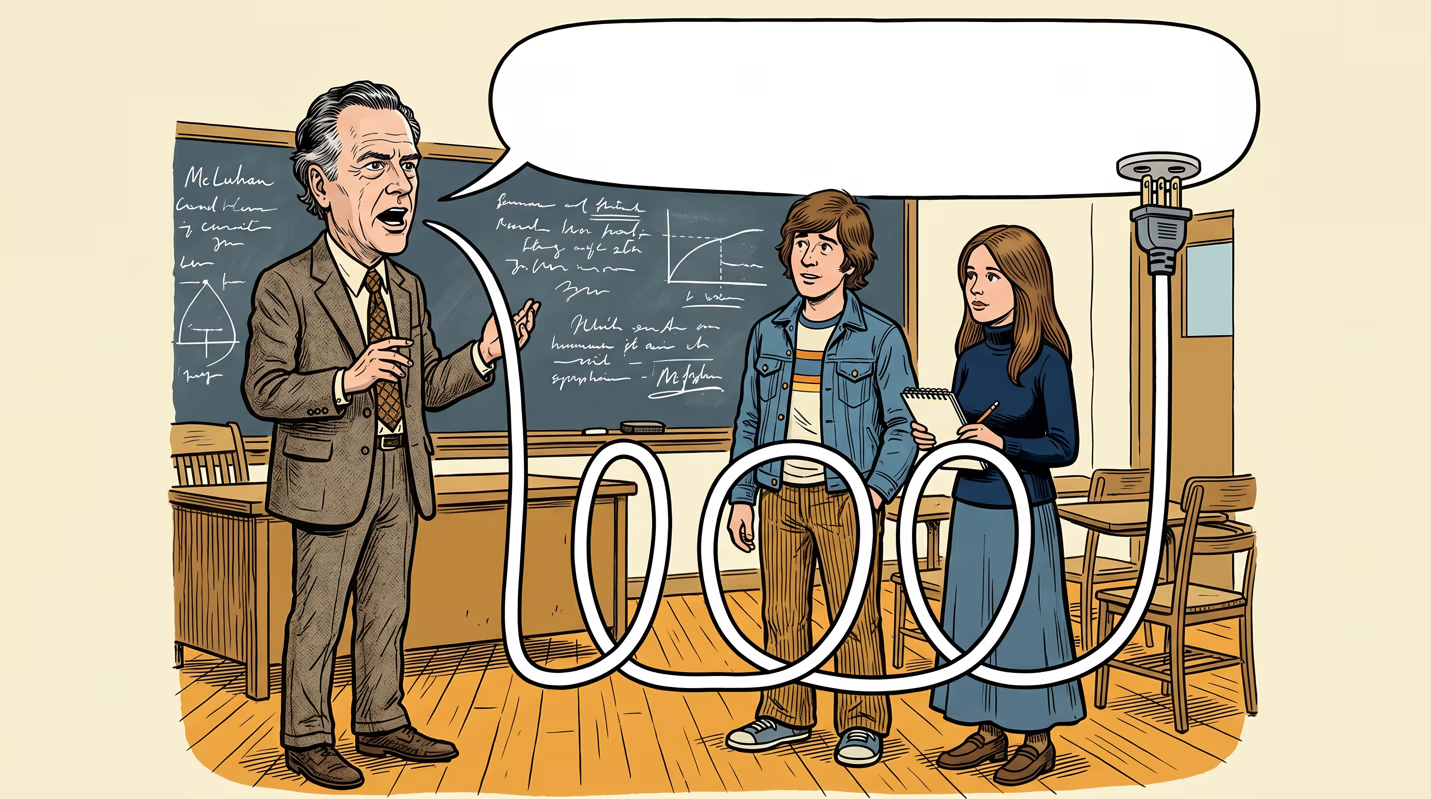

There’s a phrase of James Joyce. “Who gave you that numb?” Every name is a numb because it ends tension. When you have labelled something, perception flickers out. You have classified it and that’s the end of perception.
The Museum as Large-Room Pinball Machine, Marshall McLuhan, Harley Parker, and Museum Professionals, 1967, full transcript of a seminar at the City Museum of New York, October, 1967 , edited by William Buxton, U. of Alberta Press, 2026, p 169
Year: 1967
Chapters:
Joyce, James | Names, Naming