Viewing chapter Predictions (47 quotes)
The political candidate who understands TV – whatever his party, goals or beliefs – can gain power unknown in history.
“Playboy Interview: Marshall McLuhan: A Candid Conversation with the High Priest of Popcult and Metaphysician of Media.” By Eric Norden. Playboy Magazine, March (1969), p 62, reprinted in Essential McLuhan (1995), p 248
Year: 1969
Chapter:
Politics and Government
…the next immediate step technologically is the extension of consciousness.
“Letter to John I. Snyder Jr., August 4, 1963”, in Letters of Marshall McLuhan (1987), p 290
Year: 1963
Chapter:
Computer
Our whole cultural habitat, which we once viewed as a mere container of people, is being transformed by these media and by space satellites into a living organism, itself contained within a new macrocosm or connubium of a supraterrestrial nature.
“Playboy Interview: Marshall McLuhan: A Candid Conversation with the High Priest of Popcult and Metaphysician of Media.” By Eric Norden. Playboy Magazine, March (1969), p 70, reprinted in The Essential McLuhan (1995), p 258
Year: 1969
Chapter:
Organic
[Someday we may see] …a kind of computerized ESP with consciousness as the corporate content of the environment – and eventually, maybe even a small portable computer, about the size of a hearing aid, that would process our private experience the way dreams do now.
Quoted from a lecture at Spencer Memorial Church in NYC in spring of 1965, reported in “The Talk of the Town,” The New Yorker, May 15, p 44
Year: 1965
Chapters:
After Language | Computer | Corporate Consciousness | Extending Consciousness | From Tribal to Literate | Occult | Present [The]
Again, as the economy moves more and more into the electrical orbit of programmed information, production is oriented increasingly toward service. Hardware becomes software. This process appears sufficiently in the world of advertising. As the means of advertising have greatly enlarged, the images created by advertising become an ever larger portion of the needs and satisfactions of the public.
From Cliché to Archetype with Wilfred Watson (1970), p 201
Year: 1970
Chapter:
Hardware / Software
Today the promise of a means of instant translation of any code or language into any other code or language. The computer, in short, promises by technology a Pentecostal condition of universal understanding and unity. The next logical steps would seem to be, not to translate, but to by-pass language in favor of a general cosmic consciousness which might be very like the collective unconscious dreamt of by Bergson.
Understanding Media, 1964, MIT/Routledge edition, p 80
Year: 1964
It will be possible in this generation, I hope, to program the environment in such a way that we can learn a second language as we learned our mother tongue, rapidly and totally, as a means of perception and of discovery. The future of language presents the possibility of a world without words, a wordless, intuitive world, like a technological expression of the action of consciousness. E.S.P.
“The Invisible Environment: The Future of an Erosion”, Perspecta, Vol.11, (1967), p 167, reprinted in On the Nature of Media, (2016), p 124
Year: 1967
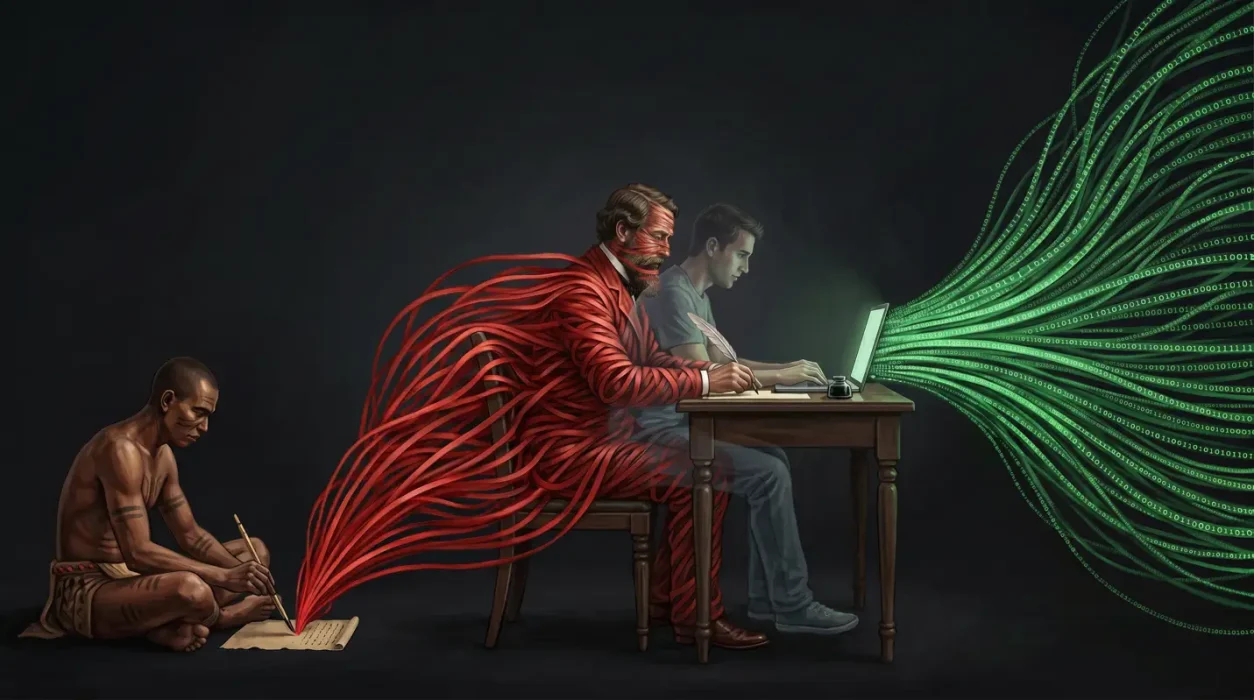


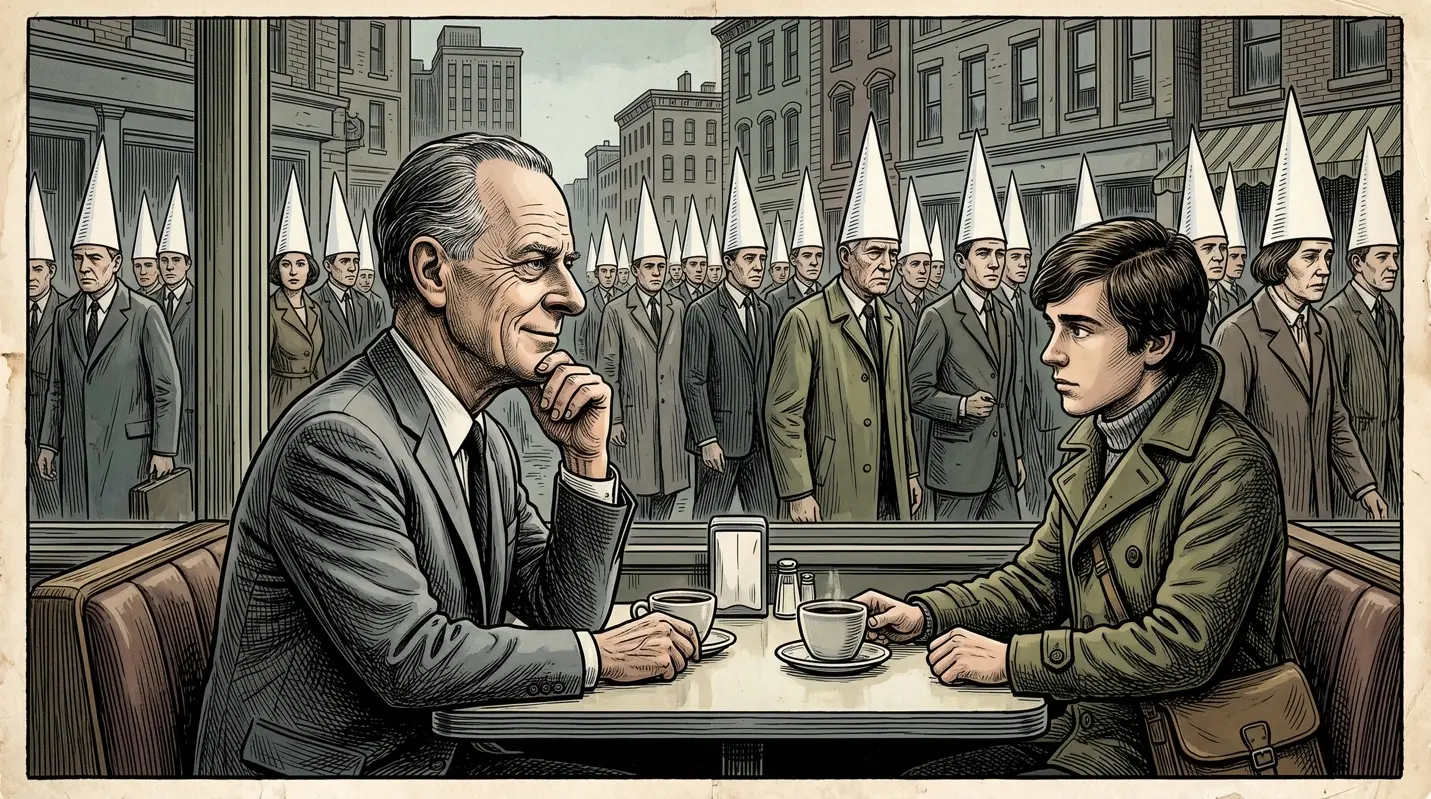
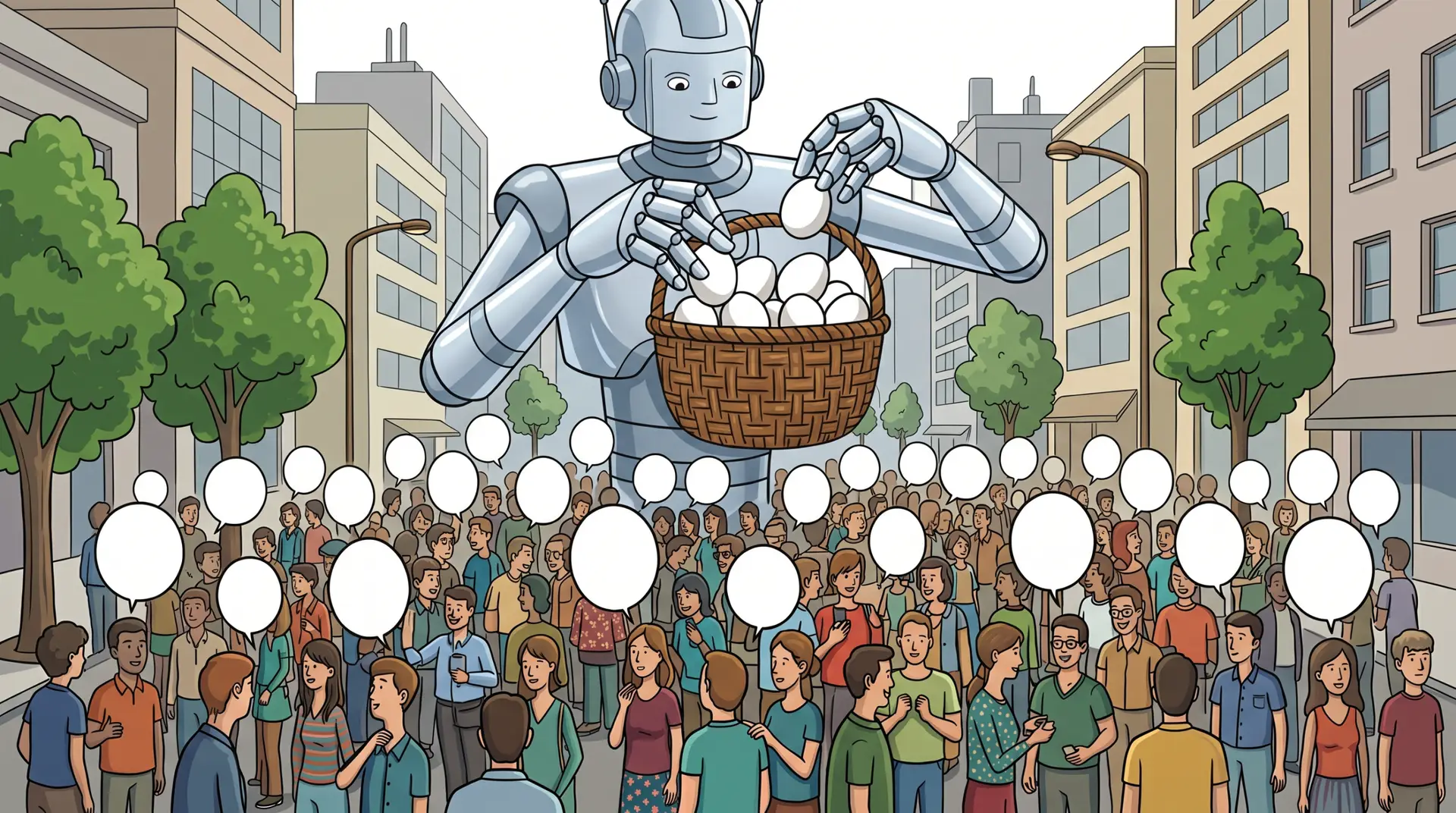
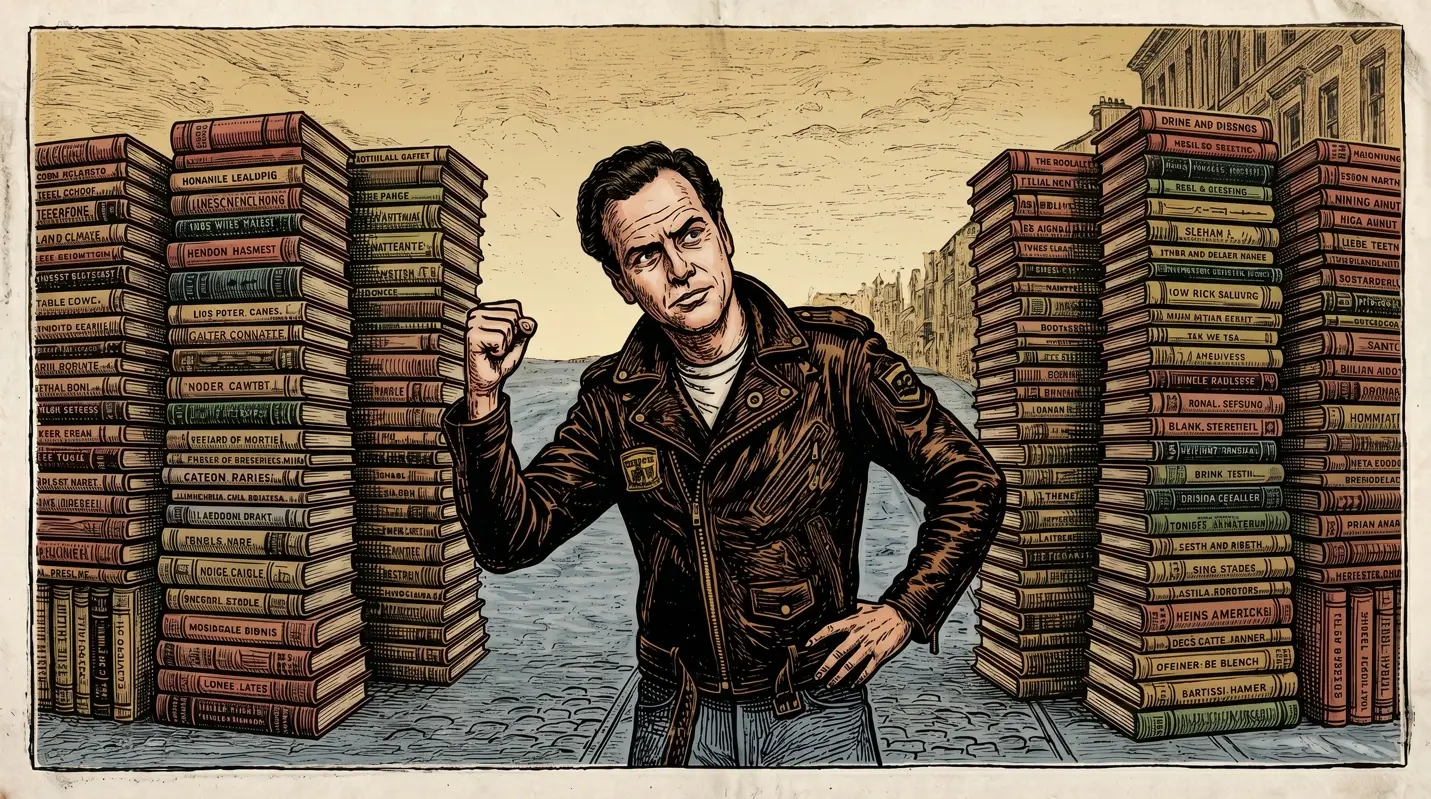
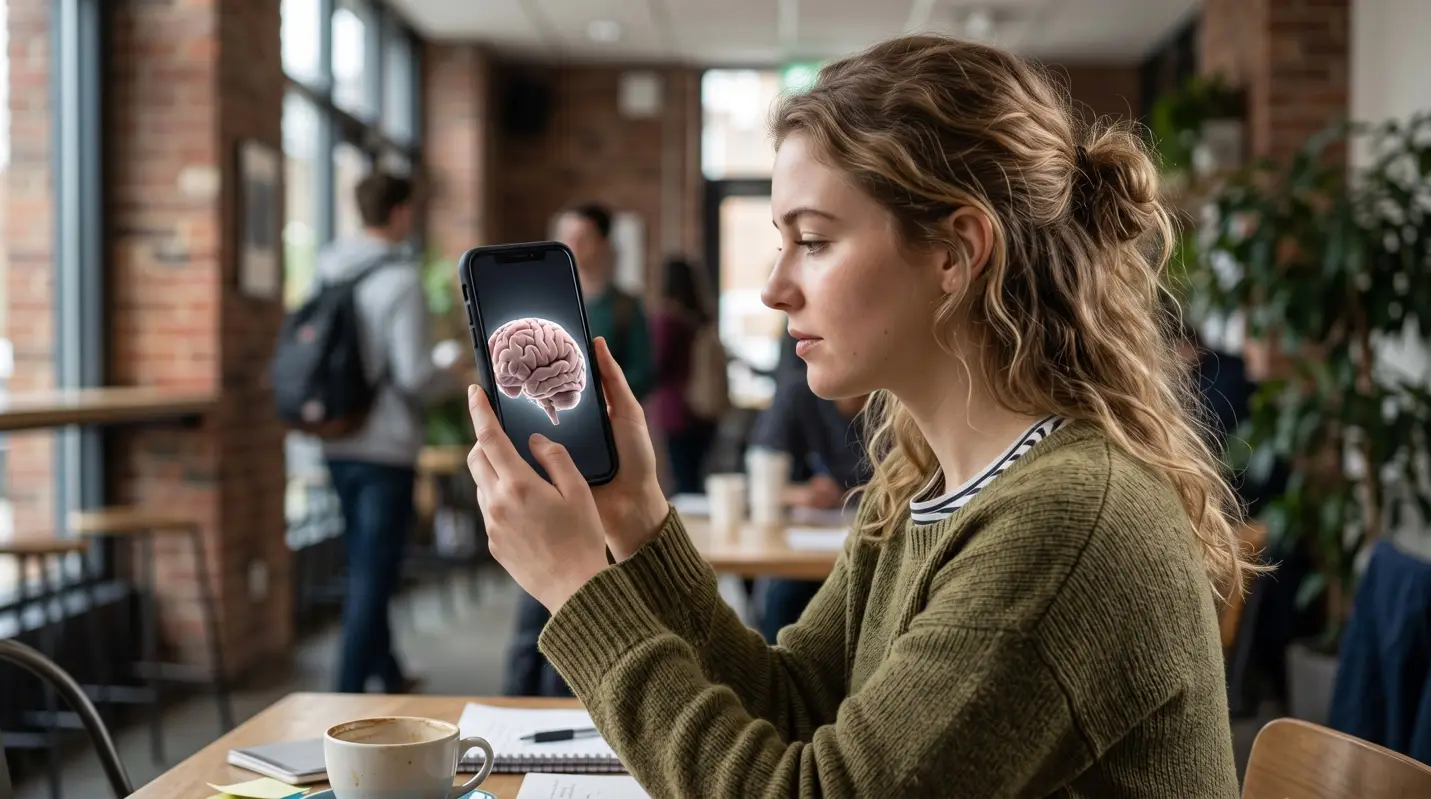
In this electric age we see ourselves being translated more and more into the form of information, moving toward the technological extension of consciousness […] By putting our physical bodies inside our extended nervous systems, by means of electric media, we set up a dynamic by which all previous technologies that are mere extensions of hands and feet and teeth and bodily heat-controls—all such extensions of our bodies, including cities—will be translated into information systems.
Understanding Media, 1964, MIT/Routledge edition, p 57
Year: 1964
The future of the book raises the question of whether men can ever program their corporate social lives in accordance with any civilized pattern by any other means than that of the printed book.
“The Future of the Book” (1972), in Understanding Me, (2003), p 176
Year: 1972
In the same way as the entire globe becomes a single computer or what de Chardin calls a noosphere, the advent of satellite broadcasting makes every one of the more than two hundred and fifty cultures of the globe as immediately present to each other as are the telephone subscribers of a single town.
“The Electronic Age – The Age of Implosion” (1962) in Media Research (1997), p 35
Year: 1962
The classified ads (and stock-market quotations) are the bedrock of the press. Should an alternative source of easy access to such diverse daily information be found, the press will fold. Radio and TV can handle the sports, news, comics, and pictures.
Understanding Media (1964), MIT/Routledge edition, p 207
Year: 1964
I haven't even asked myself much about the effects on laser on printing, the laser beam and channel 87, on the cable TV, which can print books and dump them into your living room very fast.
Authors Luncheon Speech, December (1969), transcript p 10
Year: 1969
Chapter:
Book
Well, I don't know I'd call that a prophecy or not. There is a sense in which the separatism [of Quebec from Canada] occurred long ago. But there is a hardware sense in which it is still intact. The country is still intact in a hardware sense, legal sense. It is the hardware that is in danger under electric conditions. The hardware world tends to move into software form at the speed of light.
“Violence as a Quest for Identity” (1977), reprinted in Understanding Me, 2003, p 264
Year: 1977
Chapter:
Canada
Man in the future will not work—automation will work for him—but he may be totally involved as a painter is, or as a thinker is, or as a poet is. Man works when he is partially involved. When he is totally involved he is at play or at leisure.
““The Agenbite of Outwit”, In Location Magazine, Vol. 1, No. 1, (1963), reprinted in Marshall McLuhan Essays Media Research: Technology Art Communication, (1997), p 125
Year: 1963
There are many electric information services at present that permits individuals to phone for printed data on any subject whatever. Computers are ready to go to work on their specific problem,, or interest. Bibliographies and printed materials from many parts of the world can be made available to the individual in a few hours. The whole tendency of xerography is to transform the book into a tailor-made, custom-built service. The book is ceasing to be a mass-produced package or community in a fashion that provides a very good index to the changing aspect of the world itself as it becomes a responsive information environment. As the specific individual needs become paramount in the new book-making, the public is drawn into the book-making process.
“The Future of the Book” undated typescript; after the title, in his handwriting, “and management”; p 2
BRUCE POWERS: Is there any use of the digital computer which could create a new bulwark for the individual?
MARSHALL MCLUHAN: Yes, what some researchers have called the new home information services in which the computer is utilized by a person to organize particular data needs; that is, to order groceries or machine parts, home security, specialized news items, answering services, and paid work at home.
The Global Village with Bruce Powers (1989), p 143
Year: 1989
Chapter:
Individual
One media development has been to open the possibility for the student to request a book made to his specifications and needs when existing libraries become linked by computer to Xerox services. The printed book, having begun as the first commodity package, is now ready to become an information service to individual needs.
“Great Change-overs for you”, in Vogue, Vol. 148, No. 1, July 1st (1966), p 63
Year: 1966
Chapter:
Book
MCLUHAN: Well. the woman of the future will be highly mobile, nonspecialized -
some Kind of rival to Henry Kissinger: bureaucrat/ academic/ ambassador/ parent/ peacemaker. She'll have multilevel activities. And fashion. of course, is folk art. Fashions are images that update sensory life, that reflect change. If we project from now well, unisex is· the thing now. Femininity has no meaning any longer. We'll have a tribe of Alice Coopers the new man/woman/ beast in a siren suit. Men and women will wear tribal costume as a mark of group identity.
“An Informal Interview with Marshall McLuhan”, in Miss Chatelaine, Fall Issue, 1974, p 92
Year: 1974
Chapter:
Retribalizing
… we use our memories for many purposes, mostly unconscious. When you can recall things at a very high speed they take on a new mythic and structural meaning that is quite alien to ordinary perception. So the computer… has, in spite of itself… revealed the knowledge of the mythic pattern, structures and profiles, all of which are quite excitedly loaded with discovery.
“Diebold Discussion Forum” with McLuhan and Mike Wallace (1966), published version of transcript, pages 8-9
Year: 1966
Thus the future of the book is nothing less than to be the means of surpassing Nature itself. The material world, as it were, is to be etherealized and encapsulated in a book whose characters will possess all the formulas for the knowledge and recreation of Being.
“Do Books Matter?” (1973), pp 38-39
Year: 1973
A worldwide network of computers will make all of mankind’s factual knowledge available to students everywhere in a matter of minutes or seconds. Then, the human brain will not have to serve as a repository of specific facts, and the uses of memory will shift. In the new education, breaking timeworn, rigid chains of memory may have greater priority than forging new links. New materials may be learned just as were the great myths of past cultures – as fully integrated systems that resonate on several levels and share the qualities of poetry and song.
“Education: The Class of 1989”, with George Leonard, Look magazine, February 21, 1967; reprinted as "Learning in the Global Village” in Radical School Reform (1969)
Year: 1989
Instead of going out and buying a packaged book of which there have been five thousand copies printed, you will go to the telephone, describe your interests, your needs, your problems, and say you're working on a history of Egyptian arithmetic. You know a bit of Sanskrit, you're qualified in German, and you're a good mathematician, and they say it will be right over. And they at once xerox, with the help of computers from the libraries of the world, all the latest material just for you personally, not as something to be put out on a bookshelf. They send you the package as a direct personal service. This is where we're heading under electronic information conditions. Products increasingly are becoming services.
“Predicting Interactive Communication via the Internet”, TV Appearance on This Hour Has Seven Days, CBC-TV with Robert Fulford (1966), in McLuhan Speaks Transcript, p 3, reprinted in Understanding Me (2003), p 101
Year: 1966
The next medium, whatever it is--it may be the satellite environment or the extension of consciousness--will include television as its content, not as its environment, and will transform television into an art form; but this process whereby every new technology creates an environment that translates the old or preceding technology into an art form, or into something exceedingly noticeable, affords so many fascinating examples I can only mention a few.
“The Invisible Environment: The Future of an Erosion”, Perspecta, Vol.11, (1967), p 164 reprinted in On the Nature of Media, (2016), p 110
Year: 1967
Chapter:
Computer
At the present time, one of the effects that is heaped up a mile high for which no cause has yet appeared, but a cause will shortly appear, is anti-gravity. We have an enormous amount of anti-gravitational effect and activity - helicopters, airplanes, and astronauts - but we don’t have the cause; we just have the effects. Within our lifetimes or your lifetimes, the cause of anti-gravity, a simple gimmick, will present itself, and all things will levitate instantly. The problem will be how to hold things down on the ground. But this is obvious, as obvious as your being there or my being here. The effects are here. The causes will be here shortly.
"Living at the speed of light", in Understanding Me (2003), p 240
Year: 2003
Chapter:
Causality
When millions of volumes can be compressed in a matchbox space, it is not merely the book but the library that becomes portable.
“The Future of the Book”, 1972, in Understanding Me (2002), p 174-175
Year: 1972
Chapter:
Book
The printed page in rendering the language of the face and gesture illegible has also caused the abstract media of printed words to become the main bridge for the inter-awareness of spiritual and mental states.
“Culture without Literacy”, in Explorations #1, December (1953), p 122-123 reprinted in Essential McLuhan, (1995), p 308, additional reprint in Media Research Technology, Art and Communication (1997), p 132, and McLuhan Unbound #6, (2017)
Year: 1953
Chapters:
Body Language | Book
...a satellite environment where the Christmas star that guides us might well be man-made.
“Santa Claus Gets the Message,” McCall's, December, 1967, p 163
Year: 1967
Chapter:
McLuhanisms & Zingers
[Reputedly announced in 1967-1968 while in NYC, but neither published nor recorded]
Within fifteen years an actor will be elected president.
Widely cited, likely first uttered in a lecture at Fordham, 1967-1968; among many secondary citations, Judith Fitzgerald’s Marshall McLuhan Wise Guy (2001), p 116
Year: 1967
[The coming decades] ….will see a great swing from the military toward the temple bureaucracy, from the outer conquest of space to the inner conquest of spirit. Holy Wars will occur: an extreme example of hardware shifting to software, and spiritual values.
“Living at the Speed of Light,” (1979), typescript, p 9
Year: 1979
The "flower people", likewise, will soon take over the bureaucratic function of state and army in order to propagate peace and Peter Pan.
From Cliché to Archetype with Wilfred Watson (1970), p 184
Year: 1970
[Print] is an instrument of mass introversion.
“Prob. of Reading,” handwritten unpublished essay, circa 1952
Year: 1952
That's how I prophesy. I look around at the effects and say: well, the causes will soon be here.
“Advertising Is: Making Someone Ill, Then Selling The Cure” by John Slinger, in Globe and Mail, August 5, 1973, p 5
Year: 1973
Chapter:
Causality
But a conscious computer would still be one that was an extension of our consciousness, as a telescope is an extension of our eyes, or as a ventriloquist's dummy is an extension of the ventriloquist.
Understanding Media, 1964, MIT/Routledge edition, p 351
Year: 1964
Chapters:
Computer | Consciousness | Dropout | Extending Consciousness | Living Unity | Mastering Technology
The Olympics are an obsolete form, of course.. They’ve finished. This is the last one. You are seeing a 19th century form go under right now. It’s not 20th century… 20th century is much more dialogue and less competition…
“It will Probably End the Motor-Car, an Interview with Marshall McLuhan.” By Kirwin Cox and S. M. Crean, in Cinema Canada, No. 30, August, 1976, p 26
Year: 1976
Chapter:
Sports and Games
The circuited city of the future will not be the huge hunk of concentrated real estate created by the railway. It will take on a totally new meaning under conditions of very rapid movement. It will be an information megalopolis. What remains of the configuration of former "cities" will be very much like World's Fairs—places in which to show off new technology, not places of work or residence. They will be preserved, museum like, as living monuments to the railway era. If we were to dispose of the city now, future societies would reconstruct them, like so-many Williamsburgs.
The Medium Is the Massage (1967), p 72
Year: 1967
Chapter:
Future
The generations immediately ahead of us will scorn the recent decades and even centuries as periods of triviality, frivolity, and of planned obsolescence.
“The Humanities in the Electronic Age” (1961), in McLuhan Unbound, No. 7 (2003), p 7
Year: 1961
Entertainment used to mean visiting odd spots in the world… [Bridge over River Kwai etc.] … Entertainment in the future may have quite different patterns and functions. You’ll become a yogi, you’ll do all your self-entertainment in yoga style.
“Furniture that does everything”, in Forbes, March 15, 1967, p 40
Year: 1967
Chapter:
Future
The ´80s in the West, meanwhile, will witness a dramatic increase in the conservative backlash against runaway technology and change.
“Living at the speed of Light,” in Macleans, January 7, 1980, p 32
Year: 1980
With electronics any marginal area can become center, and marginal experiences can be had at any center. Perhaps the city needed to coordinate and concert the distracted sense programs of our global village will have to be built by computers in the way in which a big airport has to coordinate multiple flights.
Letter to Jacqueline Tyrwhitt, December 23, 1960, in Letters of Marshall McLuhan (1987), p 278
Year: 1960
Chapter:
Advice
If a U.S. citizen so chose, Canada could become an enormous psychic theme park; something like a Hollywood set that simultaneously links the past with the present, the city with the wilderness.
The Global Village with Bruce Powers (1989), p 148
Year: 1989
Chapter:
Canada
Citizens of the future will find much less need for sameness of function or vision. To the contrary, they will be rewarded for diversity and originality.
“The Future of Education” with George Leonard, in Look Magazine, February 21, 1967, p 24
Year: 1967
Chapter:
Future
But perhaps, as I've tried to demonstrate in my examination of the postliterate culture, the story [of man’s retribalized and globally conscious future] begins only when the book closes.
“Playboy interview” 1969, reprinted in Essential McLuhan (1995 edition), p 269
Year: 1969
The Eighties will see:
A society of contented non-achievers
The end of Chinese culture
The end of identity: survival by violence
The new multi sub-cultural mosaic;
Literacy for an elite only;
Education in the age of amnesia;
Cubism in sports
“Living at the Speed of Light,” (1979); from the original typescript; a modified version was published January, 1980, in Macleans magazine; typescript, p 1
Year: 1979
The future of city may be very much like a world's fair-- a place to show off new technology--rather than a place of work or residence. It is also fascinating to consider the future of language. We know right now some very important structural things about language that are new. The future of language will not be as a system of classified data or meanings.
“The Invisible Environment: The Future of an Erosion”, Perspecta, Vol.11, (1967), p 166, reprinted in On the Nature of Media, (2016), p 123
Year: 1967
Chapter:
Future
…the future of the future is the present.
Take Today with Barrington Nevitt (1972), p 134
Year: 1972
It becomes more clear each day that structure and design in all levels of human organization are becoming orchestral. Our new electric age no longer presents any specialized cultural gradient. Ours is the age of the zero-gradient in which all times and cultures are in a continuous dialogue. To be a participant in this dialogue is most satisfying.
“Autobiography,” an undated three-page typescript, from the early 1970s, p 2
Year: 1970
The computer is the first component of that hybrid of video-related technologies which will move us toward a world consciousness. It steps up the velocity of logical sequential calculations to the speed of light, reducing numbers to body count by touch. When pushed to its limits, the product of the computer reverses into simultaneous pattern recognition (acoustic space), eroding or bypassing mechanical processes in all sequential operations. It brings back the Pythagorean occult embodied in the idea that "numbers are all"; and at the same time it dissolves hierarchy in favor of decentralization. Any business corporation requiring the use of computers for communication and record-keeping will have no other alternative but to decentralize.”
“Global Robotism: The Dissatisfactions”, in The Global Village with Bruce Powers (1989), p 103
Year: 1989