Viewing chapter Privacy (24 quotes)
Invading privacy; in fact, just ignoring it. Everybody has become porous. They let the light and the message go right through us.
Mike McManus TVO interview, 1977, transcript 6:47
Year: 1977
Chapter:
McLuhanisms & Zingers
You heard the story about having telephones put in there [the Arctic], but the [Inuit] people didn't want any private phones. Everybody wanted a party line so they could listen in to everybody else. They refused to have any private phones up in the Eskimo country. They insisted that everybody's conversation be available to everybody simultaneously.
“Jean Pare interview”, in Forces magazine, a Hydro Quebec publication, No.22, (1973), p 24
Year: 1973
Chapters:
Corporate Consciousness | Tribal Societies
The age-old rivalry between the safe maker and the safecracker has resulted in a gradual reduction of the period of immunity from penetration. "Hardware" thinking persists in a "software" world, driving secrecy and security measures to comic lengths:
TOO HOT TO HANDLE
BURN BEFORE READING
TOP SECRET. WHEN YOU GET THIS, DESTROY YOURSELF.
Take Today with Barrington Nevitt (1972), p 91
Year: 1972
Chapters:
McLuhanisms & Zingers | Satirist
What has happened since the old muckraking days of the 1920s is that espionage, whether political or commercial, has become the largest business in the world, and we take it for granted that the modern newspaper depends on "buggin’" the whole community. In fact, we expect the press to “bug” the world and to challenge and penetrate all privacy and identity, whether private or corporate.
“At the Moment of Sputnik—” (1974), typescript, p 6
Year: 1974
Chapters:
Identity | Surveillance
How much do you make? Have you ever contemplated suicide? Are you now or have you ever been... ? Are you aware of the fact...? I have here before me...Electrical information devices for universal, tyrannical womb-to-tomb surveillance are causing a very serious dilemma between our claim to privacy and the community's need to know.
The Medium Is the Massage (1967), p 12
Year: 1967
Chapter:
Surveillance
The private sponge and the collective sponge, both reaching out for their rations of sensation, achieved a horrible distinctness and clarity that matched the raw power of the predatory army machine.
Understanding Media, 1964, MIT/Routledge edition, pp 100-101
Year: 1964
Man uses the press for privacy in public conveyances.
“Marshall McLuhan at the Bottom of the Sea” by Harry Boyle, in Toronto Star Weekend Magazine, March 18, 1967, p 4
Year: 1967
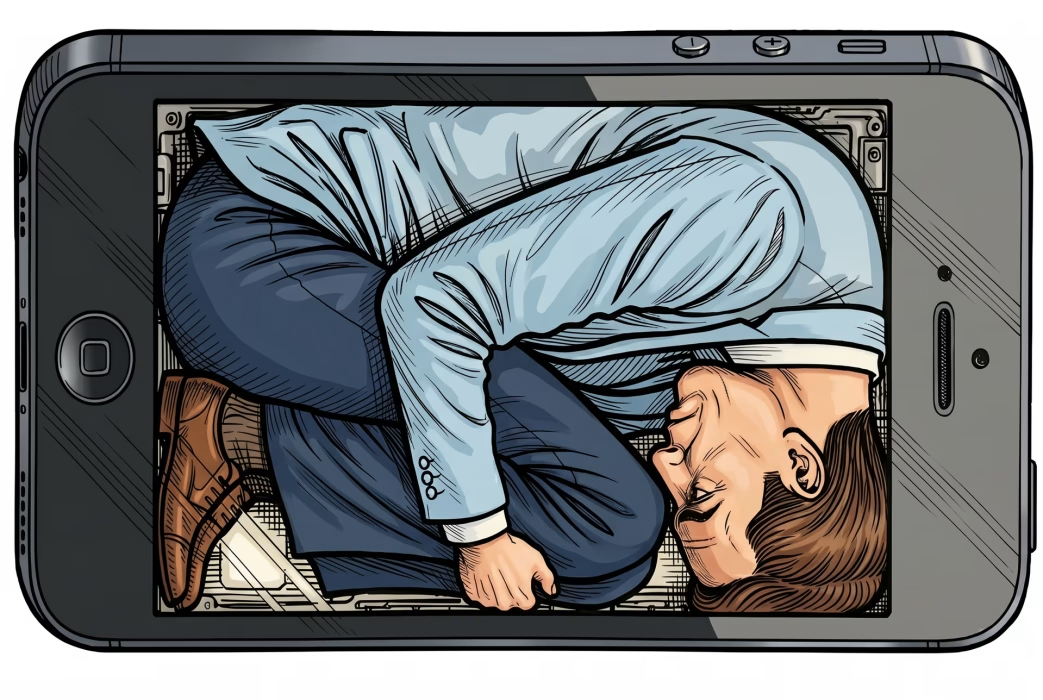
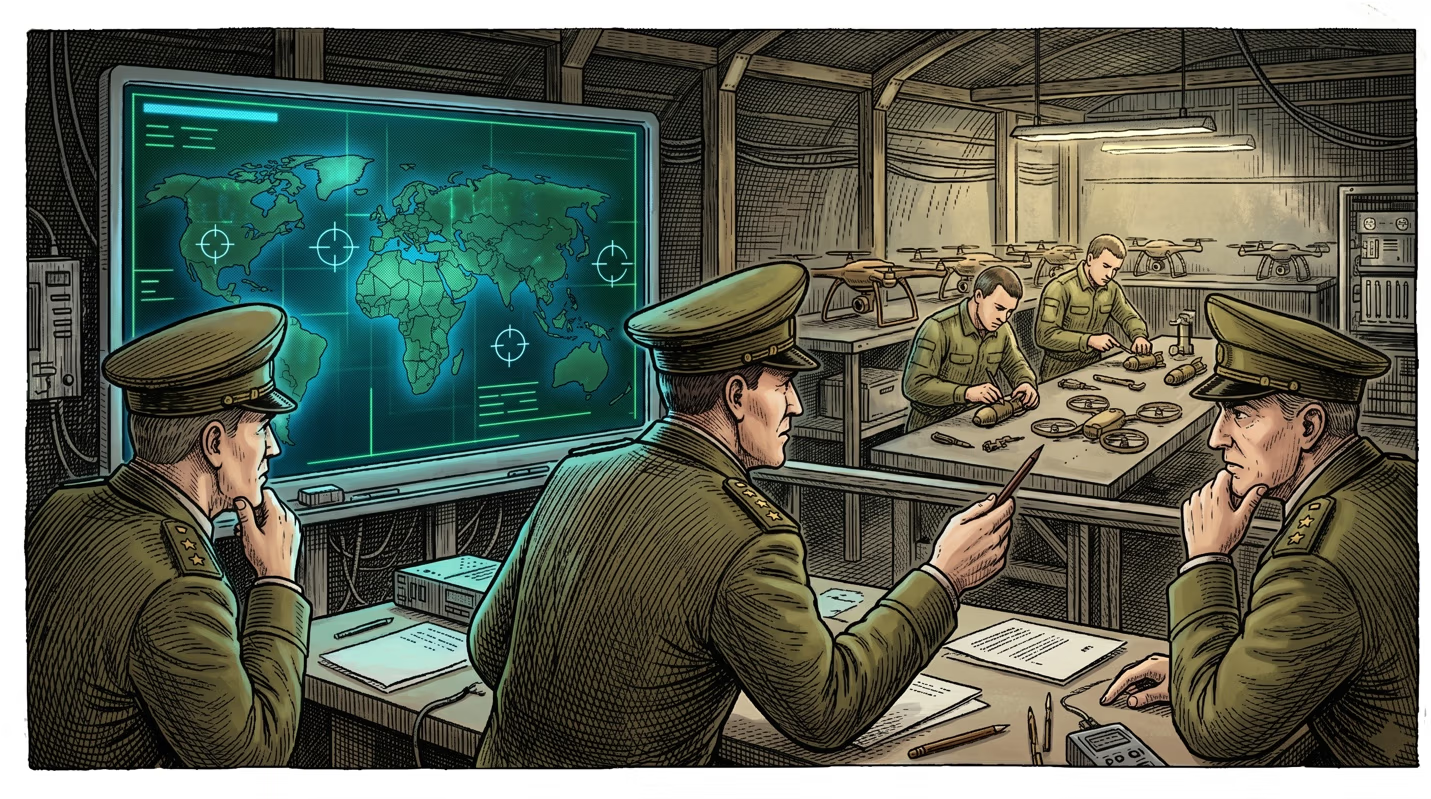
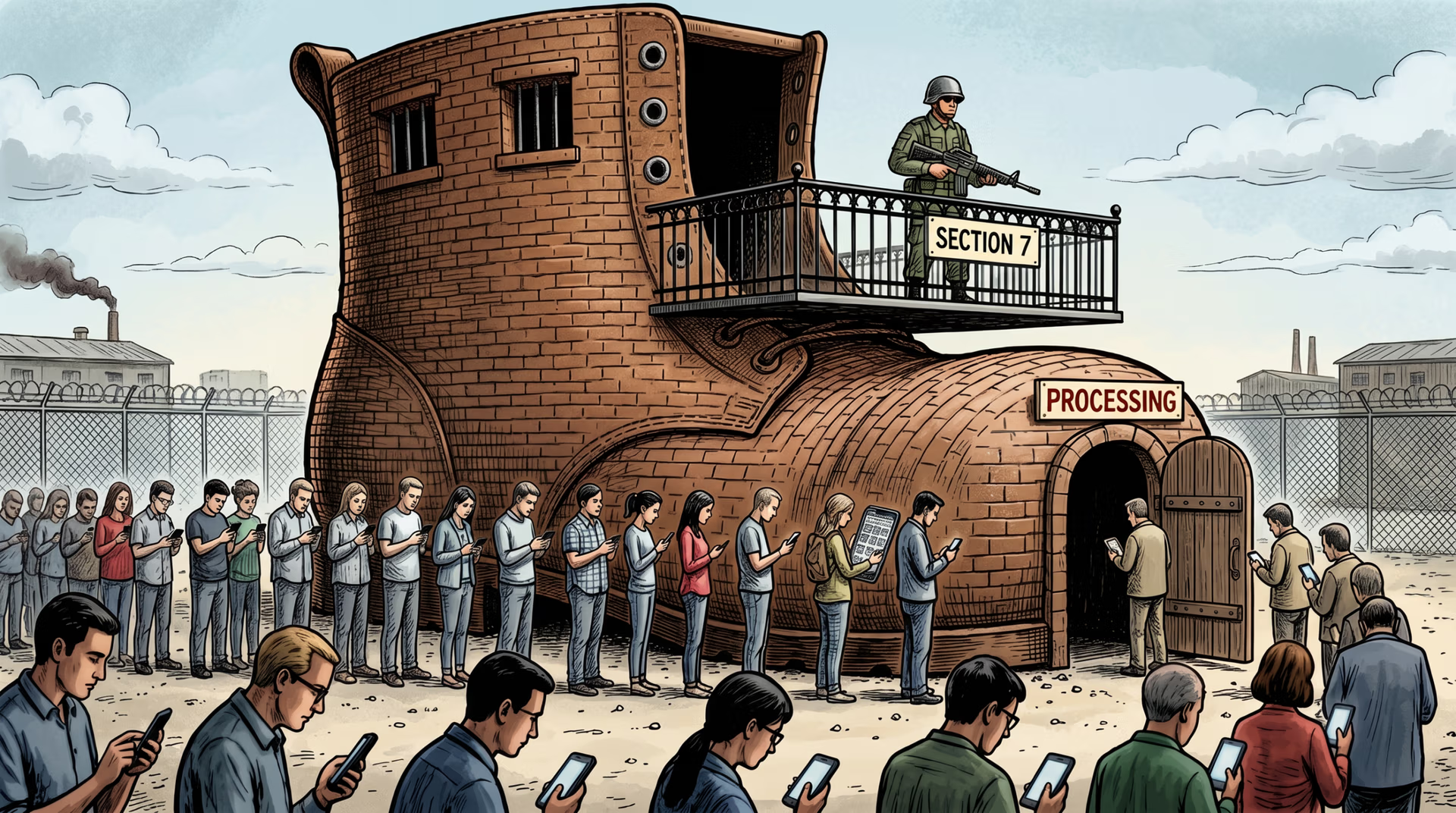
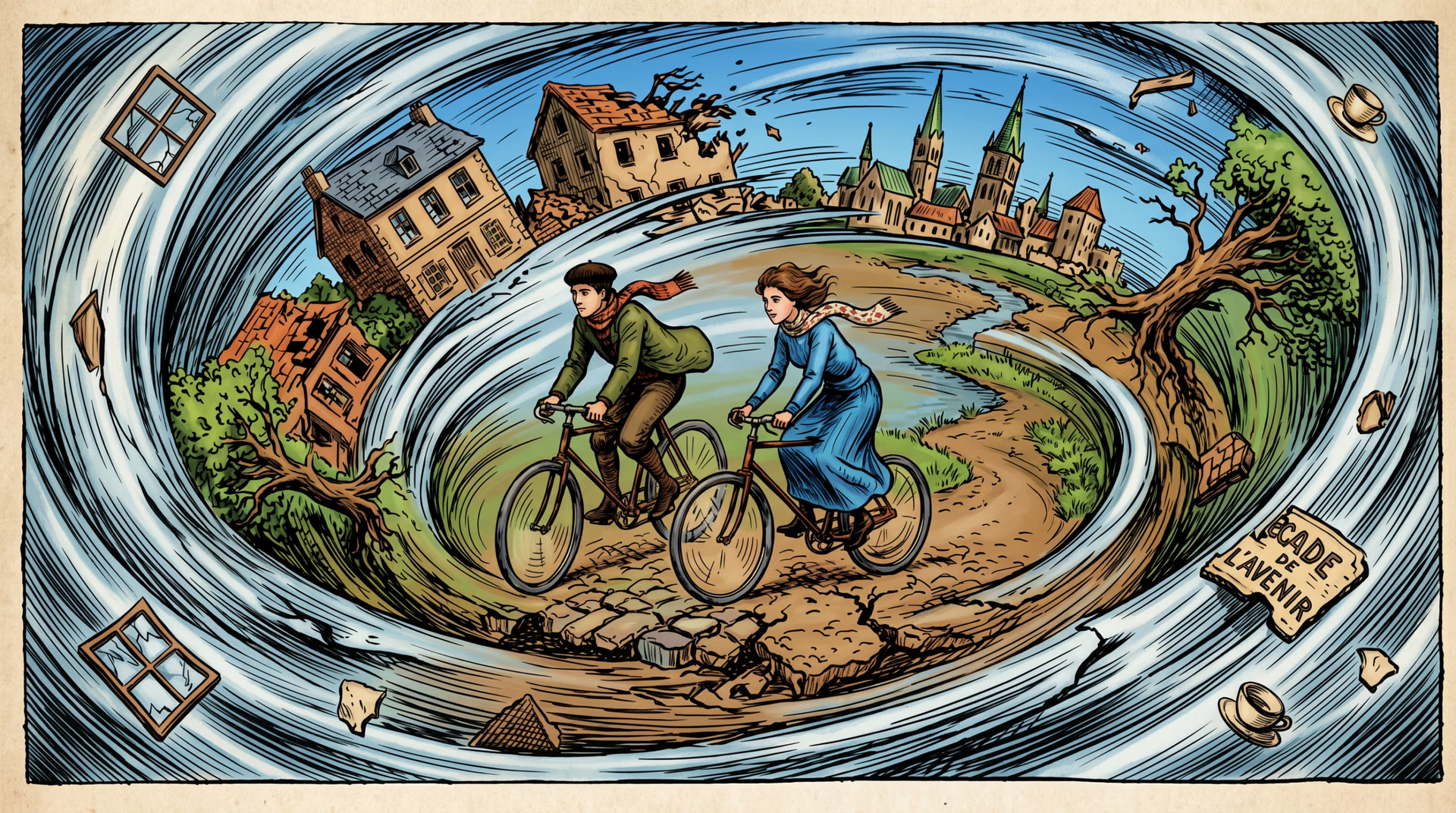
…with wire tapping you are broadcasting… This is another feature of our time; as technology improves, privacy disappears.
“Jean Pare interview”, in Forces magazine a Hydro Quebec publication, No.22, (1973), p 17
Year: 1973
Chapter:
Surveillance
Well this: we then hijack the [Inuit] group with Anik, with the satellites, and we put them on the air. You heard the story about having telephones put in there, but the people didn't want any private phones. Everybody wanted a party line so they could listen in to everybody else. They refused to have any private phones up in the Eskimo country. They insisted that everybody's conversation be available to everybody simultaneously.
“Jean Pare interview”, in Forces magazine a Hydro Quebec publication, No.22, (1973), p 24
Year: 1973
Chapters:
Corporate Consciousness | Tribal Societies
Has anybody ever thought of the trauma of having our telephone privacy interrupted by advertisements? Bell telephone recently decided against the use of the video telephone when they discovered a deep American reluctance to use such an instrument. While we accept the intrusion of the telephone into our homes, we are not yet ready to venture out of our homes via video phones to participate in a social life. The same reason which would make the video phone unthinkable in North America would render it quite acceptable in other parts of the world.
Untitled, unpublished two-page item written for Advertising Age, dated January 19, 1976.
Year: 1976
Chapter:
Outside to be Alone
…the emperor of Japan is not a private person at all, and is not the “head” of his country; for to be the head of a vast population or power structure is not to have any private ambition whatever. The paradox is that great power swallows both the private person and the private goals, depriving the possessor of such power of all the satisfactions which belong to the human scale.
“Mr. Nixon’s Dropout Strategy” (1973), typescript p 8
Year: 1973
Chapter:
Human Scale
“Propaganda is any culture in action.” (Jacques Ellul)
DEW-Line card deck, 1969, 5 of Spades
Year: 1969
Electrically, men are now so much closer together that we can no longer admit that there is anything that is of merely private concern.
“Private Individual vs Global Village” in Abortion and Social Justice (1972), p 245
Year: 1972
In such society, the separation of the individual from the group in space (privacy), and in thought ("point of view"), and in work (specialism), has had the cultural and technological support of literacy, and its attendant galaxy of fragmented industrial and political institutions.
Understanding Media, 1964, MIT/Routledge, p 107
Year: 1964
Chapter:
Today’s Transition
We live in a time when the coalescing of all people on earth into a single mass-public has diminished human private identity almost to the vanishing point. Anybody at a ball game, for example, is a nobody, and the entire planet has become our ball park.
Letter to Pierre Elliott Trudeau, July 2, 1975, in Letters of Marshall McLuhan (1987), p 512
Year: 1975
The most important figure in the world is a nobody at a ball game. Electronically, however, all of us are attending the same ball game in the same ball park, namely, Spaceship Earth.
Letter to Pierre Elliott Trudeau, July 30, 1975, in Letters of Marshall McLuhan (1987), p 513
Year: 1975
We can now begin to understand why the Emperor of Japan is not a private person at all, and is not the ”head” of a country: for to be the head of a vast popular or power structure is not to have any private ambition whatever. The paradox is that great power swallows both the private person and the private goals, depriving the possessor of such power of all the satisfactions which belong to the human scale.
“Mr. Nixon’s Dropout Strategy” (1973), typescript p 8
Year: 1973
Meantime, these appetites for private power are inventing the means of possible political power for the future.
From Cliché to Archetype, with Wilfred Watson, 1970, p 13
Year: 1970
Without play, there looms the shadow of madness in private as in corporate life, whence the danger of specialism and bureaucracy when the rigors of classification overlay the relaxed countenance of harmonious faculties.
“The End of the Work Ethic” (1972), in Understanding Me (2003), p 191
Year: 1972
In the Eighties, as we transfer our whole being to the data bank, privacy will become a ghost or echo of its former self, and what remains of community will disappear.
“Living at the Speed of Light” (1979), typescript p 6
Year: 1979
Chapter:
Education
The rigors of the private point of view are inseparable from the apathy of the passive consumer.
“Sharing the News” (1971), p 8
Year: 1971
Chapter:
Perspective, Point of View
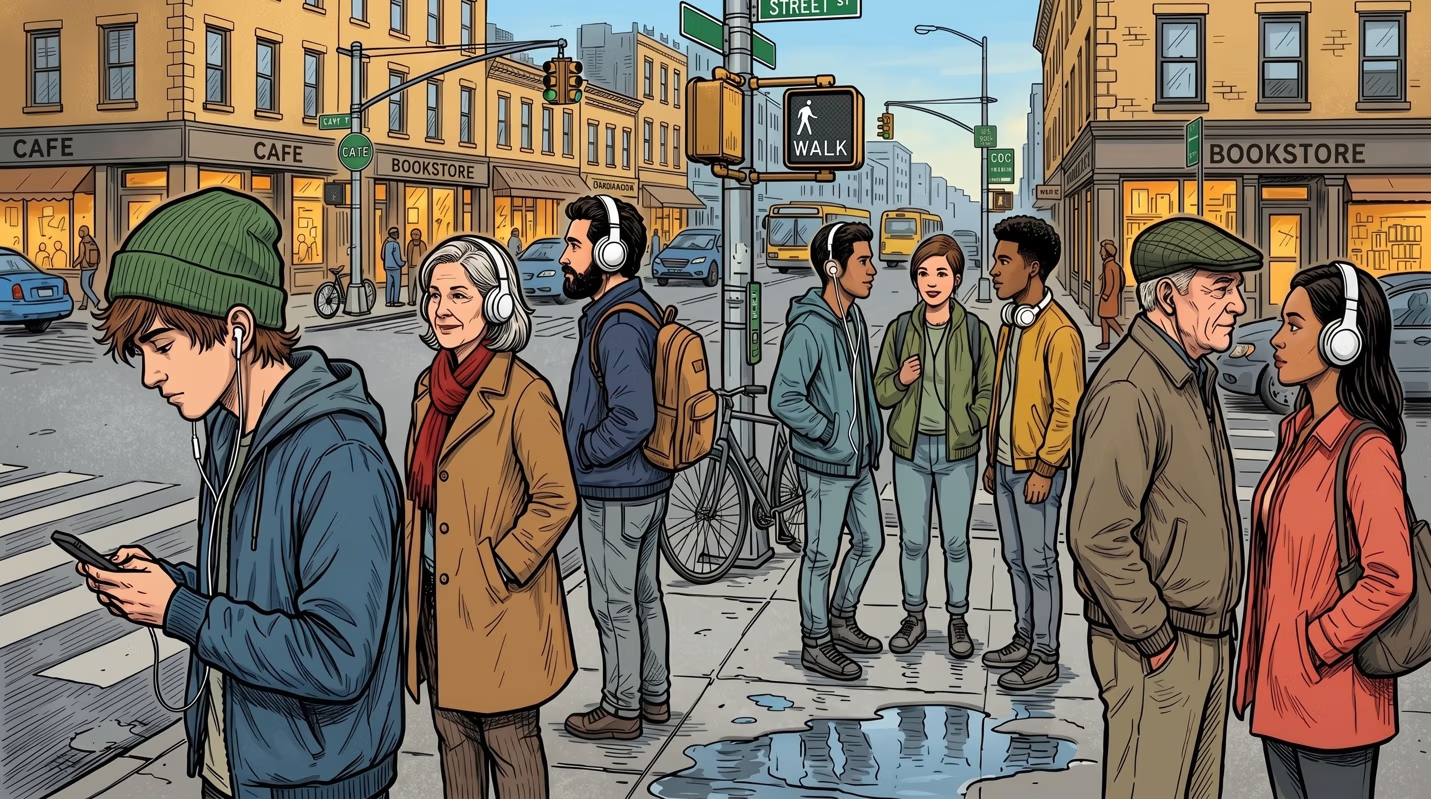
The very concept of privacy, which originated with print culture in the 16th century, can no longer be sustained by the traditional means of partitioning space. The teenager has solved the problem as best he can by using radio to create an auditory private space for his homework.
“Inside the Five Sense Sensorium” (1961), p 52
Year: 1961
The older, traditional ideas of private, isolated thoughts and actions— the patterns of mechanistic technologies—are very seriously threatened by new methods of instantaneous electric information retrieval, by the electrically computerized dossier bank—that one big gossip column that is unforgiving, unforgetful and from which there is no redemption, no erasure of early "mistakes."
The Medium Is the Massage (1967), p 12
Year: 1967
Chapters:
Computer | Surveillance
It goes without saying that there is very little privacy in the North American home because we do not seek it there but, rather, outside in our cars.
“Inside on the Outside,” 1976, p 5 of typescript
Year: 1976
Chapters:
Car | Outside to be Alone