Viewing chapter Roles (11 quotes)
Popular art is the clown reminding us of all the life and faculty that we have omitted from our daily routines. He ventures to perform the specialized routines of the society, acting as integral man. But integral man is quite inept in a specialist situation. This, at least, is one way to get at the art of the comics, and the art of the clown.
Understanding Media (1964), MIT/Routledge edition, p 167
Year: 1964
Chapters:
Playfulness | Popular Culture
In the computer age we are once more totally involved in our roles. In the electric age the "job of work" yields to dedication and commitment, as in the tribe.
Understanding Media, 1964, MIT/Routledge edition, p 138
Year: 1964
Chapters:
Computer | Involvement
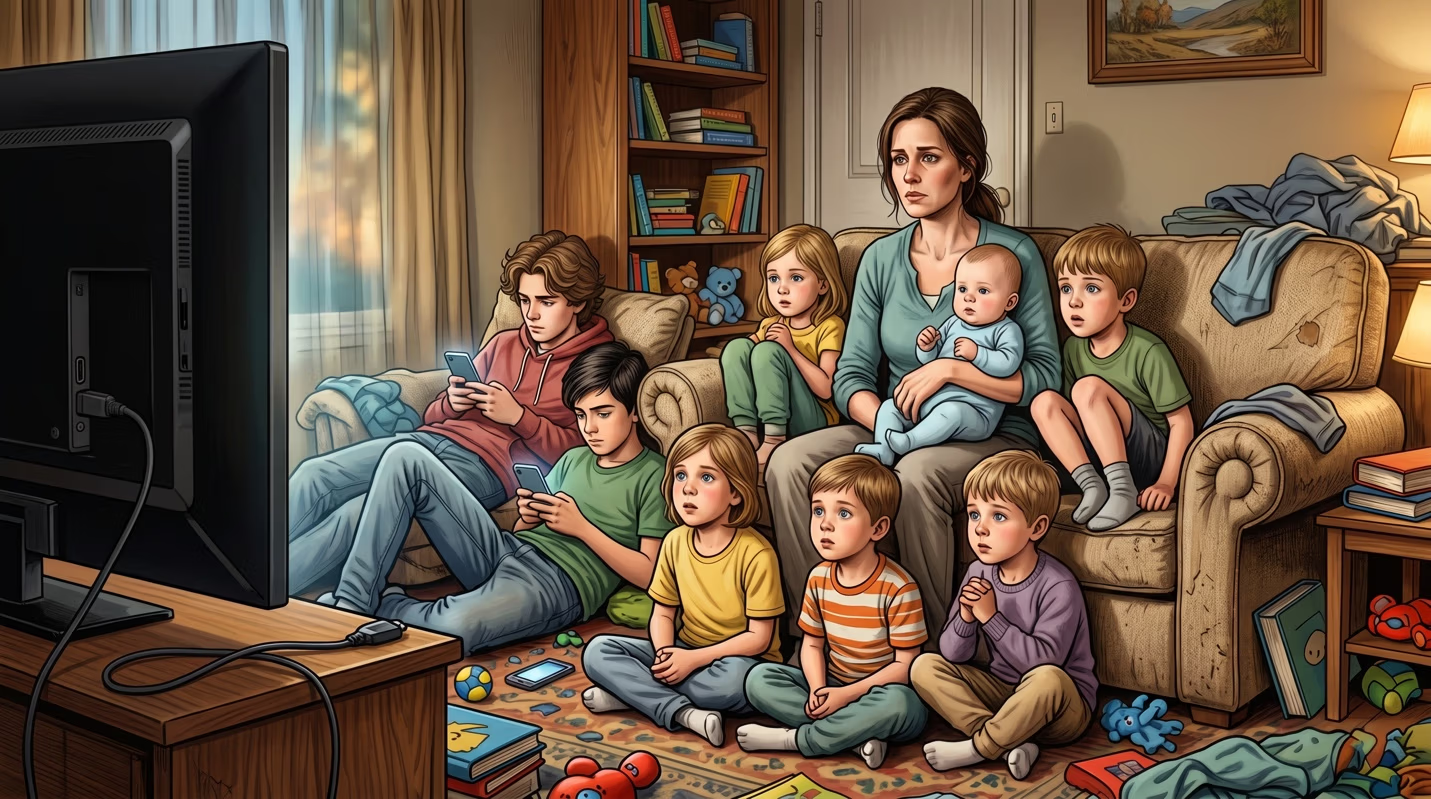
But the artists are the playful creative person, using all of his faculty simultaneously, he is a pleasure, he is playing and he is in a role. Now, when a person is in a role, they don't have a job, they have many jobs and to have a role is not to have a job, but to have dozens and dozens of jobs simultaneously. This calls for great flexibility and great diversity and great tolerance and great flexibility of spirit and the role player, therefore, is a very rich person and a mother's role is never, you can't prescribe it, it's totally unpredictable, she has to be many things that many times the day and so role playing, in that sense, is a world in which you have a vast repertory of parts to perform simultaneously.
Televised interview by Father Patrick Peyton, on Father Peyton’s Family Theatre, 1972, Transcript, p10
Year: 1972
The emperor and clown are complementary. The clown is the emperor’s private self seeking contact with the people and situations that he embodies corporately in his role. The clown is free to spoof the emperor, to test his moods for the benefit and entertainment of the court. The clown is a type of audience researcher or consultant, just as our audience researchers and consultants have become the clowns of our culture. Today we see the emergence of a new type of executive who can switch roles from clown to emperor to probe the environment through his awareness.
Take Today with Barrington Nevitt (1972), p 202
Year: 1972
Chapters:
Complementarities | Management
If you can't have goals, you can play roles. This is where the "put-on" becomes a new way of life like the international motley of hair and costume worn by the young.
“Technology and the Human Dimension. Marshall McLuhan with Louis Forsdale” (1974), in MM: the Man and His Message (1989), p 15
Year: 1974
But the vacuum cleaner's introduction coincided almost precisely with the virtual disappearance of the domestic servant. For the most economically comfortable segment of the population, this meant one thing: The female head of the household was doing more housework than she had ever done before. What Maggie had once done with a broom, Mrs. Smith was now doing with a vacuum cleaner.
The Mechanical Bride (1951), p 78
Year: 1951
Chapter:
Tools We Shape, Reshape Us
The new demand is for older houses with a feeling of character, of being lived in. Paradoxically, electronic man seeks roots and stability.
“Media and the Inflation CROWD” (1973), typescript pp 10-11
Year: 1973

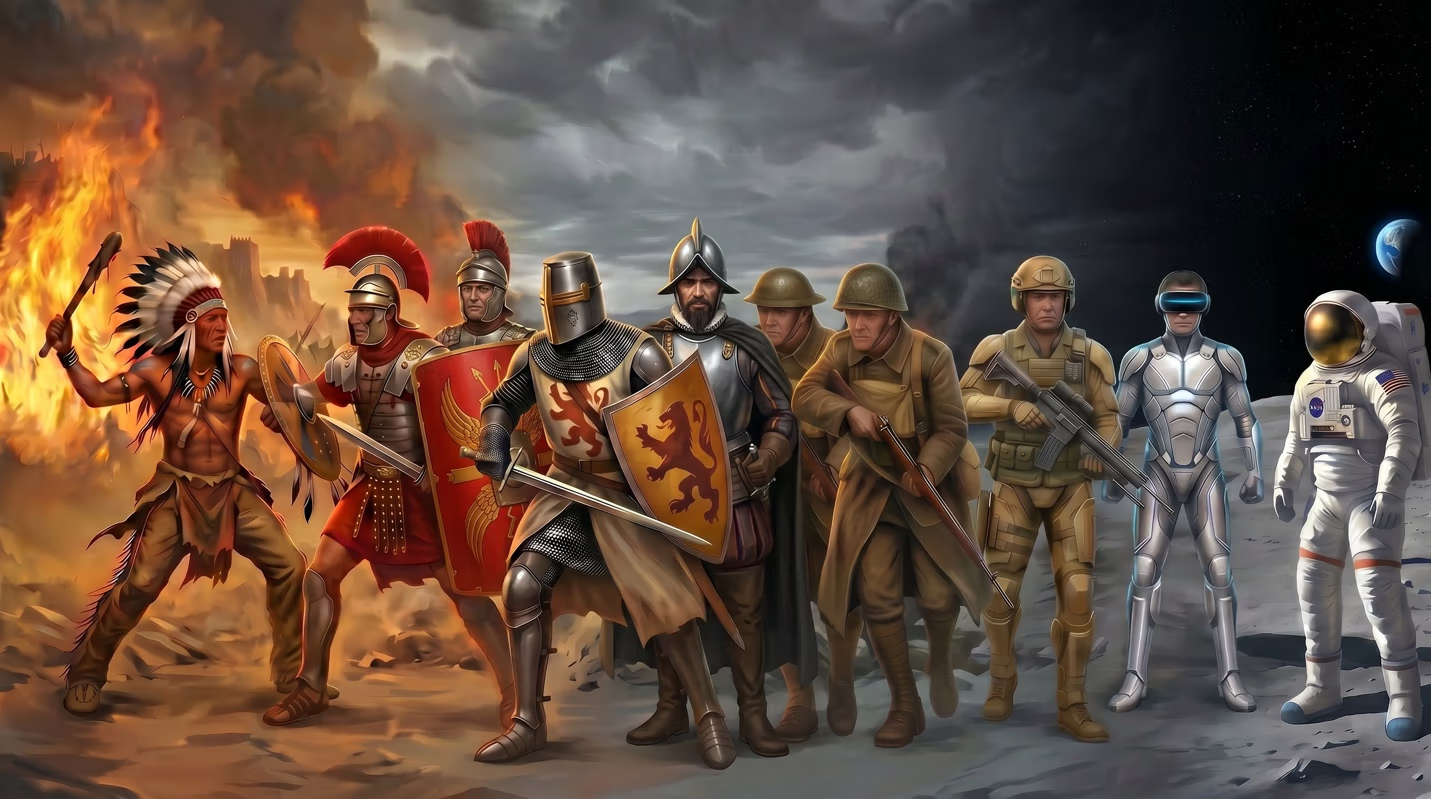

It is impossible to retain private goals in an instant world.
Letter to Pierre Elliott Trudeau, March 26, 1974, in Letters of Marshall McLuhan (1987), p 494
Year: 1974
The iceman, in other words, no longer cometh. Nor doth the baker, the butcher, the grocer, the knife sharpener, the seamstress, nor the doctor. Thus a new category has been added to the homemaker's job description: chauffeur…
The Mechanical Bride (1951), pp 78-79
Year: 1951
Chapter:
Tools We Shape, Reshape Us
The old king had a role, not a job. He was an inclusive centre-without-a-margin. The new consciousness like the new prince is a harassed executive, exercising a job, applying knowledge to problems, and having only momentary contacts with his marginal subjects, who are all ambitious rival segments anyway.
The Gutenberg Galaxy: The Making of Typographic Man, (1962), p 249
Year: 1962
… men in the electric age move increasingly to involvement in diverse jobs simultaneously, and to the work of learning, and to the programming of computers. And evangelical zeal is now centered in the department of sales and distribution rather than in preaching. But the scientific structure and moral patterns of the monastic discipline are still intact, so that anybody seeking to understand or modify the religious intensity of modern technology and business has to look closely into these antecedents.
The Mechanical Bride (1951), p 33
Year: 1951
Chapter:
McLuhan on McLuhan