Viewing chapter Simultaneity (27 quotes)
“SILENCE is all the sounds of the ENVIRONMENT at once.” John Cage
Quoted in the Dewline deck of cards, 5 of Diamonds
Chapter:
Simultaneity
All that ends now, in the electronic age whose media substitute all-at-onceness for one-thing-at-a-timeness. The movement of information at approximately the speed of light has become by far the largest industry of the world. The consumption of this information has become correspondingly the largest consumer function in the world.
NAEB Report on Understanding New Media, June (1960), p 1-2
Year: 1960
Under electric conditions, transmigration is lived out actually, you see; you can be many kinds of people and have many kinds of experiences simultaneously.
Jean Pare interview in Forces magazine a Hydro Quebec publication, No.22, (1973), p 27
Year: 1973
To the world of the simultaneous and the instantaneous there is no sequence. There is no logic. There is only the simultaneous-instantaneous burst breakthrough. I was once in a plane when it was struck by lightning.
“Man and Media,” lecture delivered at York University, Toronto, (1979), in Understanding Me (2003), p 281
Year: 1979
Simultaneity is the formula for the writing of both the detective story and symbolist poem. These are derivatives (one “low” and one “high”) of the new technological culture. Simultaneity is related to the telegraph, as the telegraph to math and physics.
“Media Log”, in Explorations 4 (1955), p 52
Year: 1955
MCLUHAN: …People have been forever trying to figure out where this evolution metaphor came from, since life obviously has never pursued any one direction. Natural selection and development go in all directions simultaneously. The kids today, in the electric world, are suddenly released from the fixed visual patterns of twenty-five hundred years of Western culture. The "missing link" has turned out to be a resonant interval because there wasn't any "chain of being" in the first place. I'm not saying this release is a good thing—
FORSDALE: You're not saying it's a bad thing either, are you?
MCLUHAN: I'm simply saying that it has happened, and it happened because of our own making activities, our own innovations.
“Technology and the Human Scale”, Interview with Louis Forsdale (1974) in MM: The Man and His Message (1989), p 20
Year: 1974
At the speed of light there is no sequence. Everything happens at the same instant. That’s acoustic when everything happens at once. There’s no continuity; there’s no connection; there’s no follow through. It’s just all now.
“What Television Does Best,” NBC TV appearance with Tom Snyder (1976), in McLuhan Speaks transcript, p 1
Year: 1976
Chapter:
Speedups
The day of the individualist, of privacy, of fragmented or “applied” knowledge, of “points of view” and specialist goals is being replaced by the over-all awareness of a mosaic world in which space and time are overcome by television, jets and computers—a simultaneous, “all-at-once” world in which everything resonates with everything else as in a total electrical field, a world in which energy is generated and perceived not by the traditional connections that create linear, causative thought processes, but by the intervals, or gaps, which Linus Pauling grasps as the languages of cells, and which create synesthetic discontinuous integral consciousness.
“Playboy Interview: Marshall McLuhan: A Candid Conversation with the High Priest of Popcult and Metaphysician of Media.” By Eric Norden. Playboy Magazine, March (1969), p 70, reprinted in Essential McLuhan (1995), p 258
Year: 1969
Chapter:
Today’s Transition
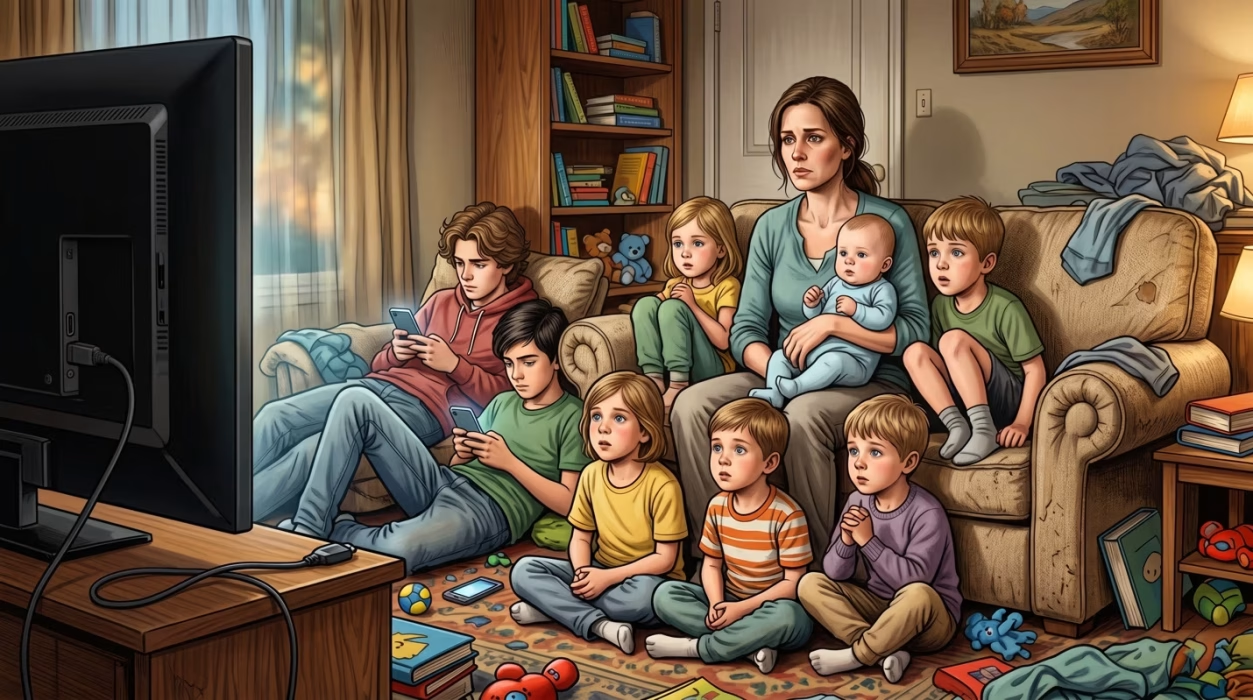




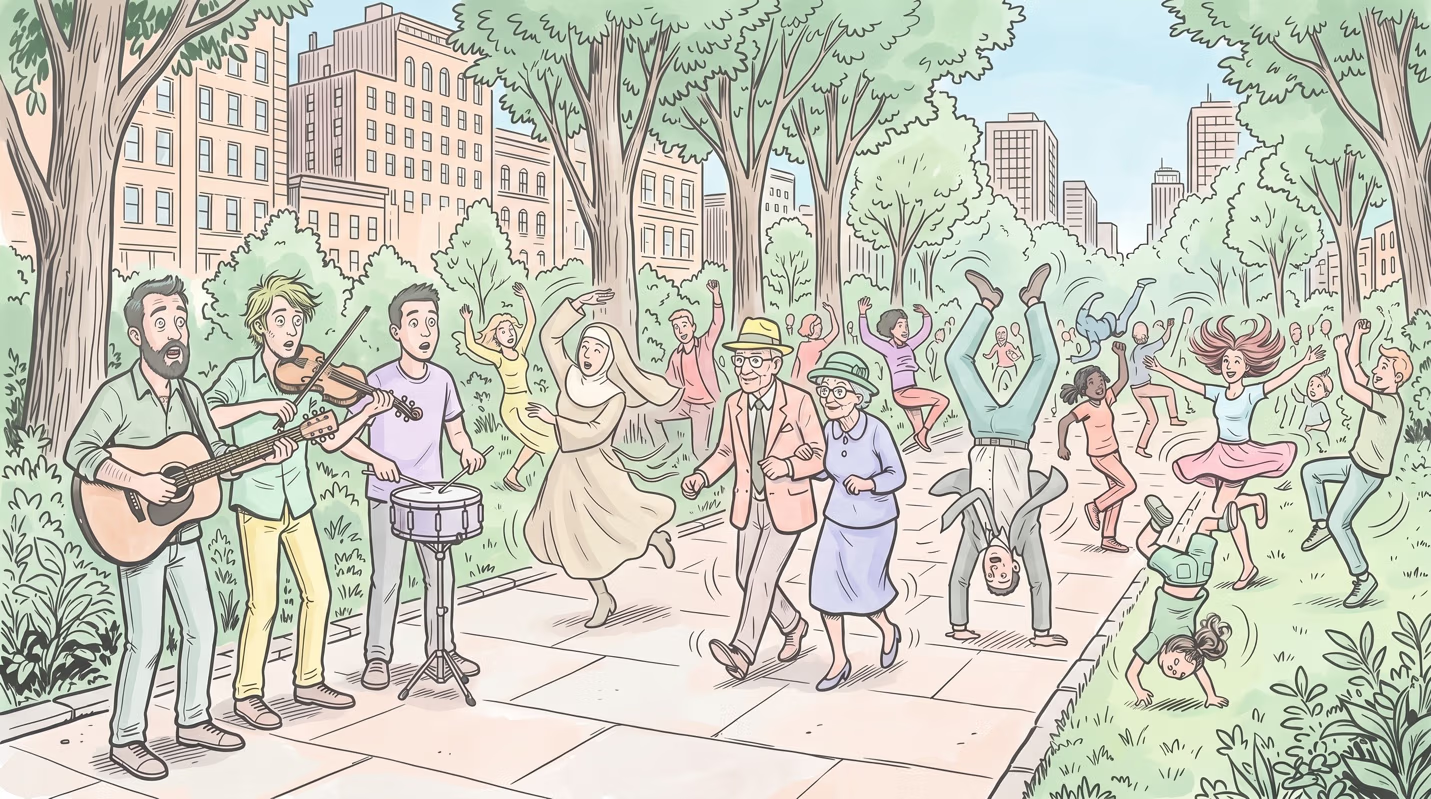
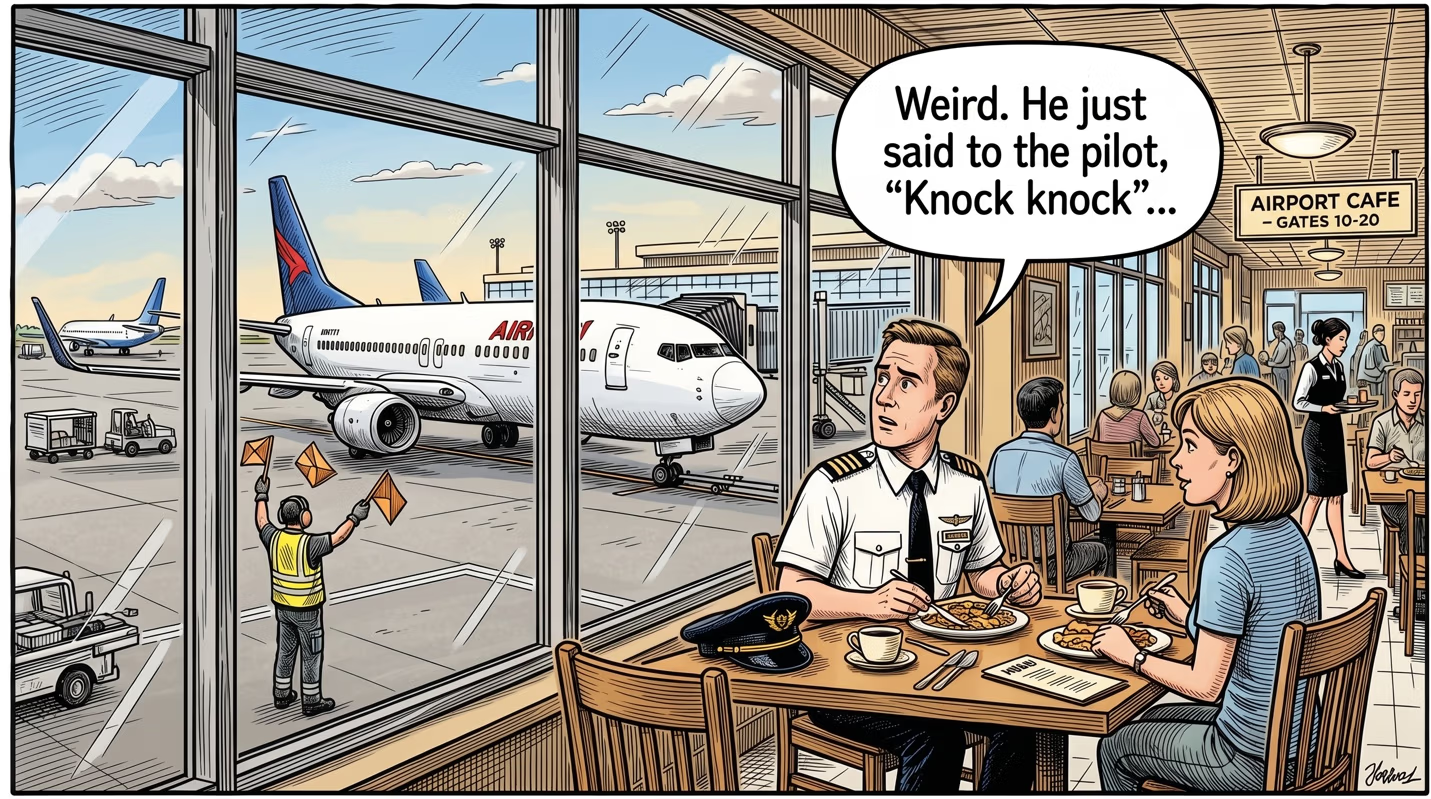
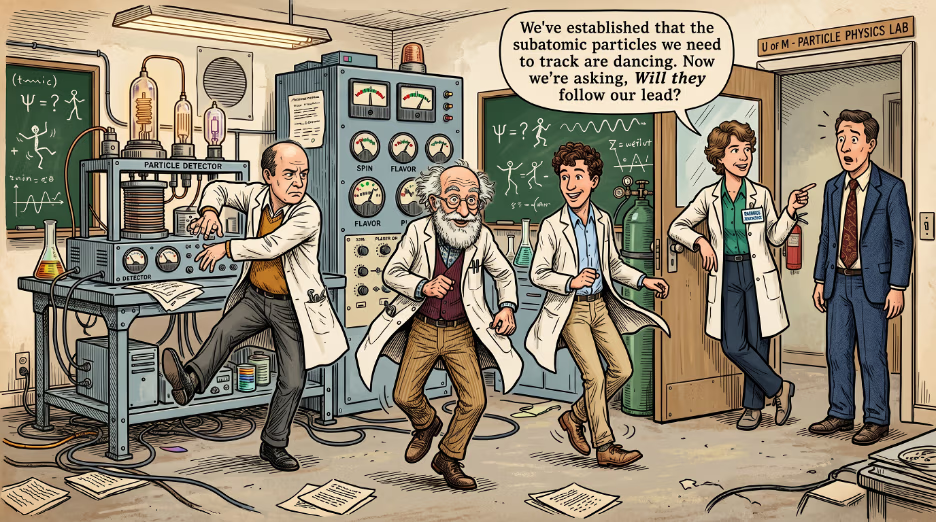

The assembly line is now obsolete in the electric age because synchronization is no longer sequential. By electric tapes, synchronization of any number of different acts can be simultaneous. Thus the mechanical principle of analysis in series has come to an end. Even the wheel has now come to an end in principle, although the mechanical
stratum of our culture carries it still as part of an accumulated momentum, an archaic configuration.
Understanding Media, 1964, in the MIT/Routledge edition, p 152
Year: 1964
Chapter:
Goodbye Linearity
In a simultaneous information structure such as the electronic global community, we cannot afford subliminal factors since their operation is haphazard. The simultaneous compels us to make a social order that, like a poem or painting, is totally realized in its interrelations, and in which each factor has total relevance.
“Electronic Revolution” (1959), in Understanding Me (2003), p 9
Year: 1959
Today, the instantaneous world of electric informational media is a brand new world of “all-at-onceness.” Time, in a sense, has ceased and space has vanished. Like primitives we live now in a “global village” of our own making, a simultaneous happening. The global village is not created by the motor car or even by the airplane. It is created by instant electronic information movement. The global village is at once as wide as the planet and as small as the little town where everybody is maliciously engaged in poking his nose into everybody else’s business. The global village is a world in which you don’t necessarily have harmony; you have extreme concern with every else’s business and much involvement in everybody else’s life. It’s a sort of Ann Landers column written larger. And it doesn’t necessarily mean harmony and peace and quiet, but it does mean huge involvement in everybody else’s affairs. And so, the global village is as big as a planet and as small as the village post office.
“A McLuhan Montage,” in School Library Journal, April, 1967, p 39
Year: 1967
It really doesn´t matter to which phase of our culture today we turn. The habit of simultaneous vision of all phases of process is what characterizes the articulate awareness in the field.
What fundamental changes are foreshadowed in the prevailing patterns of educational organization and methods of instruction by the revolution in electronics? (1959), typescript, p 3
Year: 1959
The all-at-onceness of electric data is not only organic and inclusive but reshapes the entire imaginative lives of highly literate communities.
Letter to Pierre Elliot t Trudeau, April 16, 1968, in Letters of Marshall McLuhan (1987) p 351
Year: 1968
���today, in the electric age, the simultaneous character of information moving at the speed of light assails from all directions simultaneously as we hear from all directions at once.
“Art as Survival in the Electric Age” (1973), in Understanding Me (2003), p 206
Year: 1973
The simultaneous is automatically acoustic because you hear from all directions at once. You see from only a small area and vision is in fact continuum. The acoustic world is not continuous, there is no continuum in the ear world, but in the touch world every moment is different. You've heard the phrase “to the blind all things are sudden” every bit of space is different from every other day; there's no continuum for the blind, there's no continuum for the ear.
“Interview with Nina Sutton (1975)”, 00:08 ff
Year: 1975
Edgar Allan Poe, a newsman and, like Shelley, a science-fictioner, correctly analyzed the poetic process. Conditions of newspaper serial publication led both him and Dickens to the process of writing backward. This means simultaneity of all parts of a composition. Simultaneity compels sharp focus on effect of a thing made. Simultaneity is the form of the press in dealing with Earth City. Simultaneity is the formula for the writing of both the detective story and symbolist poem. These are derivatives (one “low” and one “high”) of the new technological culture. Simultaneity is related to the telegraph, as the telegraph to math and physics.
“Media Log,” Explorations 7 (1957); Verbi-Voco-Visual (1967), p 180
Year: 1957
Chapter:
Effect
A picture has a vanishing point related to a fixed position from which the picture is taken, but a mosaic, like a total field of energy or relationships, does not present the means for a point of view or a fixed position. It is an all-a-once or mythical structure in which beginning and middle and end are simultaneously present.
“Environment as Programmed Happening” (1967), p 116
Year: 1967
Chapter:
Perspective, Point of View
The book´s role has diminished because of all the other actors; it's no longer king of subject. We owe a lot to the book, the assembly line of mass production, for example, comes to us from the book, from the printed line where things move along and happened one at a time. But the assembly line has changed, it is no longer one thing at a time, but wherever possible everything at once. Forty or fifty operations happening at the same time, controlled and synchronized, exactly by pre-set tape.
“Marshall McLuhan Describes the Global Village,” in Explorations (CBC-TV), May 18, 1960, transcript, p 3
Year: 1960
Chapter:
Linear and Nonlinear
News as such has to be simultaneous in order to be news. The event itself is only the figure, whose significances are constituted by the hidden ground of the dateline, and the simultaneity of the mosaic of other events.
Paper to Conference on Management Information Systems (1974), p 4
Year: 1974
An all-at-once world is structurally like the subconscious. It tends to be mythical and archetypal. Consciousness becomes incidental rather than structural. It is the old environment, not the new one. The individual yields to the tribal man.
Letter to Peter Drucker, October 24, 1966, in Letters, 1987, p 338
Year: 1966
Chapter:
Myth, Mythic
The unconscious is the world in which everything happens at once; in our unconsciousness, there’s no time structure. Everything is simultaneous; everything that ever happened to our race is simultaneous. Now, in our electronic environment – information environment – everything that ever happened is out there now, and is retrievable now. All the events, all the happenings are out in our electronic world simultaneously; this gives them an archetypal, unconscious character…..
“Love,” in Saturday Night Magazine, February, 1967
Year: 1967
Now, in our electronic environment – information environment – everything that ever happened is out there now, and is retrievable now. All the events, all the happenings are out in our electronic world simultaneously; this gives them an archetypal, unconscious character. (1966)
“Questions and Answers with Marshall McLuhan." In Take One Magazine, 1966, p 10
Year: 1966
Moreover, in a simultaneous world which structures information at the speed of light, effects are simultaneous with their causes, or in a sense "precede" their causes. Even in the most mundane matters, we say that "the time was ripe" when something drastic happens, that is, the effects arrive before the causes.
Letter to James W. Carey, March 25, 1974, in Letters of Marshall McLuhan, p 491
Year: 1974
Chapter:
Causality
On the flight deck of a jet liner the rear-view mirror is not consulted, and the astronaut does not have a point of view.
The New Morality, 1967, p 177
Year: 1967
These views are characteristic of a relatively oral culture but became less and less tenable under the conditions of the study of printed books. So that by the time of Coleridge the idea of the simultaneous order of all elements in a composition seemed novel and exciting. Yet this notion of the simultaneous interaction of all parts of any work has become the norm in twentieth-century study of literature and of society.
“Knowledge, Ideas, Information, and Communication”, 1958, p 227
Year: 1958
As such, this information environment of all-at-onceness and instant retrieval makes it difficult for the young to accept the specialized goals and fragmentary consciousness of nineteenth-century specialized man”
From Cliché to Archetype, with Wilfred Watson, 1970, p 66
Year: 1970
Since Flaubert the novel has become a group of themes stacked one on the other, and heard simultaneously. Nobody would suggest for a moment that this revolution was the result of planning or doctrinaire preference. It simply corresponds to the actualities of the age of the telegraph newspaper when all cultures tend to be presented daily and simultaneously in any newspaper.
Knowledge, Ideas, Information, and Communication, 1958, p 231
Year: 1958
There cannot be deferred goals in a simultaneous world.
“Literature and the Scientific Knowledge of Man” (1976), in Mosaic (New Delhi), pp 17-18
Year: 1976