Viewing chapter Tools We Shape, Reshape Us (64 quotes)
"But lo! Men have become the tools of their tools."
Henry David Thoreau
Walden (Thomas Y. Crowell & Company, 1910), p 47
Year: 1910
Chapter:
Tools We Shape, Reshape Us
As a sort of capsule observation, it could be said that the computer is the LSD of the business world, transforming its outlook and objectives. None of the existing goals of twentieth-century business enterprise can survive the impact of the computer for even ten years. The drop-out is not a phenomenon limited to the high school or the campus, for the higher the executive the more he feels cut off from the real developments of the operation he directs.
War and Peace in the Global Village, 1968, p 83
Year: 1968
The psychic and social impact of new technologies and their resulting environment will reverse all the characteristic psychic and social consequences of the old technology and its environments.
War and Peace in the Global Village, 1968, p 82
Year: 1968
When we say that the user is the content of a medium, be it a hammer, a language, or telephone, we draw attention to the fact that the extensions of man surround him with services and environments. This aspect does not contradict “the medium is the message,” but rather sets up the figure-gorund pattern more clearly. The user of a coinage or radio is in a perpetual interface with that which he uses, and both user and used are modified thereby. It is this resulting modification that constitutes the “message” of the medium.
“Bulls Eye, Cow’s Eye, 1971, unpublished typescript on the user as content
Year: 1971
Chapters:
Transform | User as Content
… new technology breeds new man.
“Playboy Interview: Marshall McLuhan: A Candid Conversation with the High Priest of Popcult and Metaphysician of Media”. By Eric Norden. Playboy Magazine, March (1969), p 74 (1969), in The Essential McLuhan, p 264-265
Year: 1969
Chapters:
McLuhanisms & Zingers | Transform
The Eskimo is a servomechanism of his kayak; the cowboy of his horse; the businessman of his clock; the cyberneticist—and soon the world—of his computer. In other words, to the spoils belongs the victor.
“Playboy Interview: Marshall McLuhan: A Candid Conversation with the High Priest of Popcult and Metaphysician of Media”. By Eric Norden. Playboy Magazine, March (1969), p 53 & 74, reprinted in The Essential McLuhan (1995), p 264
Note* : The preview quote under a picture of Marshall McLuhan on page 53 features the alternative phrasing “In short….”
Electric technology is a qualitative extension of this age-old man-machine relationship; 20th Century man’s relationship to the computer is not by nature very different from prehistoric man’s relationship to his boat or to his wheel—with the important difference that all previous technologies or extensions of man were partial and fragmentary, whereas the electric is total and inclusive. Now man is beginning to wear his brain outside his skull and his nerves outside his skin; new technology breeds new man.
“Playboy Interview: Marshall McLuhan: A Candid Conversation with the High Priest of Popcult and Metaphysician of Media”. By Eric Norden. Playboy Magazine, March (1969), p 74 (1969), in The Essential McLuhan, p 264-265
Year: 1969
Chapter:
Technology
If we refuse to see [the emerging technologies] at all, we will become their servants. It’s inevitable that the worldpool of electronic information movement will toss us all about like corks on a stormy sea, but if we keep our cool during the descent into the maelstrom, studying the process as it happens to us and what we can do about it, we can come through.
Playboy interview (1969) in Essential McLuhan (1997, UK edition), p 259
Year: 1969
Chapters:
He’s Doubtful and Hopeful | Warnings
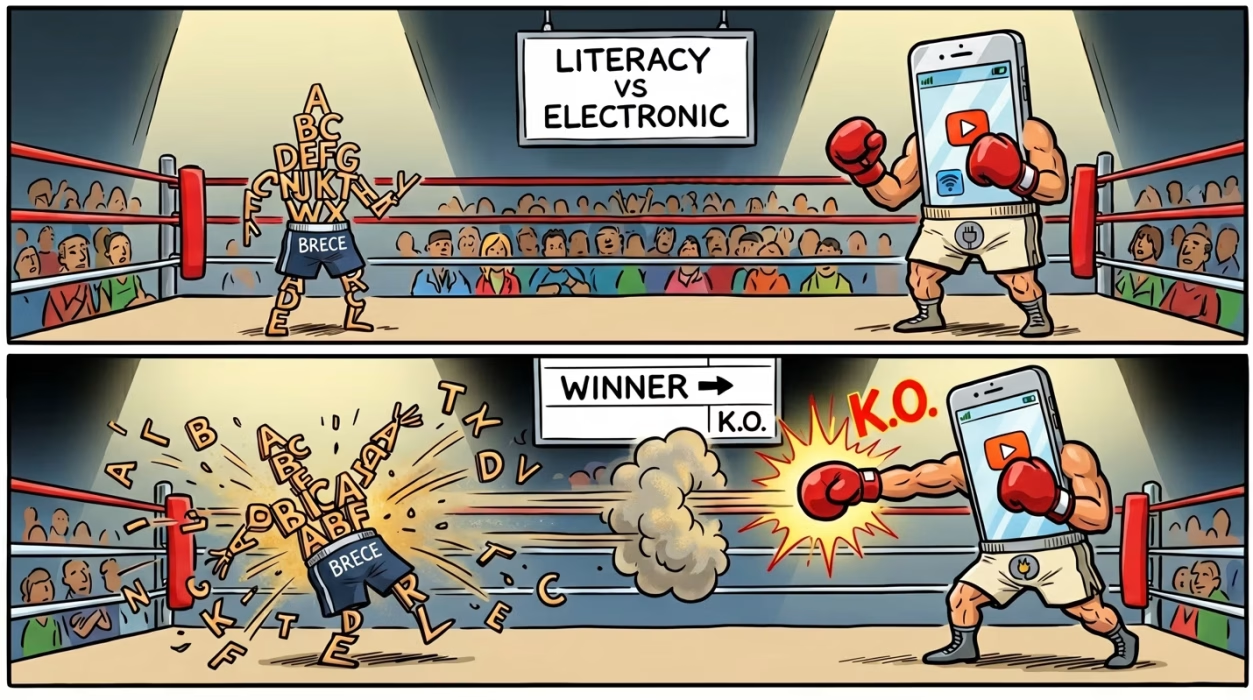
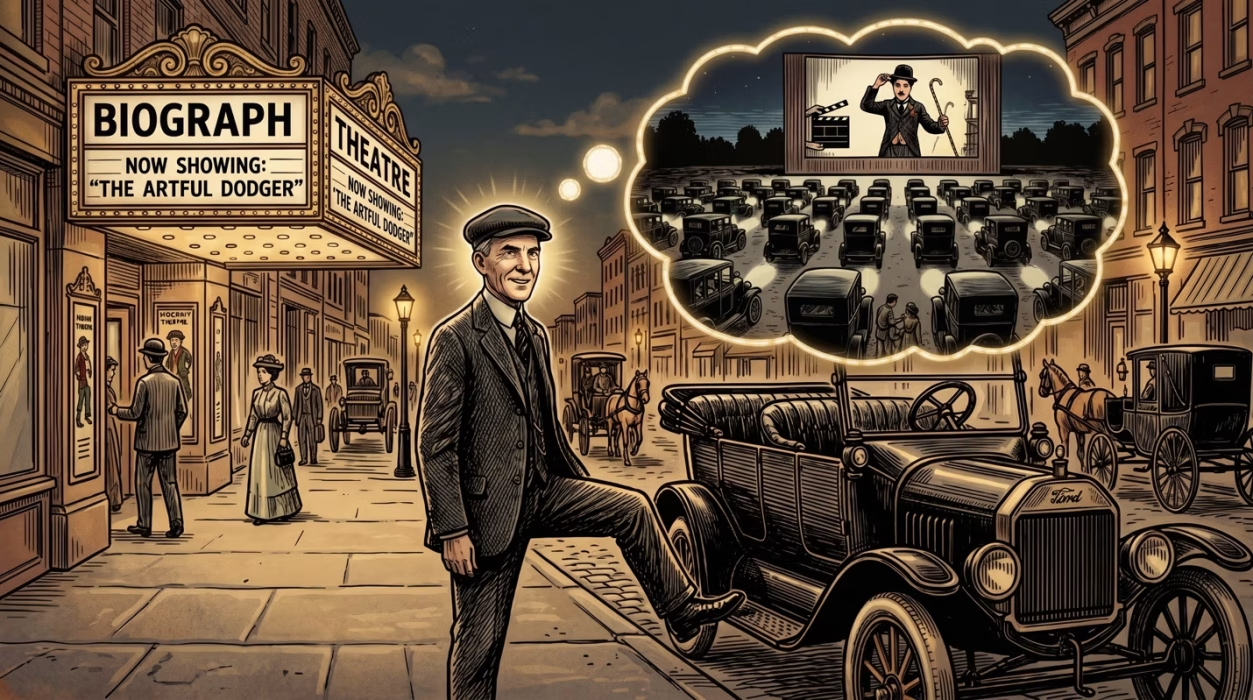
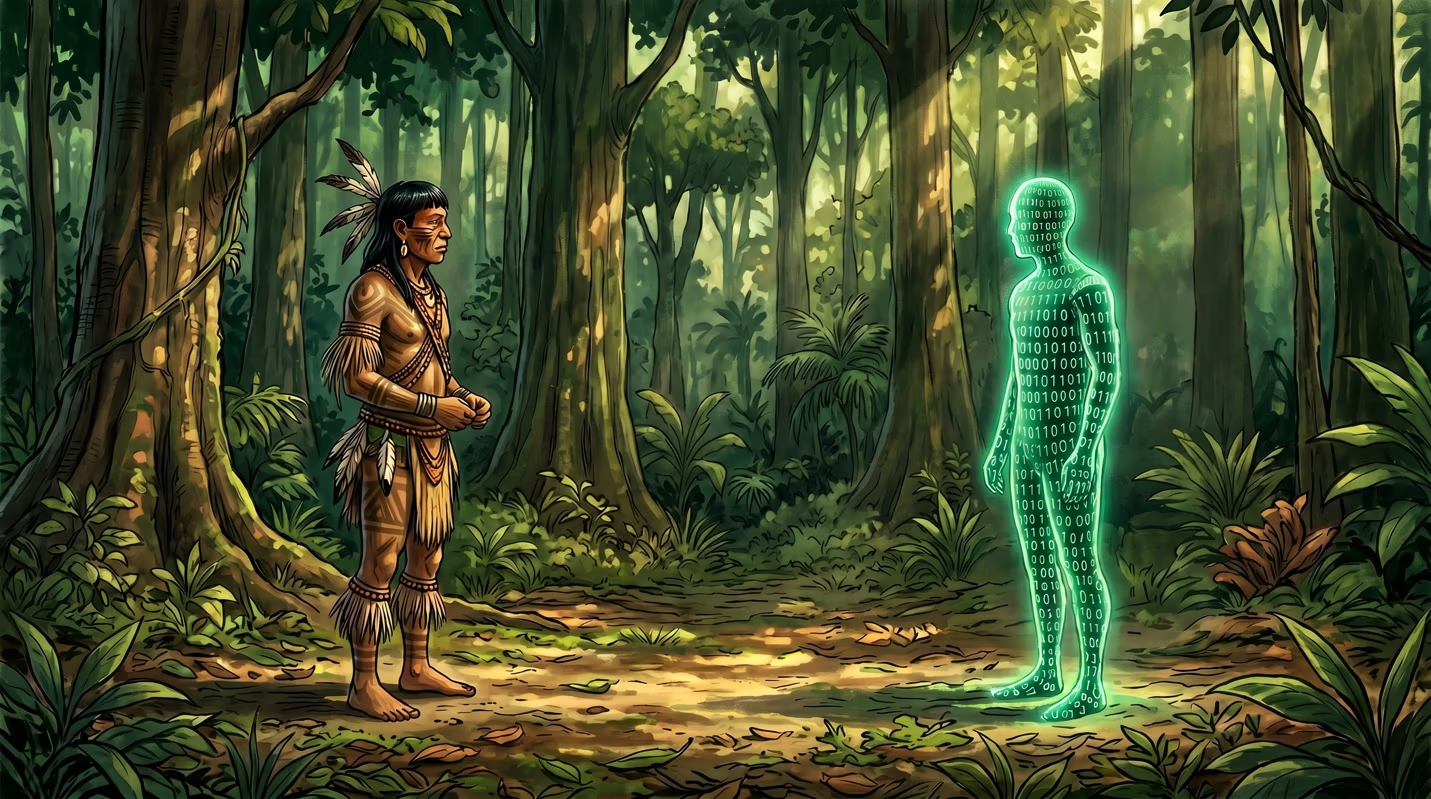
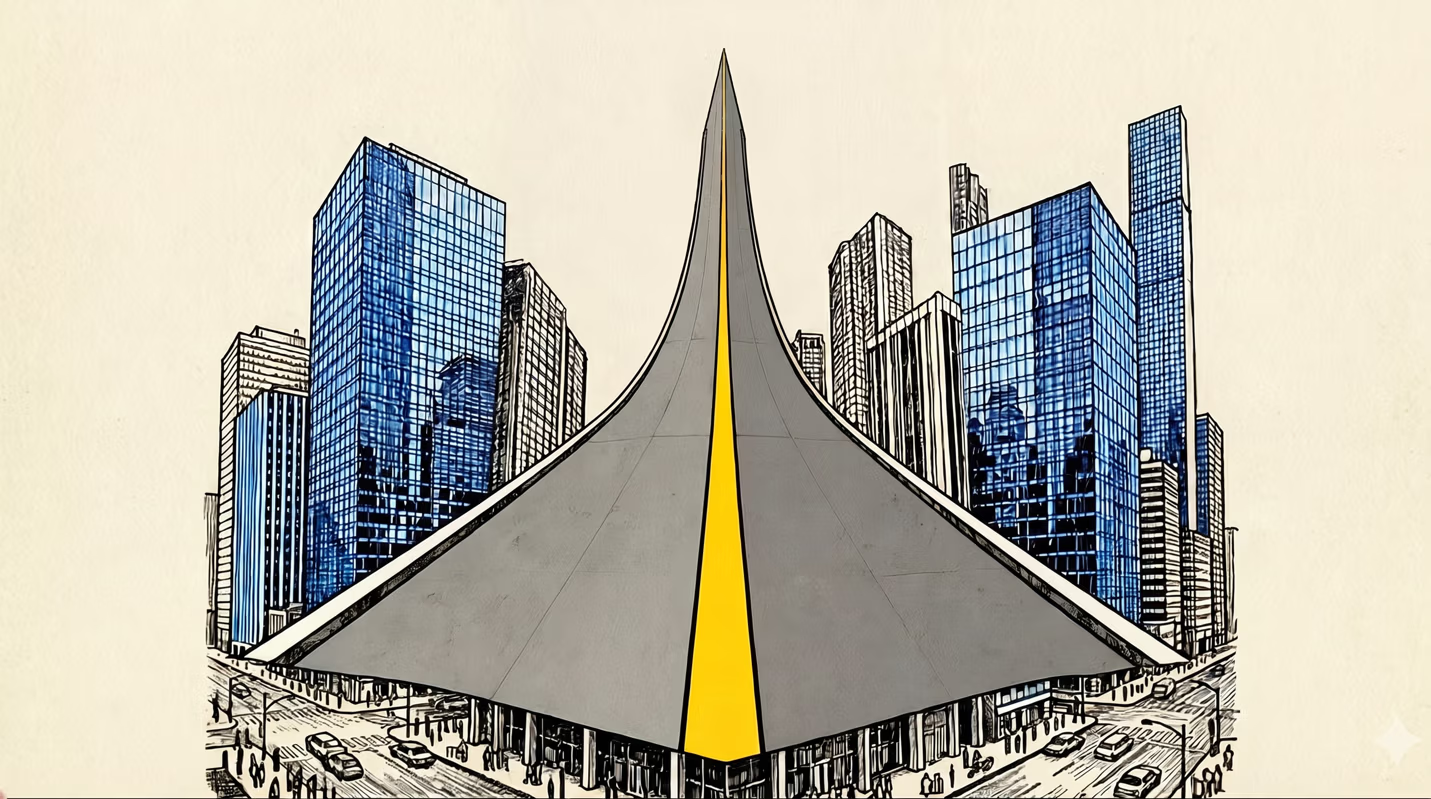
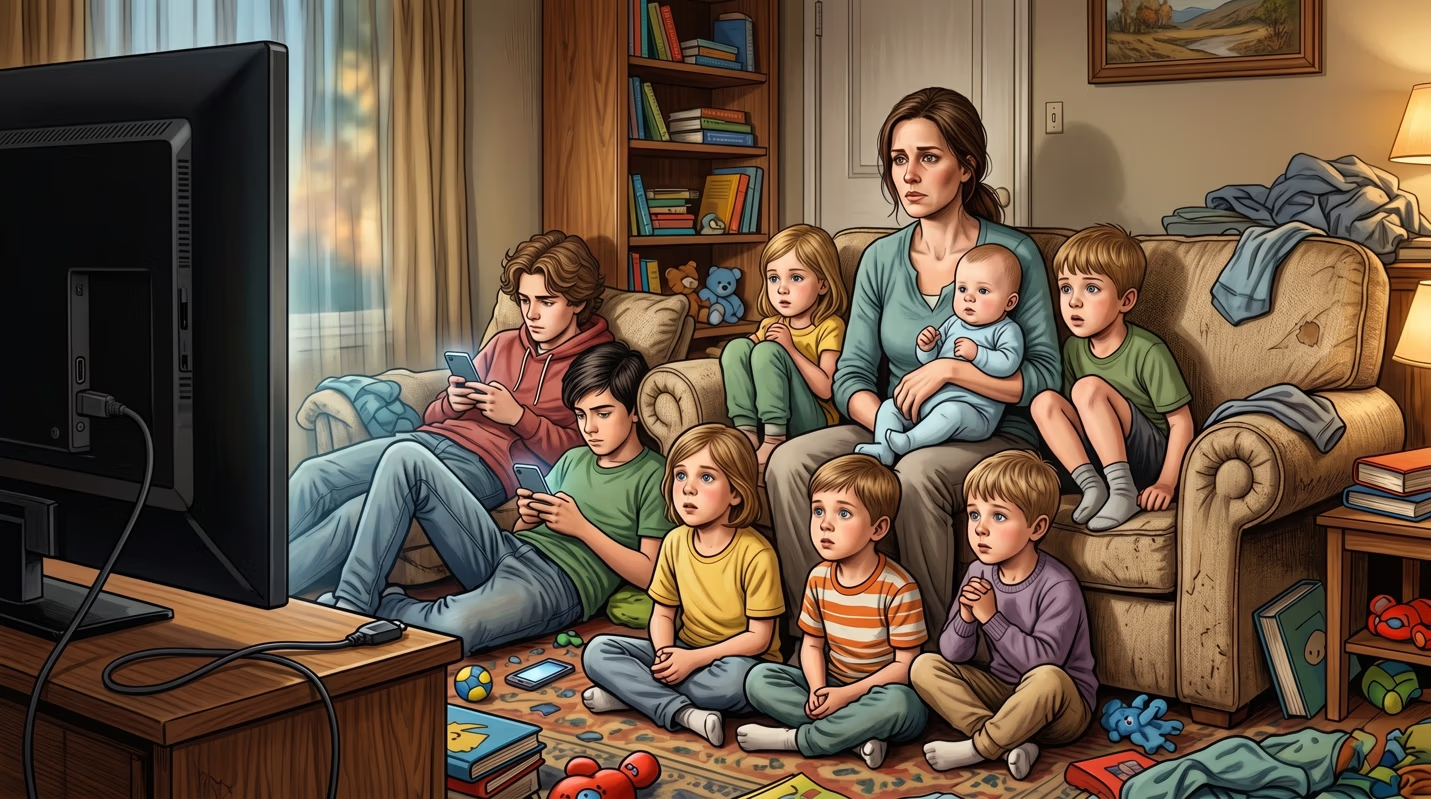
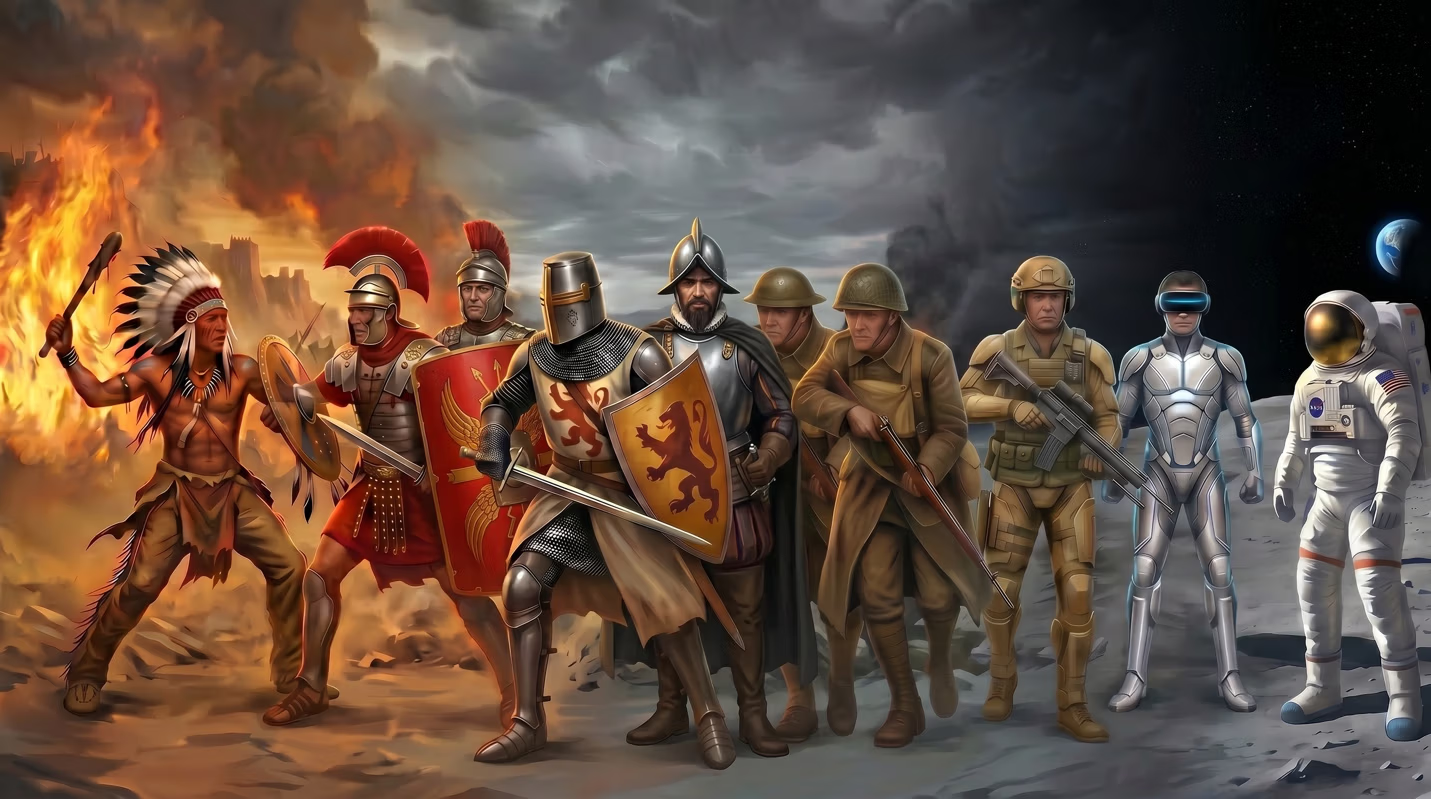
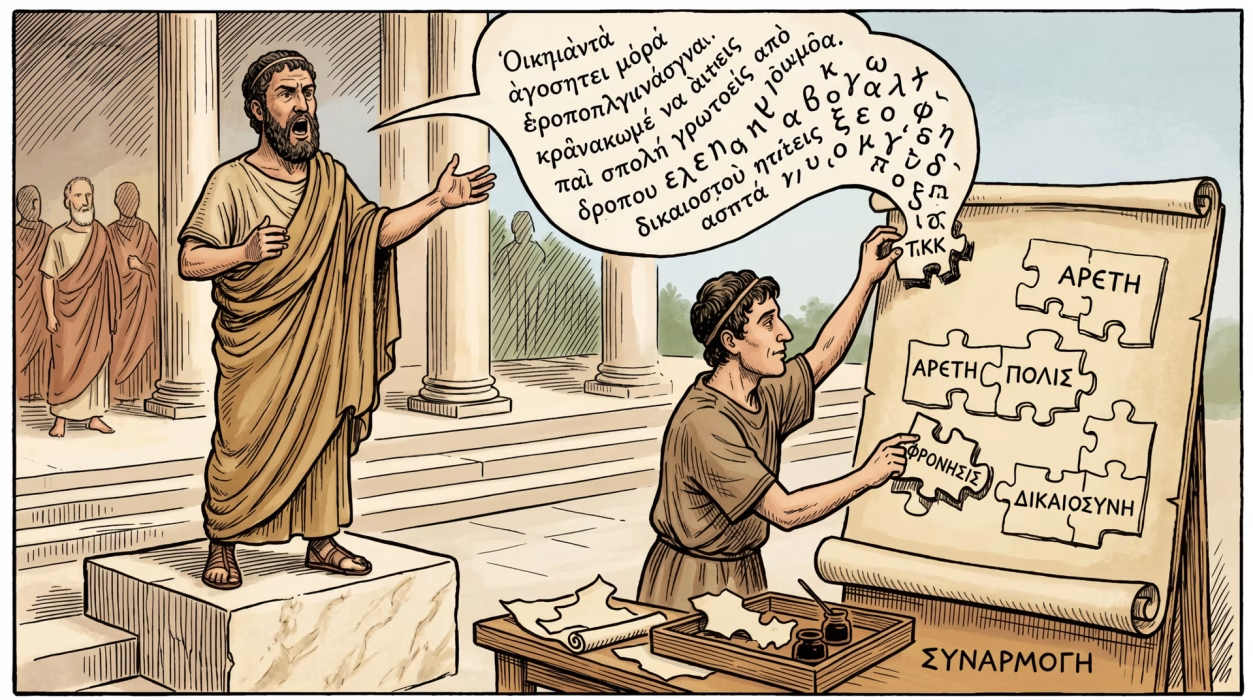

Radio, cinema, and TV have each of them had their individual impact on the remnants of book-culture, changing the scope of poetry and the novel, reviving many aspects of oral tradition and altering human sensibility to its roots. If thirty years ago Mr. T. S. Eliot could modestly suggest that the internal combustion engine had modified the general ear for speech and rhythm, it is now obvious that the entire learning process has been changed by allied development.
“The Later Innis" Queen's Quarterly, Vol. 60, No 3, Autumn (1953), p 388, reprinted in On the Nature of Media (2016), p 42
Year: 1953
When you watch a ball game on TV, you are working for that program.
“Watergate – Participatory Torture”, 1973, p 4
Year: 1973
Chapter:
Education
The only practical problem which remains today is that of restoring human dimensions so that a merely human order can become relevant and practical once more. It is obvious that, humbly envisaged, the machine could have helped to do this. But any rational hope in that quarter is now gone. The machine is power. And practical politics mean quite simply that the machine must assume increasingly its most powerful form. The shape and rational form of man is now irrelevant. The will of all society has persisted in this direction for more than a century. Enthusiastic abdication on behalf of the machine. Eager embrace of man when deloused of his humanity by technics.
“The Psychopathology of ‘Time’ and ‘Life’” (1949) in The Scene Before You (1955), p 159
Year: 1949
A primary method for studying the effects of anything is simply to imagine ourselves as suddenly deprived of them. If students were to interview physically deprived people about the effects of living in a world which has no place for a paraplegic, or a blind man, they would quickly apprehend the menace of our man-made service environment. They would soon discover that it is we ourselves who serve these environments.
“English Literature as Control Tower” (1974), p 6
Year: 1974
Chapters:
Media Study | Services, Disservices
“To behold, use or perceive any extension of ourselves in technological forms is necessarily to embrace it. By continuously embracing technologies, we relate ourselves to them as servo-mechanisms…
UM, locate page
The man of great wealth in the new information world is a puppet employee of his own wealth. He has to work much harder for fewer satisfactions than the ordinary business man.
“Representation Without Taxation: Double Take or Double Talk?” (1971) Heavily annotated, unpublished typescript, p 19
Year: 1971
Chapters:
Complementarities | Extension Theory
The real revolution is in this later and prolonged phase of “adjustment” of all personal and social life to the new model of perception set up by the new technology.
The Gutenberg Galaxy (1962), p 27
Year: 1962
Chapters:
Anticipating Change | Technology
Such new environments, that all of us react to with the precision of marionettes, turn whole populations into servo-mechanisms. Much as the canoe paddler adopts a necessary posture and relation to his vehicle or physical extension, so does the manager of Macy's or the technician of a warning system.
“Art as Anti-Environment” (1965), pp 2-3
Year: 1965
Chapters:
Extension Theory | Media Study
Today we get inside the machine. It is inside us. We in it. Fusion. Oblivion. Safety. Now the human machines are geared to smash one another. You can't shout warnings or encouragement to these machines. First there has to be a retracing process. A reduction of the machine to human form. Circe only turned men into swine. Our problem is tougher.
Letter to Ezra Pound, June 22, 1951, in Letters of Marshall McLuhan (1987) p 227
Year: 1951
Chapter:
Mechanization
There is no difference that does not make a difference,
Laws of Media: The New Science with Eric McLuhan (1988), p 183
Year: 1988
Chapters:
McLuhanisms & Zingers | Transform
The Eskimo is a servomechanism of his kayak; the cowboy of his horse; the businessman of his clock; the cyberneticist—and soon the world—of his computer. In other words, * to the spoils belongs the victor.
“Playboy Interview: Marshall McLuhan: A Candid Conversation with the High Priest of Popcult and Metaphysician of Media”. By Eric Norden. Playboy Magazine, March (1969), p 53 & 74, reprinted in The Essential McLuhan (1995), p 264
Note* : The preview quote under a picture of Marshall McLuhan on page 53 features the alternative phrasing “In short….”
Until now a culture has been a mechanical fate for societies, the automatic interiorization of their own technologies.
The Gutenberg Galaxy: The Making of Typographic Man , (1962), p 76
Year: 1962
When the perverse ingenuity of man has outered some part of his being in material technology, his entire sense ratio is altered. … In beholding this new thing, man is compelled to become it.
The Gutenberg Galaxy: The Making of Typographic Man, (1962), p 265-266
Year: 1962
The formula for hypnosis is “one sense at a time.” And new technology possesses the power to hypnotize because it isolates the senses. Then, as Blake’s formula has it: “They became what they beheld.” Every new technology thus diminishes sense interplay and consciousness, precisely in the new area of novelty where a kind of identification of viewer and object occurs.
The Gutenberg Galaxy: The Making of Typographic Man, (1962), p 272
Year: 1962
A special property of all social extensions of the body is that they return to plague the inventors in a kind of agenbite of outwit.
The Agenbite of Outwit”, In Location Magazine, Vol. 1, No. 1, (1963), reprinted in Marshall McLuhan Essays Media Research: Technology Art Communication, (1997), p 121
Year: 1963
Man becomes, as it were, the sex organs of the machine world, as the bee of the plant world, enabling it to fecundate and to evolve ever new forms. The machine world reciprocates man's love by expediting his wishes and desires, namely, in providing him with wealth. One of the merits of motivation research has been the revelation of man's sex relation to the motorcar.
Understanding Media (1964), MIT/Routledge edition, p 46 This Quote appears with a different phrasing in “Playboy Interview: Marshall McLuhan: A Candid Conversation with the High Priest of Popcult and Metaphysician of Media”. By Eric Norden. Playboy Magazine, March (1969),p 74(and its subsequent reprints)
Year: 1964
like the bees in the plant world, men have always been the sex organs of the technological world.
Understanding Media (1964), MIT/Routledge edition, p 220
Year: 1964
TV is remaking us in its own image.
Quoted in “Alone in the Global Village,” Peterborough Examiner, March 22, 1967
Year: 1967
That irrational wish [of mechanization engendering more mechanization] continues to manifest itself in an interest in production for its own sake. Human goals were, initially, incidental to this wish. They are now irrelevant to it.
“Encyclopedic Unities,” review of L. Moholy-Nagy’s Vision in Motion and Sigfried Giedion’s Mechanization Takes Command, Hudson Review, Vol. 1, No. 4, Winter, 1949, p 599
Year: 1949
All technology has the Midas touch. When a community develops some extension of itself, it tends to allow all other functions to be altered to accommodate that form.
Understanding Media (1964), MIT/Routledge edition, p 139
Year: 1964
But the ablated or outered faculty returns to plague the inventor. The outered sense or faculty must be innered by the human community in the ordinary course of perception. And when it enters the human system again, there is a large displacement of the other senses and faculties, as William Blake spent his life proclaiming in vain.
“The Electronic Age – the Age of Implosion” (1962), p 192
Year: 1962
The user of a coinage or radio is in a perpetual interface with that which he uses, and both user and used are modified thereby. It is this resulting modification that constitutes the “message” of the medium.
“Bulls Eye, Cow’s Eye (1971) unpublished typescript on the user as content, p 1
Year: 1971
The consequences of this [technology as an extension of man’s physical organism] would seem to be that all invention is a form of bodily fission, with the ensuing chain reactions in the body and in the environment.
Letter to Melvin Kranzberg, July 10, 1973 [LAC – not included in Letters]
Year: 1973
We have never stopped drastically interfering with ourselves by every technology we could latch onto. We have absolutely disrupted our lives over and over again.
“The Future of Man in the Electric Age” (1965) in Understanding Me (2003)
Year: 1965
…mine is a transformation theory: how people are changed by the instruments they employ.
The Video McLuhan, in McLuhan Speaks (1996), Stephanie McLuhan, producer
Year: 1996
Chapter:
McLuhanisms & Zingers
Physiologically, man in the normal use of technology (or his variously extended body) is perpetually modified by it and in turn finds ever new ways of modifying his technology.
Understanding Media (1964), MIT/Routledge edition, p 46
Year: 1964
We live in worlds that burrow on each other. We burrow and borrow and barrow (or dump) our trash and treasures in an endless ballet of making and unmaking and remaking.
Take Today with Barrington Nevitt (1972), p 105
Year: 1972
Chapter:
Laws of Media
One generalization, popularized in the writings of H.A. Innis in view of the history of forms of communication since writing, is that any change in the form or channels of communication, be it writing, road, carts, ships, stone, papyrus, clay, or parchment, any change whatever has revolutionary social and political consequences.
Catholic Humanism and Modern Letters” The McAuley Lectures: Christian Humanism in Letters, Saint Joseph College, West Hartford Connecticut, (1954), p 58, reprinted in The Medium and the Light (1999), p 162.
Year: 1954
It is this continuous embrace of our own technology in daily use that puts us in the Narcissus role of subliminal awareness and numbness in relation to these images of ourselves. By continuously embracing technologies, we relate ourselves to them as servomechanisms. That is why we must, to use them at all, serve these objects, these extensions of ourselves, as gods or minor religions. An Indian is the servo-mechanism of his canoe, as the cowboy of his horse or the executive of his clock.
Understanding Media (1964), MIT/Routledge edition, p 46
Year: 1964
Chapter:
Media
Electromagnetic technology requires utter human docility and quiescence of meditation such as befits an organism that now wears its brain outside its skull and its nerves outside its hide. Man must serve his electric technology with the same servo-mechanistic fidelity with which he served his coracle, his canoe, his typography, and all other extensions of his physical organs. But there is this difference, that previous technologies were partial and fragmentary, and the electric is total and inclusive.”
Understanding Media (1964), MIT/Routledge edition, pp 57
Year: 1964
Chapters:
Electric, Electronic | Extension Theory
This is where William Burroughs comes in with his Naked Lunch. When we invent a new technology, we become cannibals. We eat ourselves alive since these technologies are merely extensions of ourselves. The new environment shaped by electric technology is a cannibalistic one that eats people. To survive one must study the habits of cannibals.
“The Hot and Cool Interview”, in Media Research (1997), p 67
Year: 1997
My own approach, following Harold Innis, is a transformation theory, thus homeostasis of the perceptual factors in a rapidly changing environment requires much redistribution of emphasis among the senses. For example, a blind or deaf person compensates for the loss of one sense by a heightening of activity in the others. It seems to me that this also occurs in whole populations, when new technologies create new sensory environments.
Quoted in “McLuhan Delivers His Message,” by Bella Strumbo, Los Angeles Times, February 28, 1972; later quoted in W. Terrence Gordon’s Marshall McLuhan: Escape into Understanding (1997), p 150
Year: 1972
The user of the electric light -- or a hammer, or a language, or a book -- is the content. As such, there is a total metamorphosis of the user by the interface. It is the metamorphosis that I consider the message.
Letter to Edward T. Hall, January 21, 1971, Letters of Marshall McLuhan (1987), p. 422
Year: 1971
Chapters:
Media | User as Content
But the vacuum cleaner's introduction coincided almost precisely with the virtual disappearance of the domestic servant. For the most economically comfortable segment of the population, this meant one thing: The female head of the household was doing more housework than she had ever done before. What Maggie had once done with a broom, Mrs. Smith was now doing with a vacuum cleaner.
Mechanical Bride, 78
Chapter:
Roles
The iceman, in other words, no longer cometh. Nor doth the baker, the butcher, the grocer, the knife sharpener, the seamstress, nor the doctor. Thus a new category has been added to the homemaker's job description: chauffeur…
The Mechanical Bride (1951), pp 78-79
Year: 1951
Chapter:
Roles
The youth Narcissus mistook his own reflection in the water for another person. This extension of himself by mirror numbed his perceptions until he became the servomechanism of his own extended or repeated image.
Understanding Media (1964), MIT/Routledge edition, p 41
Year: 1964
Industrial man is not unlike the turtle that is quite blind to the beauty of the shell which it has grown on its back. In the same way, the modern newspaper isn't seen by the reporter except from the point of view of its mushy sensual content, its pulsating, romantic glamour. The reporter doesn't even know there's a beautiful shell above him. He grows the shell, unwittingly, subhumanly, biologically. This is not even the voice, but only the feel, of the turtle."
The Mechanical Bride: Folklore of Industrial Man, 1951, p.4
Year: 1951
Chapter:
News
…every mode of technology is a reflex of our most intimate psychological experience. The pointillage of Seurat is a derivative of Humean association psychology and exfoliates again in modern wire-photos. Movie technique has obvious relations with the panoramic devices of Scott or Tolstoy.
“Inside Blake and Hollywood” Sewanee Review Vol. 55, No. 4, October, 1947, p 714
Year: 1947
Chapters:
Extension Theory | Living Unity
In a pre-industrial world, a great swordsman, horseman, or animal-breeder was expected to take on some of the character of his interests. But how much more is this the case with great crowds of people who spend their waking energies on using and improving machines with powers very much greater than theirs.
The Mechanical Bride, 1951, p 99
Year: 1951
As early as 1872, Samuel Butler’s Erewhon explored the curious ways in which machines were coming to resemble organisms not only in the way they obtained power by digestion of fuel but in their capacity to evolve every new type of themselves with the help of the machine tenders. This organic character of the machines, he saw, was more than matched by the speed with which people who minded them were taking on the rigidity and thoughtless behaviorism of the machine. In a pre-industrial world a great swordsman, horseman, or animal-breeder was expected to take on some of the character of his interests. But how much more is this the case with great crowds of people who spend their waking energies on using and improving machines with powers so very much greater than theirs.
The Mechanical Bride, 1951, p 99
Year: 1951
It may well be that The Exorcist and “horror” films in general, represent some kind of attempt at catharsis or relief from the cumulative effects of technology in our lives. People who are saturated with the electric service environments may well feel “obsessed” or invaded by evil influences which are acting as vampires in their lives…
“English Literature as Control Tower in Communication” (1974), p 6
Year: 1974
The Bergen-McCarthy “myth” is typical of industrial folklore in that it centers and organizes a variety of thoughts and feelings born of the relations between man and machines he has made. But there is a wide range of mental states engendered in the same man-machine relationship – mental states not embraced in the Bergen-McCarthy “myth” – which have found equally popular expression in unexpected ways. Many of them, naturally, are prone to overlap.
The Mechanical Bride (1951), p 16
Year: 1951
We relate ourselves to these [technologies] as servo-mechanisms. That is why we must, to use them at all, serve these objects, these extensions of ourselves, as gods of minor religions. An indian is the servo=-mechanism of his canoe, as the cowboy is of his horse or the executive of his clock.
McLuhan Hot and Cool (1967), p 197
Year: 1967
Chapter:
Media
When we say that the user is the content of a medium, be it a hammer, a language, or telephone, we draw attention to the fact that the extensions of man surround him with services and environments. This aspect does not contradict “the medium is the message,” but rather sets up the figure-ground pattern more clearly. The user of a coinage or radio is in a perpetual interface with that which he uses, and both user and used are modified thereby. It is this resulting modification that constitutes the “message” of the medium.
“Bulls Eye, Cow’s Eye”, an unpublished 1971 one-page typescript on “user as content.”
Year: 1971
Chapters:
Transform | User as Content
But technology is an abstract tyrant that carries its ravages into deeper recesses of the psyche than did the sabretooth tiger or the grizzly bear.
The Mechanical Bride (1951), p 35
Year: 1951
The throbbing of the gasoline motor and the rhythm of printing presses have much to do with the everyday thoughts and feelings of ordinary people, whether in Tokyo or New York.
The Mechanical Bride (1951), p 7
Year: 1951
Since advertising and entertainment are so very much bigger than education and politics in daily life, perhaps they may have taken on some of the functions of education and politics? An educator or a statesman who has not explored the world of advertising and entertainment today is simply out of touch with his materials.
Untitled manuscript, dated to summer, 1946
Year: 1946
Chapter:
Values & Value Judgments
Narcissus mistook his own reflection in the water for another person. This extension of himself by mirror numbed his perceptions until he became the servomechanism of his own extended or repeated image.
Understanding Media (1964), MIT/Routledge edition, p 41
Year: 1964
In a pre-industrial world a great swordsman, horseman, or animal-breeder was expected to take on some of the character of his interests. But ho much more is this the case with great crowds of people who spend their waking energies on using and improving machines with powers fo very much greater than theirs.
The Mechanical Bride, 1951, p 99
Year: 1951
Physicists tell us that electricity isn't something conveyed by, or contained in, anything, but the conditions we observe where there are certain spatial relations between things. All people imitate their creations. Victorians moved like steam engines; the Gibson girl coming through an archway, her bustle a coal-car, looked like a locomotive leaving a tunnel. Today’s fashions imitate our principal creations, which are electronic. Women imitate light bulbs or TV sets: they give off light, their clothes glow and their hair is luminous.
“McLuhan Looks at Fashion” (1968), On the Nature of Media (2016), p 157-158
Year: 1968
And Samuel Butler in Erewhon pointed out how very biological modern machines had become: “The stoker is almost as much a cook for his engine ass our own cooks for ourselves.” And as a result of our obsessional care for these objects, he goes on, they daily acquire “more of that self-regulating, self-acting power which will be better than any intellect.” Consequently we have no arrived near the day of the automatic factory, when we shall find it as natural for an unaided factory to produce cars as for the liver to secrete bile or the plant to put forth leaves.
The Mechanical Bride (1951), p 34
Year: 1951
As early as 1872, Samuel Butler’s Erewhon explored the curious ways in which machines were coming to resemble organisms not only in the way they obtained power by digestion of fuel but in their capacity to evolve every new types of themselves with the help of the machine tenders. This organic character of the machines, he saw, was more than matched by the speed with which people who minded them were taking on the rigidity and thoughtless behaviorism of the machine. In a pre-industrial world a great swordsman, horseman, or animal-breeder was expected to take on some of the character of his interests. But how much more is this the case with great crowds of people who spend their waking energies on using and improving machines with powers so very much greater than theirs.
The Mechanical Bride, 1951, p 99
Year: 1951
…the alphabet and kindred gimmicks have long served man as a subliminal source of philosophical and religious assumptions. Certainly Martin Heidegger would seem to be on better ground in using the totality of language itself as philosophical datum.
The Gutenberg Galaxy, (1962), p 248
Year: 1962
By default rather than design, most futurists assume that “human nature” will hold firm. They ignore the fact that technological change has always struck human life right at the heart, changing people just as it changes things.
“The Future of Sex” (1967), typescript p 2
Year: 1967
“New technology creates new man.”
Playboy interview, 1969; also reported by Maurice McLuhan from a Monday Night Seminar
Year: 1969
[Written at 22] Reality is whatever can have effects on us sans our coop. (he attributes it to Bernard Bosanquet)
“A Personal Apologia,” Jan. 30, 1933 (LAC)
Chapter:
McLuhan on McLuhan
We shape our tools and thereafter our tools shape us… and then our tools ape us.
Anecdotally acquired and possibly not a McLuhan utterance. Obtained from podcaster Gerry Fialka; unless someone can testify to hearing the full line from McLuhan, there is no confirming evidence that McLuhan uttered these words. - Is it from here: LP recording, The Medium Is the Massage, 1967, Side B (MM)
Year: 1967