Viewing chapter Unconscious (32 quotes)
The instant and total character of electronic information dispersal tends to extend, not consciousness, but the subconscious.
“The New Morality” (1967), p 175
Year: 1967
Indeed, with the advent of electric technology we have entered a relatively dim, unconscious world in which the extension of everybody’s nerves has involved them deeply in all other lives. And while this has threatened the sense of identity of many people, it has heightened the general awareness of the shape and meaning of lives and events to a level of extreme scrupulosity.
"Essay”, for Dot Zero, 1964, pp 2-3
Year: 1964
Even a restricted consciousness is far more interesting than the unconscious profound.
The Gutenberg Galaxy: The Making of Typographic Man, (1962), 245
Year: 1962
Chapter:
Corporate
The unconscious is the world in which everything happens at once; in our unconsciousness, there’s no time structure. Everything is simultaneous; everything that ever happened to our race is simultaneous. Now, in our electronic environment – information environment – everything that ever happened is out there now, and is retrievable now. All the events, all the happenings are out in our electronic world simultaneously; this gives them an archetypal, unconscious character…..
“Love,” Saturday Night Magazine, February, 1967
Year: 1967
This is not to make value judgments. Donne, the medievalist, is oral, active, aggressive and engages the reader in the same restless role. Browne, the charming humanist, is a master at cultivating the gentle reader, playing up his whimsical personality as a principal component in his entertainment.
“Printing and Social Change”, 1959, pages 17-18
Year: 1959
The new environment – completely invisible compared to the old one – is the human unconscious.
“Information Hunt Looms Big” (1967), p 6
Year: 1967
We actually live in a world environment that now has the structure of our own subconscious lives.
"The Future of Morality: The Inner vs. the Outer Quest", in Dunphy, ed., The New Morality” (1967), p 176
Year: 1967

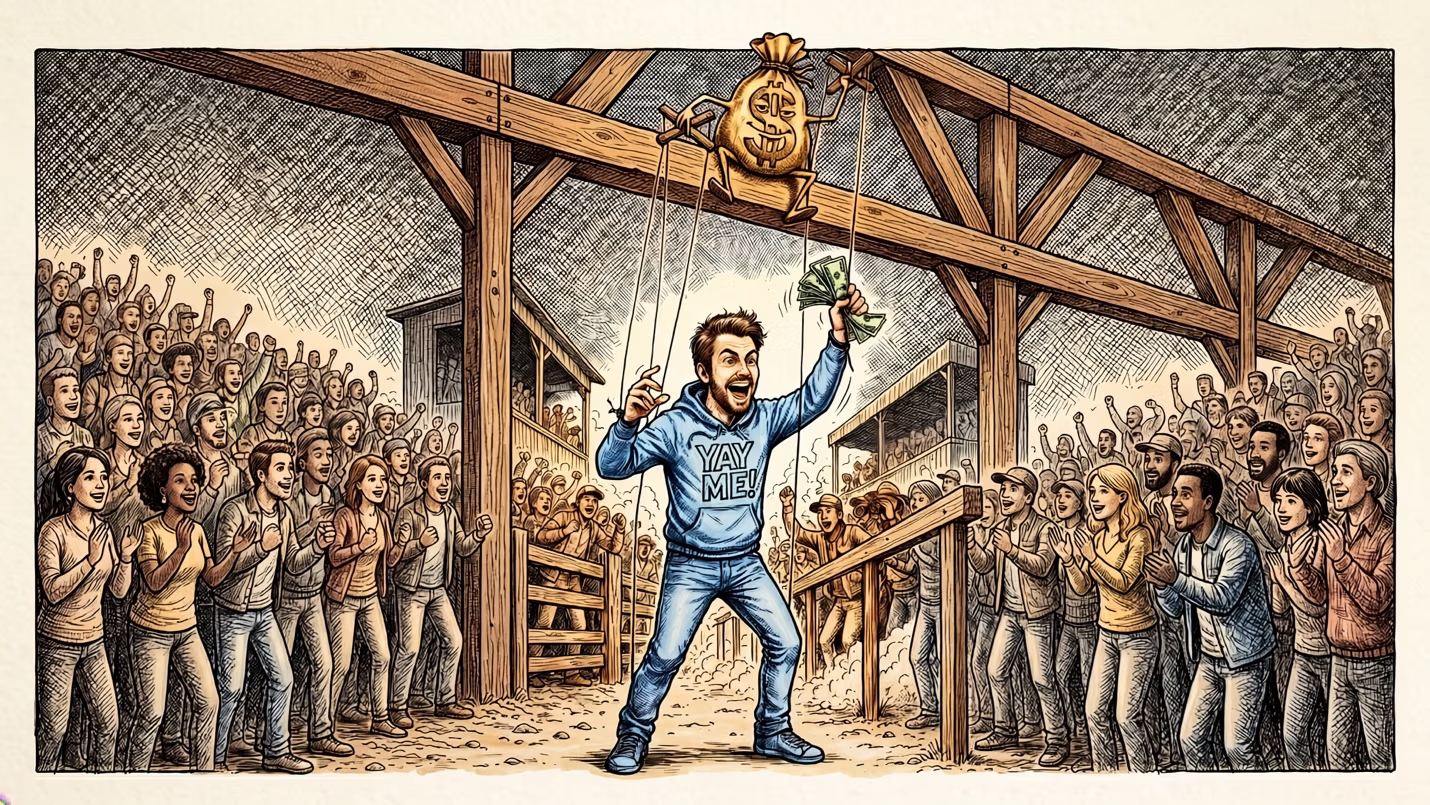
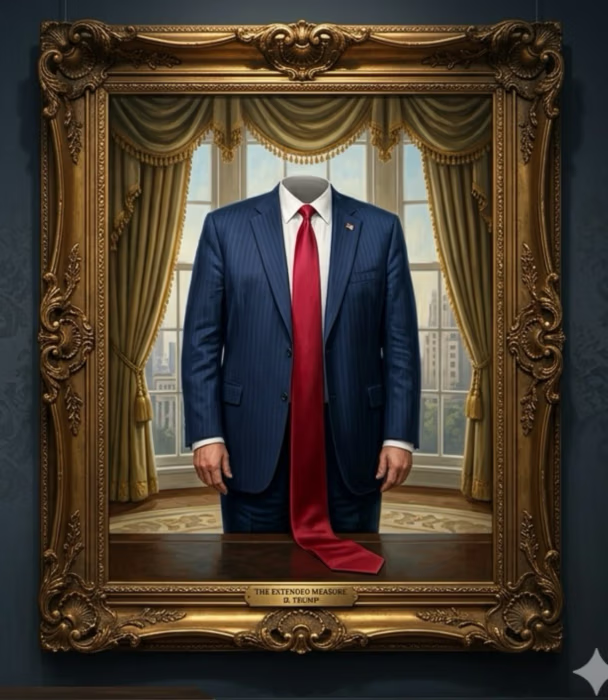
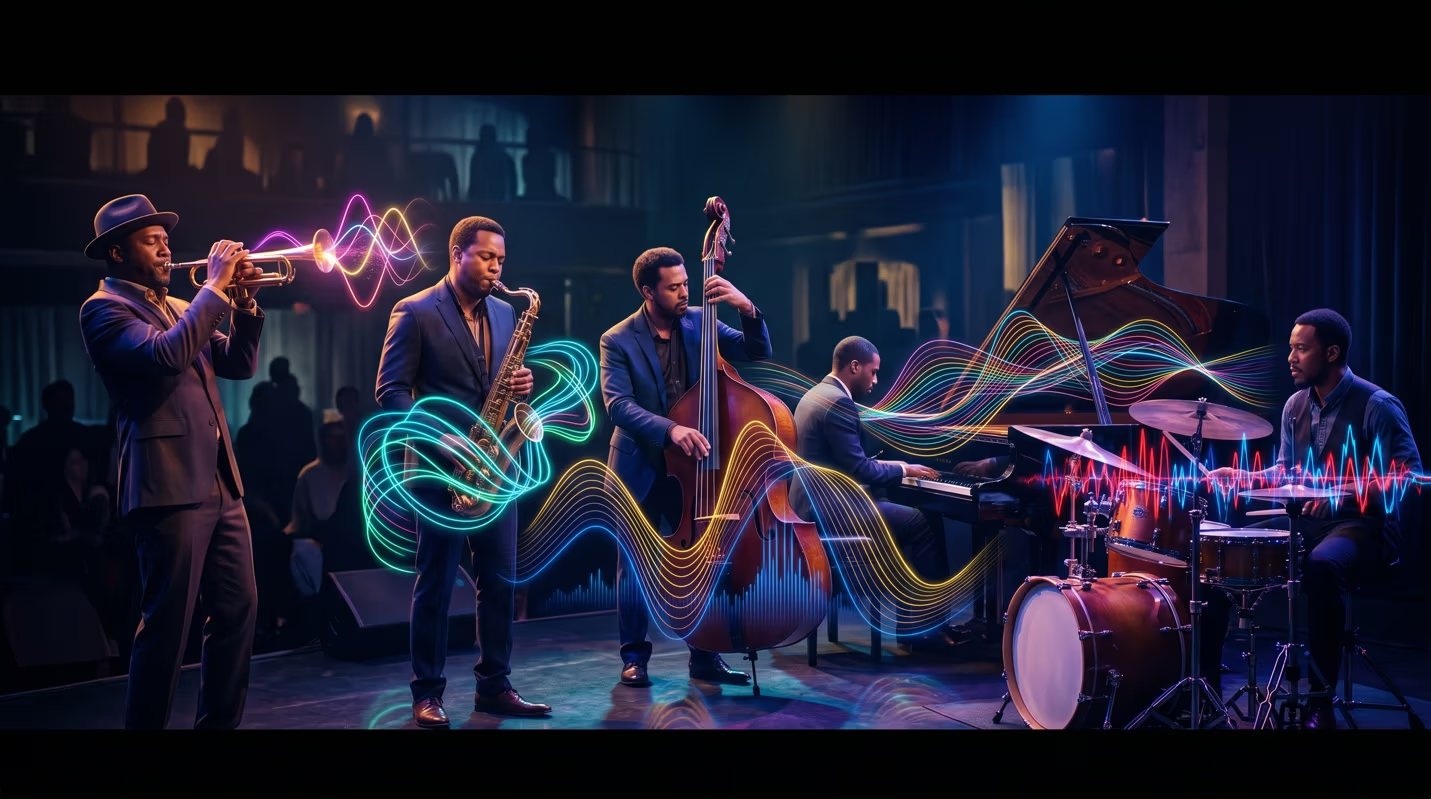
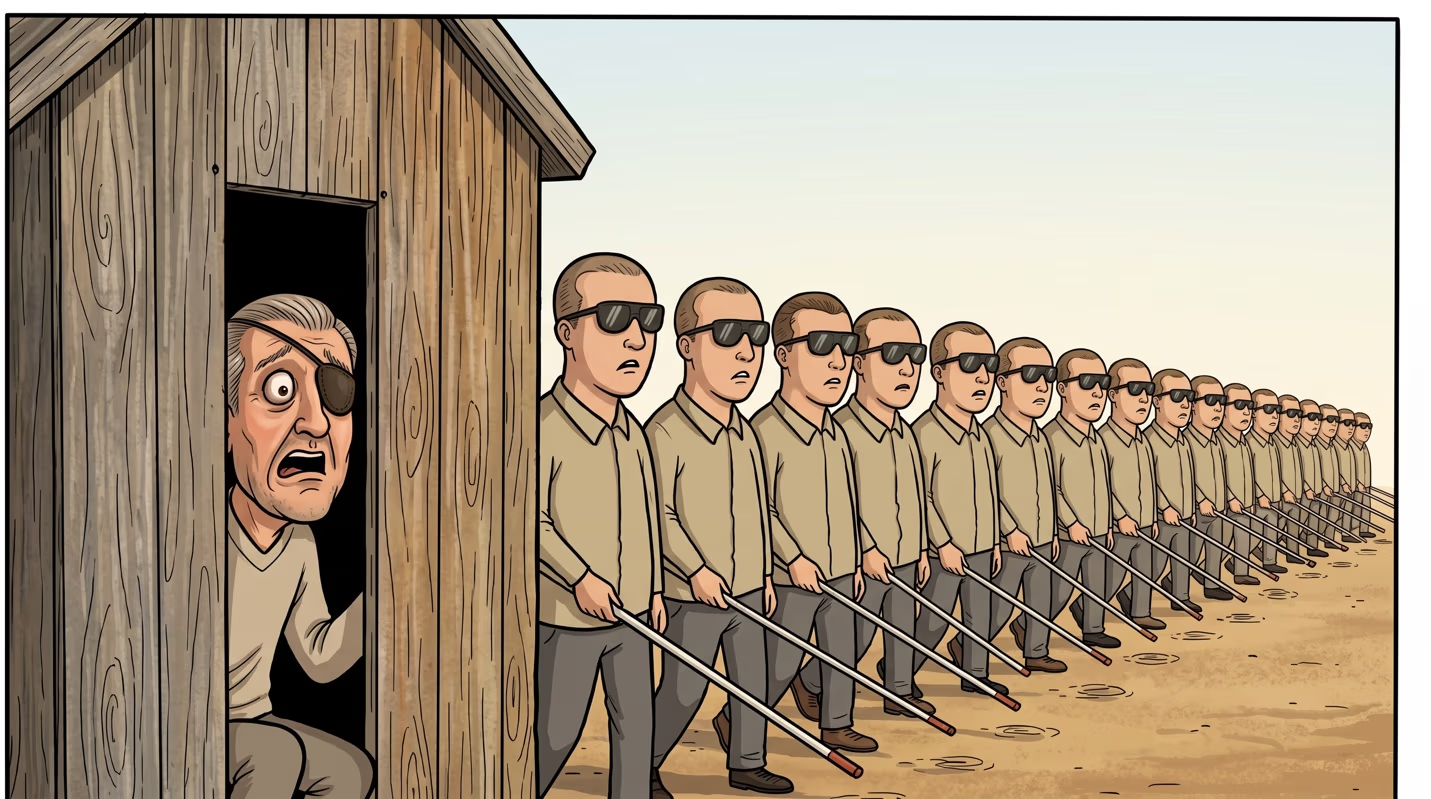

In the electric world, everything is the unconscious. We have created the unconscious outside of ourselves as an environment.
“Education in the Electronic Age” (1970), p 7
Year: 1970
There is no connection between the elements in an electric world, which is equivalent to being surrounded by the human unconscious.
“McLuhan on Marketing”, in Executive, April, 1967
Year: 1967
Anyhow, Darwin broke up anthropocentric consciousness just as Copernicus had done for space. Yet till Freud, man somehow clung to some scrap of intuition of consciousness as tinged by spontaneity. But Freud ended that by his image of mind as ripple on the ocean of unconsciousness.
The Gutenberg Galaxy: The Making of Typographic Man, (1962), p 251
Year: 1962
Chapter:
Corporate
That is to say, the intellectual is no longer to direct individual perception and judgment but to explore and to communicate the massive unconsciousness of collective man.
The Gutenberg Galaxy: The Making of Typographic Man, (1962), p 269
Year: 1962
Chapter:
Corporate
If the unconscious has an important and irreplaceable function in human affairs, we had best look to it – it is being eroded at furious pace; it is being invaded by dazzling investigations and insights; and we could quickly reach a stage in which we had no unconscious. This would be like dreaming awake.
“Technology and Environment”, in Arts Canada, No. 105, February, 1967, pp. 5-7; original typescript, p 2
Year: 1967
Today, our inner life is itself a world of simultaneous relationships. The subconscious, the dream world, is a world wherein we possess all past knowledge of the race. We possess it all simultaneously, and of this we’re completely unconscious because you can’t be conscious of the simultaneous.
“Understanding Canada and Sundry other matters: Marshall McLuhan “interview in Mademoiselle Magazine, January (1967), p 114
Year: 1967
When we put our nerves outside we can only survive by anaesthesia. And so we live in the unconscious. This is the age of the unconscious because it is the age when the nervous system is totally exposed. And if people go unconscious you can only reach them through the unconscious, and it would seem to be an inevitable fact that if you are going to deal with people who are in a trance you are going to have to talk to them in the language of dreams. I think we are for this reason a somnambulist population.
“Prospect” (1962), p 366
Year: 1962
The unconscious is a store of everything at once. When you begin to move information electrically, you begin to create a subconscious outside. Until recently, the conscious was our environment; now the subconscious has become our environment.
“Understanding Canada and Sundry other matters: Marshall McLuhan “interview in Mademoiselle Magazine, January (1967), p 114
Year: 1967
Until a technology has existed long enough to permeate social psyche and sensorium, people cannot really live with it. That is why innovation creates violence. The human image is so disturbed by new sensory adjustments that the new service environments can be said to be also disservice environments.
Introductory essay, PRINT, 1970
Year: 1970
[To W.H. Auden:] ...our new culture, in this century … pushed the unconscious up into the private psyche, destroying private identity.
TV Panel with W.H. Auden and Buckminster Fuller, 1971, transcript: 12:00
Year: 1971
TV experience favors much more consciousness concerning the unconscious than do the hard-sell forms of presentation in the press, the magazine, movie, or radio.
Understanding Media (1964), MIT/Routledge edition, p 228
Year: 1964
Technologies tend to be unconscious as much in their origins as in their effect. A new technology enjoys a brief reign as an anti-environment, then it becomes environmental in turn.
Letter to Jonathan Miller, January 8, 1965, in Letters of Marshall McLuhan (1987), p 315
Year: 1965
Chapter:
Technology
Now, in tribal society there is no unconscious. It’s only the visual man, the highly literate man, who carefully stuffs things into his unconscious. The tribal man has everything up in his consciousness.
“Speaking Freely”, interview with Edwin Newman on WNBC-TV, December 27, 1970, transcript, p 912
Year: 1970
The Unconscious is a world where everything happens at once, without any connections, without any reasons at all. We're making the outside world just as crazy and mixed-up as our own. Unconscious has always been.
“LOVE”, in Saturday Night Magazine, February 1967
Year: 1967
This possibility that we are actively engaged in liquidating the unconscious for the first time in history, behooves us to pay some attention to how it is structured and to what function it serves in human affairs. It may prove to be indispensable to sanity.
“The Invisible Environment: The Future of an Erosion”, Perspecta, Vol.11, (1967), p 165, reprinted in On the Nature of Media, (2016), p 115
Year: 1967
In the contemporary world the unconscious is being retrieved and brought up into daylight awareness. This is done for both private and corporate psyche.
From Cliché to Archetype with Wilfred Watson (1970), p 5
Year: 1970
If the unconscious is an environment for consciousness, is not consciousness in some sense an environment for the unconscious? Is sleep a means of merging these two environments so that one can reprocess the other? An excessive activity in either consciousness or the unconscious would result in insomnia?”
“Letter to John Culkin, September 17, 1964”, in Letters of Marshall McLuhan (1987), pp 309-310
Year: 1964
Technologies would seem to be the pushing of the archetypal forms of the unconscious out into social consciousness.
“Letter to John Culkin, September 17, 1964”, in Letters of Marshall McLuhan (1987), p 309
Year: 1964
Chapter:
Consciousness
The unconscious, just because it is an all-at-once world of everything that ever was, now becomes technologically environmental. We can now have outside ourselves everything that men ever were or know or experienced, simultaneously.
“Information Hunt Looms Big” (1967), p 6
Year: 1967
We have become intensely aware of the dimensions of the unconscious. We seem to be devoted to dispelling the unconscious through dealing with it was Columbus dealt with the new world – opening it up as fast as possible and exploiting its as fast as possible – Madison Avenue-wise or otherwise. Our whole time seems to be pushing toward the extending of consciousness into unconscious areas.
“The Meaning of TV to Children” (1965), p 36
Year: 1965
…can we not say that in every field the drive is toward pushing back the unconscious in favour of extending the frontiers of human awareness…
“A New Journey for the Magi” (1965), p 11
Year: 1965
However, our fascination with all phases of the unconscious, personal and collective, as with all modes of primitive awareness, began in the eighteenth century with the first violent revulsion against print culture and mechanical industry. What began as a "Romantic reaction" towards organic wholeness may or may not have hastened the discovery of electromagnetic waves. But certainly the electro-magnetic discoveries have recreated the simultaneous "field" in all human affairs so that the human family now exists under conditions of a "global village." We live in a single constricted space resonant with tribal drums. So that concern with the "primitrive" today is as banal as nineteenth-century concern with "progress," and as irrelevant to our problems.
The Gutenberg Galaxy: The Making of Typographic Man, (1962), p 31
Year: 1962
Chapter:
Consciousness
Just as our forefathers stripped forests and top soils, recent generations have been engaged in on the frontiers of consciousness, stripping away the ancient growths of the collective unconscious.
“The Future of the Unconscious” part of an unpublished series on the futures of varied themes, titled Mosaic, 1974, p 1
Year: 1974
Chapter:
Consciousness
In this century we have reached awareness of the unconscious itself as a major hidden resource available for the commercial and political manipulation of consciousness.
“Media and the inflation Crowd” (1973), in Marshal McLuhan: The Man and the Message (1989), p 62
Year: 1973
Chapter:
Consciousness
Jung developed his essay on the unconscious on the theory that the people of this world are asleep.
“Genius or Whimsy? Some McLuhanisms”, in Saturday Post of Canada, May 13, 1979, p 13
Year: 1979