Viewing chapter User as Content (20 quotes)
If the medium is the message, the user is the content.
Letter to The Listener, August 11, 1971, Letters of Marshall McLuhan (1987), p 305
Year: 1971
The user of any medium or any technology is the content of that form. The reader is the content of any poem or of the language he employs, and in order to use any of these forms, he must put them on. The process of putting these on involves the reader in an imaginative exploration by which he discovers the possible extent and limitations
of a medium.
"Roles, Masks, and Performances", New Literary History, Vol. 2, No. 3, Performances in Drama, the Arts, and Society (Spring, 1971), p. 520
Year: 1971
The user of the electric light -- or a hammer, or a language, or a book -- is the content. As such, there is a total metamorphosis of the user by the interface. It is the metamorphosis that I consider the message.
Letter to Edward T. Hall, January 21, 1971, Letters of Marshall McLuhan (1987), p. 422
Year: 1971
Chapters:
Media | Tools We Shape, Reshape Us
When we say that the user is the content of a medium, be it a hammer, a language, or telephone, we draw attention to the fact that the extensions of man surround him with services and environments. This aspect does not contradict “the medium is the message,” but rather sets up the figure-gorund pattern more clearly. The user of a dcoinage or radio is in a perpetual interface with that which he uses, and both user and used are modified thereby. It is this resulting modification that constitutes the “message” of the medium.
“Bulls Eye, Cow’s Eye (1971), an unpublished one page typescript on “user as content.”
Year: 1971
Chapters:
Tools We Shape, Reshape Us | Transform
It may indeed prove true that the service environments created by the electric media are so extensive and inclusive that their users become natural monarchs, if not tyrants, who will brook no interference from other media. In electric surrounds the user as content can only experience rivalry in the form of static or short circuit.
Take Today with Barrington Nevitt (1972), p 147
Year: 1972
Chapter:
Linear and Nonlinear
The user of the electric media, whether radio, telephone, movie or TV, has a powerful sense of being king and emperor, since he is the content of a total environment of electric services.
These services extend to the moon and to Mars.
“The Almighty User”, Chicago Sunday Sun-Times, May 23, 1971
Year: 1971
Strangely, it is just at the moment when the user becomes the public at large that a change in the attitude to the medium takes place. Until the moment of inclusiveness it is natural for elites and specialist taste and preferences to be accepted by the users of the medium. At the moment, however, that the entire public is involved in the medium, there occurs the cry of “What the public wants.” It is as if some flip or reversal occurred which enabled the user to say with emphatic voice, “I am the content of this medium.”
“Putting on the Media” (1971), p 8
Year: 1971
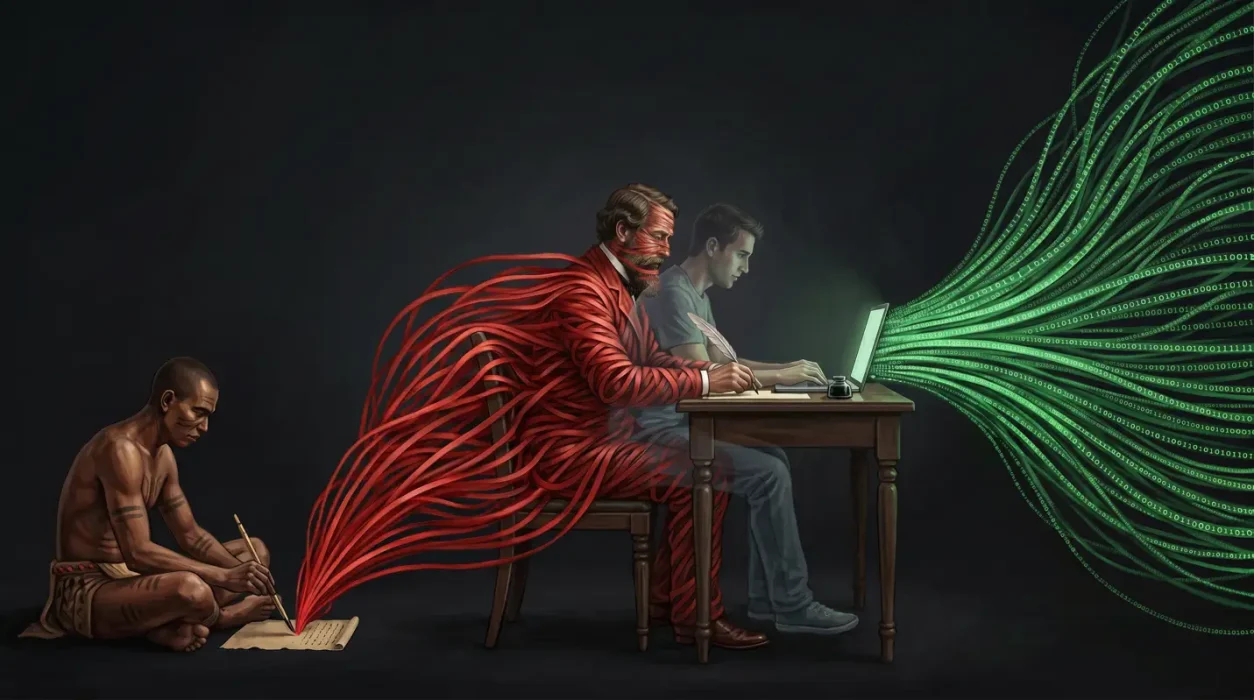

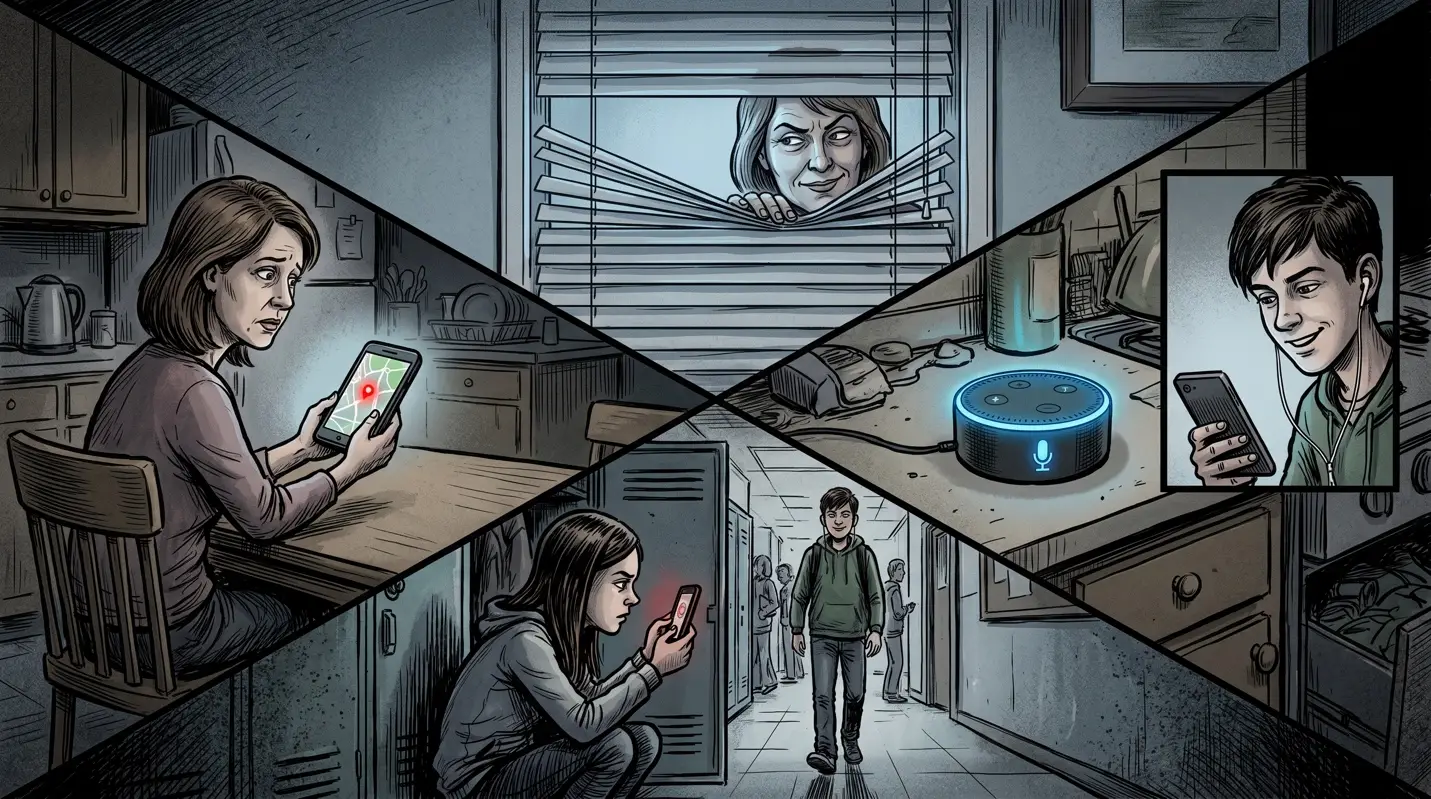
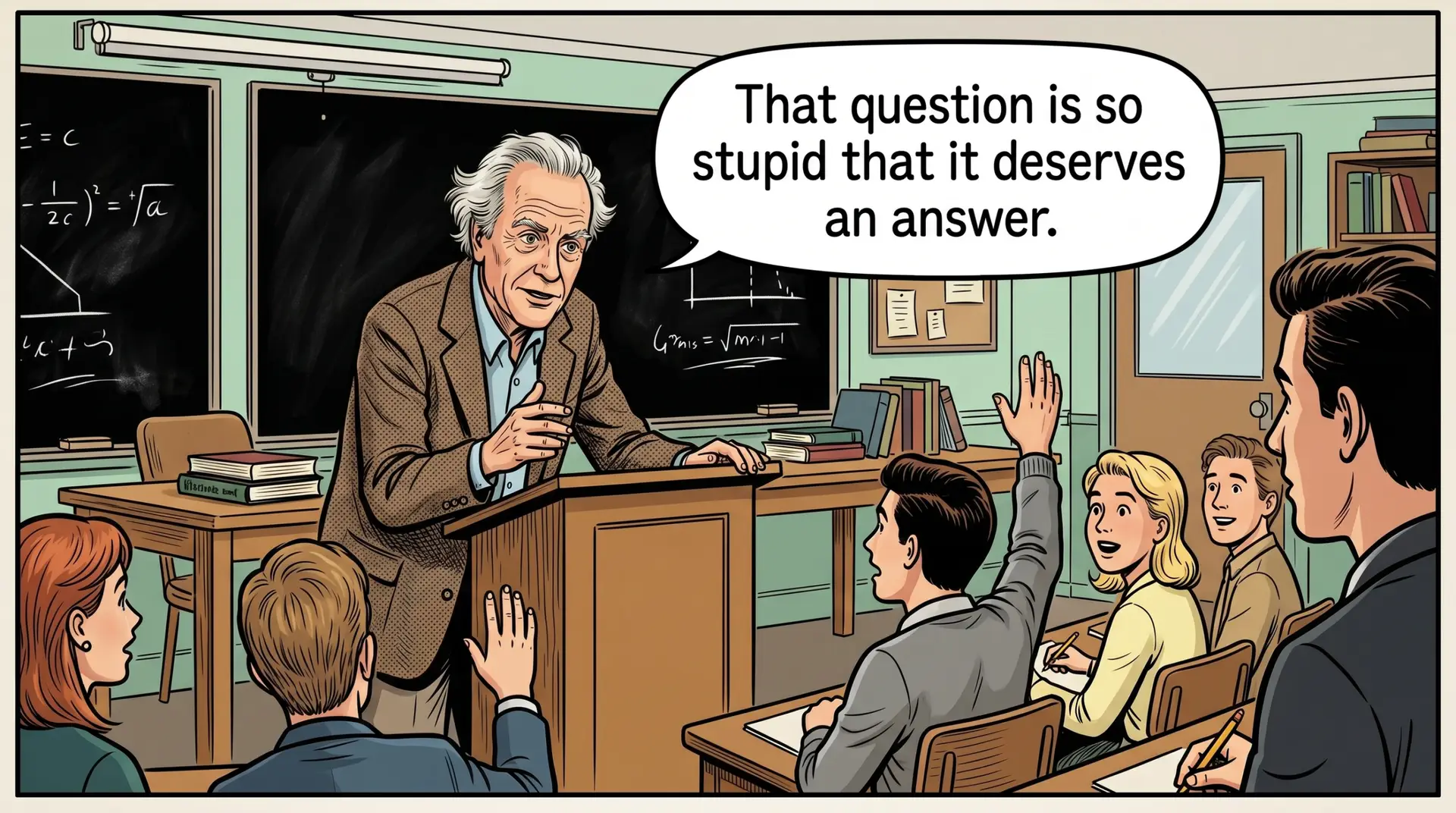
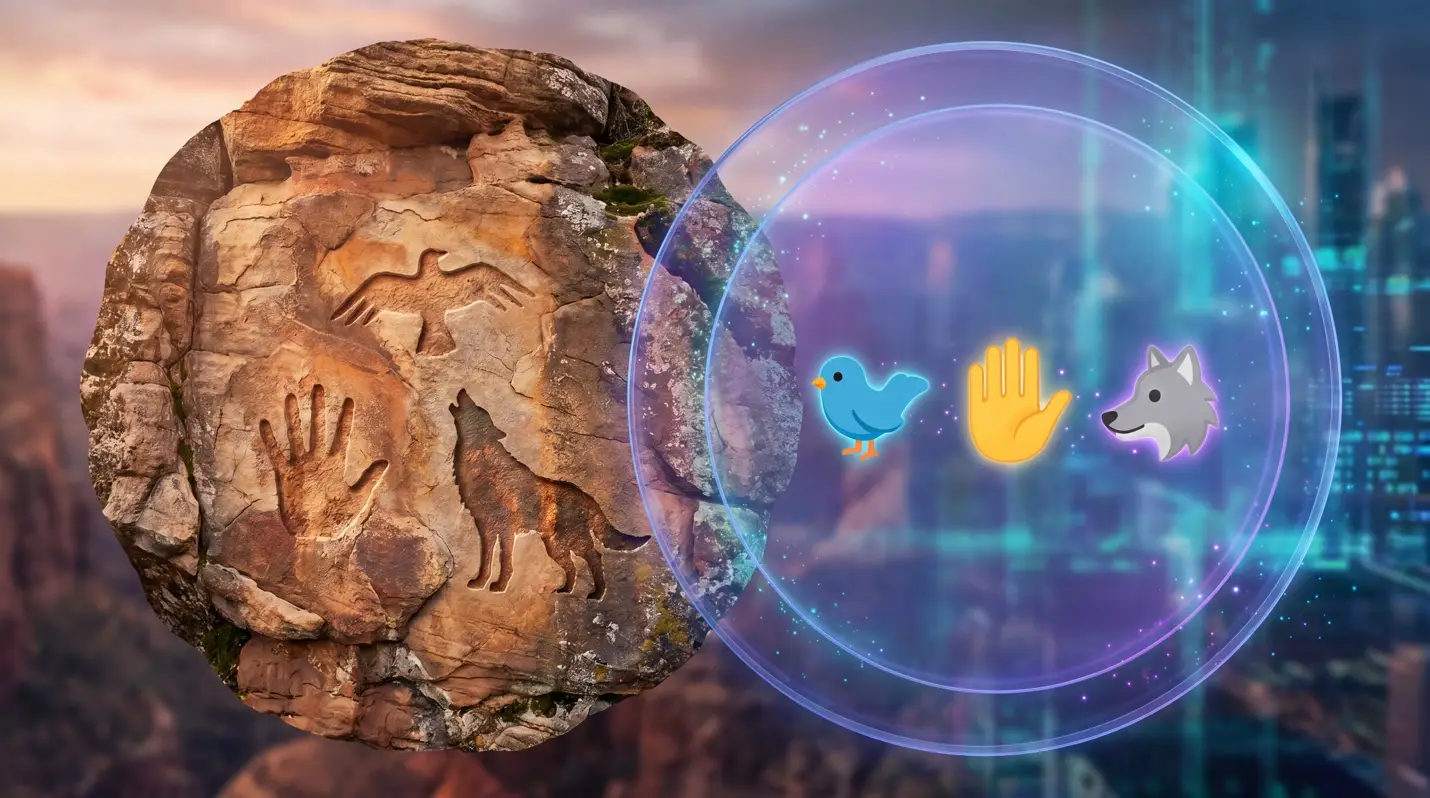

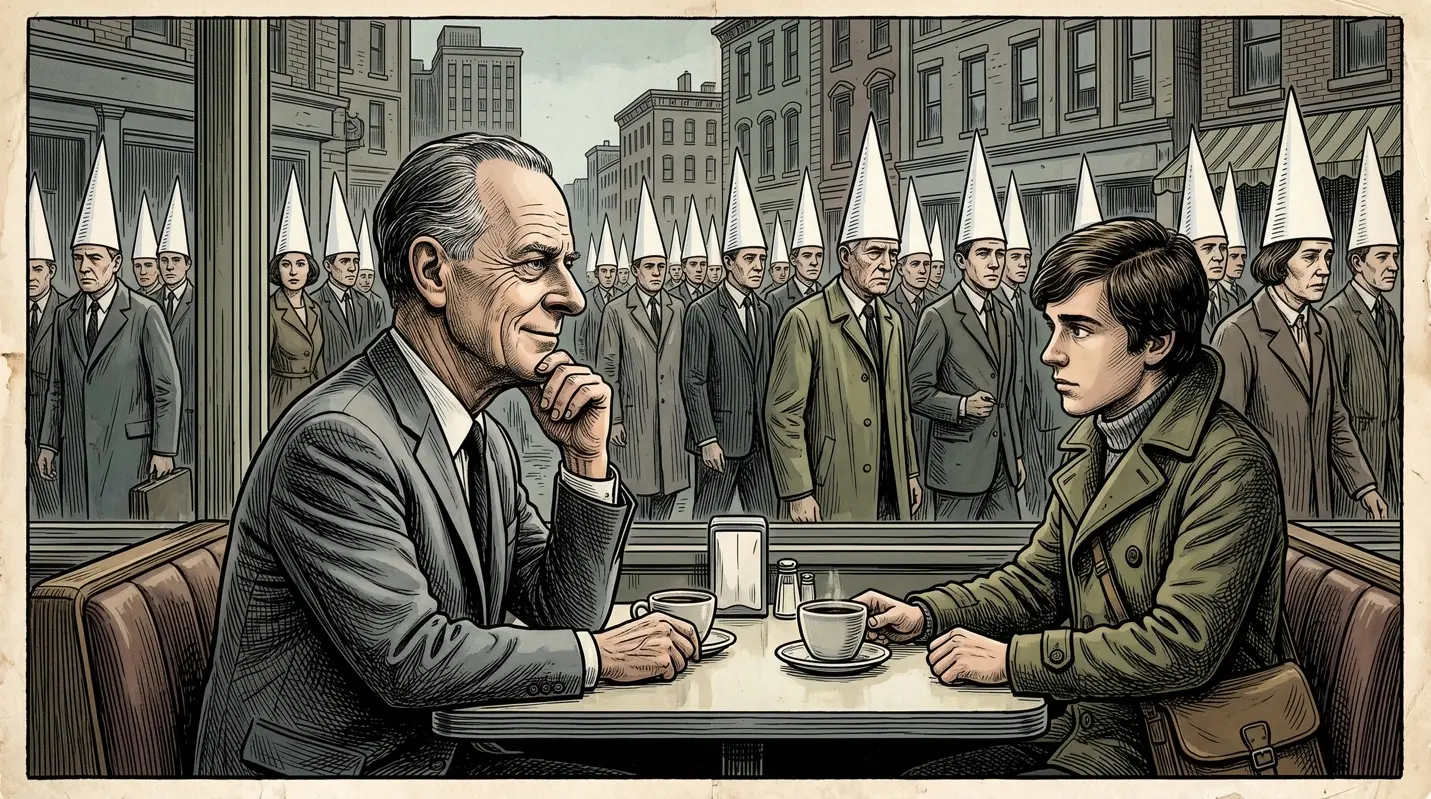
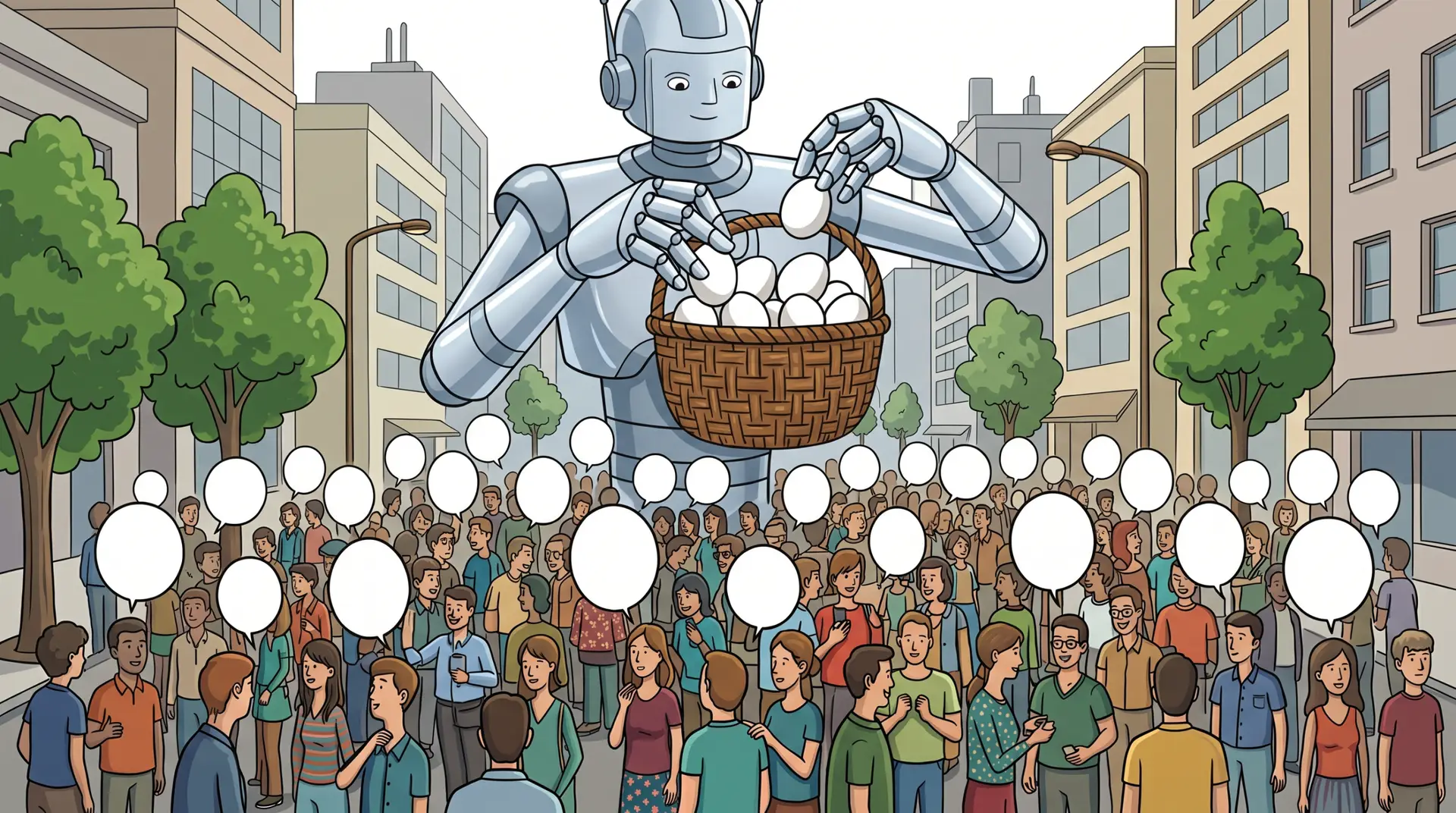
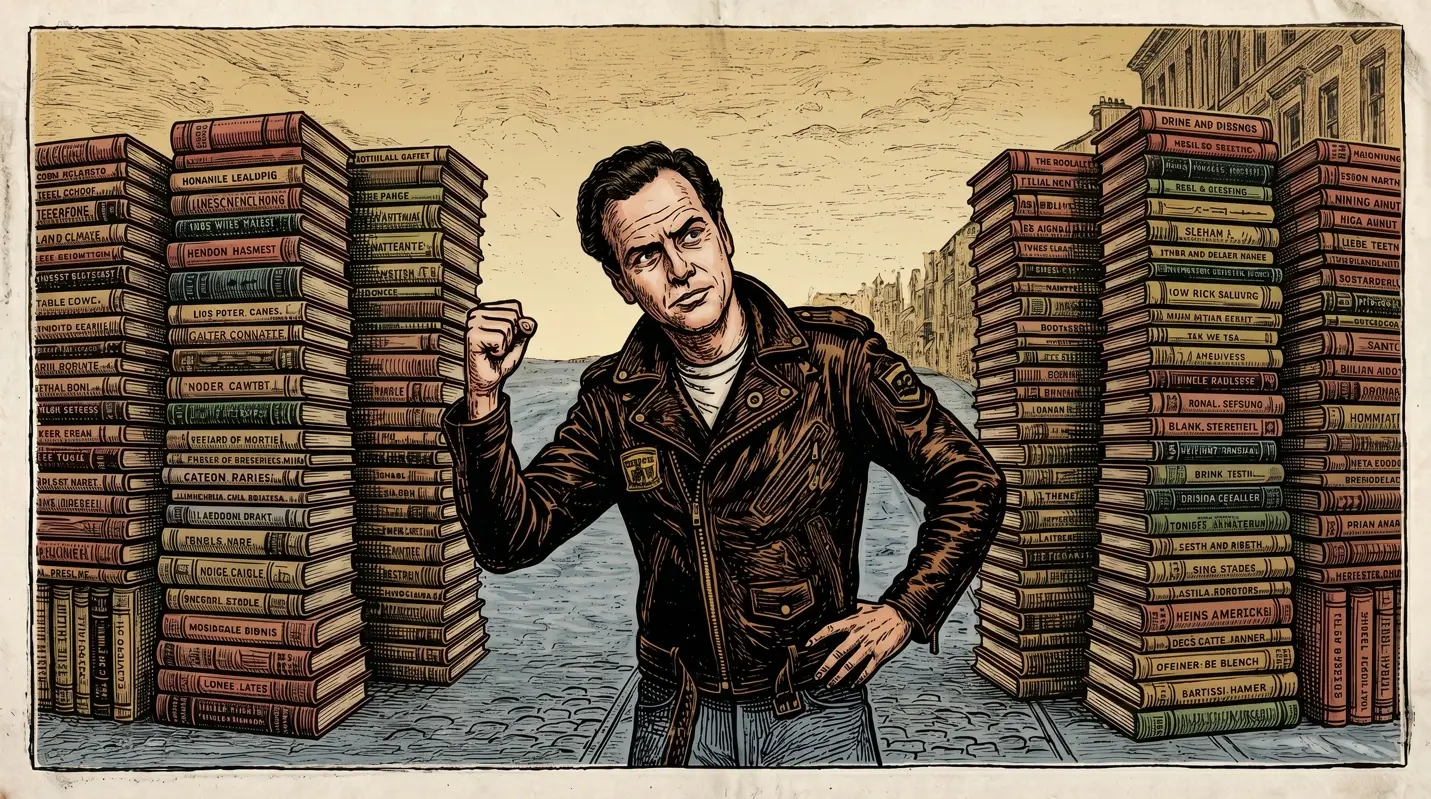

All media are art forms, that is, they are humanly contrived environments which have differing effects on their users. Somebody asked: "Would a cannibal be more civilized if he used a knife and fork?" That query draws sharp attention to the fact that the user is the "content" of the medium, just as he is the "content" of music, or the car.
“Understanding McLuhan—and Fie on Any Who Don’t” in The Globe and Mail, September 10th, 1973, p. 7
Year: 1973
The study of effects is entirely in the right hemisphere. The left hemisphere people feel that if you put on good programs you’re going to get good results. That is not true. Absolutely no relation between inputs and effects, because the user is the content. It’s the person using it that is the real content of any show. And so unless you can clarify his awareness, or his percepts, it doesn’t matter what you put in, it will be corrected!
J Kirsch interview (1976), typescript, p 15
Year: 1976
Chapter:
Effect
The message is the effect of interplay between the user and whatever extension of himself is in play. Clothing is obvious as a ground for these figures. Monarchy or a movie star is less obvious as a service environment. A reading public as a service environment created by a writer or an entertainer is even less obvious as message.
IF figure and ground relationship are carefully heeded, no confusion need arise.
“Bull’s Eye, Cow’s Eye” 1971 broadsheet dated February 3, 1971, typescript
Year: 1971
Chapter:
Media Study
I have always assumed that the user of any medium is the content. The person who turns on an electric light is the content of the electric light, just as the reader of a book is the content of the book. This is standard Aristotelian and Thomistic doctrine, that the cognitive agent is himself thing and content.
Letter to William Kuhns, December 6, 1971, in Letters of Marshall McLuhan (1987) p 448
Year: 1971
In the four years since making the above observations I have discovered very many
things about media and education. It is now perfectly plain to me that all media are environments. As environments, all media have all the effects that geographers and biologists have associated with environments in the past. Environments shape their
occupants. One person, complaining about my observation that "the medium is the message," simply said: "McLuhan means that the medium has no content." This remark was extremely useful to me because it revealed the obvious, namely, the content of any medium is the user. This applies equally to electric lights, any language whatever, and, of course, housing, motor cars, and even tools of any sort. It is obvious that the user or content of any medium is completely conformed to the character of this man-made environment. His entire sensory life arranges its hierarchies and dominance in accordance with the environment in which he operates.
“Education in the Electronic Age,” in The Best of Times/The Worst of Times: Contemporary Issues in Canadian Education (1968) pp 11-12. Later quoted by Eric McLuhan in Theories of Communication (2011) by Eric McLuhan and Marshall McLuhan, on p 172: “Since the user as content is not a figure of speech but a basic dynamic and cogitative relationship, I think you will find that it can be pushed all the way as a means of orientation in media, economics and politics. I suggest that it can be the basis for a complete restatement of political and economic realities in the information age of the wired planet.”
Year: 1968
…in the case of every medium whatever, whether of language or clothing or radio or TV, it is the user himself who is the content, and it is the user alone who constitutes the experience of that service. No matter what is on TV, if the user is a Chinese, it is going to be a Chinese program, just as surely as a movie on TV is experienced as a TV show.
Contribution to On Growth (1974), p 74
Year: 1974
…the user is always the content of any program, doesn’t matter if it’s a Chinese or a Hindu. If a Hindu is watching a Canadian program, it’s a Hindu program. He translates it into himself, that’s all.
“It Will Probably End the Motor Car” (1976), p 26
Year: 1976
For the last few weeks I have been exploring the fact that in all communication the user of whatever medium is the content. This turns out to be merely an ancient Aristotelian observation that the cognitive agent itself becomes and is the thing known. While noticing the enormous hiatus of media study in the Western world, I began to back-track a bit. Discussion with philosophers here revealed the obvious. The Greeks had provided entelechies or had studied the patterns of energy / relating to natural forms, but had ignored the same where art and technology A were in play. This gave me the main clue. The Greeks and their successors regarded Nature (phusis or physics) as an artefact. Having entelechized this massive product of their own literate technology, they never turned to the subsidiary technologies that were the extensions of man. However, they would have admitted at once, if asked, that any actuation of human potential generates an entelechy or pattern of energy that is new. It was not until Poe and Baudelaire that these patterns began to be studied. This was after industrialism had already abolished most of the Greek and Roman Natura. With the coming of electric technology whatever remained of Greek Nature was scrapped so that today we are back where they started with primitive Existence. They had reared the figure of Nature on the ground of Existence. They had done it by classification. The new ecology will use other means.
Letter to John Wain, April 2, 1971, in Letters of Marshall McLuhan (1987) p 431
Year: 1971
Chapter:
Ecology
When the movies were new, ads used to be injected on slides. As the movies became more and more an indispensable service environment ads on the show or in show-time, became distasteful and unwelcome. The quantitative fact is important since, if the user is the content, then any other user of the medium will appear as an interloper.
“Putting on the Media” (1971), p 9
Year: 1971
It was I.A. Richards, I think, in his PRACTICAL CRITICISM, who was the first to demonstrate that poems are never read as they are by even highly trained literary experts. His PRACTICAL CRITICISM was a series of revelations about what people do when they actually read the stuff. They turn it into whatever happens to suit them.
Interview with David Sohn (1978), transcript, p 13
Year: 1978
Chapter:
New Criticism
The user is the content. The user of the clothing is the content of the clothing. The user of the poem is the content of the poem. The user of the music is the content of the music.
Van Santen interview, 1972, transcript, p 2
Year: 1972
In this very connection I have a new essay, a copy of which I am enclosing, explaining that, why, and how the user is the content of any medium or environment. I am still working on the many features of this situation, and am quite at a loss to explain why I had been unable to see so obvious a fact before. When Trudeau "uses" the media, as in the current nuptial drama [his marriage to Margaret Sinclair, March 5, 1971] , he is their content. When they use him, they are the content. It is sort of reciprocal hi-jacking. Only yesterday I was reading a chapter on "Judgment and Truth in Aquinas" by my friend, Fr. Owens, here at the Medieval Institute.3 He concludes: "They involve the traditional Aristotelian view that the cognitive agent itself becomes and is the thing known. ... Its structure comes from the thing known, and not from any apriori in the intellect."
It turns out then, that my communication theory is Thomistic to the core. It has the further advantage of being able to explain Aquinas and Aristotle in modern terms. We are the content of anything we use, if only because these things are extensions of ourselves. The meaning of the pencil, or the chair I use is the interplay between me and these things. Again, the message of these things is the sum of the changes that result from their social use. Thus, 1 have added two features to "the medium is the message", namely the content and the meaning. Perhaps Pierre Juneau or somebody at C.R.T.C. would like to have this essay apropos the problem of "Canadian content"? The consequence for the discussion of the problem of Canadian content for the media is drastically simplified by noticing that the user is the content. If Canadians use or watch American programs or drive American cars, it is the Canadians who are the content of these things. The meaning is in the resulting interplay or dialogue between Canadians and these things, but there can be no question that the Canadian user of American things is the content of these things. The meaning and the message are something else. It is unfortunate that the C.R.T.C. ever involved itself in the question of content, especially since it does not understand the nature of media at all, except as hardware.
…Since the user as content is not a figure of speech but a basic dynamic and cognitative relationship, I think you will find that it can be pushed all the way as a means of orientation in media, economics and politics. I suggest that it can be the basis for a complete restatement of political and economic realities in the information age of the wired planet.
Letter to J.M Davey, Office of the Prime Minister, March 2, 1971, in Letters of Marshall McLuhan (1987) pp 427-428
Year: 1971
Chapter:
Aristotle
If I turn on a light, I am the content of the light. If the light shows me another person to be there, I experience inter-media shock. The other person was already the content of the room before we both became content of the light medium.
“Sharing the News” (1971), p 3
Year: 1971