Viewing chapter War (18 quotes)
…military action is itself a form of education.
“The Marfleet Lectures” , March 16-17 1967, reprinted in Understanding Me (2003), p 132
Year: 1967
Information as such has become the new sinews of war.
Take Today with Barrington Nevitt (1972), p 150
Year: 1972
Chapter:
McLuhanisms & Zingers
The coverage is the war. If there were no coverage… and there are far more people covering the war than there are fighting… there’d be no war. Yes, the newsmen and the mediamen around the world are actually the fighters, not the soldiers anymore. There is a flip. There is a reverse.
Jean Pare Forces interview, 1973, original typescript
Year: 1973
Chapter:
LOM 3 – Retrieve
But, in a world in which the whole environment is made of information, it is natural that war should be conducted by the same means. The informational image has become increasingly top weaponry. We call it the cool war, and the means totally involving.
“Information Hunt Looms Big” College and University Journal, Vol 6, No. 2, Spring, 1967, p 6
Year: 1967
Since the electronic age is total and inclusive, atomic warfare in the "global village" cannot be limited. As new technological man races toward this totality and inclusiveness, he will no longer, as in earlier times, have an experience of nature, as "nature-in-the-wild.”.
The Global Village with Bruce Powers (1989), p 95
Year: 1989
I've often argued the paradox that it is the coverage of wars that intensify the warfare condition, because once you put information around the events of any battlefront, it steps up the activity of that battlefront enormously, by creating great audience participation.
Fletcher Markle, TV Interview, “McLuhan Is the Message” (1967), transcript 15:02
Year: 1967

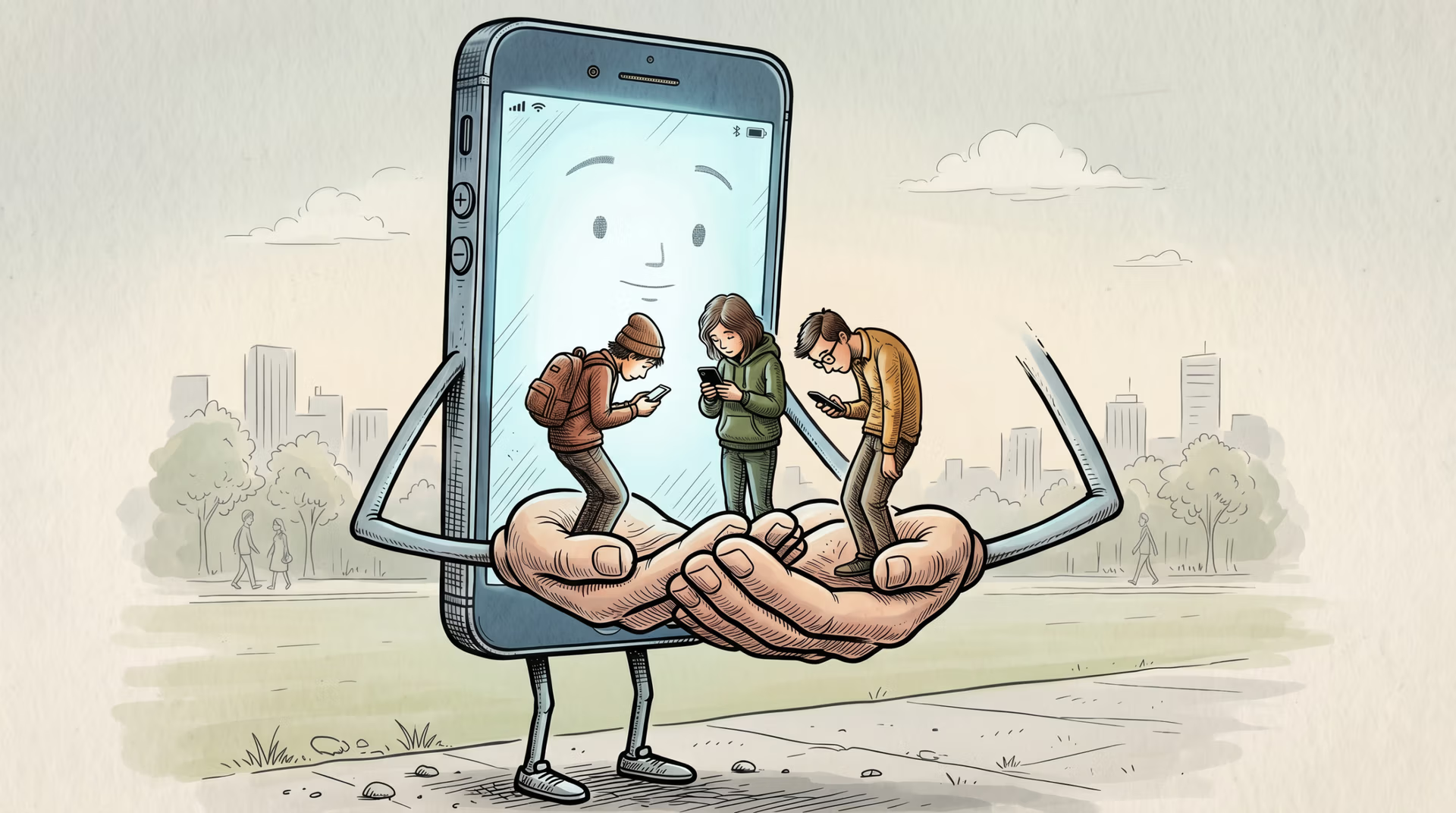
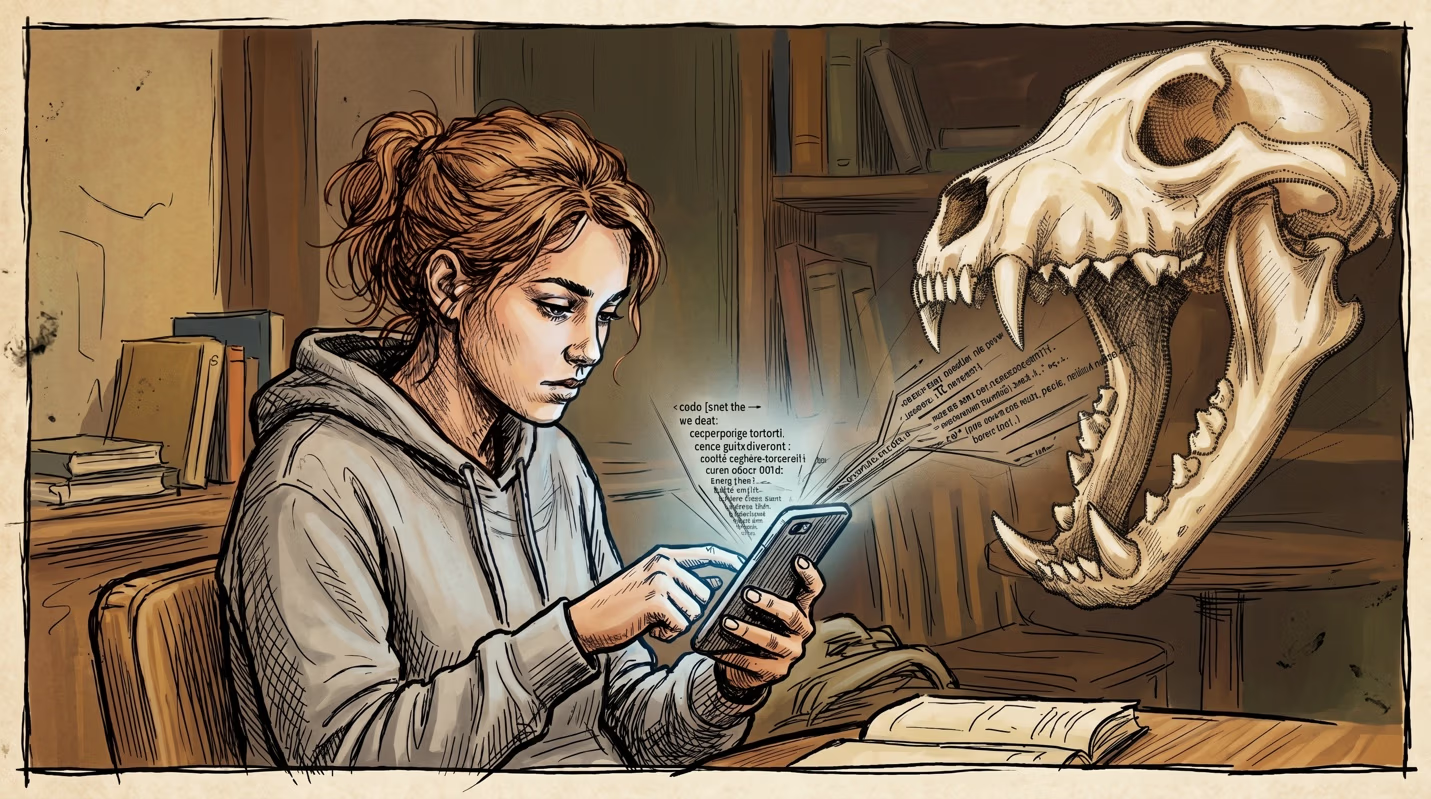
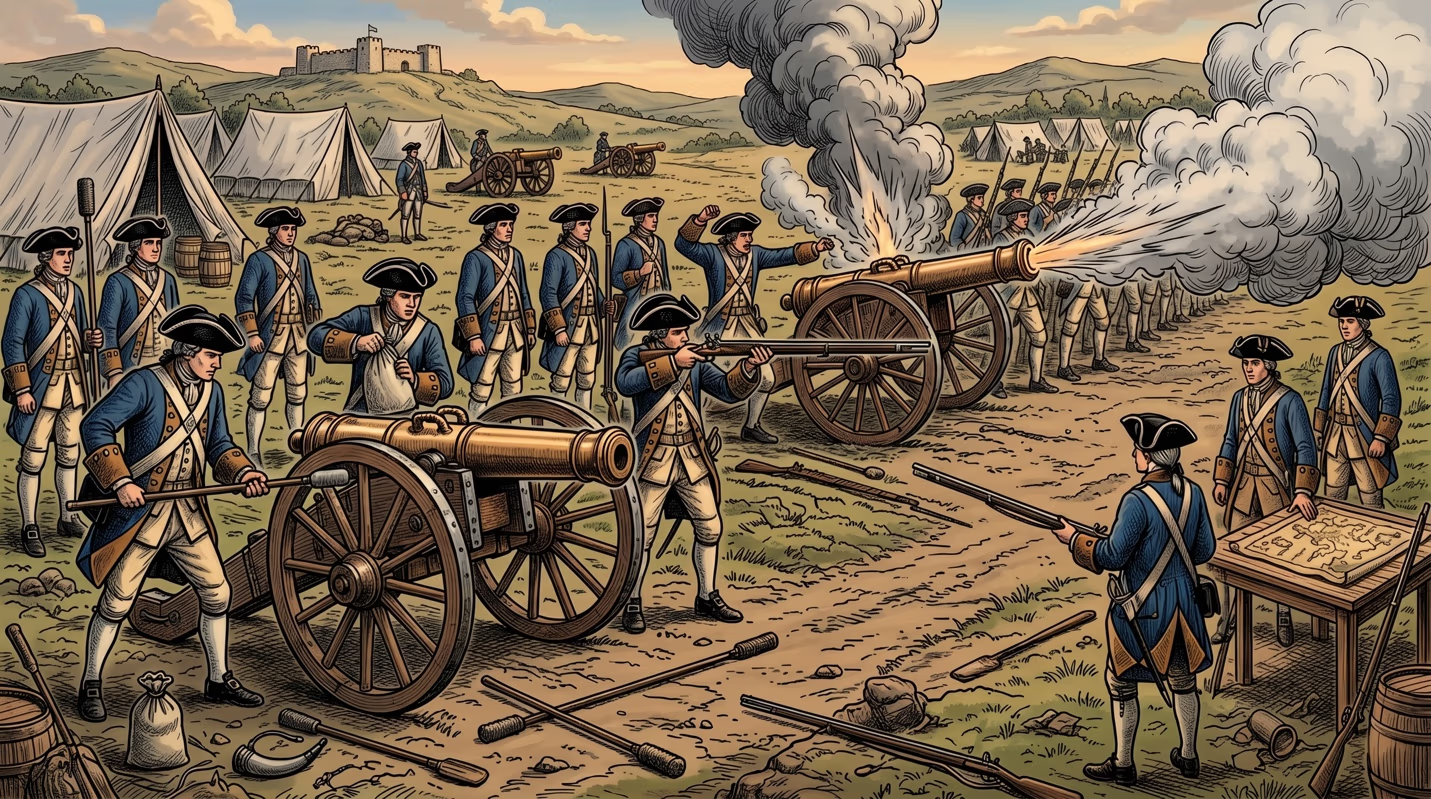
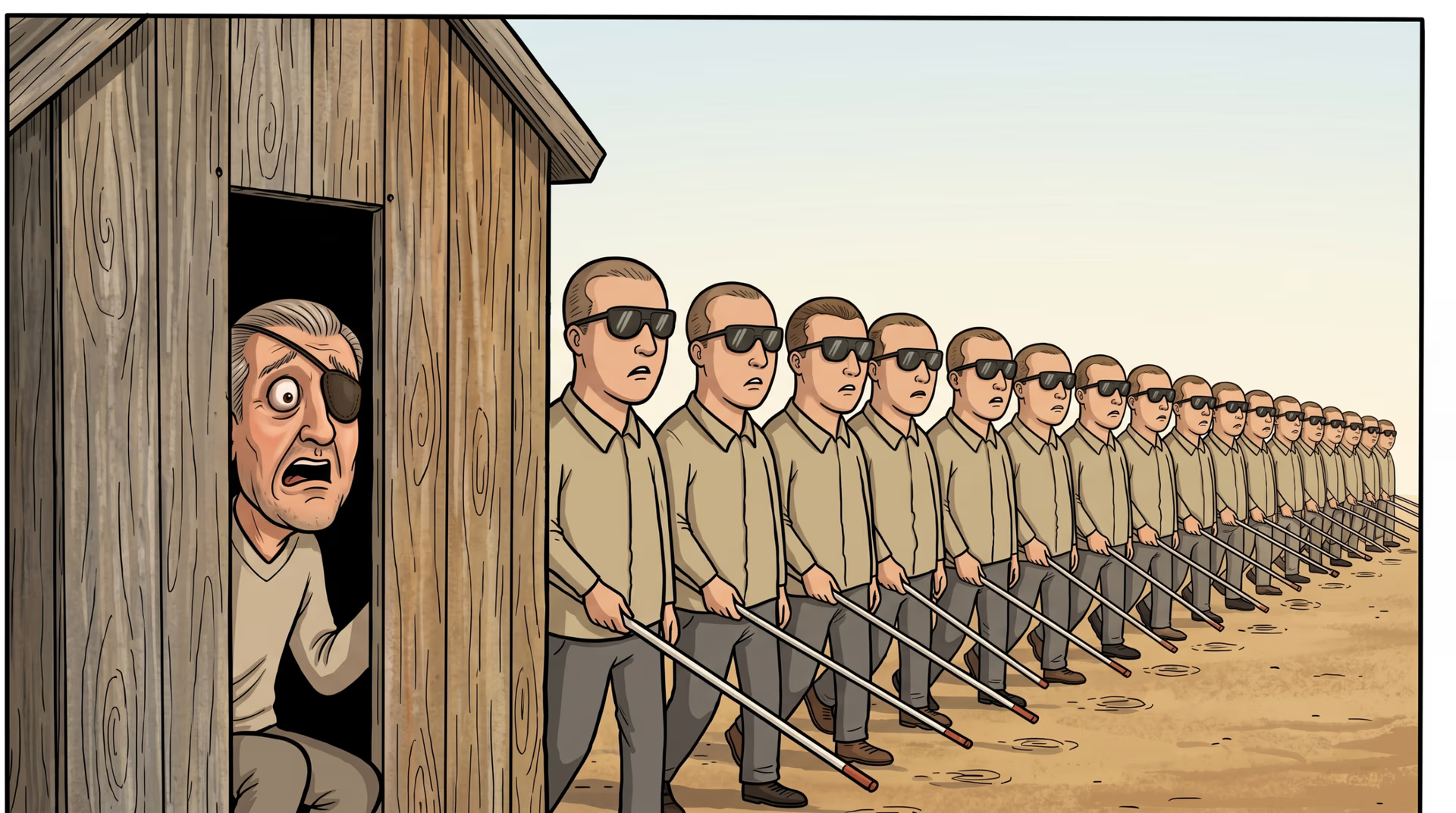


World War I a railway war of centralization and encirclement. World War II a radio war of decentralization concluded by the Bomb. World War III a TV guerrilla war with no divisions between civil and military fronts.
Take Today with Barrington Nevitt (1972), p 152
Year: 1972
War has become a useless concept, an effete category that confuses all our thinking about the new situation.
Take Today with Barrington Nevitt (1972), p 156
Year: 1972
We have now entered our first TV war. It has none of the features of the Second World War, which was a radio war. Already our TV war has abolished the boundaries between military and civilian life, just as our electronic information environment has abolished all the boundaries between the subjects of the curriculum.
Dedication for Magnovia II, February, 1968
Year: 1968
If the Vietnam War were not reported in the press, any press, what do you think would happen? … how much of the war actually consists in being processed through such media?
Goldman TV interview (1966), transcript p 29
Year: 1966
Chapter:
Information Warfare
IF the Vietnam War were not reported in the press, any press, what d you think would happen?...how much of the ear actually consists in being processed through such media?”
“Kansas City Show.” By Ivan Goldman, in Sunday Magazine, January 4, 1970, p 29
Year: 1970
Chapter:
Information Warfare
It takes emotion to move merchandise. And wars and rumors of wars are the merchandise and also the motion of the popular press.
The Mechanical Bride (1951), p 7
Year: 1951
Chapter:
News
In Catch-22, the figure of the black market and the ground of war merge into a monster presided over by the syndicate. When war and market merge, all money transactions begin to drip blood.
Take Today with Barrington Nevitt (1972), p 211
Year: 1972
War, in fact, can be seen as a process of achieving equilibrium among unequal technologies, a fact that explains Toynbee's puzzled observation that each invention of a new weapon is a disaster for society, and that militarism is the most common cause in the breaking of civilizations.
Understanding Media (1964), MIT/Routledge edition, p 344
Year: 1964
If there were not coverage of any sort of any war, no reports, no information, how would this change the nature of war?”
“Information Hunt Looms Big” College and University Journal, Vol. 6, No. 2, Spring, 1967, p 5
Year: 1967
Chapter:
Questions He Asks
Two wars cannot be fought in the world anymore at one time because the journalists would only cover one.
De Kerkhove interview with Tom Wolfe, n.d.
On the other hand, the old-fashioned kind of "war" becomes as impracticable as playing hopscotch with bulldozers.
Understanding Media, (1964), MIT/Routledge edition, p 353
Year: 1964