Viewing chapter Warnings (34 quotes)
Perhaps the terrifying thing about the new media for most of us is their inevitable evocation of irrational response. The irrational has become the major dimension of experience in our world.
“Culture without Literacy”, in Explorations #1, December (1953), p 126 reprinted in Essential McLuhan, (1995), p 311, additional reprint in Media Research Technology, Art and Communication (1997), p 136, and McLuhan Unbound #6, (2017)
Year: 1953
I have said (and I hope I am wrong) at various times that we ought to expect a steady trend toward irrational tribal behavior in North America, as our youngsters get saturated with the all-at-once auditory experience of our new media. Such tribal experience was still intact and available to the Jap and the German. But for us to retribalize would be quite a different matter. And in the global village created by our electronics there would, of course, be room for only one tribe — the human family itself.
Speech to the NAEB, Sept. 23, 1959. Republished whole by Cameron McEwen in his blog, McLuhan’s New Sciences:
Year: 1959
Chapters:
He’s Doubtful | Retribalizing
Ultima Laputa: Where Men Are Faceless Tentacles of Computers
The new Utopians [as described in a 1965 book of that title by Robert Boguslaw] are concerned with non-people and with people substitutes. Their planning is done with computer hardware, system procedures, functional analysis, and heuristics.. . . The theoretical and practical solutions they seek call increasingly for decreases in the number and in the scope of responsibility of human beings within the operating structures of their new machine systems.
Take Today with Barrington Nevitt, 1972, p 129
Year: 1972
Chapter:
Computer
Leasing our eyes and ears and nerves to commercial interests is like handing over the common speech to a private corporation, or like giving the earth's atmosphere to a company as a monopoly. Something like this has already happened with outer space, for the same reasons that we have leased our central nervous systems to various corporations. As long as we adopt the Narcissus attitude of regarding the extensions of our own bodies as really out there and really independent of us, we will meet all technological challenges with the same sort of banana-skin pirouette and collapse.
Understanding Media (1964), MIT/Routledge edition, p 68
Year: 1964
If we refuse to see [emerging technologies] at all, we will become their servants. It’s inevitable that the worldpool of electronic information movement will toss us all about like corks on a stormy sea, but if we keep our cool during the descent into the maelstrom, studying the process as it happens to us and what we can do about it, we can come through.
Playboy interview (1969) in Essential McLuhan (1997, UK edition), p 259
Year: 1969
Chapters:
He’s Doubtful and Hopeful | Tools We Shape, Reshape Us
"I guess what concerns me the most about the quality of life in the Electronic Age," [McLuhan] summarized, "is the total loss of any human depth. Man simply will not have time for it. In the future a friend will be somebody with whom you had an enjoyable conversation on a plane."
Spoken to interviewer Barbara Rowes in “Techno-Kids,” Omni, vol 5 number 8, May (1983)
Year: 1983
Chapter:
He’s Doubtful
The paradox today is that the ground of the latest Western technologies is electronic and simultaneous, and thus structurally right-hemisphere and "Oriental" and oral in its nature and effects. This situation began with the telegraph more than a century ago. Still, the overwhelming pattern of procedures in the Western world remains lineal, sequential, and connected in political and legal institutions, and also in education and commerce, but not in entertainment or art. A formula for complete chaos!
Laws of Media with Eric McLuhan (1988), p 80
Year: 1988
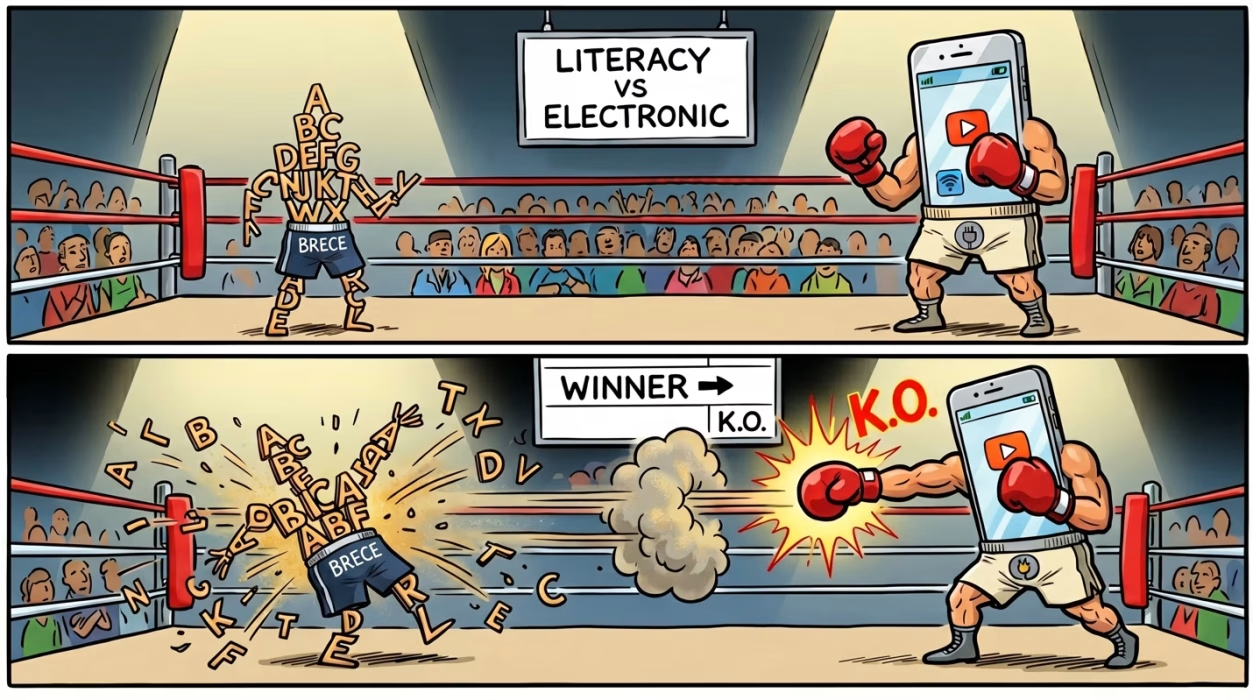
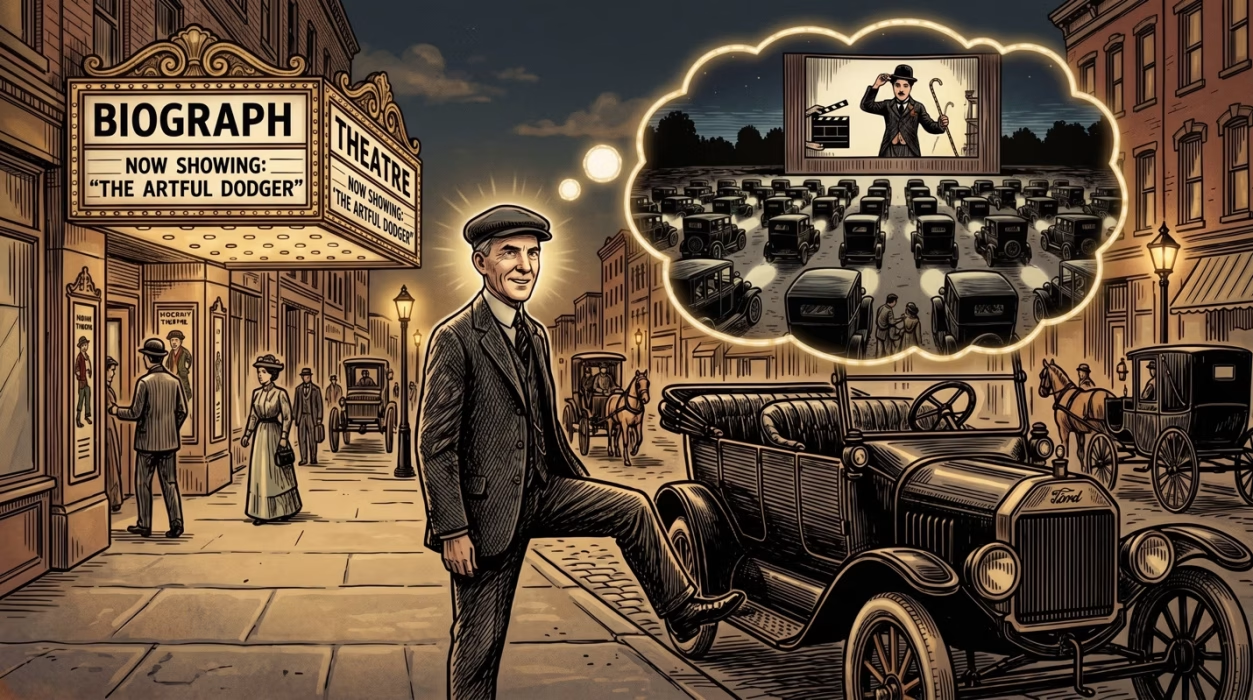
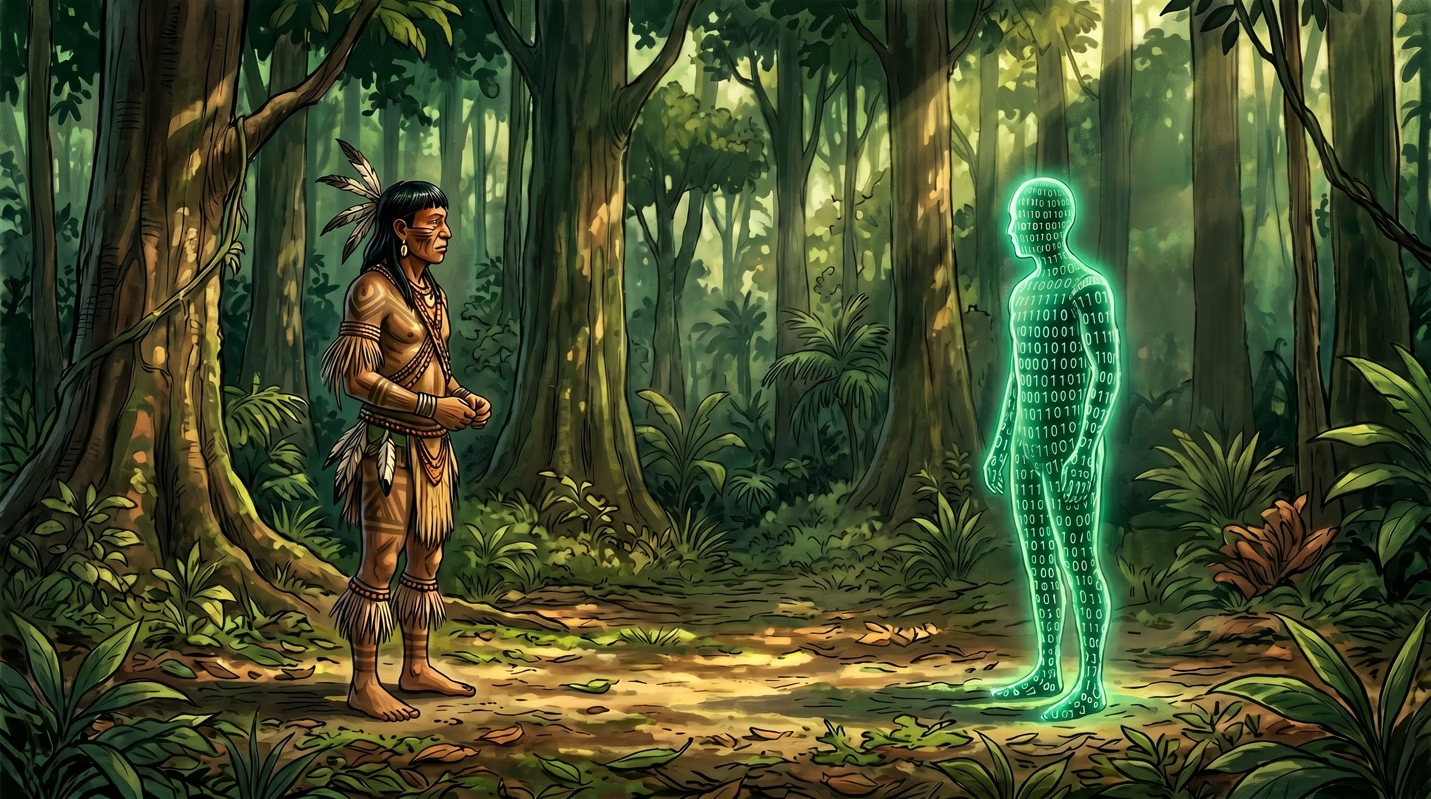

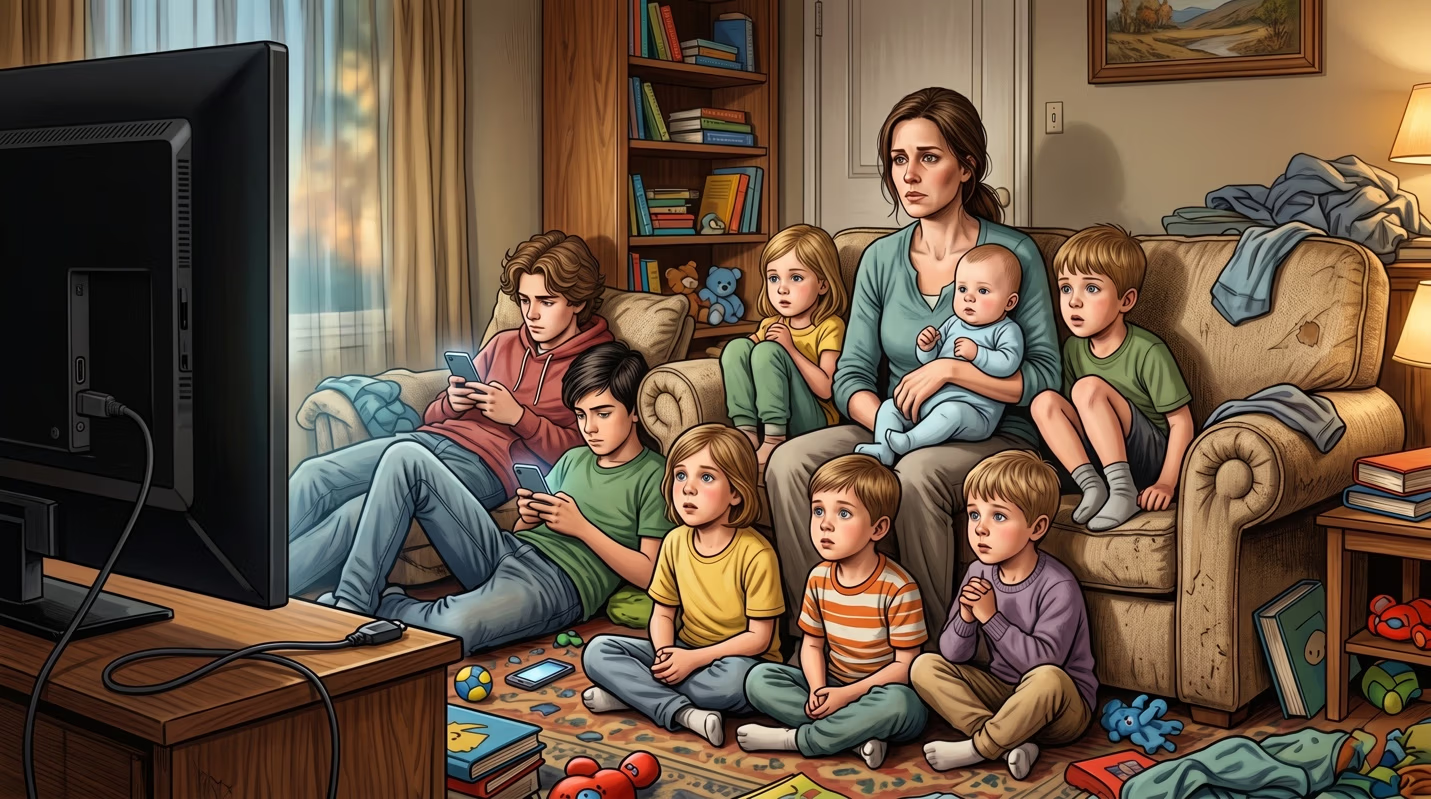
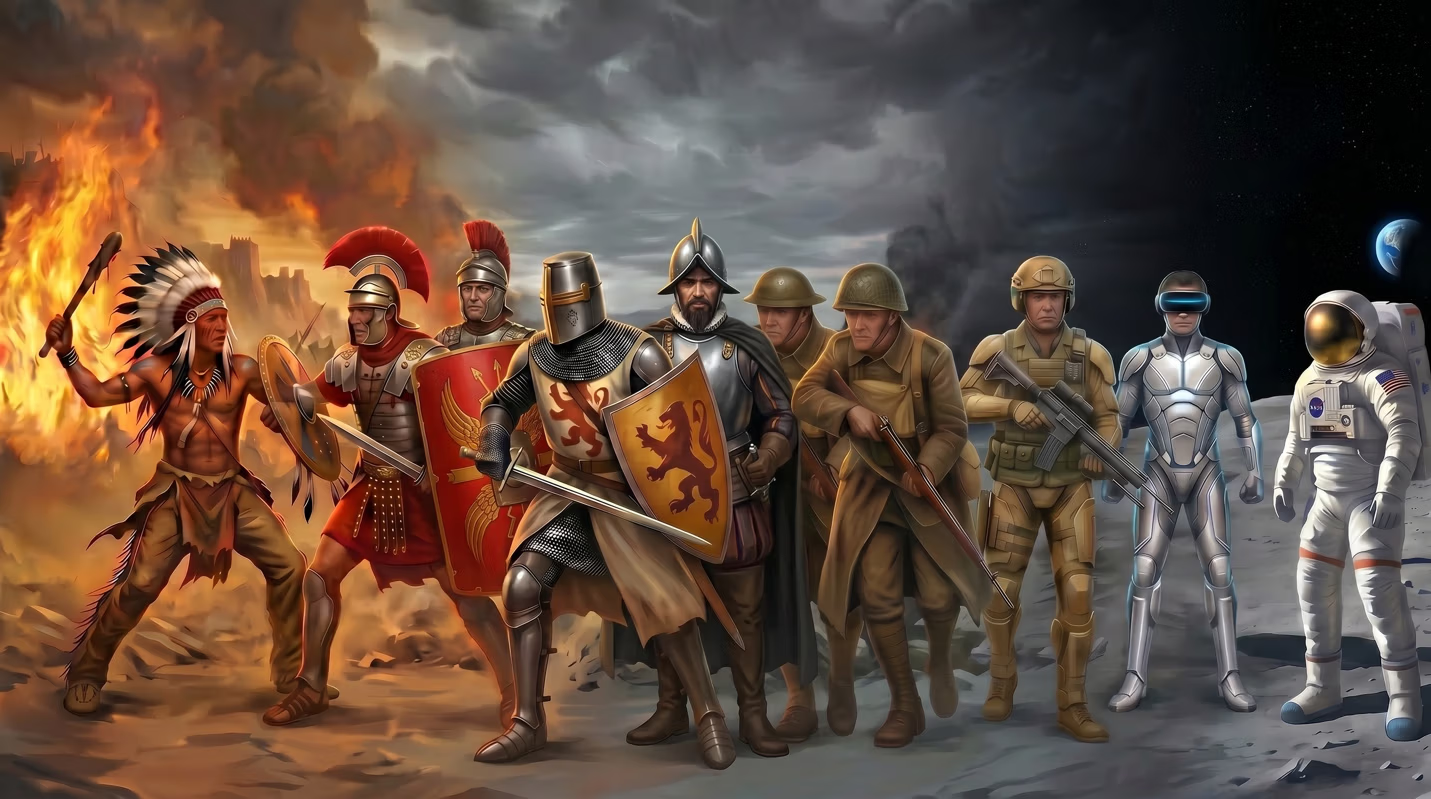

Of all the great hybrid unions that breed furious release of energy and change, there is none to surpass the meeting of literate and oral cultures… we are about to experience such a release of human power and aggressive violence as makes the previous history of phonetic alphabet technology seem quite tame.
Understanding Media, 1964, MIT/Routledge edition, pp 49-50
Year: 1964
Today, in the electronic age of instantaneous communication, I believe that our survival, and at the very least our comfort and happiness, is predicated on understanding the nature of our new environment because unlike previous environmental changes, the electric media constitute a total and near-instantaneous transformation of culture, values and attitudes. This upheaval generates great pain and identity loss, which can be ameliorated only through a conscious awareness of its dynamics. If we understand the revolutionary transformations caused by new media, we can anticipate and control them; but if we continue in our self-induced subliminal trance, we will be their slaves.
Playboy Interview: Marshall McLuhan: A Candid Conversation with the High Priest of Popcult and Metaphysician of Media.” By Eric Norden. Playboy Magazine, March (1969), p 56, reprinted in Essential McLuhan (1995), p 238-239
Year: 1969
Chapter:
Mastering Technology
The programming of computers calls for levels of human awareness about media and ourselves such as we do not yet possess.
"The Dare and Feeding of Communication Innovation", Conference on 8mm Sound Film and Education, Dinner Speech, November 8, 1961, Teachers College, Columbia University, p 4
Year: 1961
There is a deep-seated repugnance in the human breast against understanding the processes in which we are involved. Such understanding implies far too much responsibility for our actions.
Letter to Jacques Maritain, May 6, 1969, in Letters of Marshall McLuhan, p 370
Year: 1969
Chapters:
Media Effects | Narcissus, Denial of Media Effects
Man-as-'Cyborg' can exploit the possibility either of total extension of his consciousness as a world environment or as a perpetual and collective organism of war.
“Inflation as New Rim-Spin,” The McLuhan DEW-LINE Newsletter, Vol. 2, No. 1, September, 1969
Year: 1969
Chapter:
He’s Doubtful and Hopeful
The only “Control” exercised over the new forces would seem to consist of a fascinated withdrawal of perception from the new constitutive forces together with a panicky concern for the receding configurations. Such is the significance of the Goldwater mood and the rhetoric of Ayn Rand.
“Guaranteed Income in the Electric Age” (1975), p 68
Year: 1975
Technically speaking, the age in which we live is certainly favourable to an Antichrist. Just think: each person can instantly be tuned to a “new Christ” and mistake him for the real Christ. At such times it becomes crucial to hear properly and to tune yourself in to the right frequency.
From “Tomorrow’s Church: Fourth Conversation with Pierre Babin” In The Medium and the Light (1999), p. 209
Year: 1999
I have said (and I hope I am wrong) at various times that we ought to expect a steady trend toward irrational tribal behavior in North America, as our youngsters get saturated with the all-at-once auditory experience of our new media. Such tribal experience was still intact and available to the Jap and the German. But for us to retribalize would be quite a different matter. And in the global village created by our electronics there would, of course, be room for only one tribe — the human family itself.
Speech to the NAEB, Sept. 23, 1959. Republished whole by Cameron McEwen in his blog, McLuhan’s New Sciences:
Year: 1959
Chapters:
He’s Doubtful | Retribalizing
Is it not absurd for men to live involuntarily altered in their inmost lives by some mere technological extension of our inner senses?
The Gutenberg Galaxy: The Making of Typographic Man, (1962), p 183
Year: 1962
Chapter:
Wake Them Up!
That the entire planet should become show business on a twenty-four-hour basis is not only inevitable now, but it creates "challenges" for all levels of the establishment on a scale that will gradually obliterate consciousness.
“A Peculiar War to Fight”, Letter to R.J. Leuver (1969), in The Medium and the Light, (1999), p 91
Year: 1969
Chapters:
Anticipating Change | He’s Doubtful
The huge vortices of energy created by our media present us with similar possibilities of evasion of consequences of destruction. By studying the pattern of the effects of this huge vortex of energy in which we are involved, it may be possible to program a strategy of evasion and survival.
Man and Media,” lecture delivered at York University, Toronto, (1979), in Understanding Me (2003), p 285
Year: 1979
And until we understand that the forms projected at us by our technology are greatly more informative than any verbal message they convey, we’re going to go on being helpless illiterates in a world we made ourselves.
“A Historical Approach to the Media of Communication” (1955). Two pp. of excerpts from a talk given July 26, 1955, at Teachers College, Columbia University. In Communication Lines (Columbia).
Year: 1955
Chapters:
Media Literacy | Wake Them Up!
If we knew what we were doing, we wouldn’t do it
“Technology Kills Democracy, McLuhan Warns Exchangers,” University of Toronto Varsity (student newspaper), Vol LXXXII, No. 26, November 19, 1962, p 1
Year: 1962
In an imploded world there is little room for a democratic way of life.
“Technology Kills Democracy, McLuhan Tells Exchangers” The Varsity (U of Toronto student newspaper), vol LXXXII, No. 26, November 19, 1962, p 7
Year: 1962
Chapter:
Wake Them Up!
If we want to keep our civilization, we have to freeze our technology. After all, why shouldn’t the world pull back some of the technology it has pushed out. Irritation has created technology and at the same time created more problems than it solved.
“Technology Kills Democracy, McLuhan Tells Exchangers” The Varsity (U of Toronto student newspaper), vol LXXXII, No. 26, November 19, 1962, p 7
Year: 1962
Chapters:
Mastering Technology | Wake Them Up!
Just how little consideration has been given to such matters in the past [as study into the effects of media] can be gathered from the consternation of one of the editors of this book [Understanding Media]. He noted in dismay that "seventy-five per cent of your material is new. A successful book cannot venture to be more than ten per cent new." Such a risk seems quite worth taking at the present time when the stakes are very high, and the need to understand the effects of the extensions of man becomes more urgent by the hour.
Understanding Media (1964), Introduction, MIT/ROUTLEDGE, p 4
Year: 1964
Chapter:
Wake Them Up!
TV reaches out for the corporate attributes of office. Potentially, it can transform the Presidency into a monarchic dynasty.
Understanding Media, 1964, MIT/ROUTLEDGE, p 336
Year: 1964
Chapter:
Wake Them Up!
A tour through Toynbee will reveal that all the civilizations of the past have gone down through failure to devise cultural strategies suited to their new technologies. They failed to see the new pattern because they looked at it through the old spectacles.
Letter to Bascom St. John, July 10, 1964, Letters of Marshall McLuhan (1987) p 307
Year: 1964
Chapter:
Wake Them Up!
Wyndham Lewis wrote a book once called The Art of Being Ruled, and the moral of the book is quite simple: all you have to do in order to be completely enslaved is to pay no attention to the environment you, yourself, have created.
“The Password is Involvement” (1967), p. 21
Year: 1967
Chapters:
Environment | Wake Them Up!
The culturally depraved, or deprived, can now join hands in a daisy-ring of electronic circuitry. Henceforth we shall see all of both the most elevated and degraded features of man simultaneously enlarged to as least planetary scale. Man-as-'Cyborg' can exploit the possibility either of total extension of his consciousness as a world environment or as a perpetual and collective organism of war.
“Inflation as new rim-spin,” The McLuhan DewLine Newsletter, Vol. 2, No. 1, September 1969
Year: 1969
When one passes through the sound barrier, supersonic speed reverses the pattern of controls of an aircraft. The new combination hardware-software economy is now moving at supersonic speeds, and the men at the controls are quite unaware that the manipulation of the controls in the customary patterns can only lead to disaster.
“The Man Who Came to Listen” (1970), in On the Nature of Media (2016), p 184
Year: 1970
Chapters:
Chiasmus, Flips, Reversals | Wake Them Up!
In a certain way, I also think that this could be the time of the Antichrist. When electricity allows for the simultaneity of all information for every human being, it is Lucifer’s moment. He is the greatest electrical engineer.
“Tomorrow’s Church: Fourth Conversation with Pierre Babin (1977), in The Medium and the Light (1999), p 209
Year: 1977
Chapter:
Wake Them Up!
Radical changes of identity, happening suddenly and in very brief intervals of time, have proved more deadly and destructive of human values than wars fought with hardware weapons.
Today, civil defence would seem to consist in protection against media fallout. In the past, war has consisted in the movement of commodities back and forth across frontiers.
What I Learned on the Project (1959-60), in NAEB Report on Understanding New Media, June (1960), p 2
Year: 1959
Chapters:
Anticipating Change | Dropout | Identity | Living Unity | McLuhanisms & Zingers | Values & Value Judgments | Violence
Is it not terribly wasteful of values and opportunities, as well as destructive of harmony that unwittingly men should so embroil themselves in civil feuds arising from media change?
“New Media and the new Education” (1960), p 190
Year: 1960
The transforming power of media is easy to explain, but the ignoring of this power is not at all easy to explain.
Understanding Media (1964), MIT/Routledge edition, p 304
Year: 1964
But with regard to the bomb and retaliation as deterrent, it is obvious that numbness is the result of any prolonged terror, a fact that was discovered when the fall-out shelter program was broached. The price of eternal vigilance is indifference.
Understanding Media (1964), MIT/Routledge edition, p 30
Year: 1964
Chapters:
Divided by Media | Education
We might ask ourselves what is the consequence of living in one age and thinking in another? Such would seem to be a frequent situation in human history. We can achieve a massive psychic irrelevance that renders us ripe not for challenges but collapse.
Review of The Nerves of Government, 1964, p 3
Year: 1964
Chapters:
McLuhanisms & Zingers | Rear View Mirror