Viewing chapter Writing (23 quotes)
The printing press was at first mistaken for an engine of immortality by everybody except Shakespeare.
The Gutenberg Galaxy: The Making of Typographic Man, (1962), p 202
Year: 1962
The MECHANIZATION of writing mechanized the visual-acoustic metaphor on which all civilization rests; it created the classroom and mass education, the modern press and telegraph. It was the original assembly-line.
Counterblast, (1969), p 15
Year: 1969
Chapter:
Print
And with writing comes the break in that direct, intuitive relationship between men and their surroundings which modern art had begun to uncover.
“Culture without Literacy”, in Explorations #1, December (1953), p 119 reprinted in Essential McLuhan, (1995), p 304, additional reprint in Media Research Technology, Art and Communication (1997), p 128, and McLuhan Unbound #6, (2017)
Year: 1953
Writing was a visualizing of the acoustic which split off or abstracted one aspect of speech, setting up a cultural disequilibrium of great violence. The dynamism of the Western world may well proceed from the dynamics of that disequilibrium.
“The Post-Literate Man”, 1973, in Cycles 7, p 230
Year: 1973
Chapter:
Postliteracy
So far as writing is the spatializing and arrest of oral speech. however, it implies that further command of space made possible by the written message and its attendant road system.
“Culture without Literacy”, in Explorations #1, December (1953), p 119 reprinted in Essential McLuhan, (1995), p 304, additional reprint in Media Research Technology, Art and Communication (1997), p 128 , and McLuhan Unbound #6, (2017)
Year: 1953
Writing is metaphor for sound. It translates, or metamorphizes the audible into the visual.
“Radio and TV vs the ABCED-Minded”, in Explorations 5, June (1955), p 16, reprinted in Marshall McLuhan Essays Media Research: Technology Art Communication, (1997), p 84
Year: 1955
Chapter:
Analogy
Writing turned a spotlight on the high, dim Sierras of speech; writing was the visualization of acoustic space. It lit up the dark.
A goose quill put an end to talk, abolished mystery, gave us enclosed space and towns, brought roads and armies and bureaucracies. It was the basic metaphor with which the cycle of CIVILIZATION began, the step from the dark into the light of the mind. The hand that filled a paper built a city.
The handwriting is on the celluloid walls of Hollywood; the Age of Writing has passed. We must invent a NEW METAPHOR, restructure our thoughts and feelings. The new media are not bridges between man and nature: they are nature.
“Five Sovereign Fingers Taxed the Breath”, in Shenandoah The Washington And Lee University Review, Vol.VII, No. 1, Autumn (1955), p 51, reprinted in Explorations 4, (1955), p 32, also reprinted in Explorations in Communication: an anthology (1960), p 207-208, The piece also appears in alternative format as part of Verbi-Voco-visual Explorations, (1967), Counterblast (1969), p 14, Essential McLuhan (1995), p 210
Year: 1955

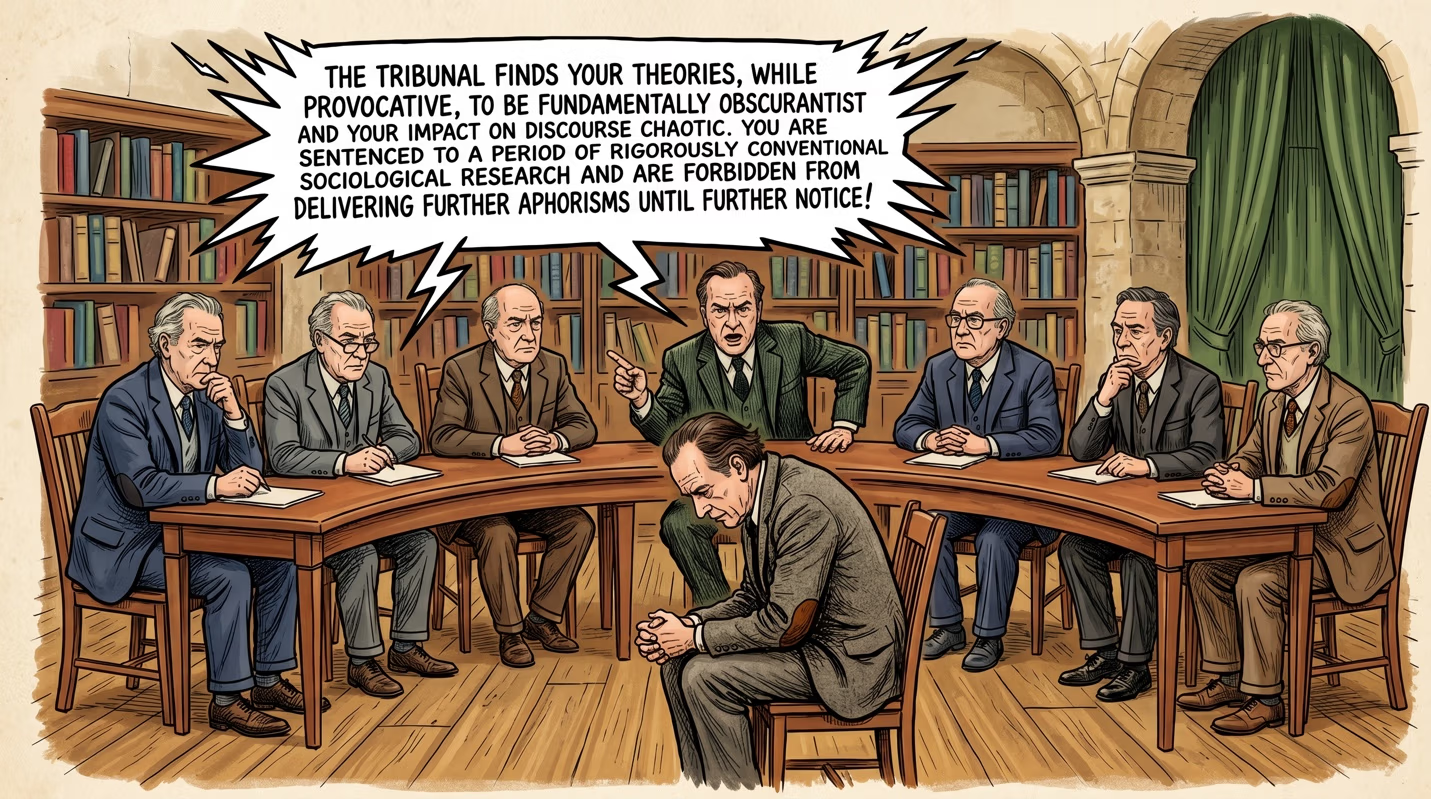
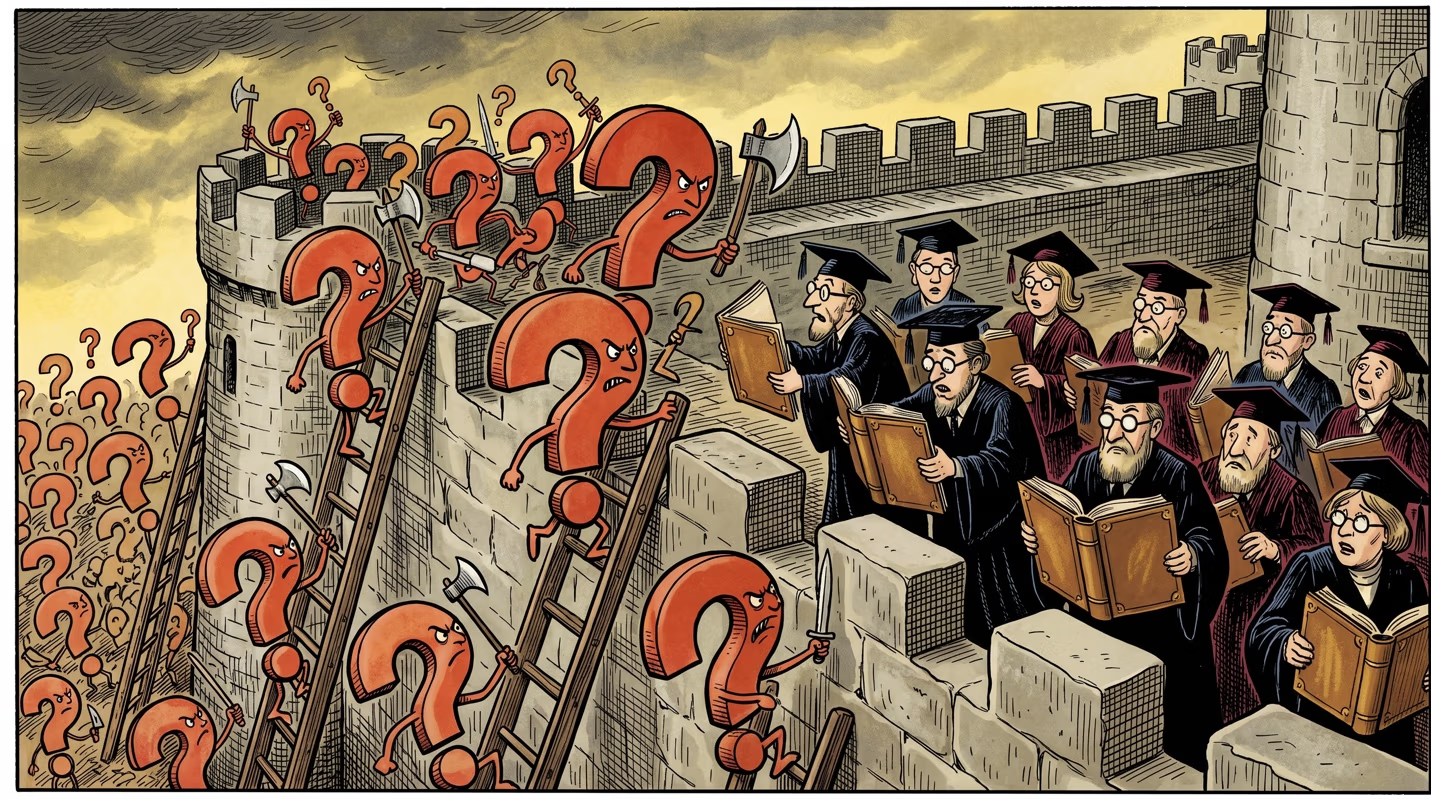
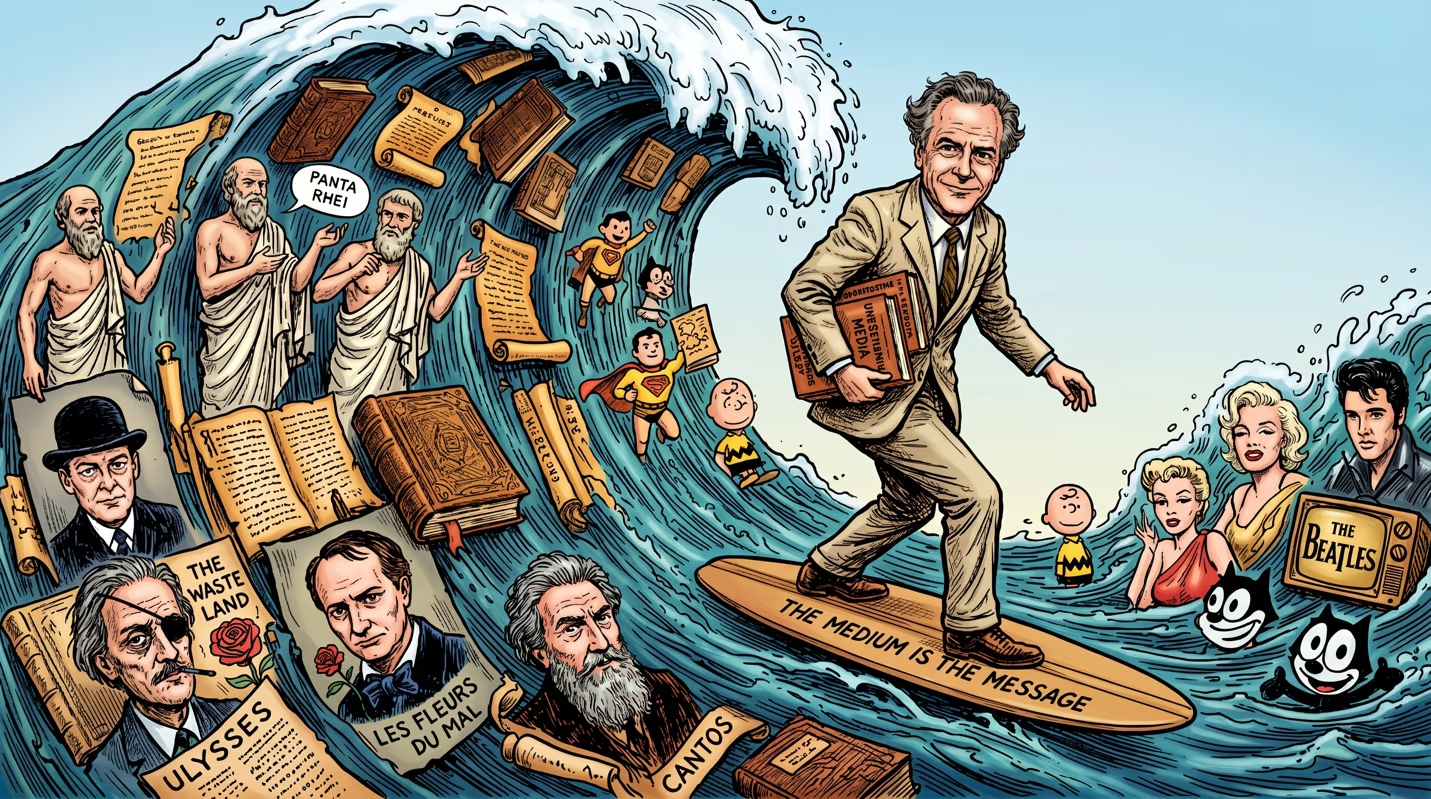
….it will help to recall that in the Phaedrus, Plato argued that the new arrival of writing would revolutionize culture for the worse. He suggested that it would substitute reminiscence for thought and mechanical learning for the true dialectic of the living quest for truth by discourse and conversation. It was as if he foresaw the library of Alexandria and the unending exegesis upon previous exegesis of the scholiasts and grammarians.
“Sight, Sound and the Fury,” Commonweal, April 9, 1954, Vol. 60, No. 1, p 8
Year: 1954
Writing is the translation of the audible into the visual. In large measure it is the spatialization of thought.
“Sight, Sound and the Fury,” Commonweal, April 9, 1954, Vol. 60, No. 1, p 8
Year: 1954
Reading and writing in this respect represent an intense degree of specialization of experience. Writing meant that the acoustic world with its magic power over the being of things was arrested and banished to a humble sphere. Writing meant the power of fixing the flux of words and of thought. Writing permitted analysis of thought-processes which gave rise to the categories of knowledge. With writing came the power of visually enclosing not only acoustic space but architectural space. With writing came the separation of music from the dance, of both from words. Before writing, all these divisions were merged in a single “mythic” knowledge, a single rhythm where there was no present but all was now. FOUR QUARTETS of T. S. Eliot is a complete guide to our own recovery of acoustic modes of knowing our own and past experience. FINNEGANS WAKE of James Joyce is a verbal universe in which press, movie, radio, TV merge with the languages of the world to form a Feenichts Playhouse of metamorphoses.
Counterblast, (1969), pp 114-15.
Year: 1969
The unassisted human voice which can reach at most a few dozen yards, imposes various conditions on a speaker. However, with the invention of the alphabet the voice was translated to a visual medium with the consequent loss of most of the qualities and effects. But its range in time and space was thus given enormous extension. At the same time the distance from the sender to the recipient of a message was extended, the number of those able to decipher the message was decreased. Writing, in other words, was a political revolution. It changed the nature of social communication and control
"Technology & Political Change," International Journal, Summer 1952.
Year: 1952
Chapter:
Oral
The Age of Writing has passed. We must invent a new metaphor, restructure our thoughts and feelings.
Counterblast (1969), p 14
Year: 1969
Chapter:
Today’s Transition
The hypertrophy of written messages, which has been dubbed “Parkinson’s Law” by its author, would appear to be caused not by paper-shuffling and the typewriter, but by the effort of the typewriter to keep pace with the acceleration of information movement created by the telephone and electronic media.
“Effects of the Improvements of Communication Media” (1960), p 567
Year: 1960
Chapters:
Media Study | Typewriter
“Writing extends the spatial range of speech but creates mental passivity. Writing fixes traditions but evokes large armies, roads and empires. Seen, however, as a special art form the alphabet refashioned all human experience.”
“The Later Innis”, Queen's Quarterly, 1953, p 387
Year: 1953
Alphabetic writing is itself a radical re-ordering of experience, as we know by contrast with the pictorial or ideogrammic writing of China, which releases a totally different set of human possibilities in contrast to the unconscious preferences of alphabetic societies.
“The later Innis”, Queen's Quarterly, 1953, p 388
Year: 1953
Xerography is bringing a reign of terror into the world of publishing, because it means that every reader can become both author and publisher.
"American Scholar," 1966. FLAG Need further citation specifics
Year: 1966
Innis, in his Empire and Communication, explains how the Greeks destroyed themselves with their own alphabet… They hadn’t the wit to understand what was happening, or the courage or what not, and they simply destroyed themselves with their own writing system.
Joseph Foyle interview, in This Week (Dublin, Ireland, 1972), p 21.
Year: 1972
Never hunt anything small.
Reported as a personal maxim by Eric McLuhan
Chapters:
McLuhan on McLuhan | McLuhanisms & Zingers
The most secret diary, even that of Samuel Pepys, written in a code which remained unbroken for centuries—even such a diary is for the writer a mask or a vortex of energy which increases his power over the language; for our mother tongue is itself a corporate mask of energy which is stepped up by the act of writing and, once again, by the act of publication.
At the Moment of Sputnik—1974, in The Man and His Message, 1989, pp 77-78
Year: 1974
The phonetically written word, itself an abstract image of a spoken word, permits the prolonged analysis of process but does not greatly encourage the application of knowledge to action beyond the verbal sphere.
“Myth and Mass Media” (1960), p 292
Year: 1960
Writing is impossible for man the food-gatherer but is inevitable for Neolithic man, the agriculturalist.
“The Role of Media in Communication Innovation” (1964), p 2
Year: 1964
There’s no historical time until you have writing, and the idea of chronology is entirely lineal. If you don’t have a chronology, you have the year of the pig or the year or the fox or something like that…
J. Kirsch interview, September 13, 1976, transcript, p 13
Year: 1976
Chapter:
History
The goose quill put an end to talk. It abolished mystery; it gave architecture and towns; it brought roads and armies, bureaucracy. It was the basic metaphor with which the cycle of civilization began, the step from the dark into the light of the mind. The hand that filled the parchment page built a city.
The Medium Is the Massage, with Quentin Fiore, 1967, p 48
Year: 1967
Chapter:
Wake Them Up!