Found 20 quotes (13 duplicates hidden).
Like symbolic poetry, the present ad works by suggestion, not statement.
Culture Is Our Business, (1970), p 180
Year: 1970
Chapter:
Advertising
The future of language presents the possibility of a world without words, a wordless, intuitive world, like a technological expression of the action of consciousness. E.S.P.
“The Invisible Environment: The Future of an Erosion”, Perspecta, Vol.11, (1967), p 167, reprinted in On the Nature of Media, (2016), p 124
Year: 1967
The American Government was the first to be founded on the concept of public opinion.
“New Media as Political Forms” in Explorations 3, August (1954), p 124, reprinted as McLuhan Unbound #14 ,(2017), p 12
Year: 1954
Chapters:
America, North America | Democracy
↪ Also at #1449
Literate man, civilized man, tends to restrict and enclose space and to separate functions, whereas tribal man had freely extended the form of his body to include the universe. Acting as an organ of the cosmos, tribal man accepted his bodily functions as modes of participation in the divine energies. The human body in Indian religious thought was ritually related to the cosmic image, and this in turn was assimilated into the form of house.
Understanding Media, MIT/Routledge edition, (1964), p 124
Year: 1964
Chapter:
Blake, William
So far as quantity goes the printed book was the first instrument of mass culture.
“Culture without Literacy”, in Explorations #1, December (1953), p 124 reprinted in Essential McLuhan, (1995), p 309, additional reprint in Media Research Technology, Art and Communication (1997), p 134. and McLuhan Unbound #6, (2017)
Year: 1953
Chapter:
Canada
It will be possible in this generation, I hope, to program the environment in such a way that we can learn a second language as we learned our mother tongue, rapidly and totally, as a means of perception and of discovery. The future of language presents the possibility of a world without words, a wordless, intuitive world, like a technological expression of the action of consciousness. E.S.P.
“The Invisible Environment: The Future of an Erosion”, Perspecta, Vol.11, (1967), p 167, reprinted in On the Nature of Media, (2016), p 124
Year: 1967
All left-handed people used to be taught right-handedness as soon as they went to school. The blind are mainly instructed in how to behave as if they could see. Instead of taking advantage of the fact that the blind have other senses that re very much sharper than those of the sighted...
“Contribution in Racial integration”, in Spectrum of Catholic Attitudes (1969), p 124
Year: 1969
Chapter:
Education
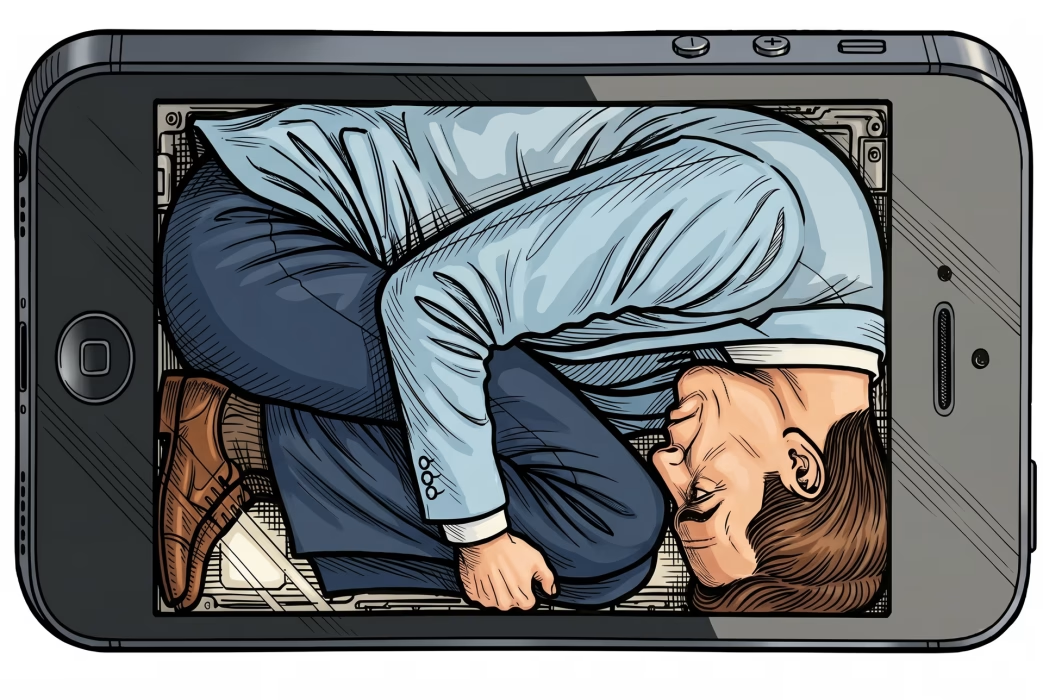
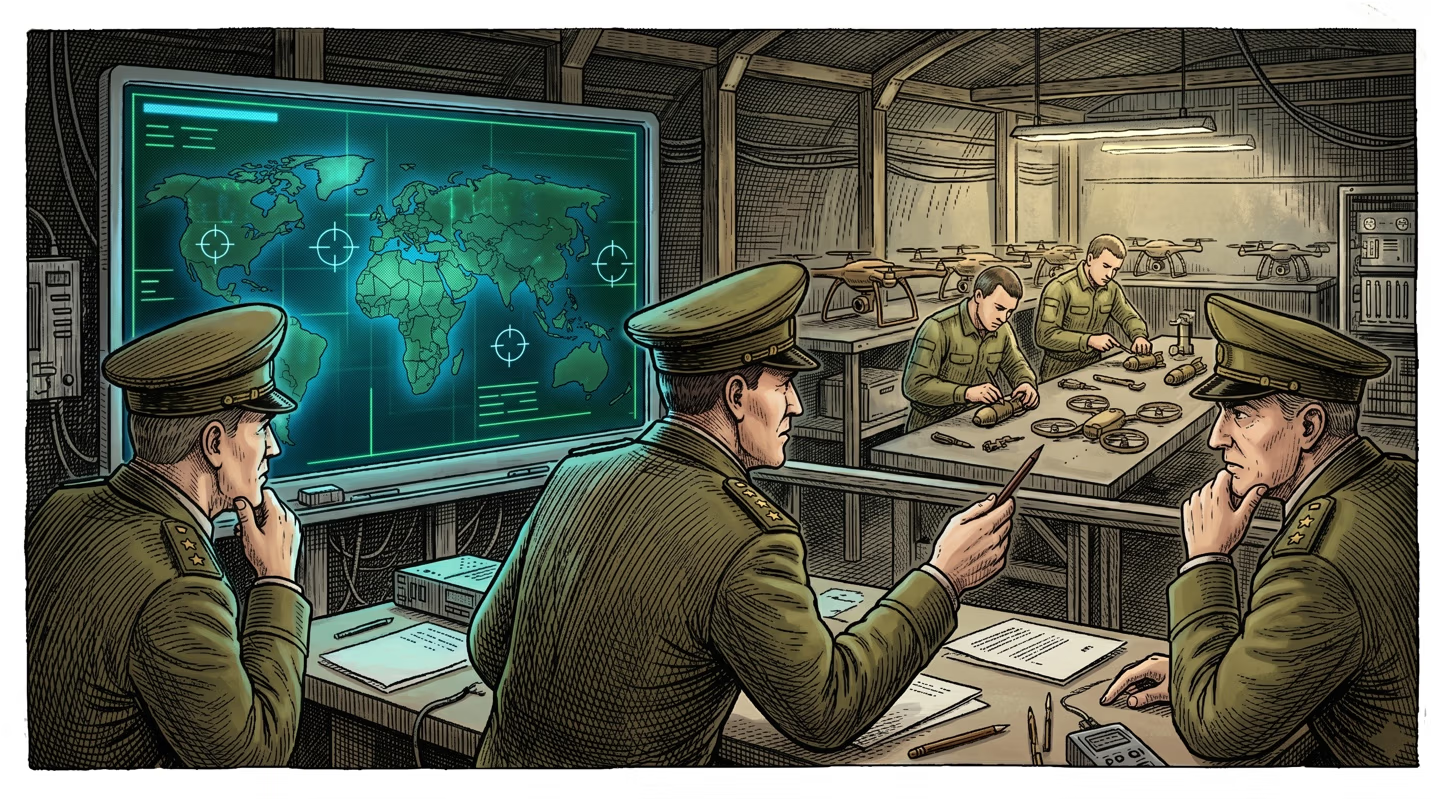
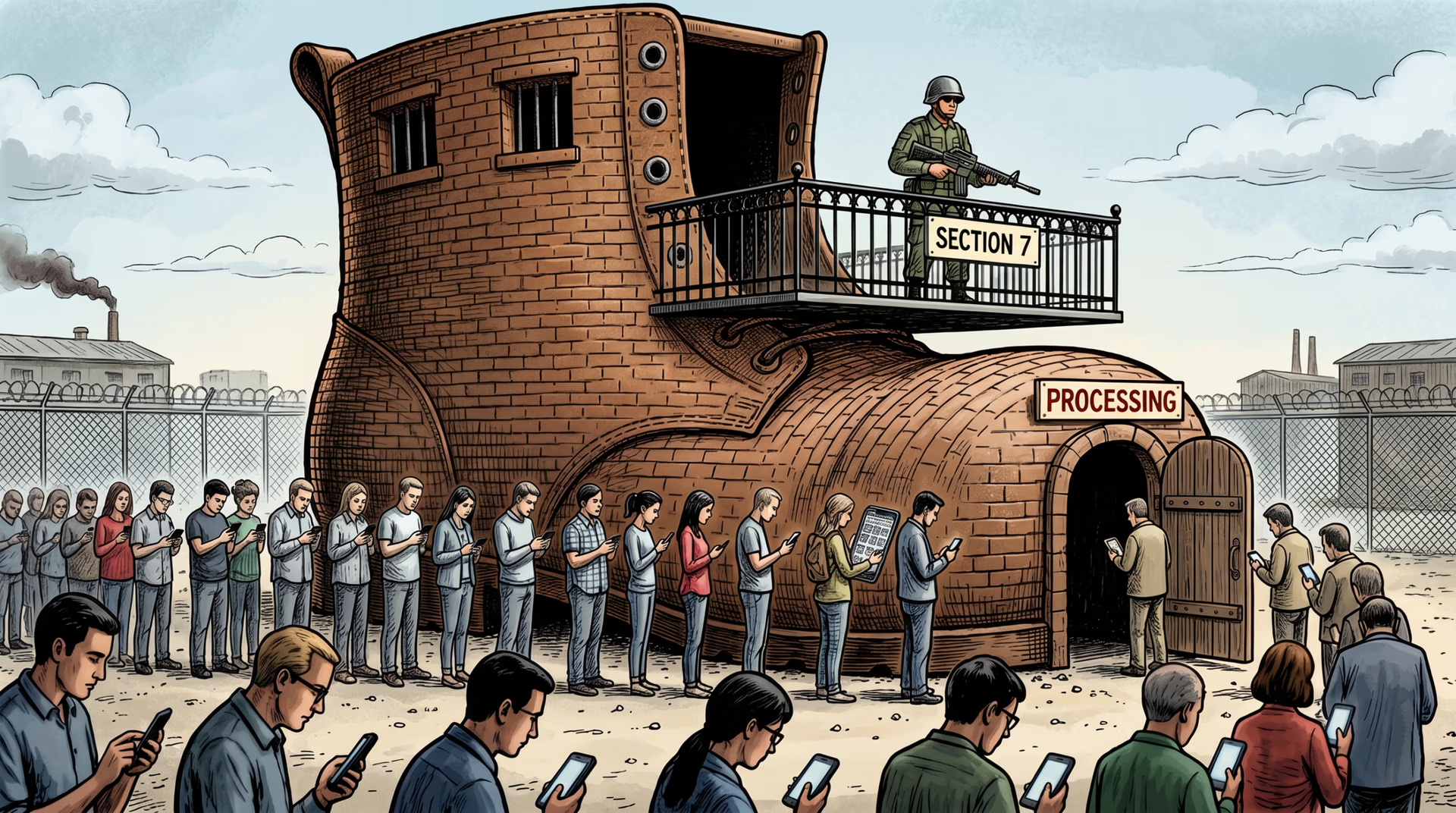
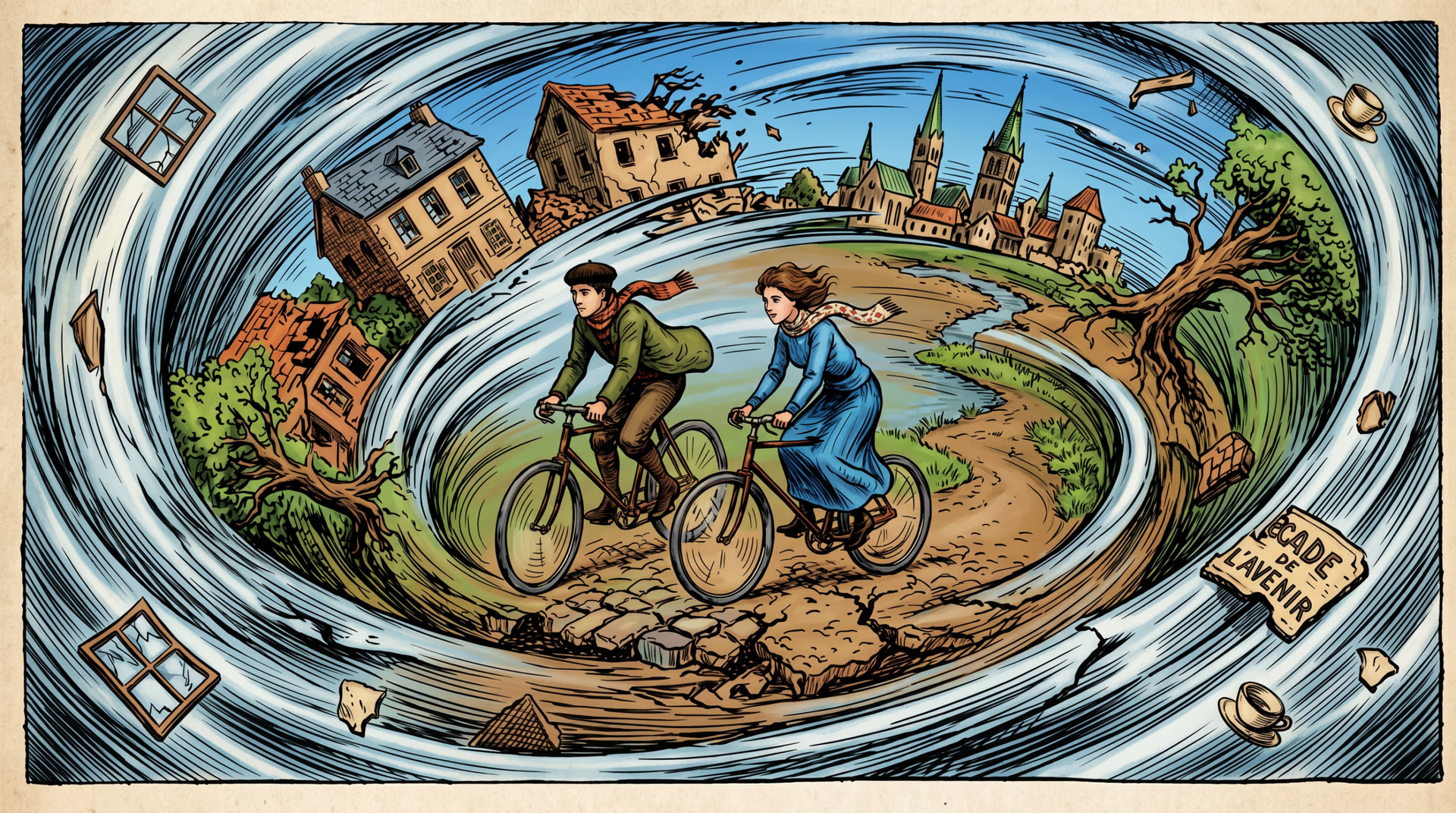
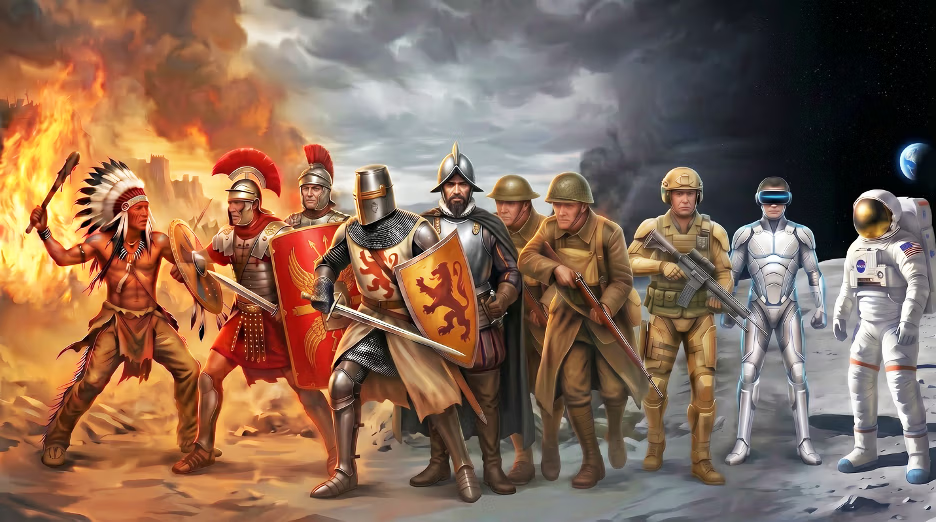
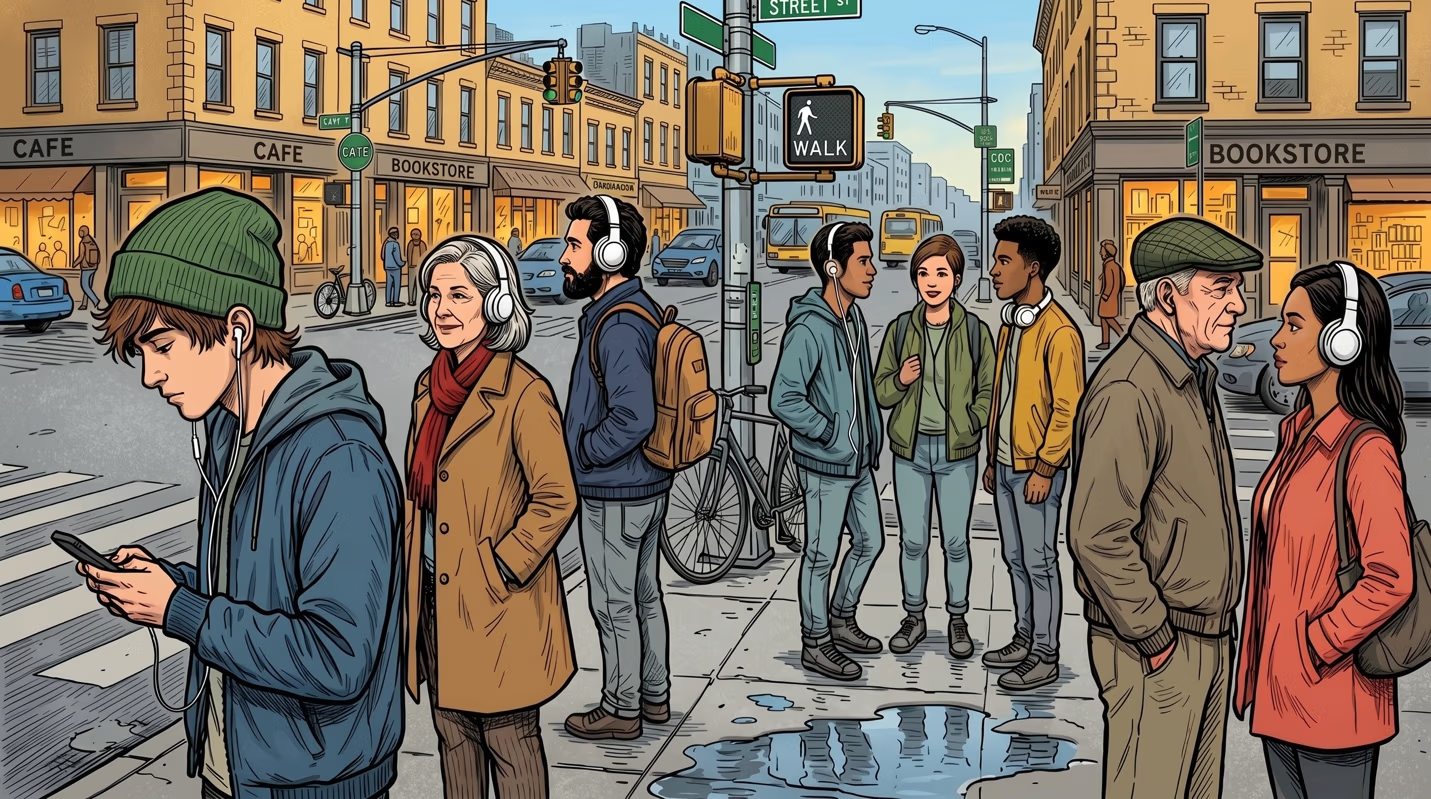
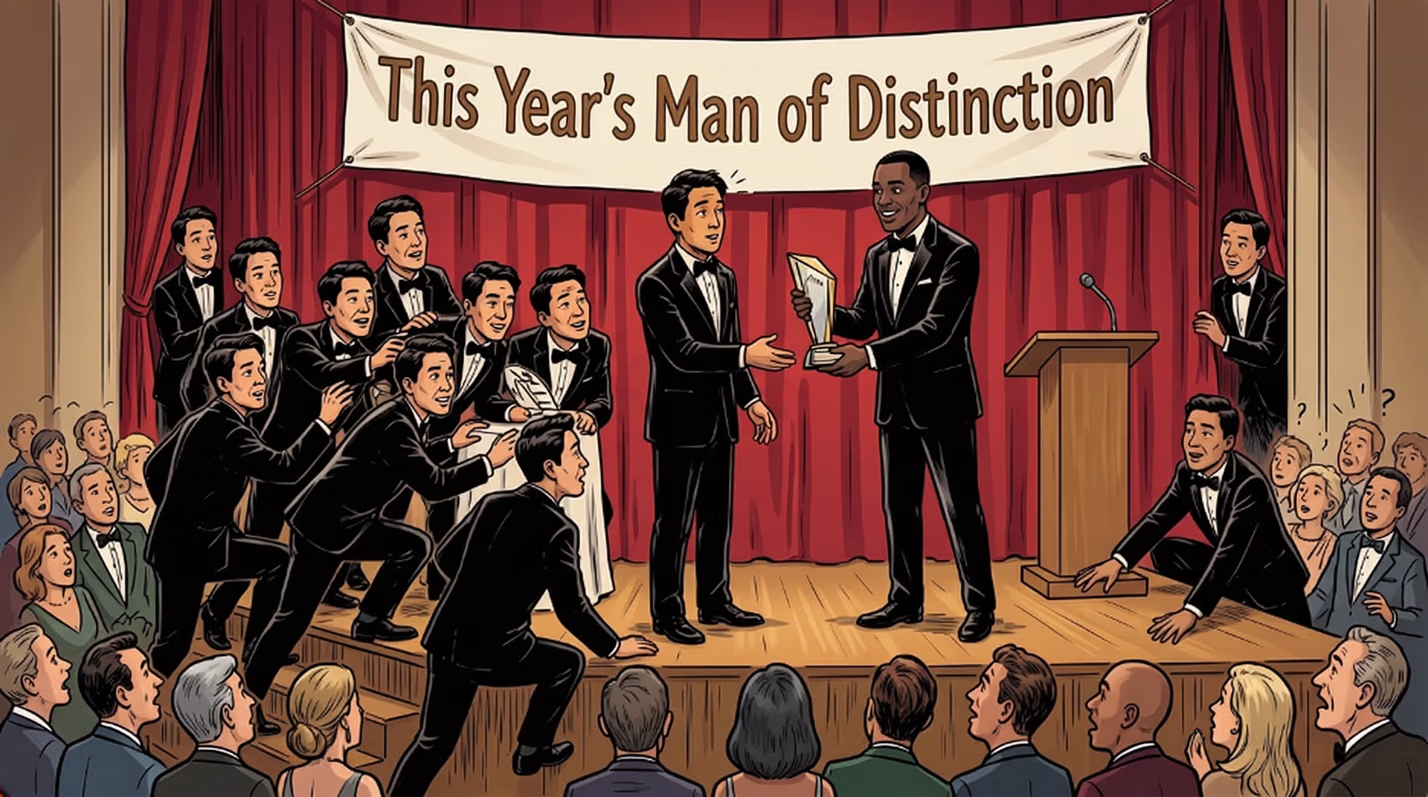
We have become like the most primitive paleolithic man, once more global wanderers, but information gatherers rather than food gatherers. From now on the source of food, wealth and life itself will be information.
“The Agenbite of Outwit”, 1963, reprinted in Media Research: Technology, Art, Communication, 1997, p. 124
Year: 1963
Chapters:
Hunters of Information | Information
↪ Also at #2922
Literacy, the visual technology, dissolved the tribal magic by means of its stress on fragmentation and specialization, and created the individual.
“The Agenbite of Outwit”, In Location Magazine, Vol. 1, No. 1, (1963), reprinted in Marshall McLuhan Essays Media Research : Technology Art Communication, (1997), p 124
Year: 1963
Chapters:
Individual | Literacy
↪ Also at #3523
Newton revolutionized the techniques of poetry and painting. Joyce encompasses Einstein but extends his pictographic formula to the entire world of language and consciousness. The tendency of the challengingly new to revoke and reinforce ancient disciplines never appeared more strikingly than in Joyce. Literature may have come to an end in 1870 but poetic, rhetoric and metaphysic have come increasingly alive since then.
“New Media as Political Forms,” Explorations 3, 1954, pp 123-124
Year: 1954
Chapter:
Joyce, James
Joyce organized Ulysses by assigning the various city forms of walls, streets, civic building and media to the various bodily organs… Baudelaire originally intended to call his Fleurs du Mal, Les Limbes, having in mind the city as corporate extensions of our physical organs. Our letting-go of ourselves, self-alienations, as it were, in order to amplify or increase the power of various functions, Baudelaire considered to be flowers of growths of evil.
Understanding Media (1964), MIT/Routledge edition, pp 123-124
Year: 1964
Chapter:
Joyce, James
…language itself is the greatest of mass media. The spoken word instantly evokes not only some recently conceived idea but reverberates with the total history of its own experience with man. We may be oblivious to such overtones as of the spectrum of colour in a lump of coal. But the poet by exact rhythmic adjustment can flood our consciousness with this knowledge.
“Culture without Literacy”, in Explorations #1, December (1953), p 124 reprinted in Essential McLuhan, (1995), p 310, additional reprint in Media Research Technology, Art and Communication (1997), p 134. and McLuhan Unbound #6, (2017)
Year: 1953
Chapter:
Language
To read the language of forms, anything from a Cadillac to an ash tray, renders the book of the world an inexhaustible source of insights and discoveries.
“Environment as Programmed Happening” in Knowledge and the Future of Man, edited by Walter Ong, S.J. (1968), p 124
Year: 1968
Chapter:
Language of Forms
The specialist is one who never makes small mistakes while moving toward the grand fallacy.
Understanding Media (1964), MIT/Routledge edition, p 124
Year: 1964
Chapter:
McLuhanisms & Zingers
Even so imaginative a writer as Jules Verne failed to envisage the speed with which electric technology would produce informational media. He rashly predicted that television would be invented in the XXIXth Century.
The Medium Is the Massage with Quentin Fiore (1967), p 124
Year: 1967
Chapter:
Next Medium [The]
The invention of typography confirmed and extended the new visual stress of applied knowledge, providing the first uniformly repeatable ‘commodity’, the first assembly line, and the first mass-production.
The Gutenberg Galaxy : The Making of Typographic Man , (1962), p 124
Year: 1962
Chapter:
Print
[Cybernetic] organizational changes will produce social mutations of some consequence. It will, of necessity, produce a new kind of tribal man, in the original corporate, or group, sense; the kind of person who has survived the excesses of left-hemisphere thinking and who will have retained his respect for the group awareness of the right hemisphere.
The Global Village with Bruce Powers (1989), p 124
Year: 1989
Speech comes with the development of the power to let go of objects. It gives the power to detachment from the environment that is also the power of great mobility in knowledge of the environment. So it is with the growth of the idea of money as currency rather than commodity."
Understanding Media (1964), MIT/Routledge edition, p 124
Year: 1964
Chapter:
Speech
It is like becoming conscious of the unconscious, and of consciously promoting unconscious values by an ever clearer consciousness.
The Agenbite of Outwit”, In Location Magazine, Vol. 1, No. 1, (1963), reprinted in Marshall McLuhan Essays Media Research: Technology Art Communication, (1997), p 124
Year: 1963
Chapter:
Tactile, Touch
When we put our central nervous system outside us we returned to the primal nomadic state.
“The Agenbite of Outwit”, In Location Magazine, Vol. 1, No. 1, (1963), reprinted in Marshall McLuhan Essays Media Research: Technology Art Communication, (1997), p 124
Year: 1963
Chapter:
Today’s Transition