Found 13 quotes (12 duplicates hidden).
Remember, an artist is primarily concerned with getting your attention, whether he’s a musician or a poet. His first wish and hope is to trap your attention. This is the first hope and wish of every advertiser; he is an artist, certainly, to that extent. He wants to shape your attention, to shape your sensibilities, to create an effect upon you. Whether you believe a word he says couldn’t matter less to him; he is interested only in effects, and not in changing your opinions or thoughts about anything. And this is also true of the poet: he couldn’t care less what you thought or felt about him or anything, as long as he gets his effects across.
Audio clip of McLuhan speaking, used in an unidentified radio recording, interview of Barrington Nevitt and Father John Culkin, S.J., shortly after Marshall McLuhan’s funeral, January, 1981. Transcript of the radio broadcast, p 9
Year: 1981
Chapter:
Advertising
Perhaps the terrifying thing about the new media for most of us is their inevitable evocation of irrational response. The irrational has become the major dimension of experience in our world.
“Culture without Literacy”, in Explorations #1, December (1953), p 126 reprinted in Essential McLuhan, (1995), p 311, additional reprint in Media Research Technology, Art and Communication (1997), p 136, and McLuhan Unbound #6, (2017)
Year: 1953
[T.S.] Eliot is careful to point to the corporate, spoken language as "speech," and dialect," and "tribal," because these features of language are much beyond the range of the written or printed word.
Liturgy And Media” in The Critic, Vol.31, No. 3, January-February (1973), p 20, reprinted in reprinted in The Medium and the Light: Reflections on Religion (1999), p 126
Year: 1973
Chapters:
Eliot, T.S. | Speech
↪ Also at #6515
That situation...always adds up to the need to discover means for translating the experience of one medium or one culture into another, of translating Confucius into Western terms and Kant into Eastern terms. Of seeing our old literary culture in the new plastic terms in order to enable it to become a constitutive part of the new culture created by the orchestral voices and gestures of new media. Of seeing that modern physics and painting and poetry speak a common language and of acquiring that language at once in order that our world may possess consciously the coherence that it really has in latency, and which for lack of our recognition has created not new orchestral harmonies but mere noise.
“Culture without Literacy”, in Explorations #1, December (1953), p 126 reprinted in Essential McLuhan, (1995), p 311, additional reprint in Media Research Technology, Art and Communication (1997), p 136, and McLuhan Unbound #6, (2017)
Year: 1953
Chapters:
Harmony | Living Unity
↪ Also at #3573
The bomb is not a weapon. The bomb simply wiped out war instantly, and to treat it like a weapon is like using a radio set as a weapon to heave at people...
Madamoiselle interview, 1967, p 126
Year: 1967
Chapter:
Information Warfare
This principle of a continuous dual structure for achieving order has always been present in the work of Sorel Etrog. In one of his poems he called it 'recollecting things to come', which might have been an alternative title for Finnegans Wake, itself a dramatic spiral of a single sentence.
Spiral: Man as the Medium, 1976, in Sorel Etrog: Images from the Film SPIRAL, 1987, p 126
Year: 1976
Chapter:
Joyce, James
Reality-testing can no longer follow the linear, factual recital or statistical pattern. There is far too much reality for that. We are obliged to deal with reality in constellations and clusters or not at all.
“New Media as Political Forms”, in Explorations 3, 1954, p 125-126
Year: 1954
Chapter:
Linear and Nonlinear
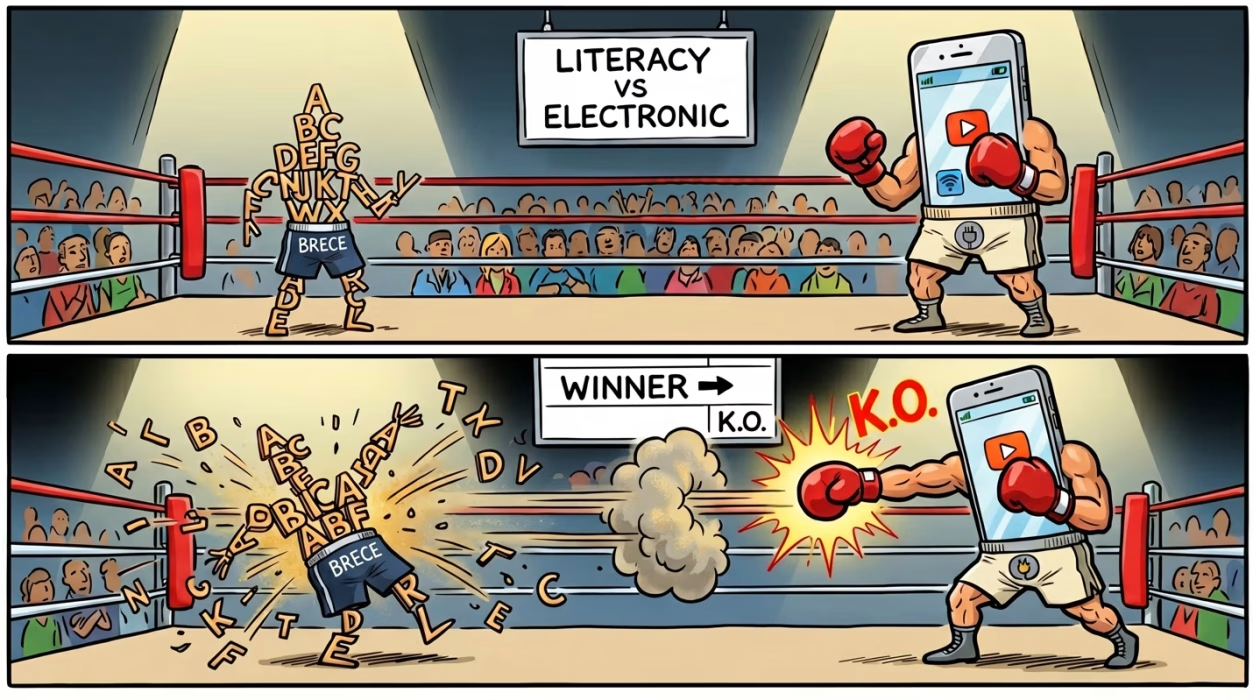
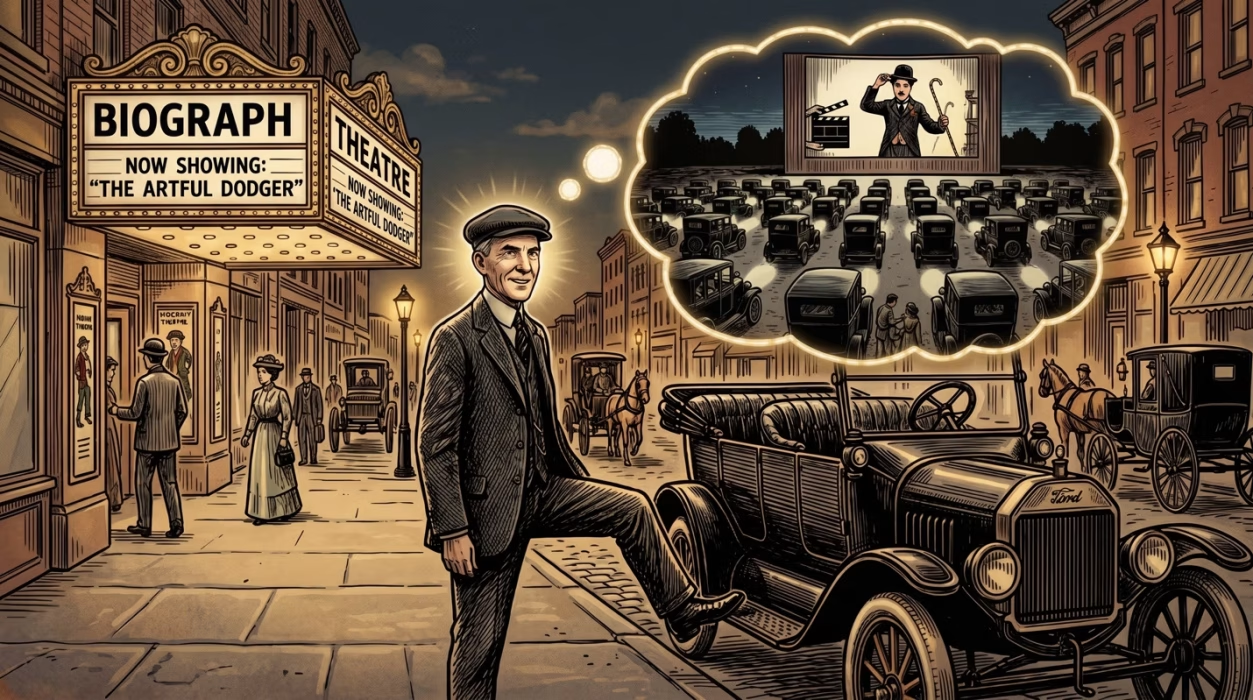

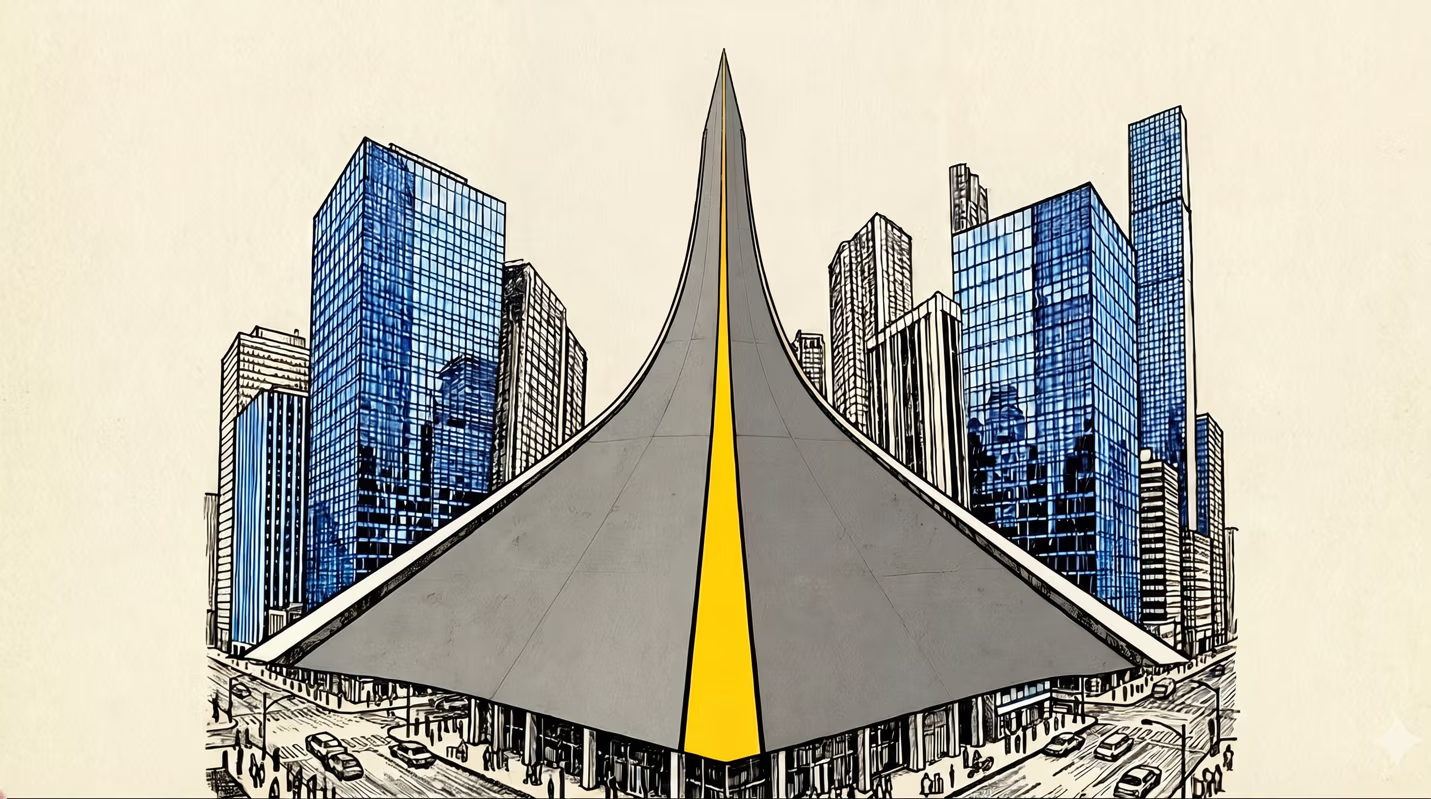

Father Hopkins, the English poet, may have been trying to substitute syllabic for prosodic stress in English poetry, just as Frank Lloyd Wright seems to have substituted American space for European space in architecture.
Liturgy And Media” in The Critic, Vol.31, No. 3, January-February (1973), p 20, reprinted in The Medium and the Light: Reflections on Religion (1999), p 125-126
Year: 1973
The irrational has become the major dimension of experience in our world.
“Culture without Literacy”, in Explorations #1, December (1953), p 126 reprinted in Essential McLuhan, (1995), p 311, additional reprint in Media Research Technology, Art and Communication (1997), p 136, and McLuhan Unbound #6, (2003)
Year: 1953
Chapter:
McLuhanisms & Zingers
…rock is not added to the city. It is the city in musical translation
Liturgy And Media” in The Critic, Vol.31, No. 3, January-February (1973), p 20, reprinted in reprinted in The Medium and the Light: Reflections on Religion (1999), p 126
Year: 1973
Chapter:
Music
Poetry can have a visual rather than an auditory bias as in the poetry of Wordsworth.
“Why The Tv Child Cannot See Ahead”, in The Man and His Message (1989), p 126
Year: 1989
Chapter:
Poetry
A fixed point of view becomes possible with print and ends the image as a plastic organism.
The Gutenberg Galaxy, 1962, p 126
Year: 1962
Chapter:
Print
“The more specialized an academic became, in McLuhan's view, the more desperately he clung to his expertise and the less he wanted to understand others or wanted others to understand him. Eventually McLuhan concluded, for these and other reasons, that ‘all ignorance is motivated.’ Most people simply do not want to expand their awareness.”
Philip Marchand
Marshall McLuhan The Medium and the Messenger: a Biography (1989), p 126
Year: 1989
Chapters:
Ignorance | Specialism
↪ Also at #2871