Found 13 quotes (11 duplicates hidden).
Modern advertising is more and more a substitute for the product. Because of its rich resources and means of sensuous solicitation, modern advertising can give you the effect of almost anything without your having to bother about having the thing at all.
The Medium is the Massage, (1967), p 95
Year: 1967
Chapter:
Advertising
It is the overlayering of perspectives, the simultaneous use of two kinds of space which creates the shock of dislocation here. For if all art is a contrived trap for the attention, all art and all language are techniques for looking at one situation through another one.
“Culture without Literacy”, in Explorations #1, December (1953), p 121 reprinted in Essential McLuhan, (1995), p 307, additional reprint in Media Research Technology, Art and Communication (1997), p 131, and McLuhan Unbound #6, (2017)
Year: 1953
The Greek word for environment is perivallo -- to hit from all sides at once.
“The Reversal of the Overheated Image,” Playboy, Dec. 1968, p. 131.
Year: 1968
Chapter:
Environment
↪ Also at #2040
Sentimentality, like pornography, is fragmented emotion; a natural consequence of a high visual gradient in any culture.
“Through the vanish point”, p 131
Chapter:
Fragmentation
Even the highbrow arts of the twenties were “Jung and easily Freudened,” and moved enthusiastically toward retribalization of society. The famous family of Stein (Gert and Ep and Ein) presents a good cross section of the new tribalism created by the radio environment.
“Reversal of the Overheated Image” Playboy, December, 1968 , Vol. 15, No. 12, pp. 131-134, 245.
Year: 1968
Can all of these forms of visual experience now be by-passed by acoustic and discarnate man of the present electric world environment?
Liturgy And Media” in The Critic, Vol.31, No. 3, January-February (1973), p 23, reprinted in reprinted in The Medium and the Light: Reflections on Religion (1999), p 131
Year: 1973
Only those supremely sure of their identity can totally dispense with violence as a means to the ascertaining of identity. The Christian alone is potentially in such a position.
Contribution to Spectrum of Catholic Attitudes (1969), p 131
Year: 1969
Chapter:
Identity
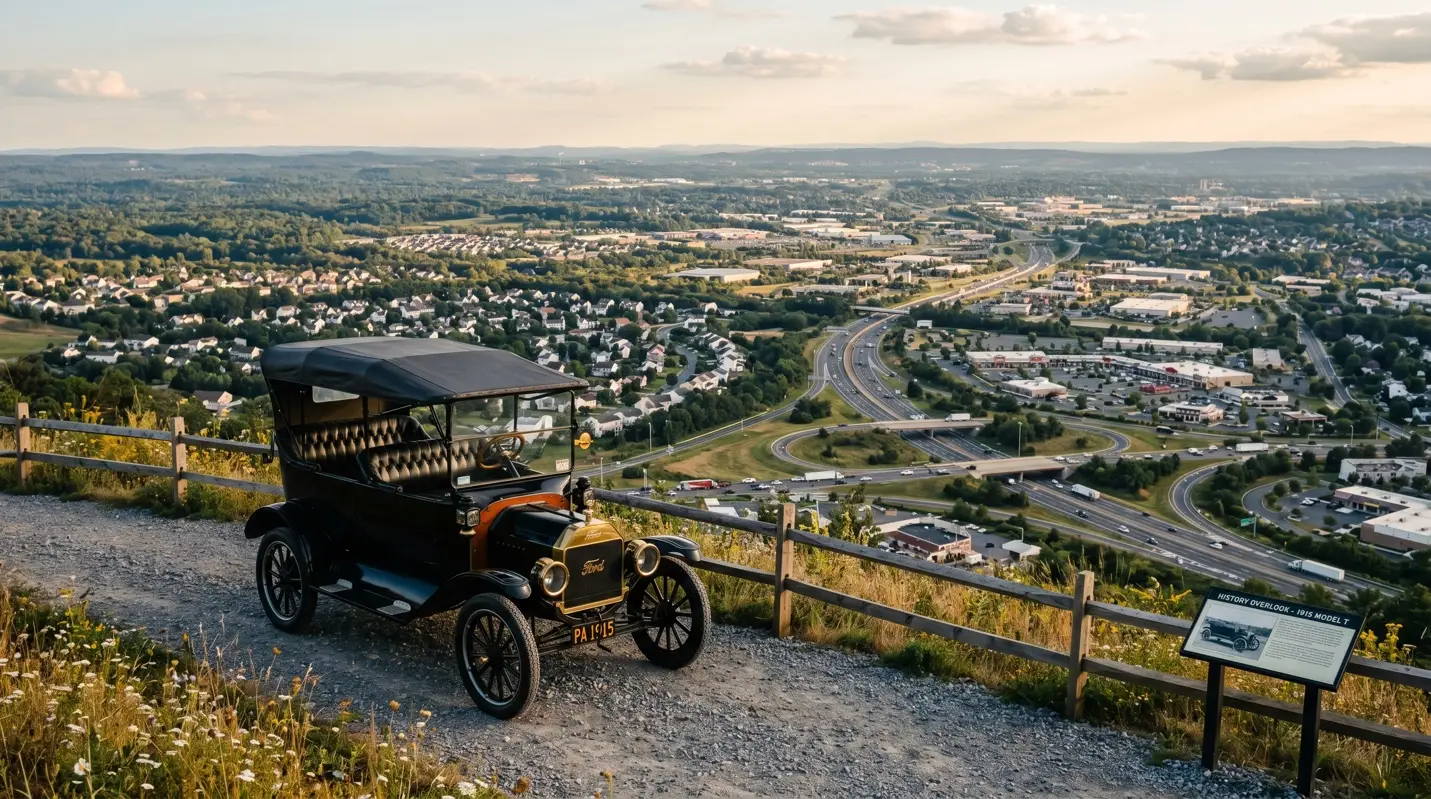
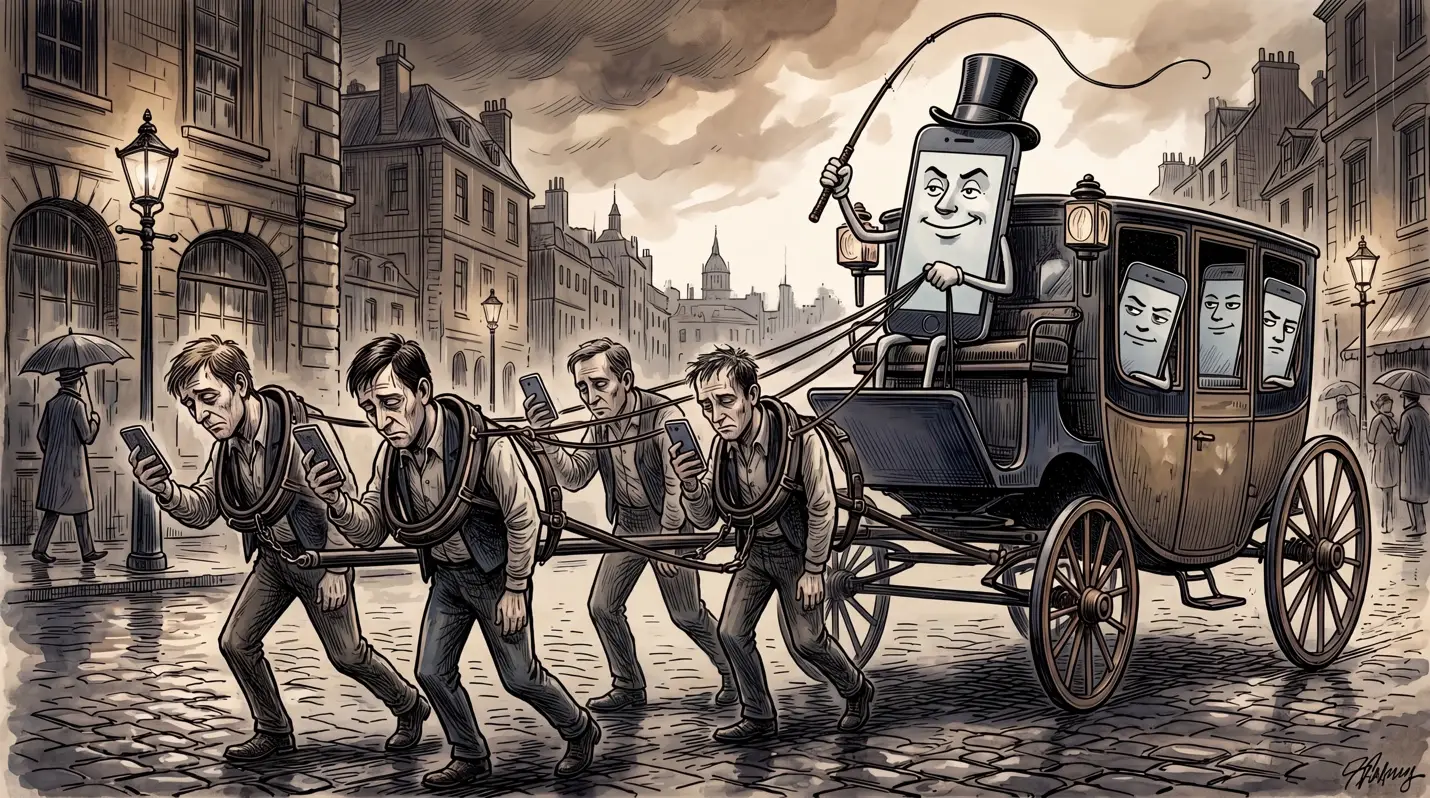
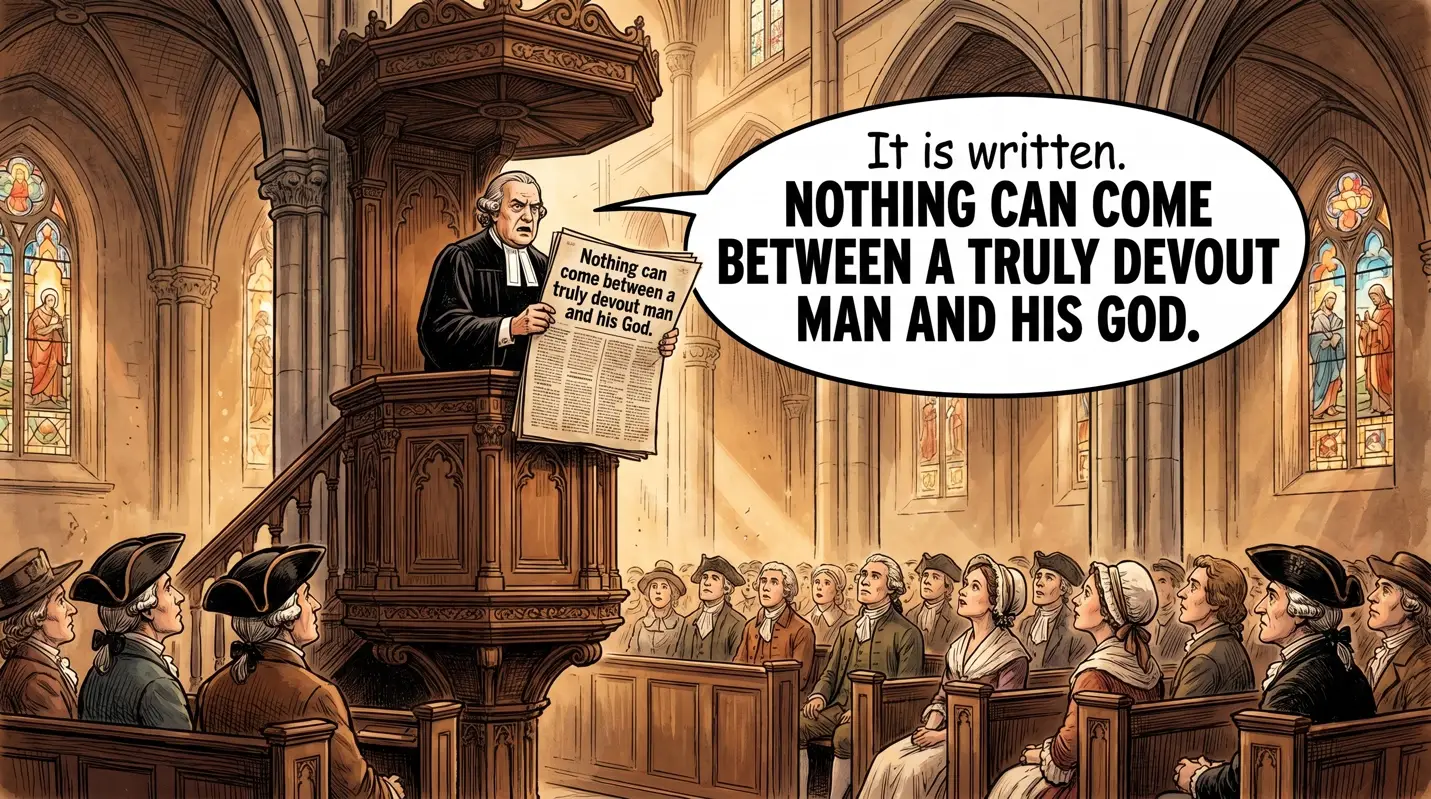
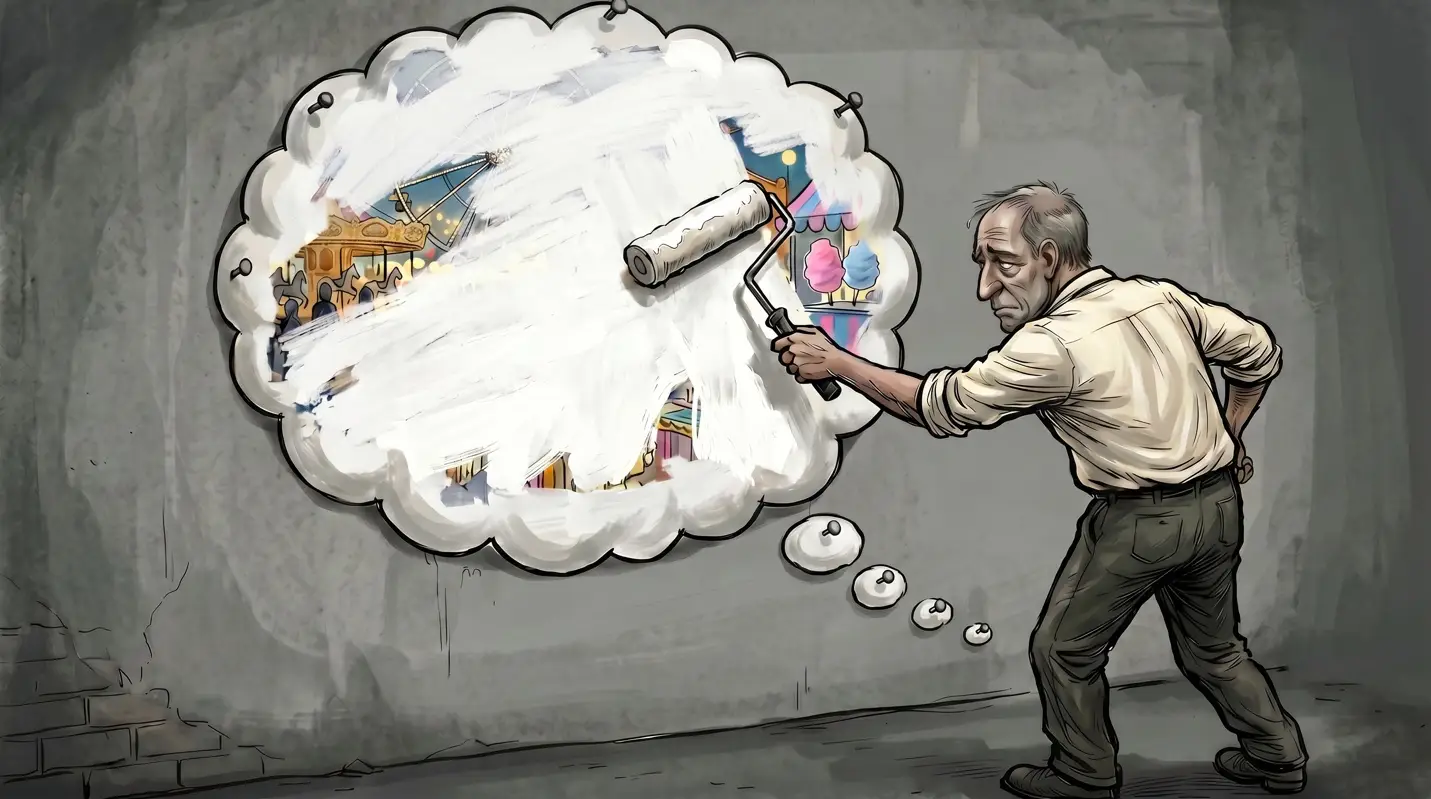
If our new media constitute so complete a range of expressiveness as both to enhance and almost to supplant speech itself, then we have moved into the period of post-literacy. If our present means of exploring and presenting the human past are such as to make simultaneously present all kinds of human pasts, then we have moved into the period of post-history.
Counterblast (1969), p 131
Year: 1969
↪ Also at #2697
Let’s start with an “A” and see what we can do about it.
MM’s opening words to his first Monday Night Seminar in 1968, upon returning to Toronto from his year at Fordham, as reported by George Thompson, in MM: The Man and His Message (1989), p 131
Year: 1968
Chapter:
McLuhanisms & Zingers
[Thomas Gray’s “Elegy in a Country Churchyard”] walks backward into the future.
Through the Vanishing Point with Harley Parker (1968), p 131
Year: 1968
Chapter:
McLuhanisms & Zingers
Money is a poor man's credit card.
Understanding Media (1964), MIT/Routledge edition, p 131
Year: 1964
Chapter:
Money
An actor puts on his audience as a poet puts on his language. A stripper puts on her audience as she takes off her clothes.
Culture Is Our Business, (1970), p 131
Year: 1970
Chapter:
Putting On
The Romans invented the word sexus, probably deriving it from the Latin verb secare, to cut or sever. And that is exactly what civilization has done to man and woman. The cutting apart of the sexes rarely has been more drastic than in the industrial age of Europe and America, the period that was presaged by the invention of printing around 1460, and that is now changing into something new right before our eyes.
“The Future of Sex” with George Leonard (1967) in On the Nature Of Media (2016), p 131
Year: 1967
Chapter:
Sex and Love