Found 8 quotes (3 duplicates hidden).
If the day comes when it is possible to program computers in figure-ground rather than in lineal patterns, then there will be a means of coping with environments holistically rather than by fragmentation and quantitative analysis. Currently, computer programming is done sequentially in the left hemisphere style, that is, by dealing with figures minus their grounds. That limitation is a legacy of our phonetic alphabet which 2500 years ago gave us the power of dealing analytically with figure minus ground.
“The Social Impact of the Computer” (1979), unpublished typescript, pp 8-9
Year: 1979
Chapter:
Computer
Many of the misconceptions about art, phony and phonetic, are rooted in the common illusion that the real is a faithful matching or repeat in one material of something that exists in another material. Picasso’s celebrated remark: “I always paint fakes”, or Renoir’s “I have painted about 1200 pictures and 2500 of them are in the U.S.A.” – remarks like these are mostly taken to be kidding. Even mass production has a basic component of sheer making, as well as faking.
“The Genuine Original IMIT/Routledgeation Fake,” DEWLine Newsletter, No 6, May-June, 1970, p 4
Year: 1970
Chapter:
Fake
Most people find it difficult to understand purely verbal concepts. They suspect the ear; they don’t trust it. In general we feel more secure when things are visible, when we can “see for ourselves.” We admonish children, for instance, to “believe only half of what they see, and nothing of what they hear.” All kinds of “shorthand systems of notation have been developed to help us see what we hear.
The Medium Is the Massage with Quentin Fiore (1967), p 117
Year: 1967
Chapter:
Goodbye Linearity
MIKE McMANUS: You say, too, that between today's child who has been raised electronically — and who must still live in a literate world, because we are still in a literate world — that there's a 2400-year gap between that boy or girl and his parents...
McLUHAN: And his parents, who grew up in a literate society. Well, the alphabet, the phonetic alphabet, the beginnings of western literacy, came in about 500 B.C. And since then, between then and now is approximately 2400 or 2500 years. And we are the first post-literate generation, as it were. We have by-passed the literate world of hardware and the lineal left hemisphere technology. We have by-passed it by moving once more, again, into the altogether world, the holistic world, of the right hemisphere people, who are the third-world people. So what is happening to our own children is we're watching them become third-world.
“Mike McManus TVO interview”, 1977, transcript 9:28
Year: 1977
Chapters:
Hardware / Software | Today’s Transition
↪ Also at #6875
The West readily accepts visual matching as a criterion of truth and science; and our ideas of “causation” have tended toward mere classification for 2500 years. To the Greek, for whom phusis or “nature” was figure he had hoicked out of the ground of existence, it seemed that in creating the classification of phusis he had done all the entelechizing [or examining the effects of human artifacts -ed] that was needed. Nature was his art form.
“Roles, Masks, and Performances” (1971), p 523
Year: 1971
Chapter:
Matching and Making
Print simply wiped out the main modes of oral education that had been devised in the Greco-Roman world and transmitted with the phonetic alphabet and the manuscript throughout the medieval period. And it ended that 2500-year pattern in a few decades.
“What Fundamental Changes Are Foreshadowed In The Prevailing Patterns Of Educational Organization And Methods Of Instruction By The Revolution In Electronics?”, paper presented to Discussion Group 16 at the Fourteenth National Conference on Higher Education, March 3, 1959, p 2
Year: 1959
Chapter:
Print
After 2500 years of alphabetic and typographic culture, it is not easy for us to adjust suddenly to the non-visual, inner space of the interval and to the ferment of the "interface".
To make the transition from the "outer trip" of the visually-oriented man to the "inner trip" of the audile-tactile world, is to shift from West to East.
"Backward" and non-literate cultures and individuals take readily to non-visual or electric technology, which is the world of the new quantum mechanics or of the resonating chemical bond.
The DEWLINE Newsletter, Vol 1, # 5 (NOVEMBER 1968)
Year: 1968
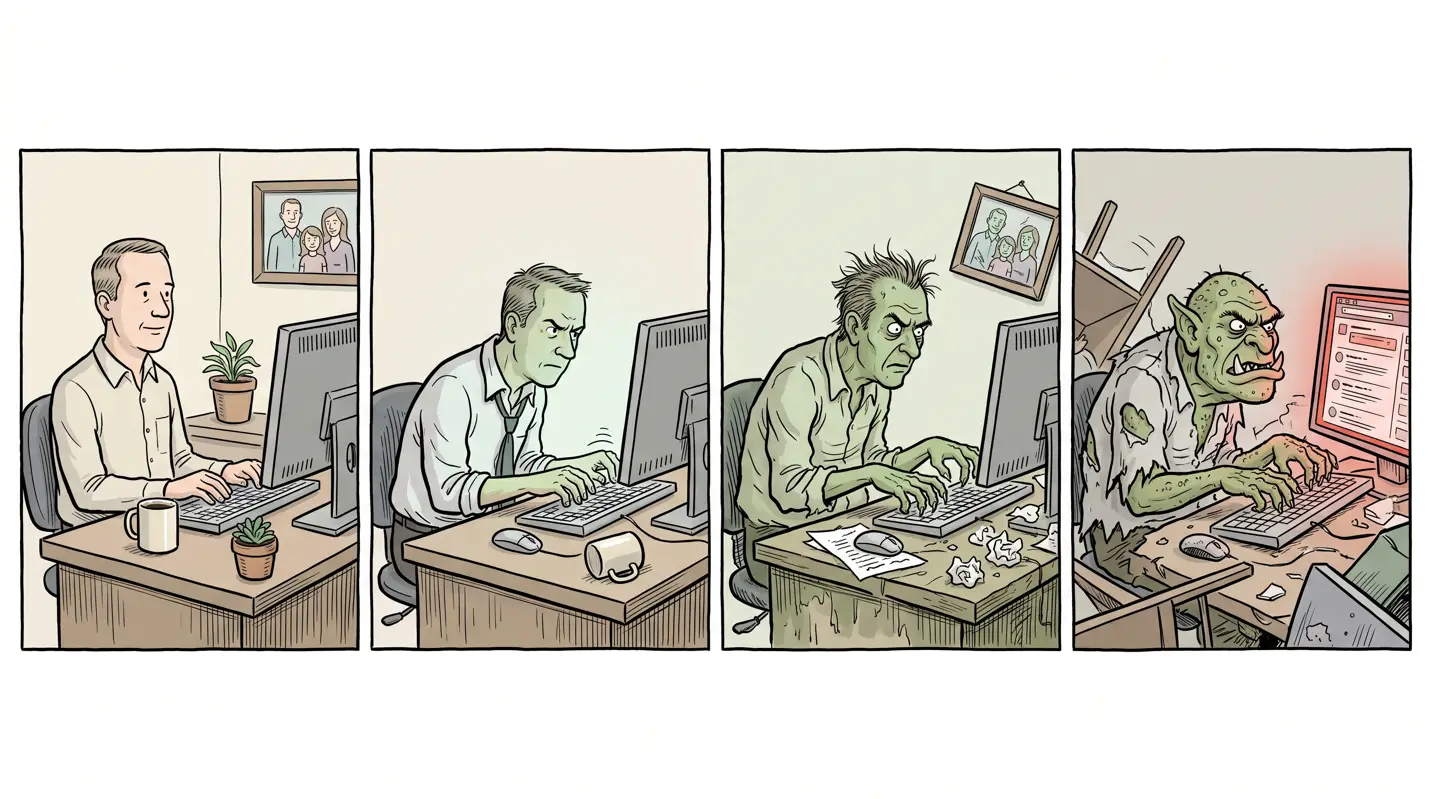
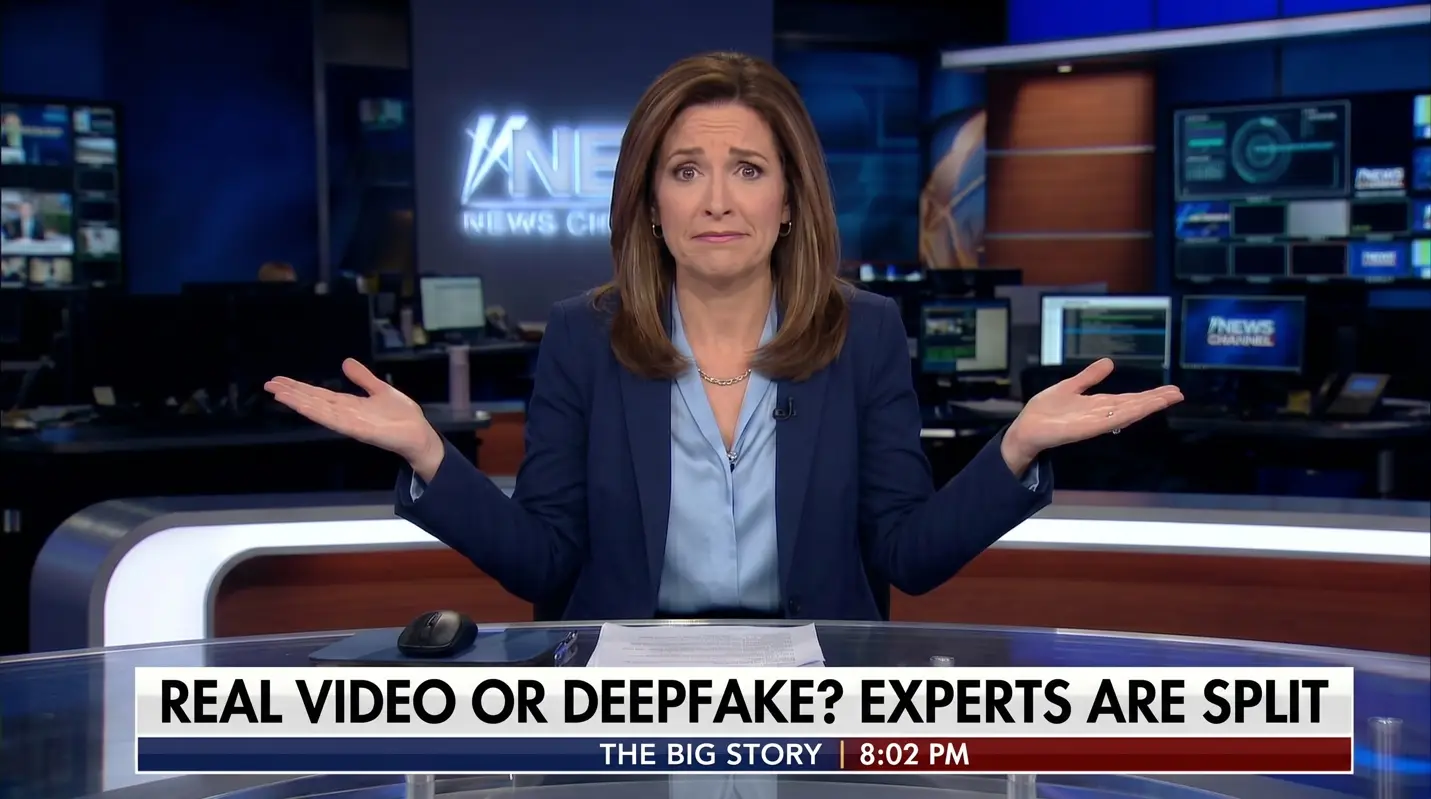
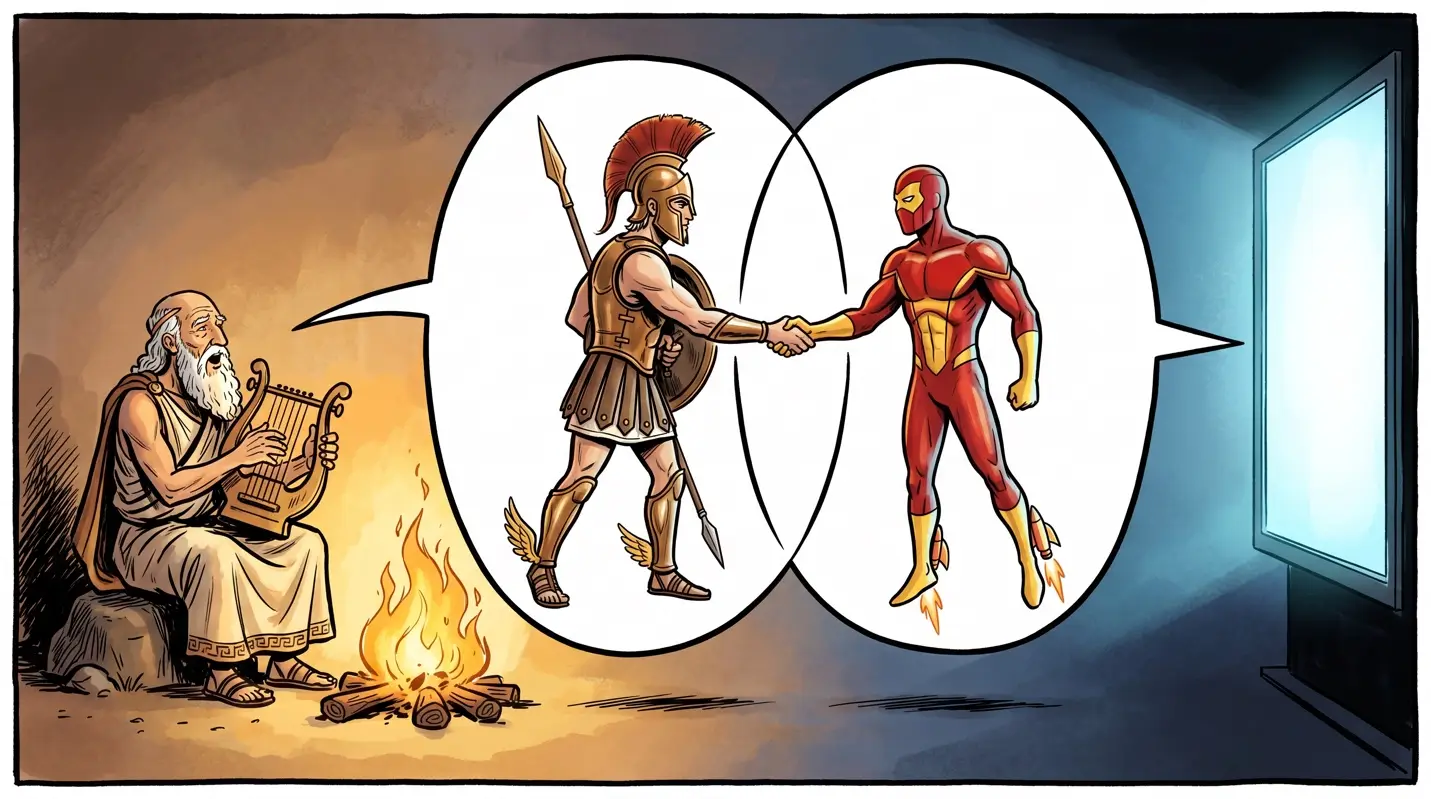
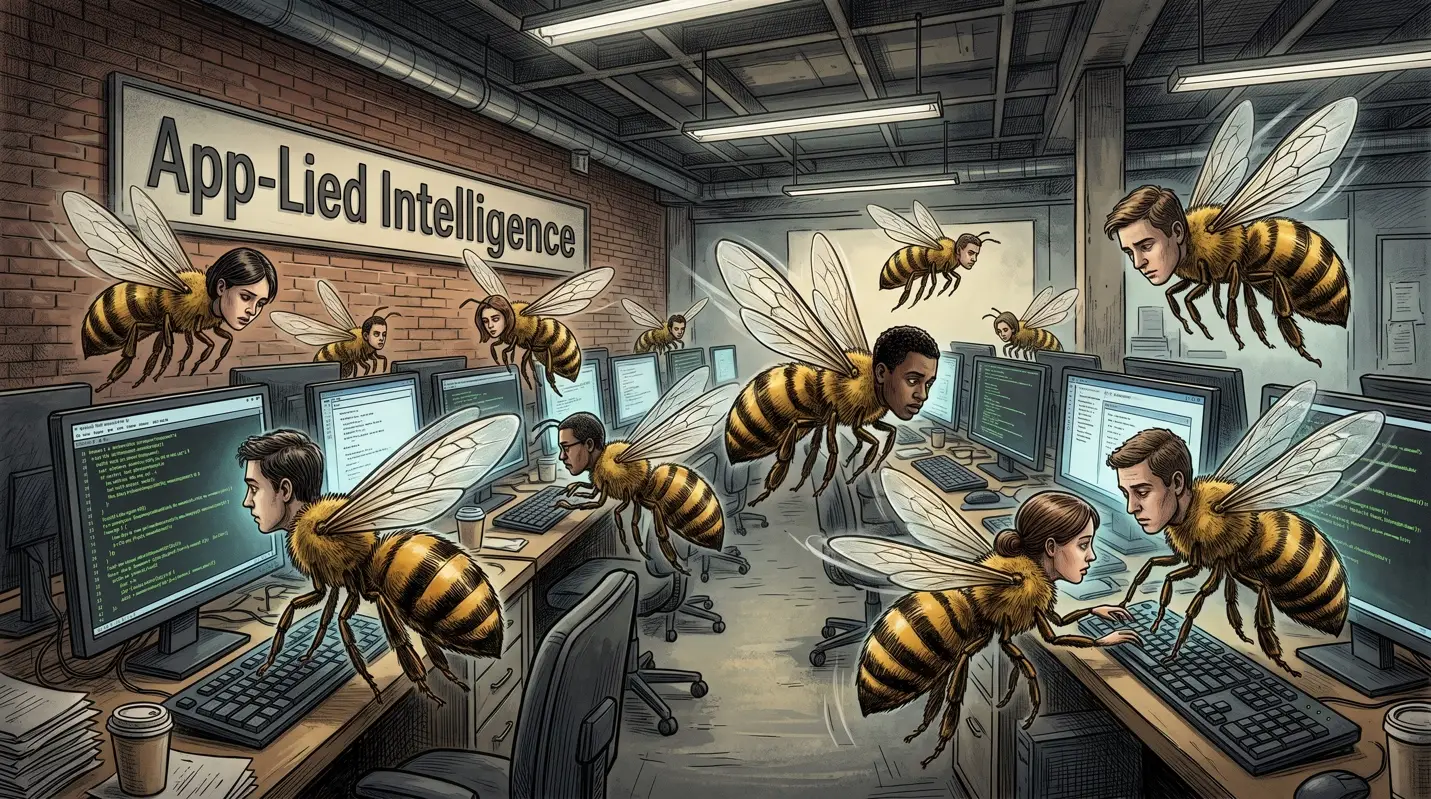
In the seventies [the generation gap] widened from 25 years to 2500 years; from literacy to postliteracy, as parents who had grown up in a literate world faced postliterate children. In the amnesia of the Eighties, as the parents also lose their literacy and their forbidding and formidable identity profile, the young will feel free to come home again.
“Living at the Speed of Light” (1979), typescript, p 15
Year: 1979
Chapter:
Today’s Transition